Key insights
5 slides
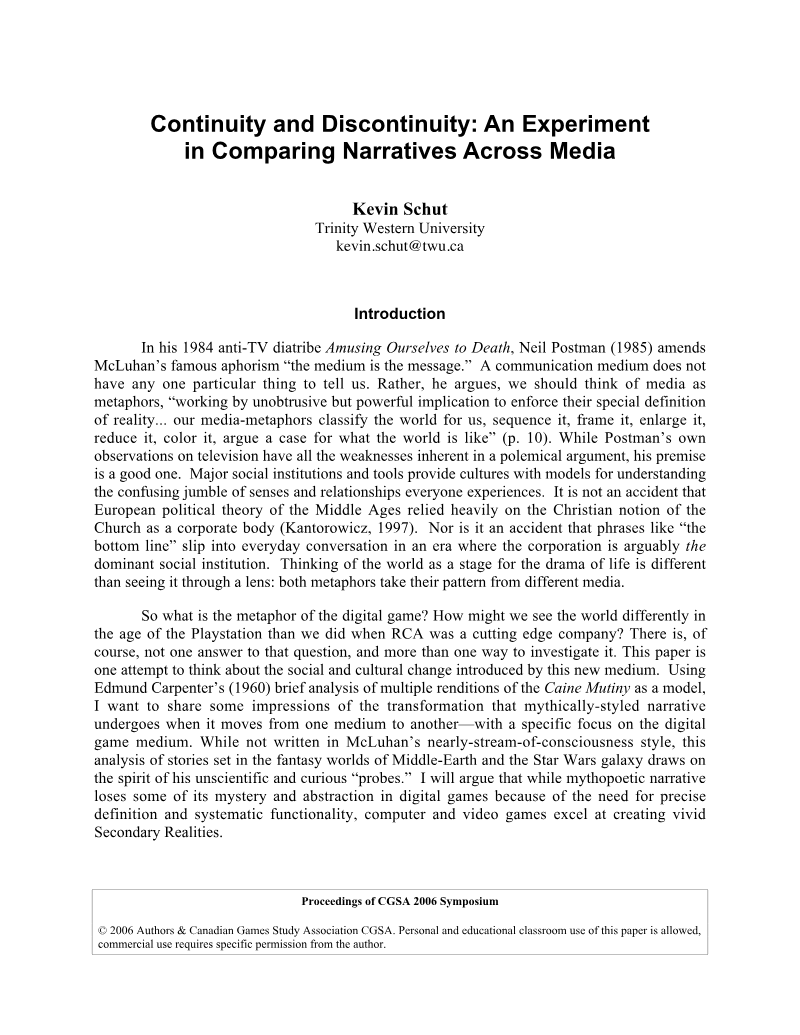
A New Medium
Digital games transform mythic narratives by using high-definition, rule-based systems.
This transformation replaces the abstraction and mystery found in traditional media. Games operate through functional interaction, requiring active participation from players.
1 / 5
- 01Digital games transform mythic narratives by replacing the abstraction and mystery of traditional media with high-definition, rule-based systems.See it on page 1
- 02The transition from passive observation to active participation requires players to inhabit a simulated environment rather than simply viewing a story.See it on page 10
- 03Game engines function as 'Secondary Realities' that prioritize spatial storytelling and player agency over the narrative ambiguity found in literature or film.See it on page 5
- 04The technological framework of a platform acts as a primary constraint on world-building, fundamentally altering how mythic experiences are constructed and perceived.See it on page 9
- 05While game systems may diminish traditional mythic wonder, they compensate by providing a sense of physical presence and functional tangibility within the fictional world.See it on page 9
- 06The architecture of a medium is as influential as its narrative content in shaping the audience's experience and cultural expression.See it on page 2
Ask AI about this report
Summary
Mythopoetic narratives, such as those found in The Lord of the Rings and Star Wars, undergo significant structural transformations when adapted from literature and film into digital games. While traditional media rely on abstraction and mystery to cultivate mythic resonance, digital games operate through high-definition, rule-based systems that prioritize functional interaction. This shift necessitates a transition from passive engagement to active participation, where the narrative is no longer merely observed but inhabited within a tangible, simulated environment.
The core thesis posits that digital games function as unique "Secondary Realities" that leverage spatial storytelling to create immersion. Although the rigid logic and systematic nature of game engines may diminish the ambiguity typically associated with myth, they compensate by offering players a sense of agency and physical presence within the fictional world. This medium-specific bias dictates how stories are perceived, suggesting that the architecture of the platform itself is as influential as the narrative content in shaping the audience's experience.
Ultimately, the inherent construction of a medium acts as a metaphor that defines the boundaries of world-building and cultural expression. While individual creators may attempt to subvert these constraints, the technological framework of digital games fundamentally alters the mythic experience by replacing abstract wonder with functional tangibility. This analysis serves as a foundational framework for understanding how media evolution impacts cultural storytelling, highlighting the necessity for continued comparative research across diverse digital and traditional platforms to track these ongoing shifts in narrative consumption.