Canadian Game Studies Association
63 reports, presentations and talks by Canadian Game Studies Association in the Game Industry Library, the newest “Dear Videogames: Letter Writing and the Dear Ada Project” (2014).
Documents
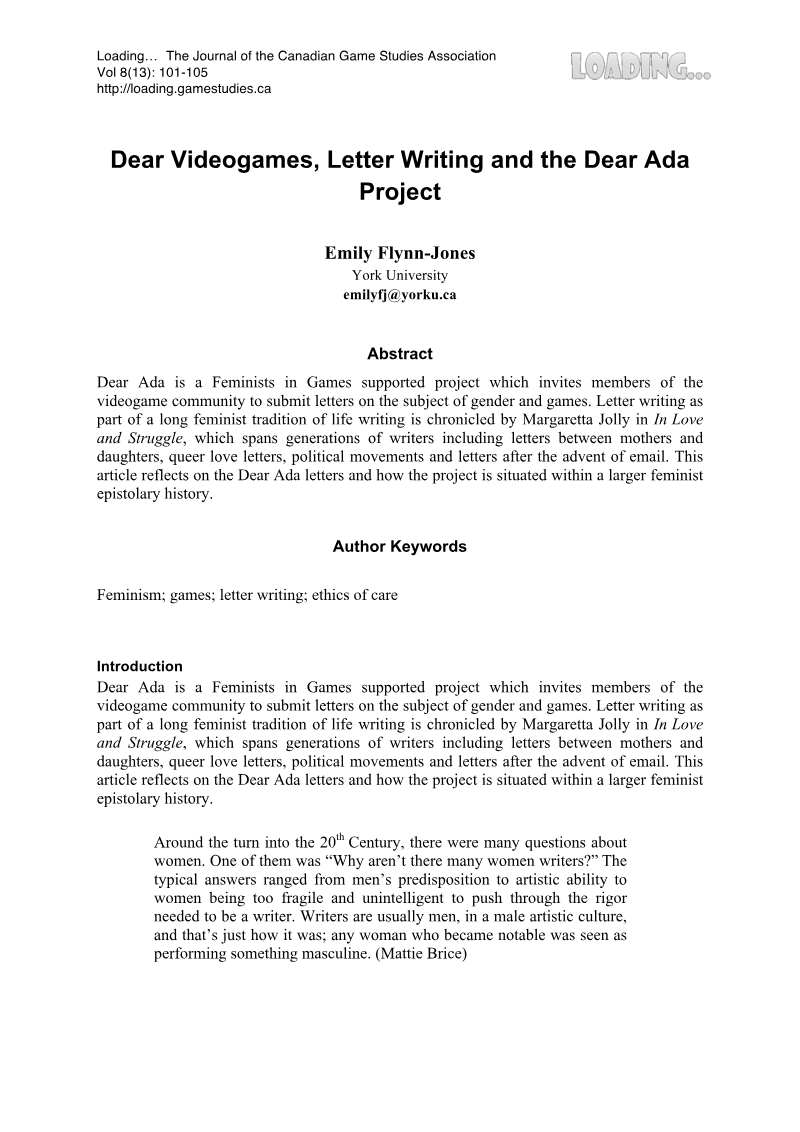
Dear Videogames: Letter Writing and the Dear Ada Project
The Dear Ada project serves as a feminist intervention within the videogame industry, utilizing the traditional epistolary form to provide a platform for marginalized voices to discuss gendered experiences in gaming.
- The Dear Ada project functions as a feminist intervention that uses the epistolary form to provide a platform for marginalized voices to document gendered experiences and systemic challenges within the male-dominated videogame industry.
- Analysis of submitted letters reveals that participants frequently discover and develop their feminist perspectives through direct engagement with game systems and industry culture.
- The initiative shifts the industry discourse from a competitive, zero-sum design mentality toward a model rooted in the ethics of care, emotional labor, and collaborative engagement.
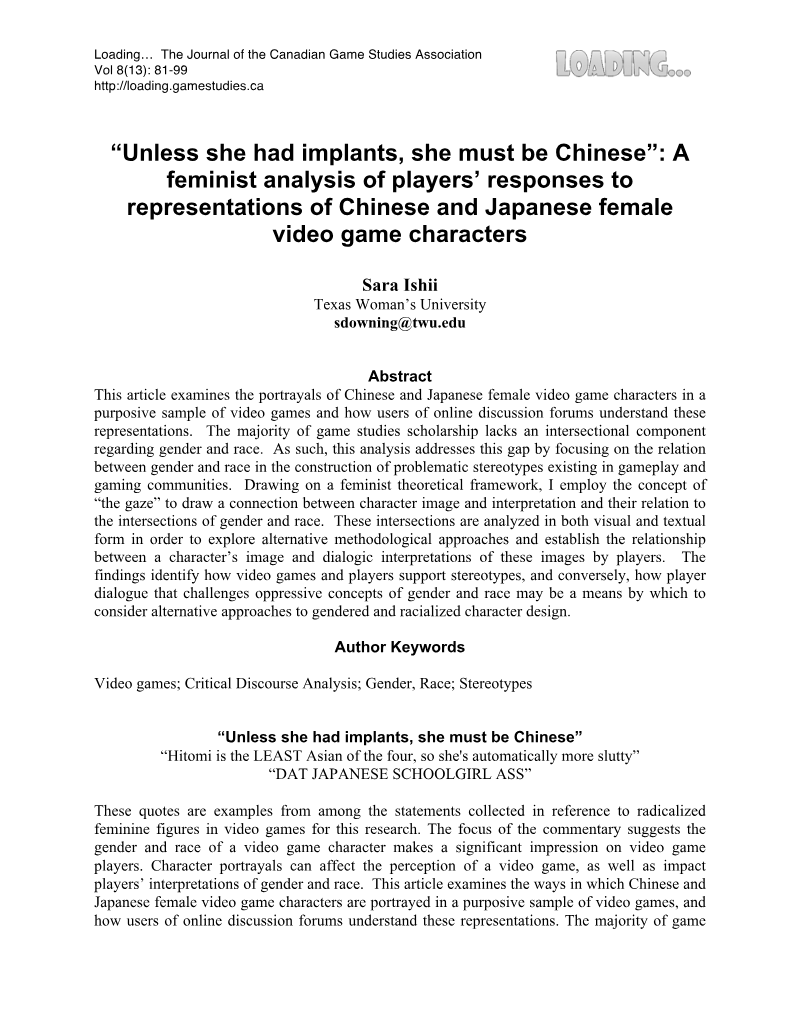
"Unless she had implants, she must be Chinese": A feminist analysis of players' responses to representations of Chinese and Japanese female video game characters
Video game character design often relies on reductive intersections of race and gender, frequently prioritizing hypersexualized aesthetics over nuanced identity.
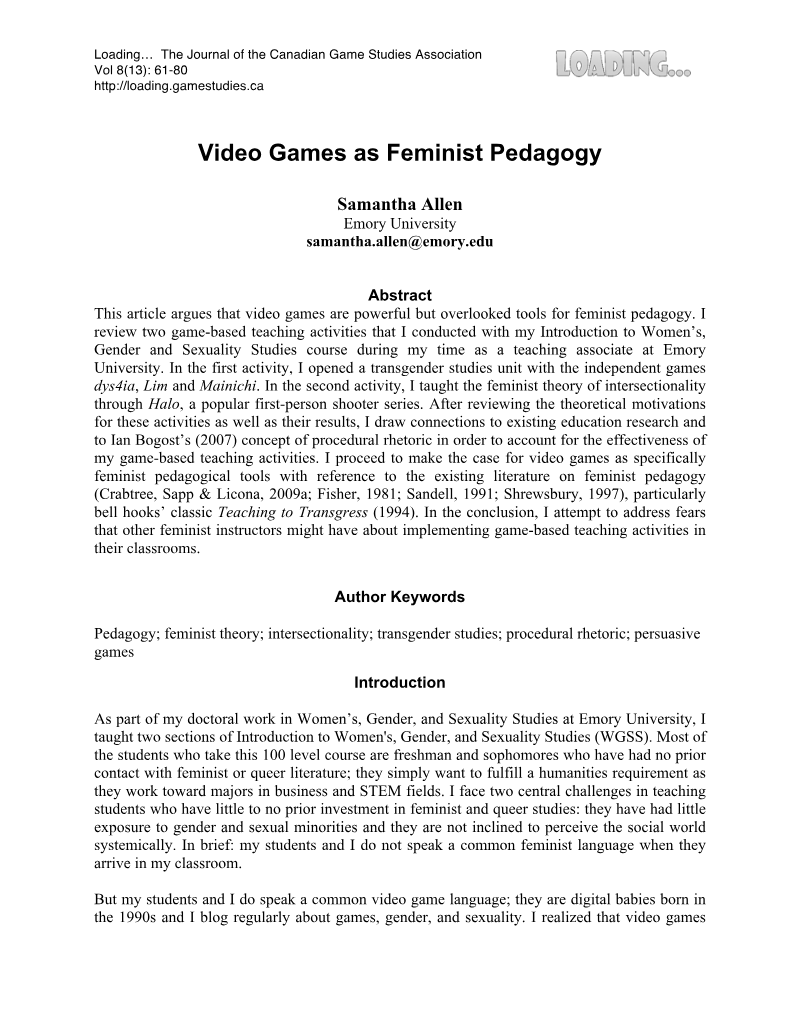
Video Games as Feminist Pedagogy
Video games function as potent, underutilized instruments for feminist pedagogy by leveraging systemic interactivity to translate abstract social theories into tangible, lived experiences.
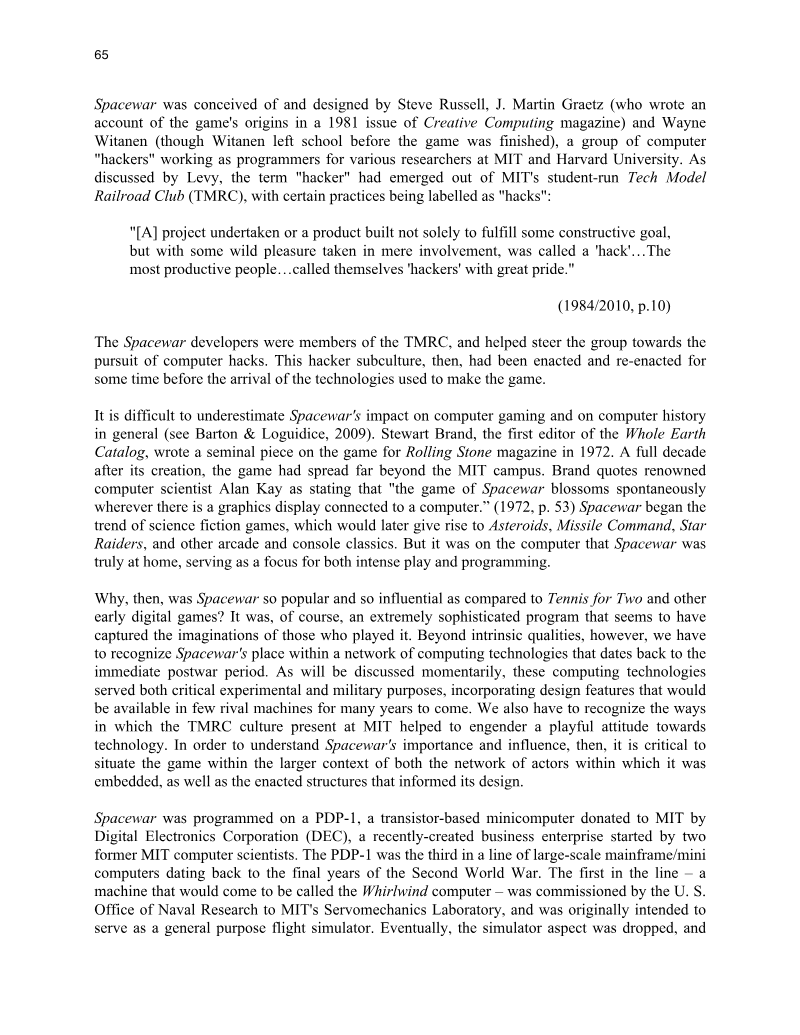
The Programmer as Player: Uncovering Latent Forms of Digital Play Using Structuration and Actor-Network Theory
The historical and modern boundaries between game programmers and players are artificial, masking a persistent hybrid identity that has shaped digital culture since the inception of computing.
Campus Mysteries: Serious Walking Around
The Campus Mysteries project investigates the efficacy of locative learning by deploying an Augmented Reality Serious Game platform known as fAR-Play.
The Montreal Indie Game Development Scene: Before Ubisoft
This analysis challenges the common perception that Ubisoft’s 1997 arrival served as the singular catalyst for the Montreal game development industry.
The 'Console Ship is Sinking' and What This Means for Indies
The console game industry is currently characterized by an unsustainable economic model that prioritizes risk management and publisher control over developer autonomy.
Independent Game Development as Craft
Independent game development functions as a vital craft-based practice that challenges the exclusionary, male-dominated norms inherent in the mainstream gaming industry.
The Toronto Indies: Some Assemblage Required
Independent game production in Toronto functions as a complex, contingent network rather than a byproduct of monolithic global capital.
Indie Sports Games: Performance and Performativity
Competitive, sports-themed indie games are fostering distinct cultures of performance, spectatorship, and group identity that challenge traditional definitions of both sport and gaming.
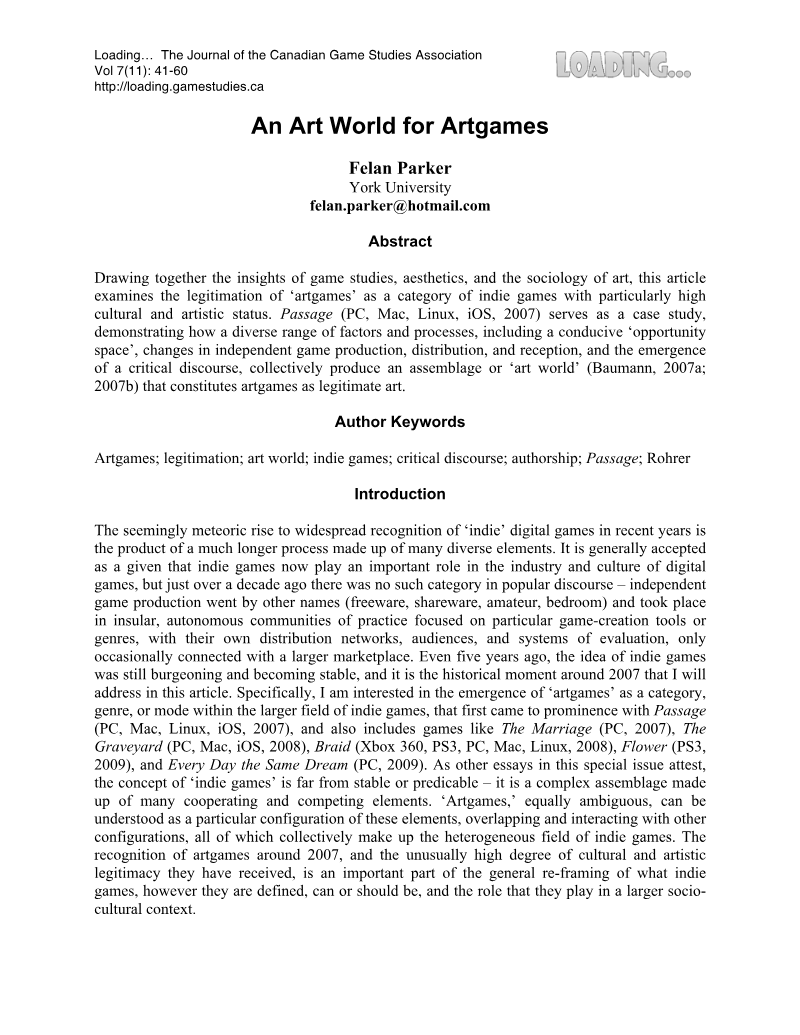
An Art World for Artgames
The emergence of artgames as a distinct category within the independent gaming sector represents a deliberate effort to secure cultural legitimacy for digital media.
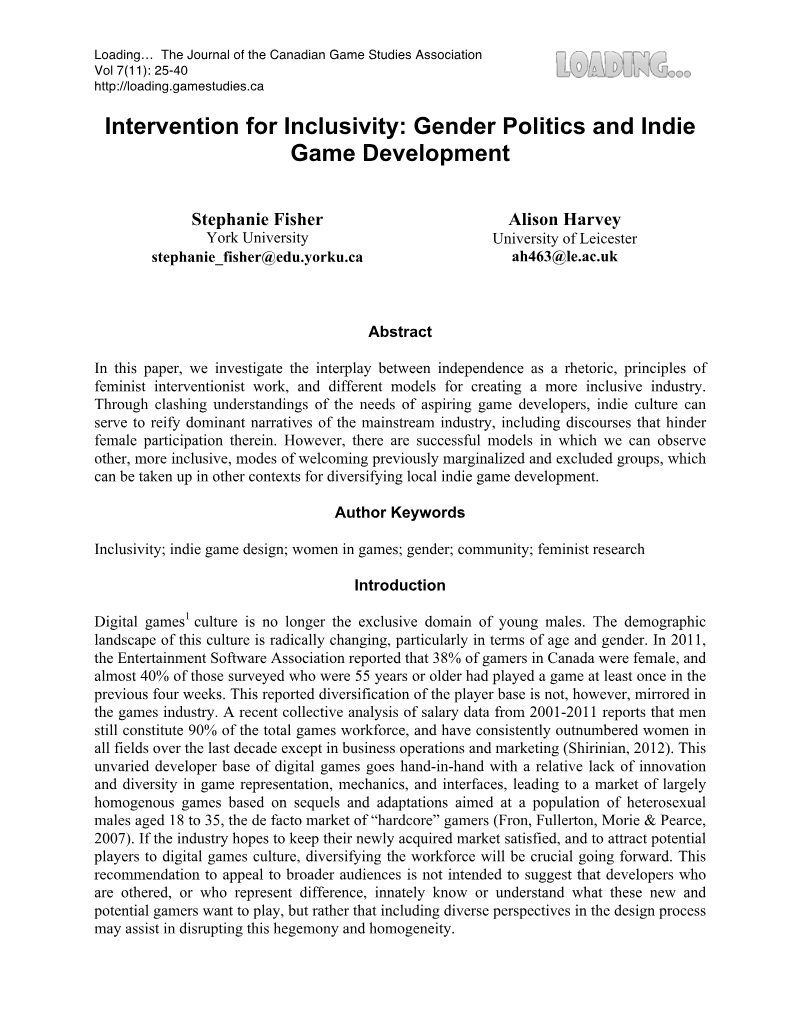
Intervention for Inclusivity: Gender Politics and Indie Game Development
The indie game development sector frequently positions itself as a progressive, anti-corporate alternative to mainstream industry practices, yet it remains characterized by significant homogeneity and entrenched exclusionary power structures.