Key insights
4 slides
Distinguishing realities
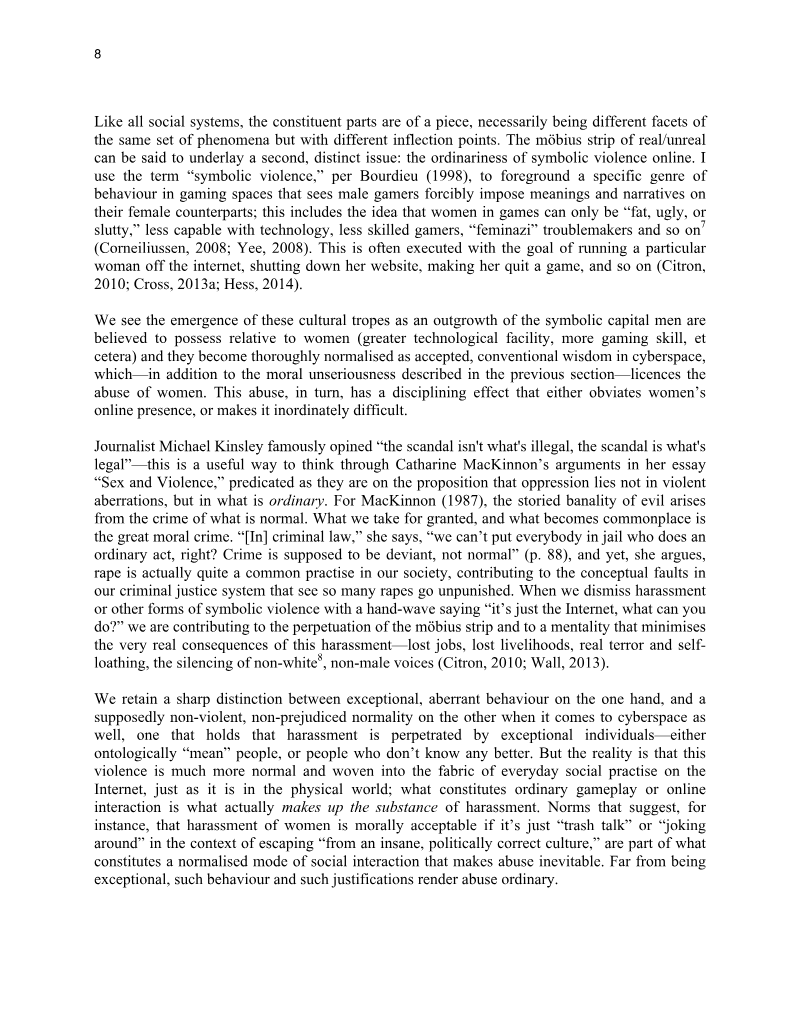
Players consistently distinguish between virtual obstacles and real-world morality.
Their focus is on strategic agency and mastering complex game mechanics. The violent nature of the content is secondary to these priorities.
Like a chess player focusing on strategy rather than the 'capture' of pieces, gamers prioritize the game's challenge.
1 / 4
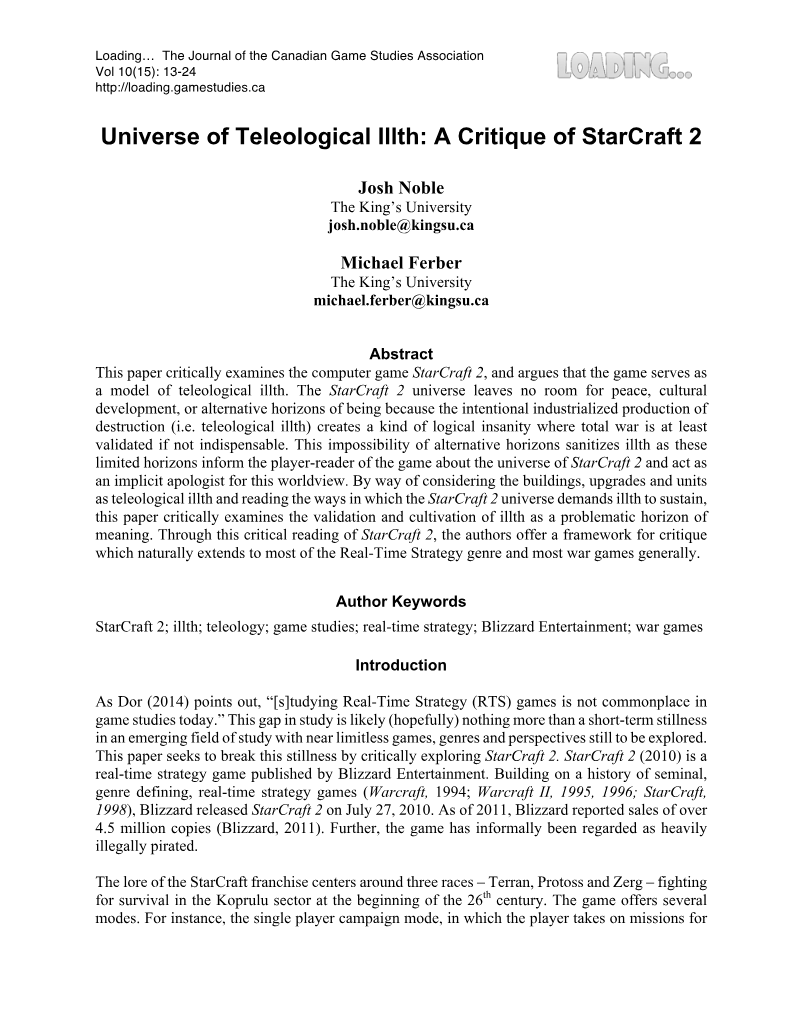
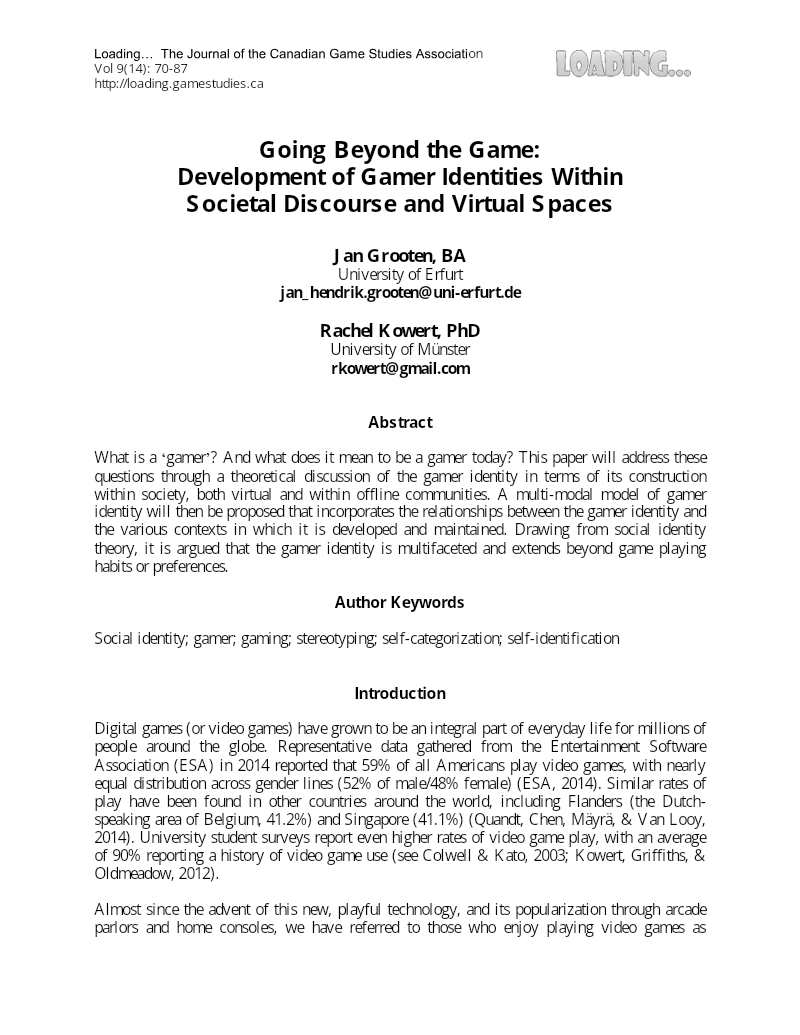
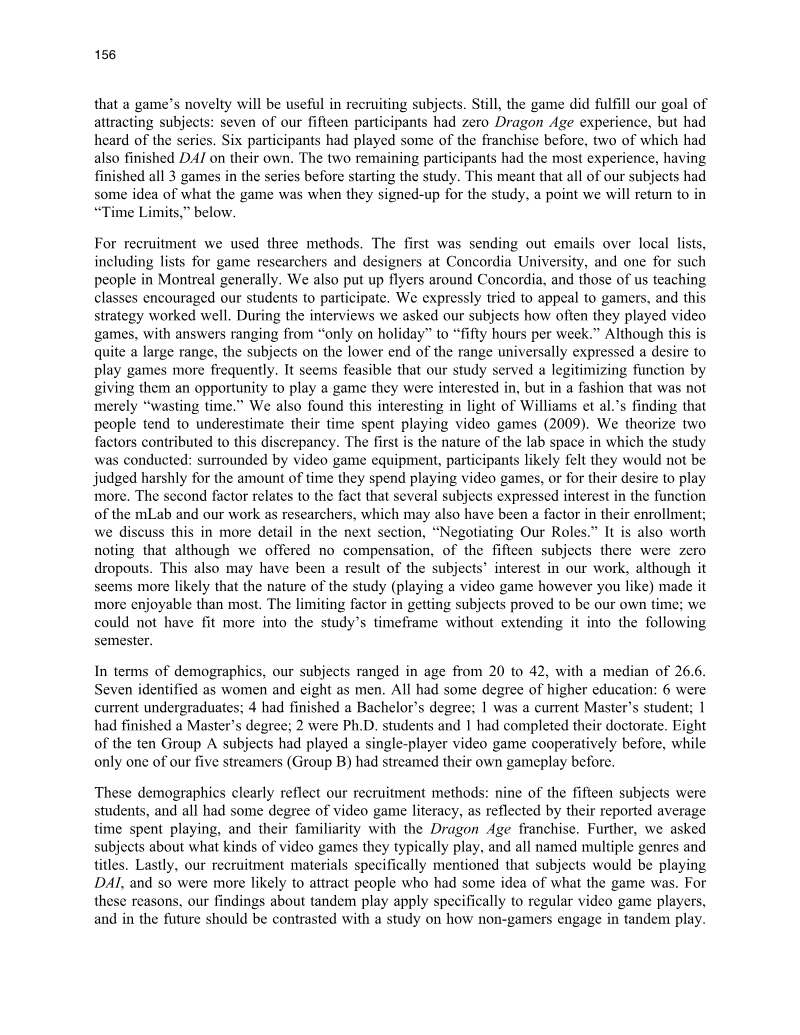
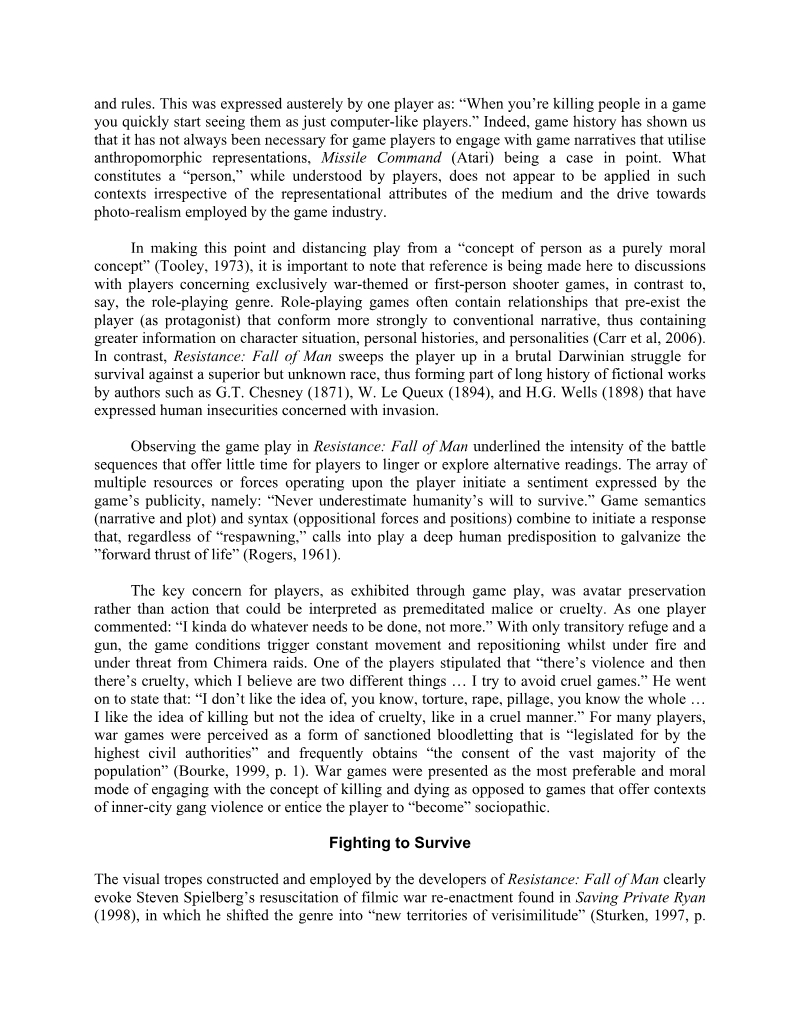
- 01A two-year qualitative study of 61 students indicates that players view violent game content as a functional component of rule-based systems rather than a catalyst for real-world aggression.See it on page 1
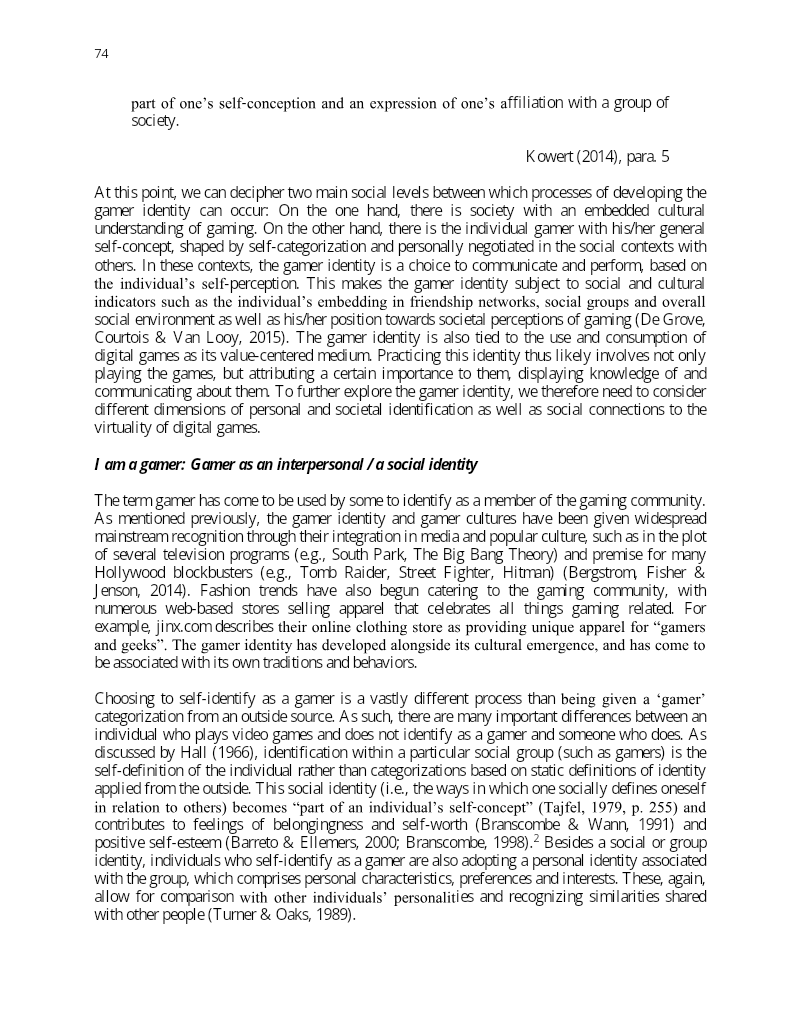
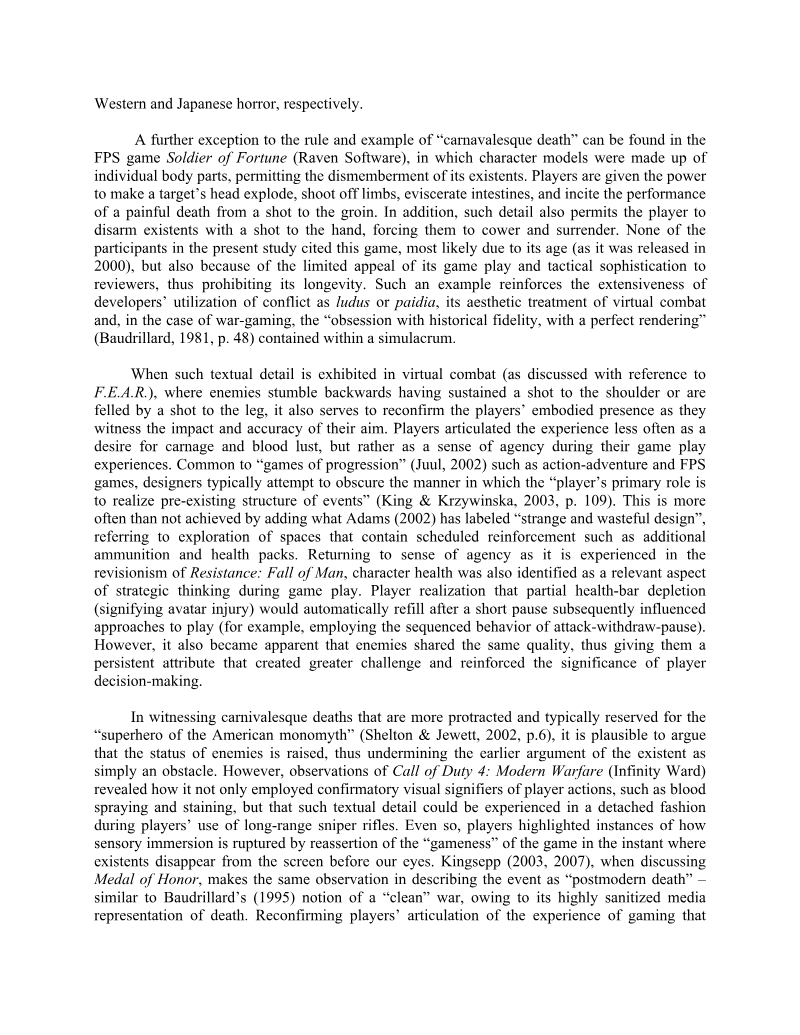
- 02Players consistently distinguish between virtual obstacles and real-world morality, prioritizing strategic agency and the mastery of complex game mechanics over the content's violent nature.See it on page 6
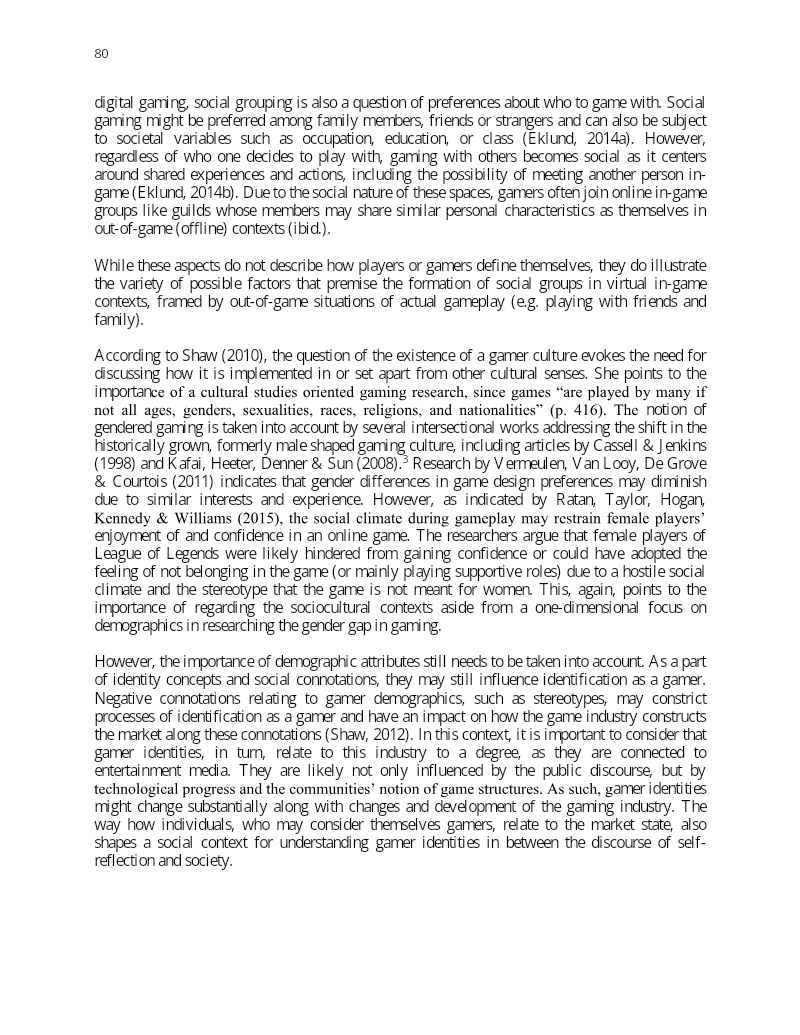
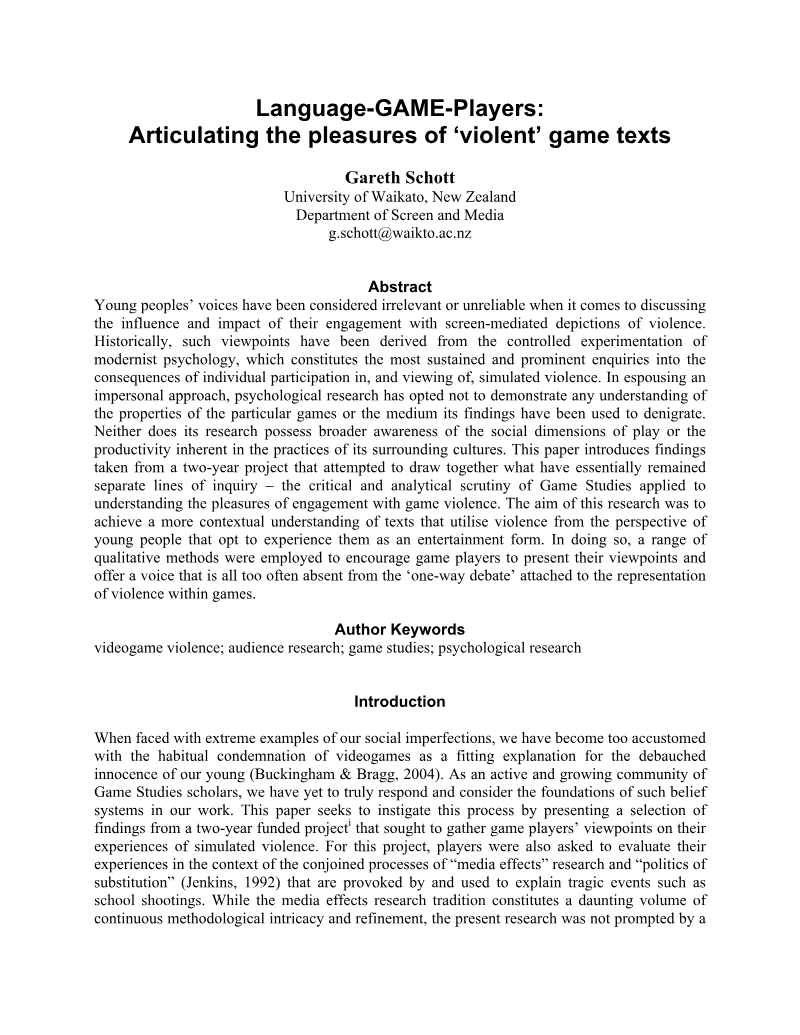
- 03First-person shooter engagement is primarily driven by performance challenges, aesthetic appreciation, and the desire to master structured, competitive frameworks.See it on page 8
- 04Gamers do not perceive in-game enemies as anthropomorphic victims, but rather as functional elements necessary for navigating the game's competitive environment.See it on page 6
- 05Public moral panic regarding digital violence stems from an institutional misunderstanding that fails to account for the diverse motivations and sophisticated taste practices of the gaming community.See it on page 1
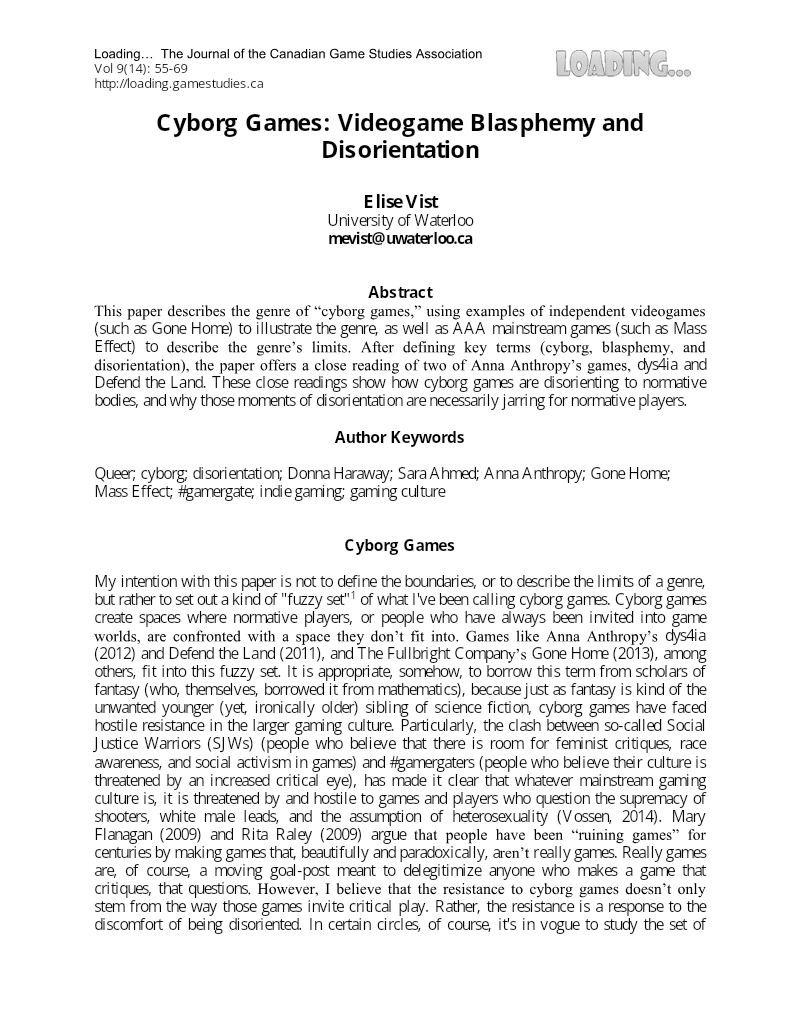
- 06Academic and public discourse should shift away from reductive media effects frameworks toward Game Studies, which better recognizes the active and creative role of the player.See it on page 2
Ask AI about this report
Summary
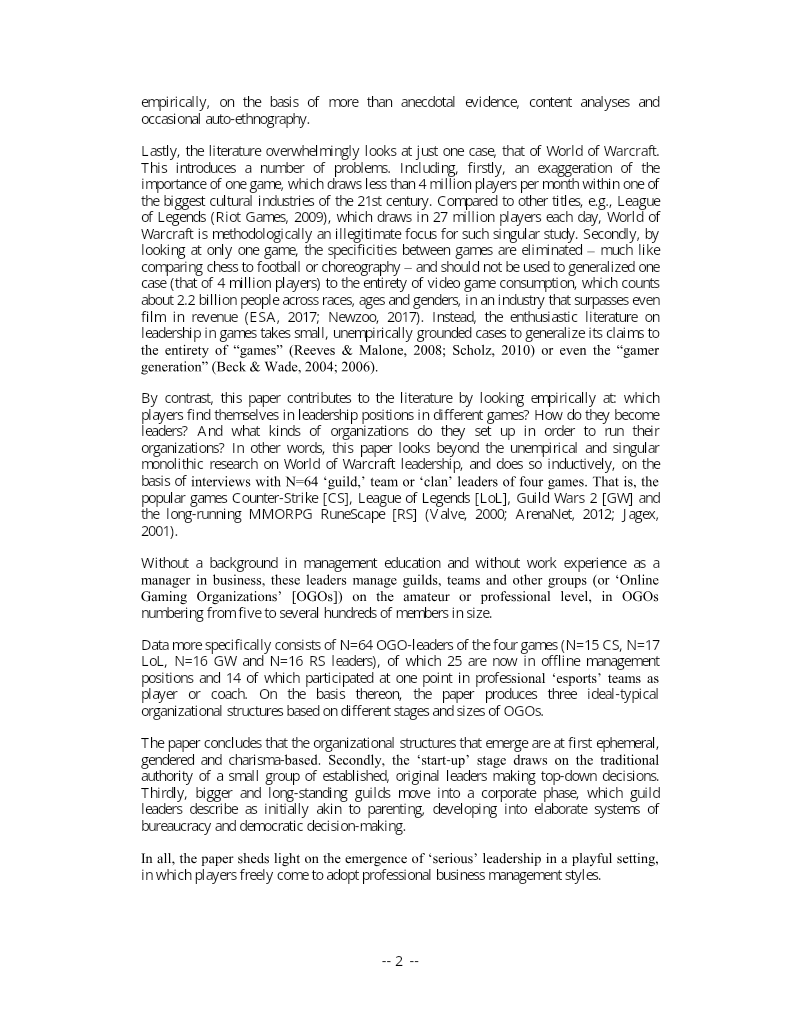
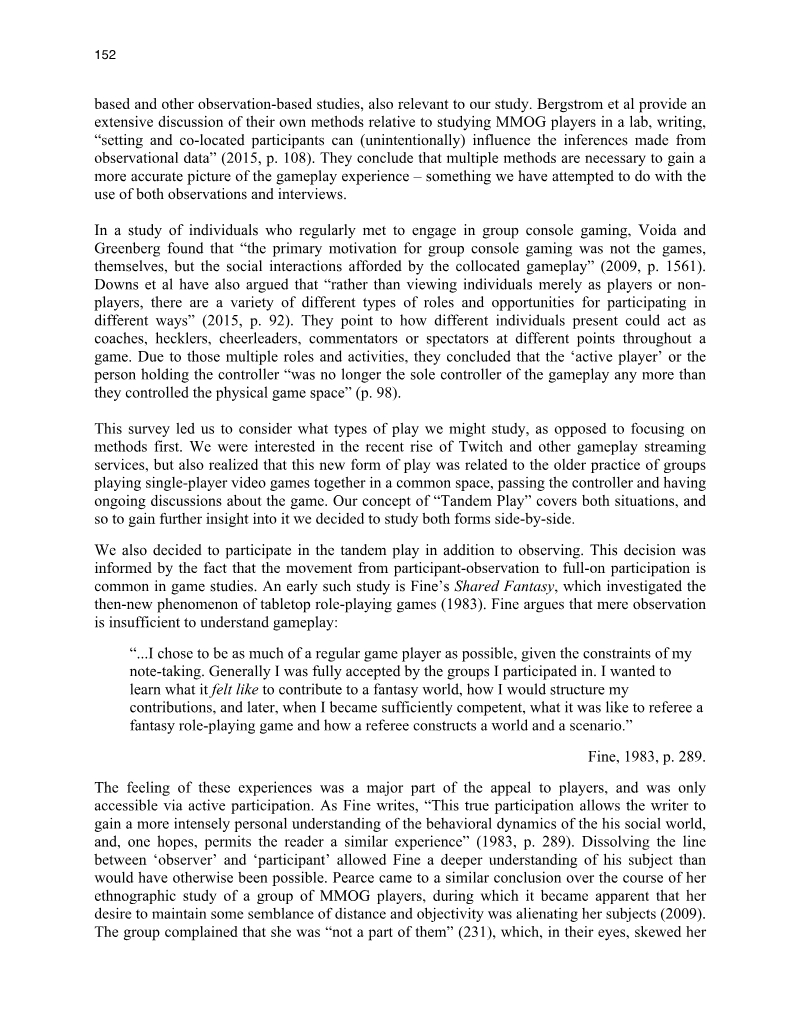
The prevailing discourse surrounding violent video games frequently relies on a media effects framework that fails to account for the nuanced perspectives of the gaming community. By prioritizing the lived experiences of young players, it becomes clear that the stigmatization of digital violence is largely a product of institutional misunderstanding. Rather than serving as a catalyst for real-world aggression, violent content functions as a tactical tool for conflict resolution and a necessary component of rule-based systems. Players consistently distinguish between the functional obstacles presented in a virtual environment and the moral implications of real-world violence, viewing their actions through the lens of strategic agency and narrative immersion.
This two-year qualitative study of 61 students reveals that the primary motivations for engaging with first-person shooters are rooted in performance challenges, aesthetic appreciation, and the mastery of complex game mechanics. Players do not perceive enemies as anthropomorphic victims but as functional elements within a structured, competitive framework. This disconnect between public moral panic and the actual player experience highlights a significant failure in traditional social science approaches to digital media. By failing to acknowledge the diverse taste practices and motivations of gamers, public discourse overlooks the sophisticated ways in which players derive pleasure from interactive texts.
Ultimately, the research advocates for a shift in the academic and public understanding of gaming, moving away from reductive concerns about harm and toward a more comprehensive analysis of player engagement. Game Studies offers a superior framework for interpreting these digital experiences, as it recognizes the active, creative role of the player. By validating the voices of those who interact with these texts, it is possible to move beyond simplistic narratives of violence and toward a more accurate, multifaceted appreciation of the pleasures inherent in modern gaming.