Key insights
6 slides
Core insight
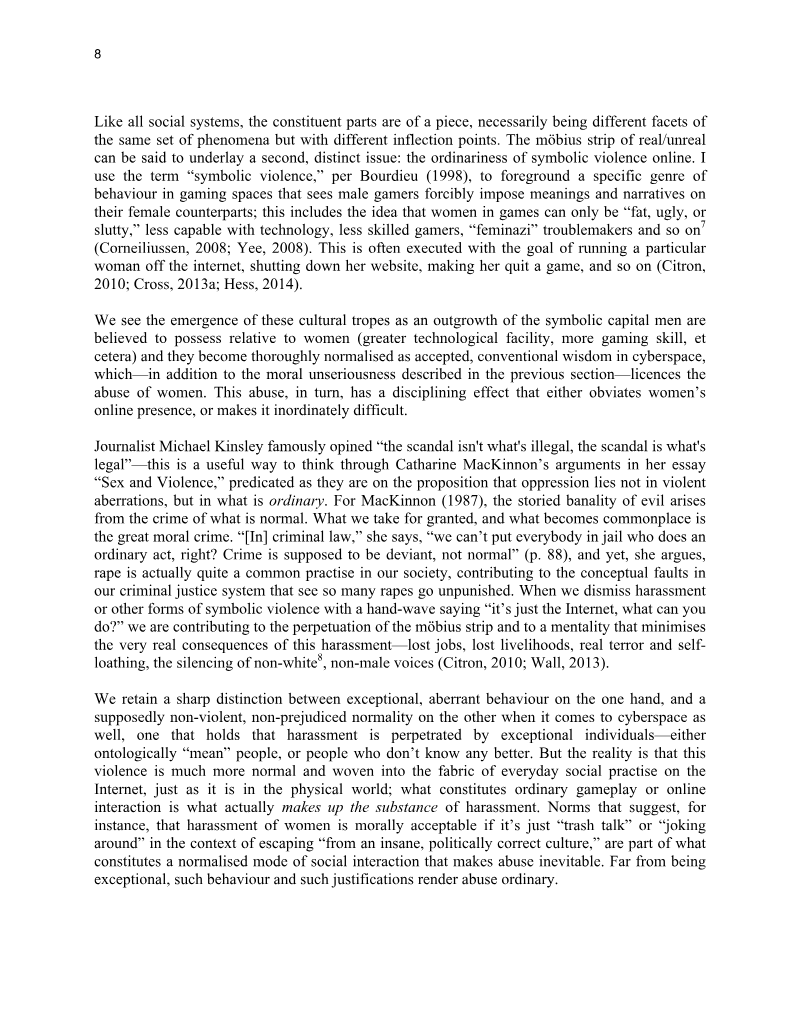
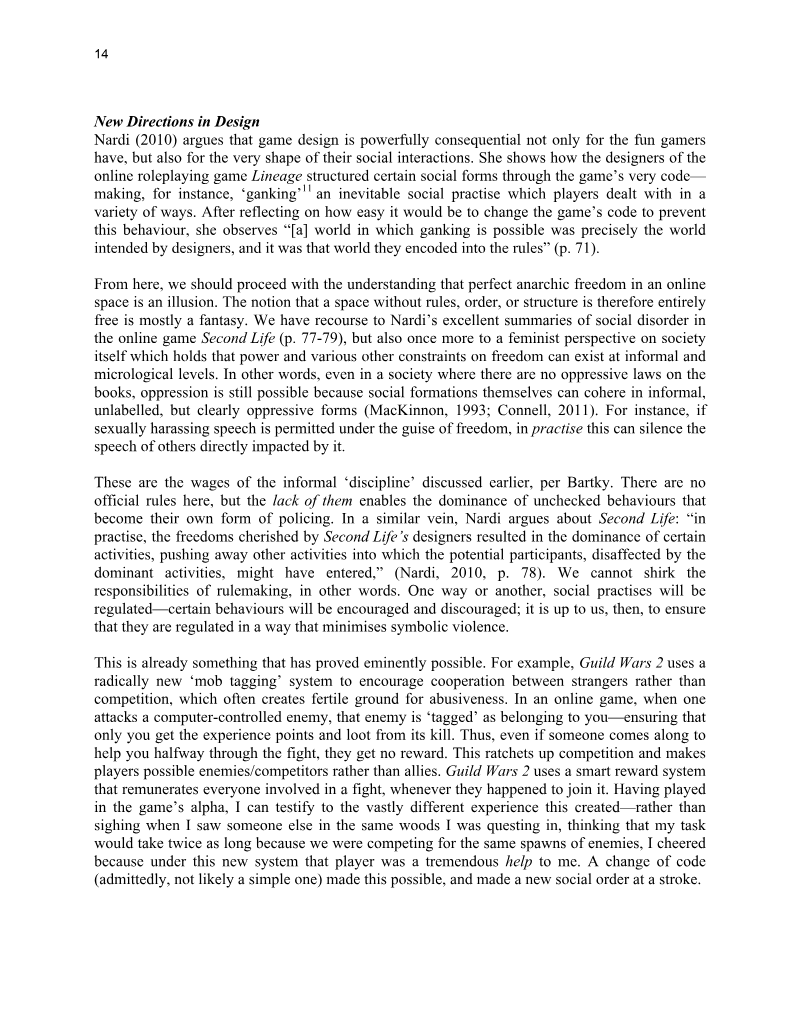
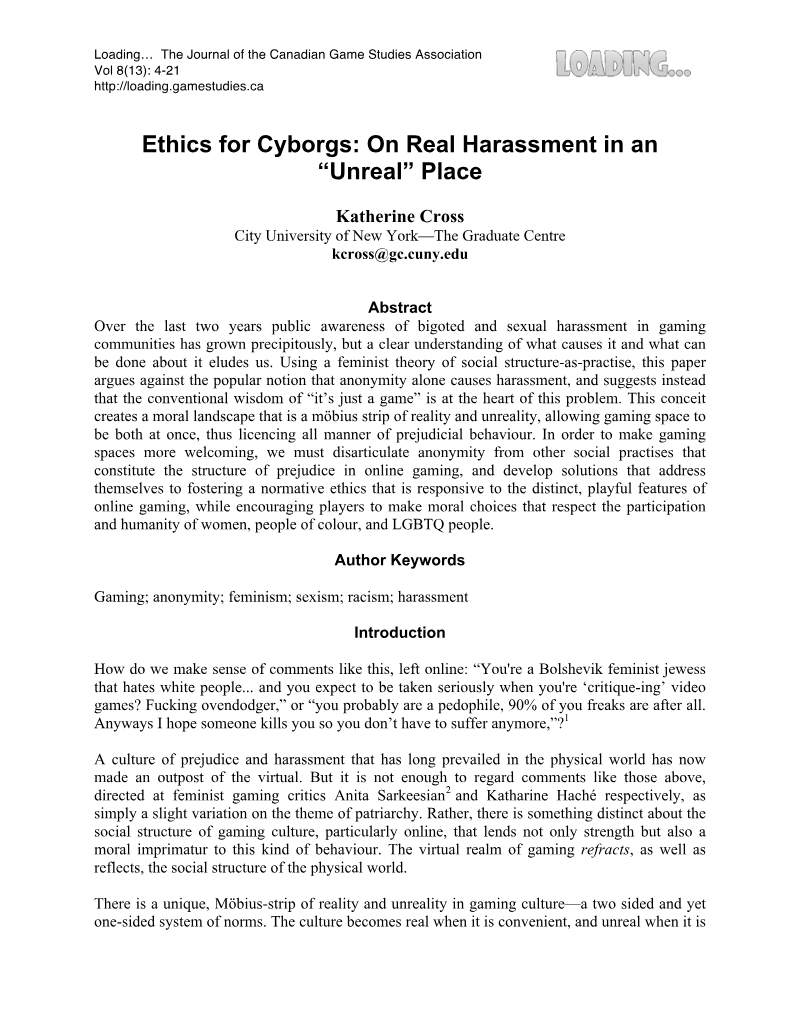
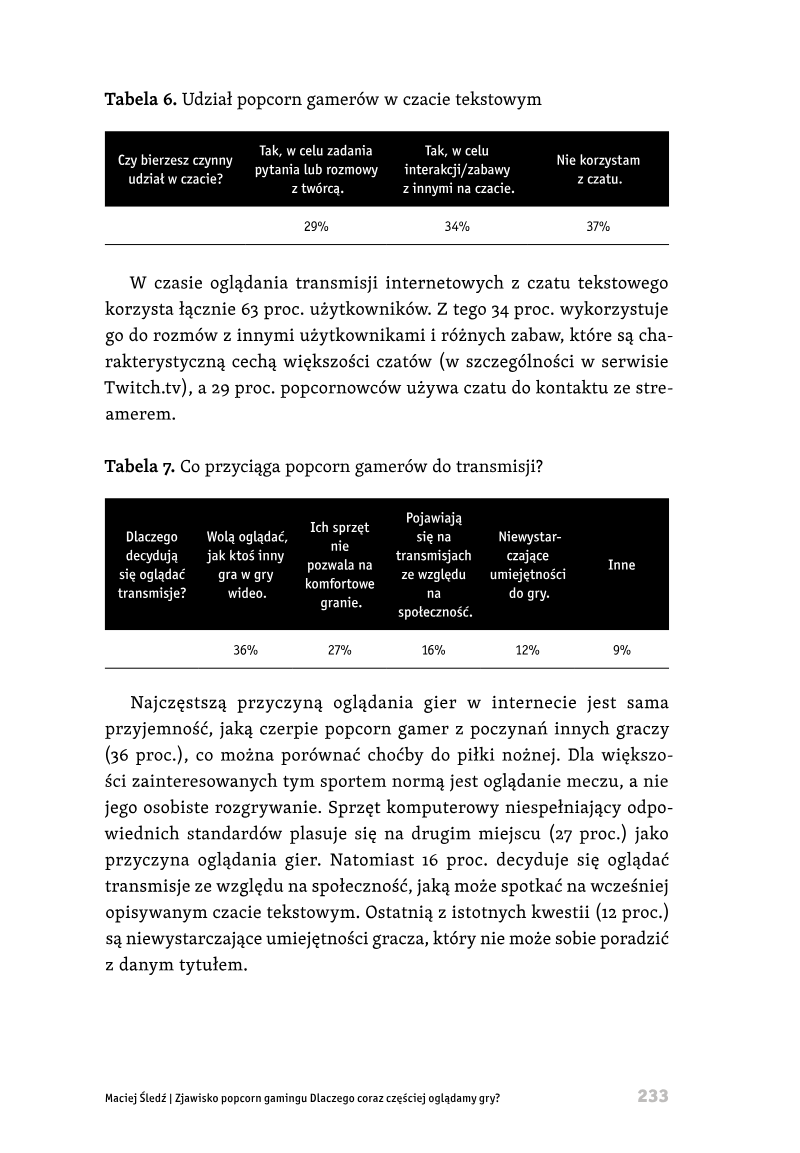
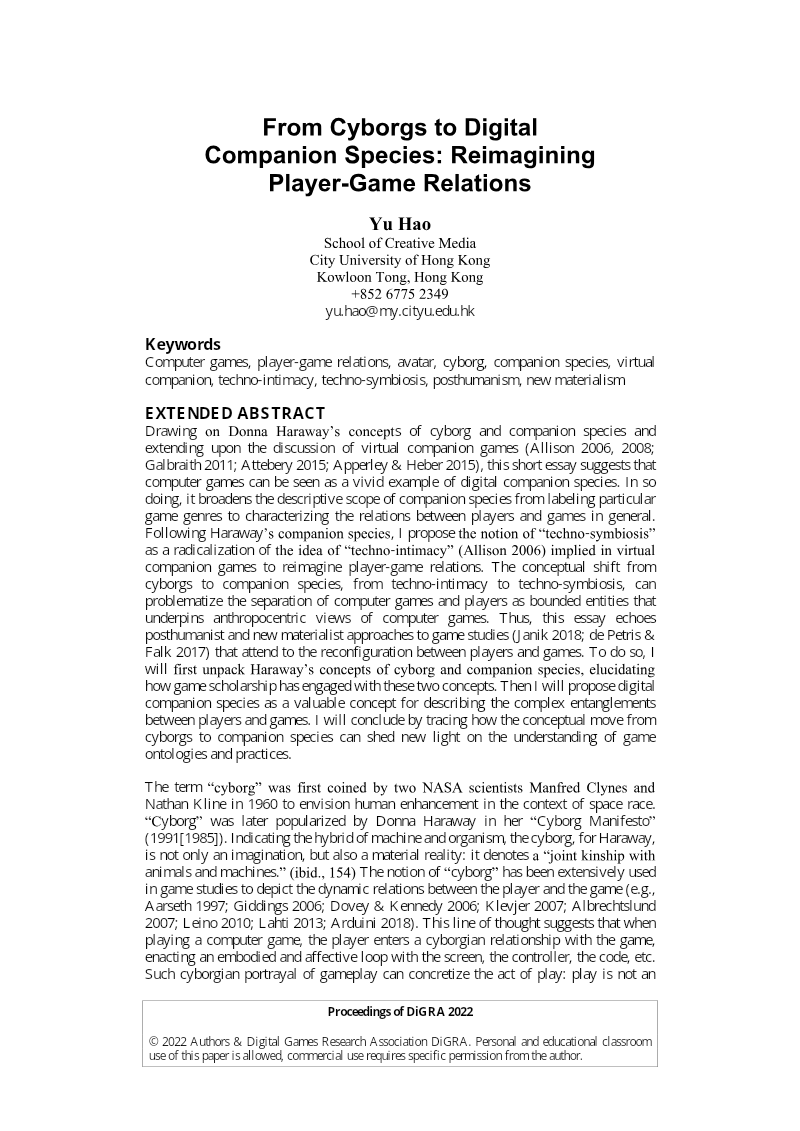
Digital gaming is an inherently social phenomenon that functions through complex social dependencies.
This perspective debunks the persistent myth of the isolated player seeking solitary vicarious thrills. Gaming involves an interplay between players, hardware, and software.

1 / 6
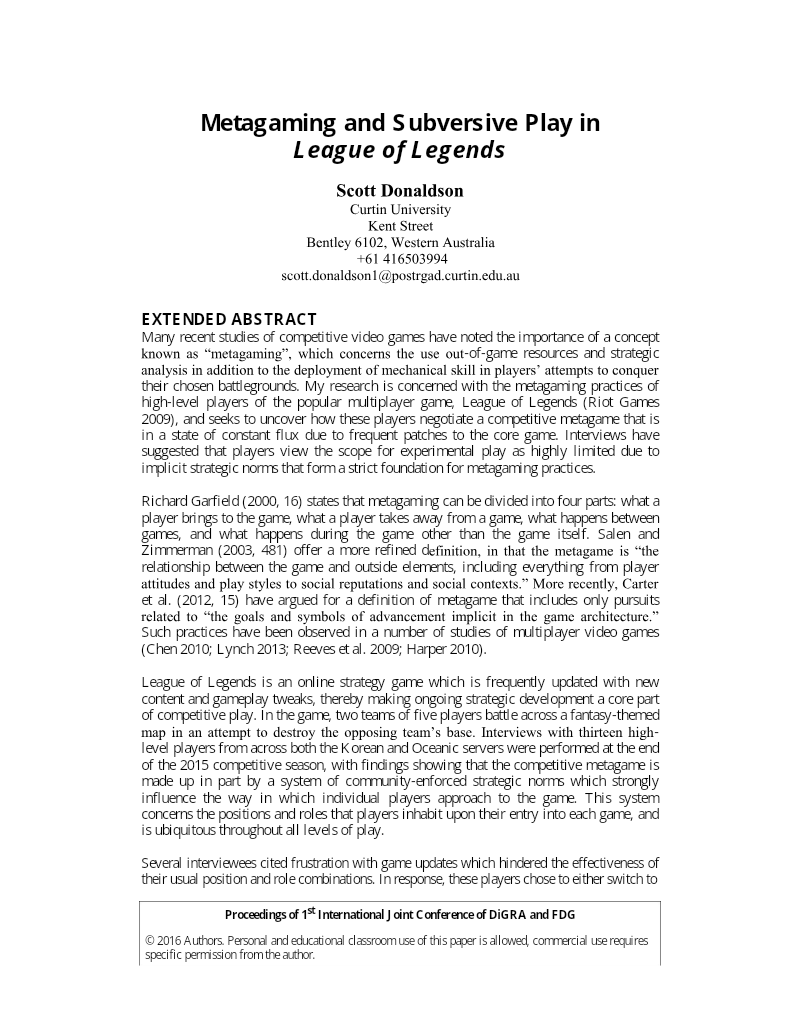
- 01Digital gaming is an inherently social phenomenon that functions through complex social dependencies, debunking the myth of the isolated player.See it on page 2
- 02All digital play should be analyzed through a multiplayer lens, as even solo gaming experiences are embedded within broader material and interpersonal environments.See it on page 10
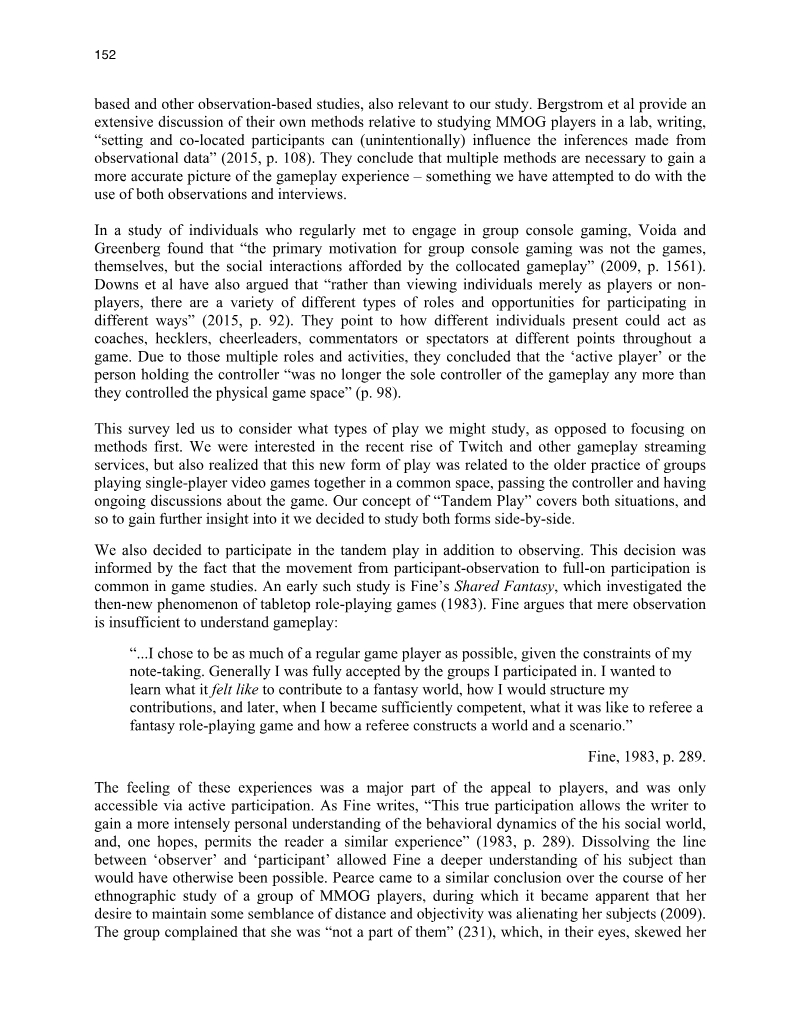
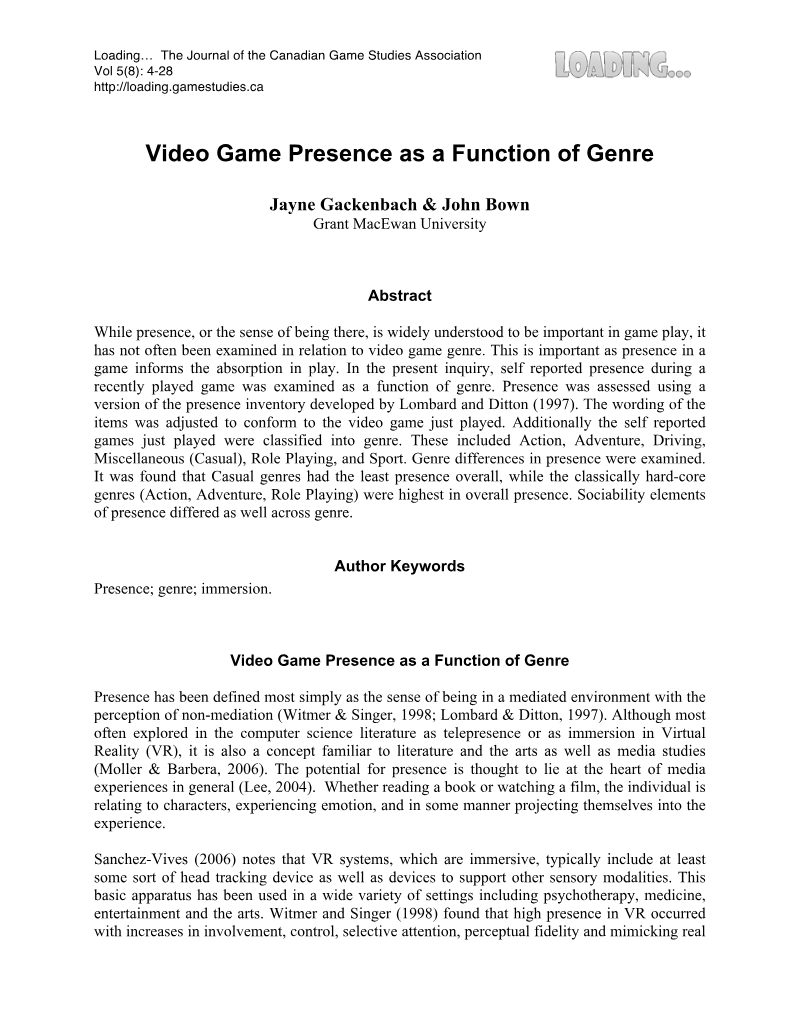
- 03The gaming experience is significantly influenced by the presence of others, including non-playing spectators, who impact a player's ability to maintain virtual immersion.See it on page 7
- 04Social dynamics in gaming are shaped by the tension between physical proximity and virtual interaction, with engagement styles shifting fluidly between solo and multiplayer modes.See it on page 4
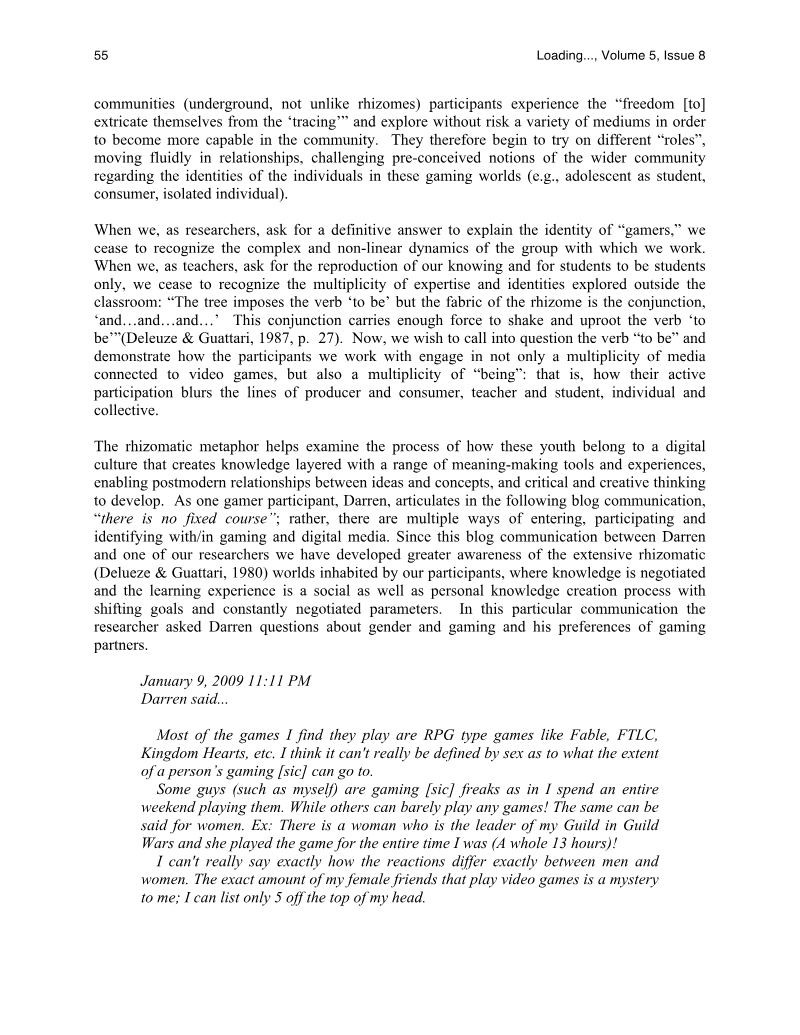
- 05The social significance of gaming is determined by how players perceive their immediate surroundings, whether they are physically alone or surrounded by others while playing.See it on page 11
- 06Researchers and industry analysts should prioritize the intrinsically social character of diverse play contexts rather than focusing on potential alienation.See it on page 11
Ask AI about this report
Summary
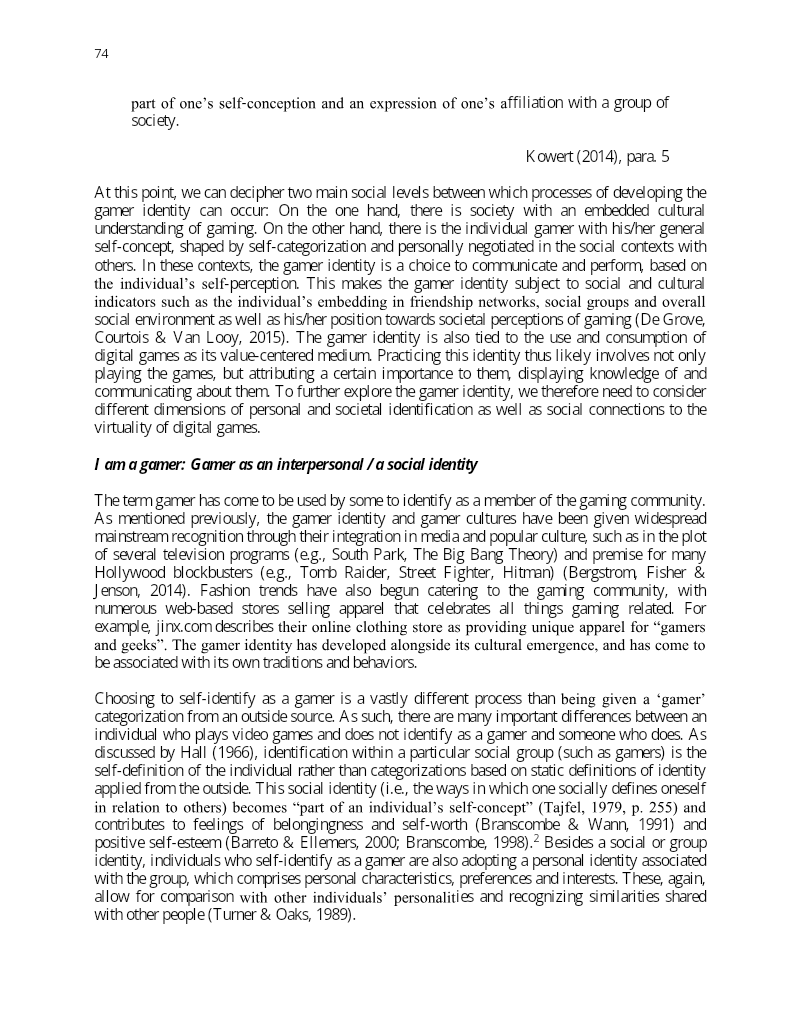
Digital gaming functions as an inherently social phenomenon, fundamentally challenging the persistent myth of the isolated player seeking solitary vicarious thrills. By examining the interplay between players, hardware, and software, gaming emerges as a complex arrangement of social dependencies and physical co-presence. This sociological framework, defined as social contextures, posits that even ostensibly solo gaming experiences are deeply embedded within broader material and interpersonal environments, necessitating a shift in perspective that views all digital play through a multiplayer lens.
The social dynamics of these encounters are shaped by the tension between physical proximity and virtual interaction. Drawing on Goffmanian analysis, the presence of others—including non-playing spectators—exerts a significant influence on the gaming experience and the player’s ability to maintain immersion within the virtual environment. While online platforms facilitate shared digital spaces, these remain distinct from face-to-face interactions, with the nature of social engagement shifting fluidly as players transition between solo and multiplayer modes.
Ultimately, the social significance of digital gaming is rooted in how players perceive their immediate surroundings, whether they are navigating a crowded virtual world while physically alone or engaging in online play while surrounded by family. Analysts must prioritize this intrinsically social character of diverse play contexts rather than focusing on potential alienation. By recognizing that gaming is a multifaceted social activity, researchers can better understand how digital play structures human connection across various physical and virtual landscapes.