Canadian Game Studies Association
Organization39 reports · 24 articles
63 reports, presentations and talks by Canadian Game Studies Association in the Game Industry Library, the newest ““It’s Almost Too Intense:” Nostalgia and Authenticity in Call of Duty 2” (2007).
Documents
Article
“It’s Almost Too Intense:” Nostalgia and Authenticity in Call of Duty 2
The analysis examines the intersection of nostalgia, authenticity, and consumer culture within the 2005 video game Call of Duty 2.
- Call of Duty 2 (2005) functions as a psychological escape from the geopolitical complexities of the War on Terror by offering a sanitized, binary narrative of World War II.
- The game utilizes a 'retroscape' strategy, employing the visual and auditory aesthetics of classic war films like Saving Private Ryan and Band of Brothers to manufacture a sense of historical authenticity.
- The title’s perceived authenticity is limited to superficial sensory immersion, intentionally omitting the human, political, and social costs of war such as civilian casualties and systemic violence.
Canadian Game Studies AssociationMar 2007
Whitepaper13 pages
Alert Hockey: An Endogenous Learning Game
The research evaluates the effectiveness of an implicit learning mechanism in a sports-action video game titled Alert Hockey, which aims to reduce aggressive and negligent behaviors in youth hockey players.
- Integrating educational objectives directly into core gameplay mechanics—rather than treating them as external tasks—significantly improves behavioral outcomes while maintaining player engagement.
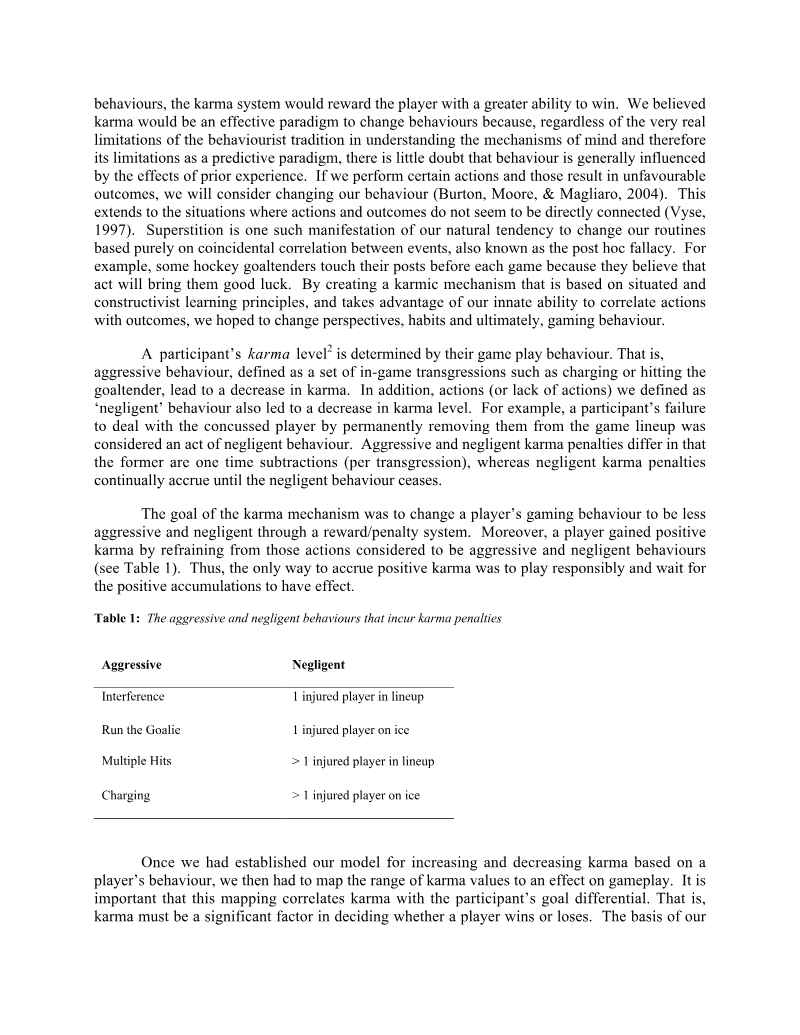
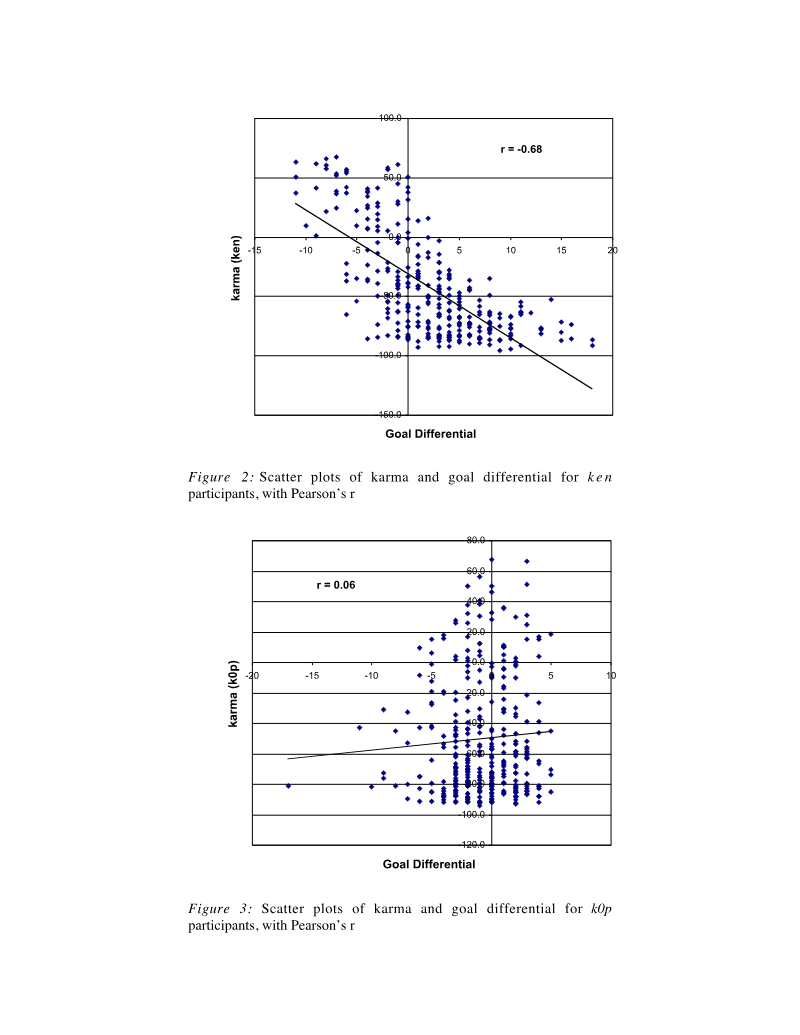
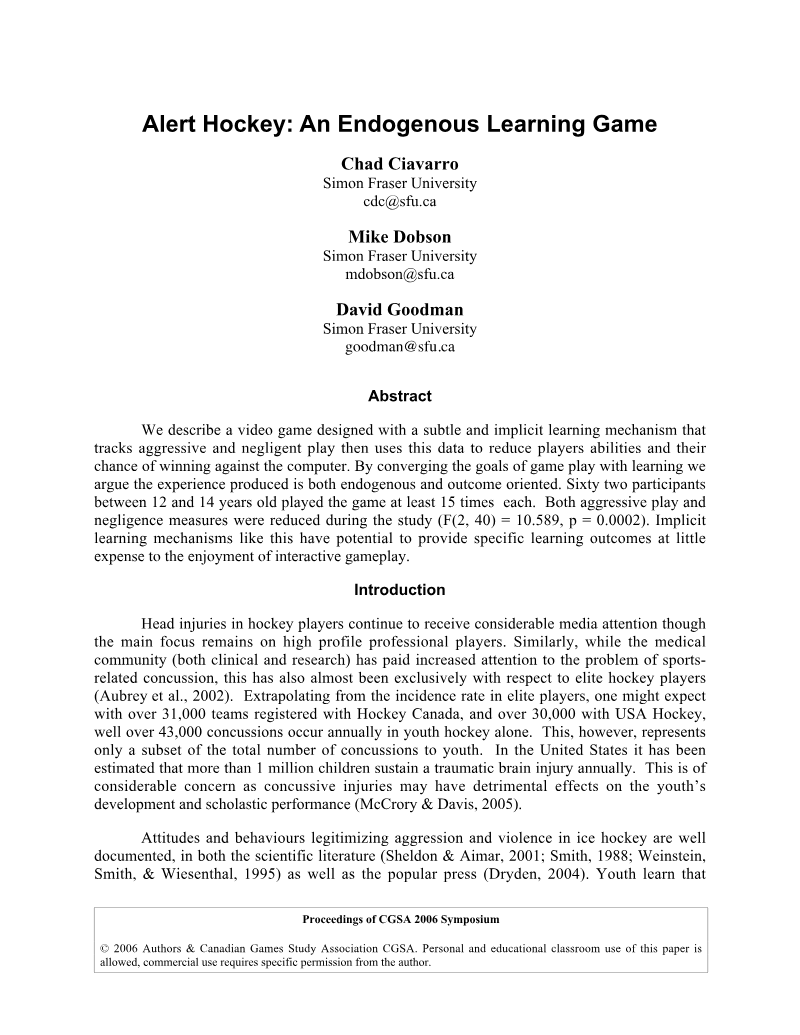
- In a study of 62 youth hockey players aged 12 to 14, an implicit learning mechanism successfully shifted player behavior toward safer playstyles through a karma-based reward system.
- The experimental group demonstrated a significant linear improvement in behavior scores over three sessions, with statistical significance confirmed at F(2, 40) = 10.589 and p = 0.0002.
Canadian Game Studies AssociationMar 2007
Whitepaper10 pages
Games and Narrative: An Analytical Framework
This analysis addresses the academic tension between ludology and narratology by identifying two primary sources of conceptual confusion: the nature of immersion and the reliance on the traditional narrative arc.
- Traditional narrative arcs are ineffective for interactive media because player agency inherently disrupts the authorial control required for linear storytelling.
- Games should be analyzed through a framework of five granular parameters: storyworld, character, emotion, narrative interface, and micro-narrative.
- Narrative engagement in games is defined by praxis, or the story as enacted, rather than the passive diegetic or mimetic modes found in cinema and literature.
Canadian Game Studies AssociationMar 2007