Canadian Game Studies Association
63 reports, presentations and talks by Canadian Game Studies Association in the Game Industry Library, the newest “Translation and/as Interface” (2012).
Documents
Translation and/as Interface
Game translation functions as a critical interface that fundamentally shapes player experience, rather than serving as a mere post-production tool for market expansion.
Remember the Good Old Days?: Nostalgia, Retroscapes, and the Dungeon Crawl Classics
Goodman Games’ Dungeon Crawl Classics series serves as a primary case study in the strategic application of retroscapes, a design philosophy that leverages historical aesthetics to market contemporary tabletop role-playing content.
- Goodman Games utilizes 'retroscapes' to market contemporary tabletop content by replicating the visual and structural aesthetics of 1970s and 1980s TSR-era modules.
- The Dungeon Crawl Classics series targets an aging demographic of gamers who are alienated by the mechanical complexity of modern tabletop role-playing editions.
- The publisher builds brand legitimacy by commissioning original illustrators from the early tabletop era to incorporate authentic motifs, typography, and artistic styles.
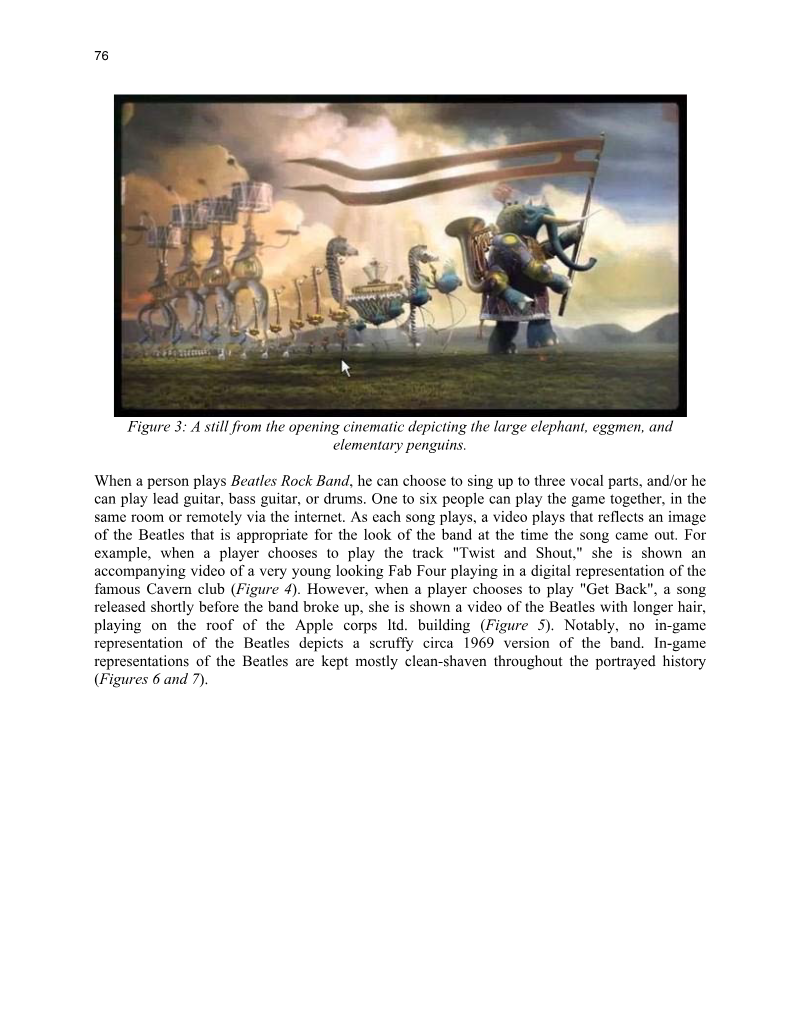
When I'm Sixty-Four: Beatles Rock Band and the Commodification of Nostalgia
Beatles Rock Band serves as a primary case study for the commodification of nostalgia within the interactive entertainment industry.
- Beatles Rock Band functions as a documentary simulation that prioritizes brand preservation and corporate-friendly myth-making over historical accuracy.
- The game commodifies nostalgia by stripping away the Beatles' complex political activism and countercultural history to maximize appeal across broad demographics.
- The software acts as a tool for capital accumulation by presenting a curated, hyperreal version of the past that reinforces dominant cultural narratives.
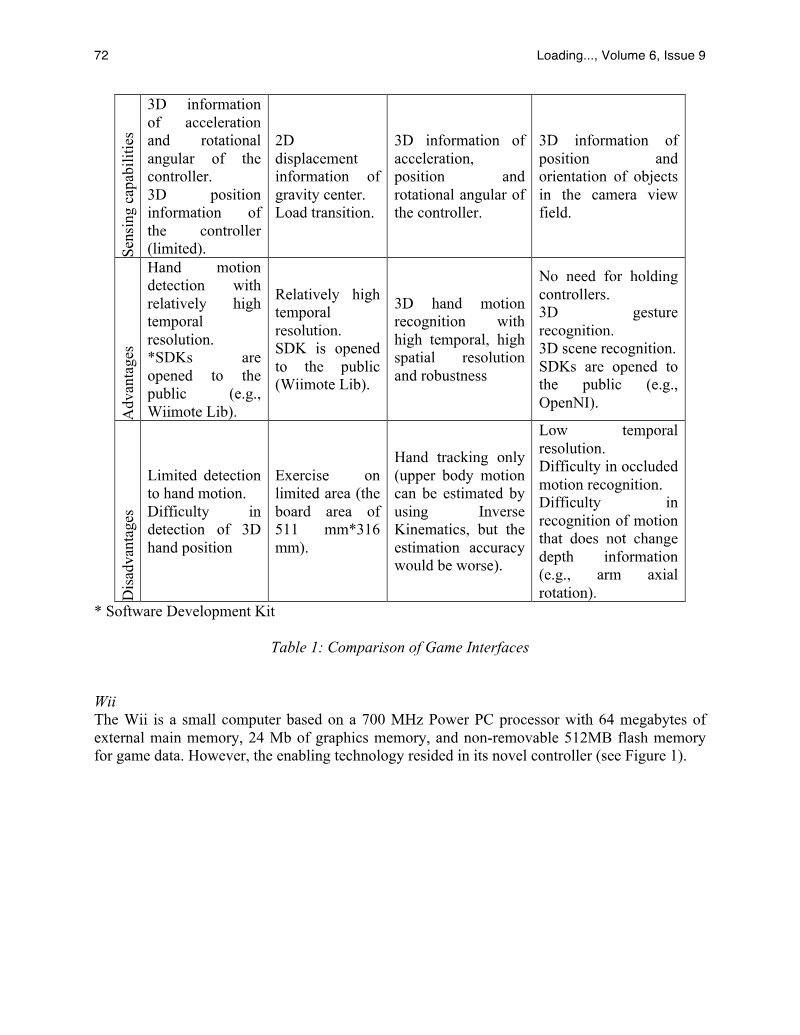
A Comparison of Exergaming Interfaces for Use in Rehabilitation Programs and Research
Consumer exergaming interfaces, including the Nintendo Wii, Sony PlayStation Move, and Microsoft Xbox 360 Kinect, hold significant potential for clinical rehabilitation and therapeutic research.
Playing Attention: A Psychoanalytic Reading of Game Mechanics in Ico
Video games function as complex psychological spaces where mechanics serve as conduits for unconscious phantasy.
- Game mechanics in Ico function as a developmental allegory that mirrors the transition from a paranoid-schizoid state to the depressive position, as defined by Melanie Klein’s object-relations theory.
- The act of holding hands with and protecting the character Yorda serves as a symbolic enactment of infantile attachment and the management of object-relations.
- The game controller acts as a primary internal object, facilitating the player’s projective and introjective identifications with the avatar.
Crafting Play: Little Big Planet
LittleBigPlanet serves as a pivotal case study in the evolution of the gaming industry, marking a transition from traditional games-as-product models toward a sustainable games-as-service framework.
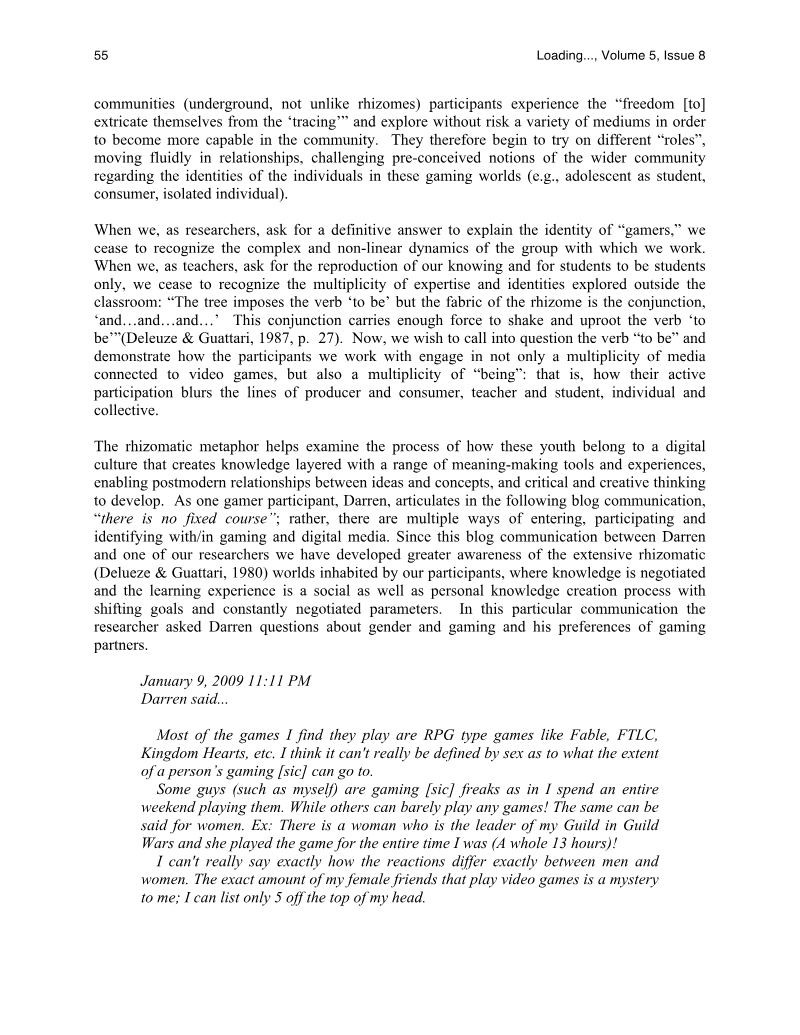
Playing with World War II: A Small-Scale Study of Learning in Video Games
World War II first-person shooters function as significant tools for informal historical learning, moving beyond simple factual memorization to shape how teenagers conceptualize the past.
- World War II first-person shooters function as informal learning tools that shape how teenagers conceptualize history beyond simple factual memorization.
- Historical understanding in games is a mediated action resulting from the interaction between a player’s existing knowledge, gaming habits, and emotional responses.
- Engagement with these games follows a three-level progression: the spark of interest, the formation of preconditioned expectations, and the adoption of games as a primary interpretive resource.
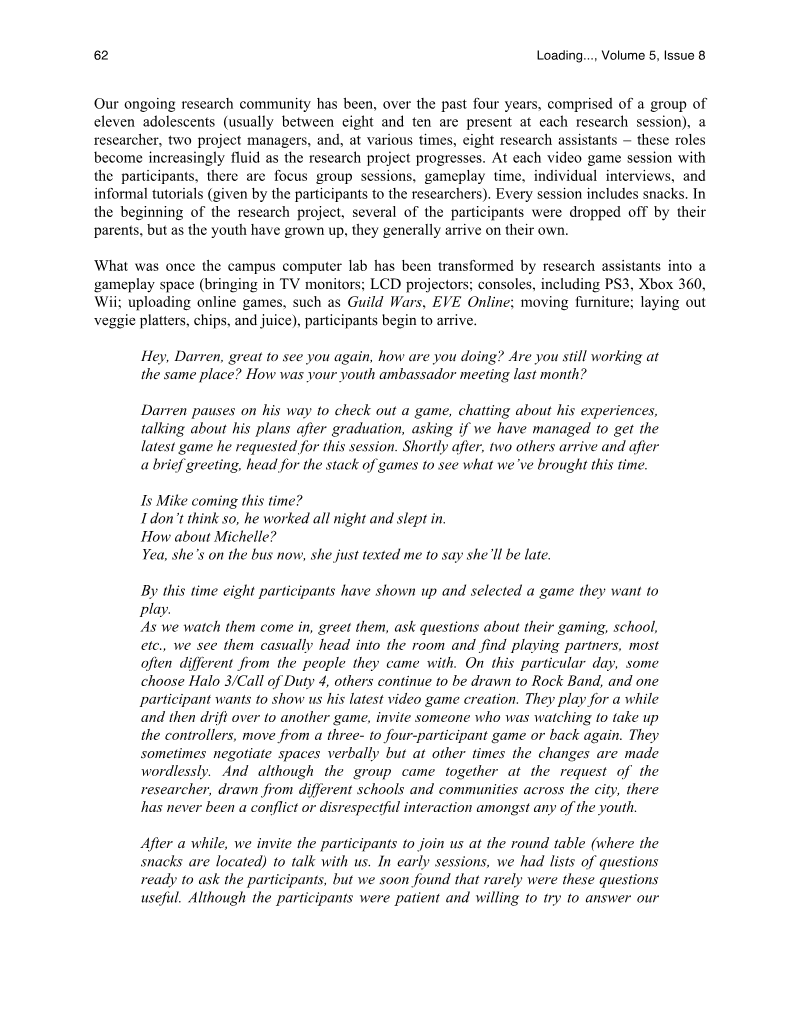
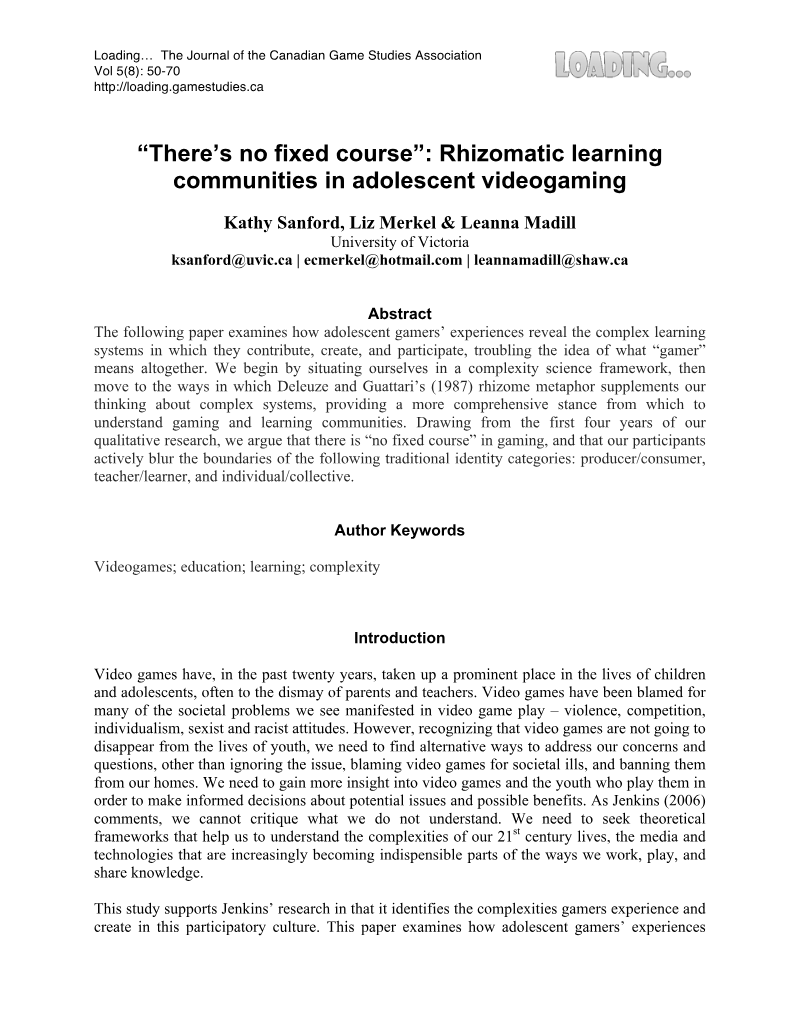
“There’s no fixed course”: Rhizomatic learning communities in adolescent videogaming
Adolescent gaming communities operate as decentralized, rhizomatic networks that fundamentally challenge traditional educational paradigms.
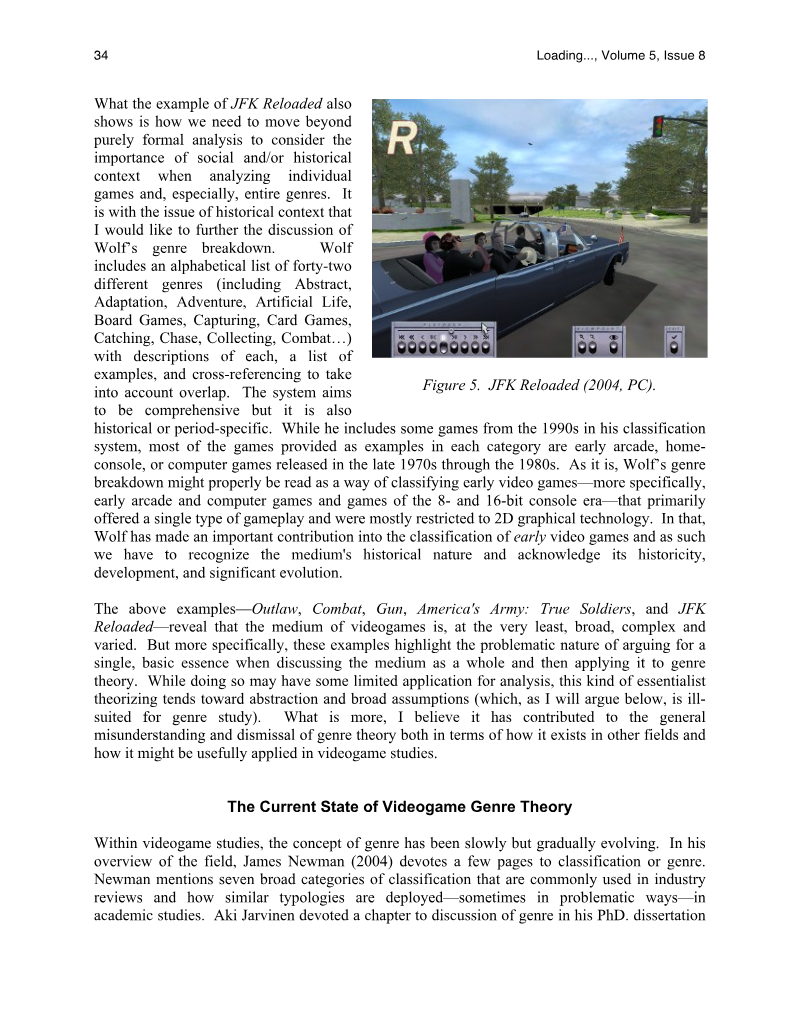
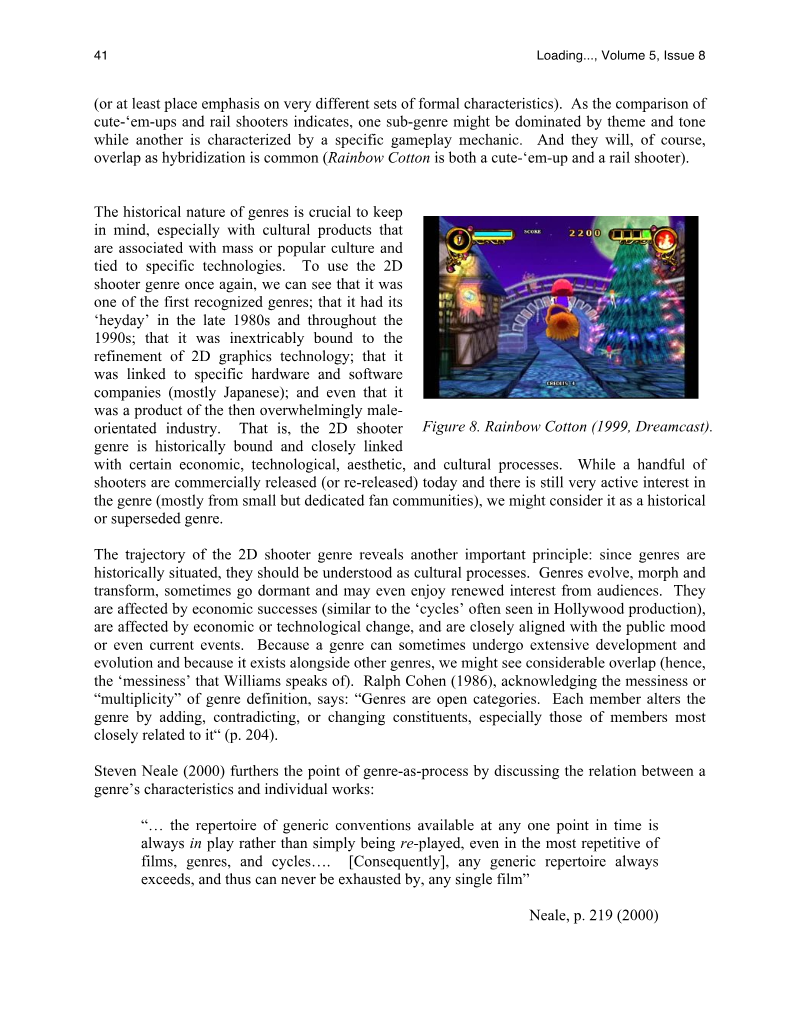
What Defines Video Game Genre? Thinking about Genre Study after the Great Divide
Video game genre study requires a fundamental shift away from rigid, formalist taxonomies toward a holistic, multi-dimensional framework.
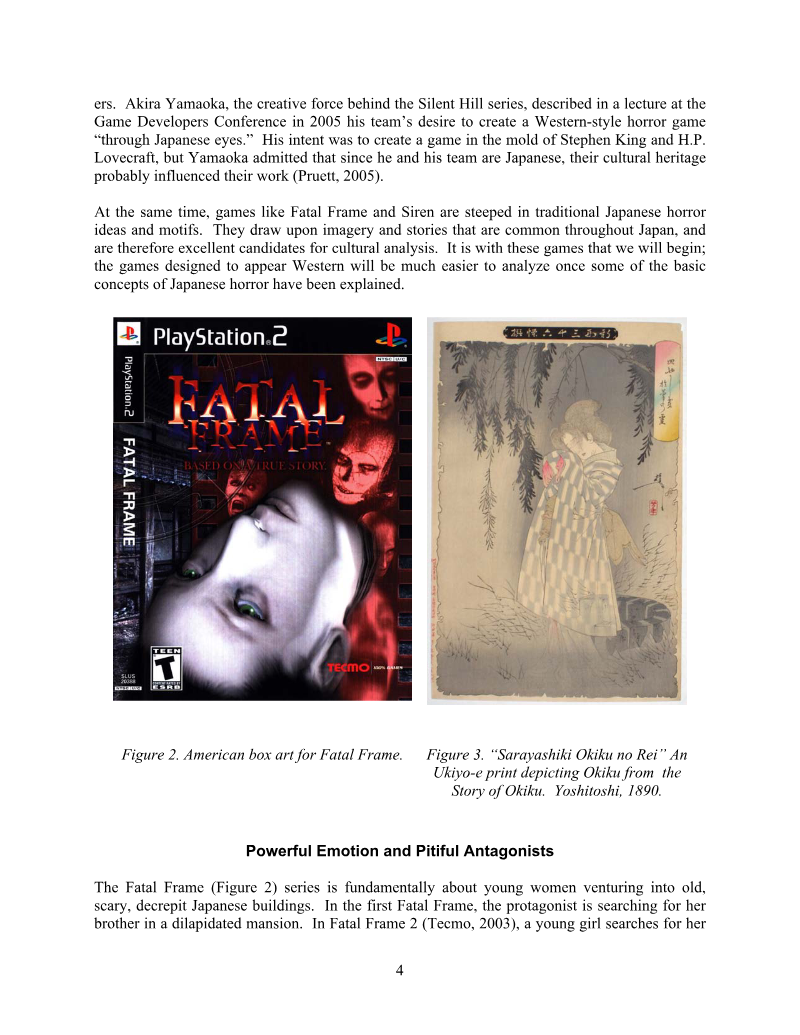

The Anthropology of Fear: Learning About Japan Through Horror Games
Japanese horror games function as a sophisticated cultural lens, revealing how traditional folklore and unique societal perspectives on death shape interactive media.
- Japanese horror games are fundamentally driven by 'onnen,' the belief that intense emotions from traumatic deaths manifest as vengeful spirits, and the ontological view that the spirit world is in constant proximity to the mortal plane.
- The genre serves as a cultural mirror, with developers integrating historical national anxieties—such as the 1995 tragedies and the rise of social cults—into narratives about family structures and social instability.
- Core cultural values remain the primary engine for narrative development in Japanese horror, persisting even in titles that adopt Western settings or casts.
Dracula Defanged: Empowering the Player in Castlevania: Symphony of the Night
Castlevania: Symphony of the Night fundamentally redefines the vampire mythos within the action-platformer genre by transitioning the vampire archetype from a source of existential terror to a vessel for player empowerment.
L'adaptation de films d'horreur en jeu vidéo: Émergence d'une horreur vidéoludique
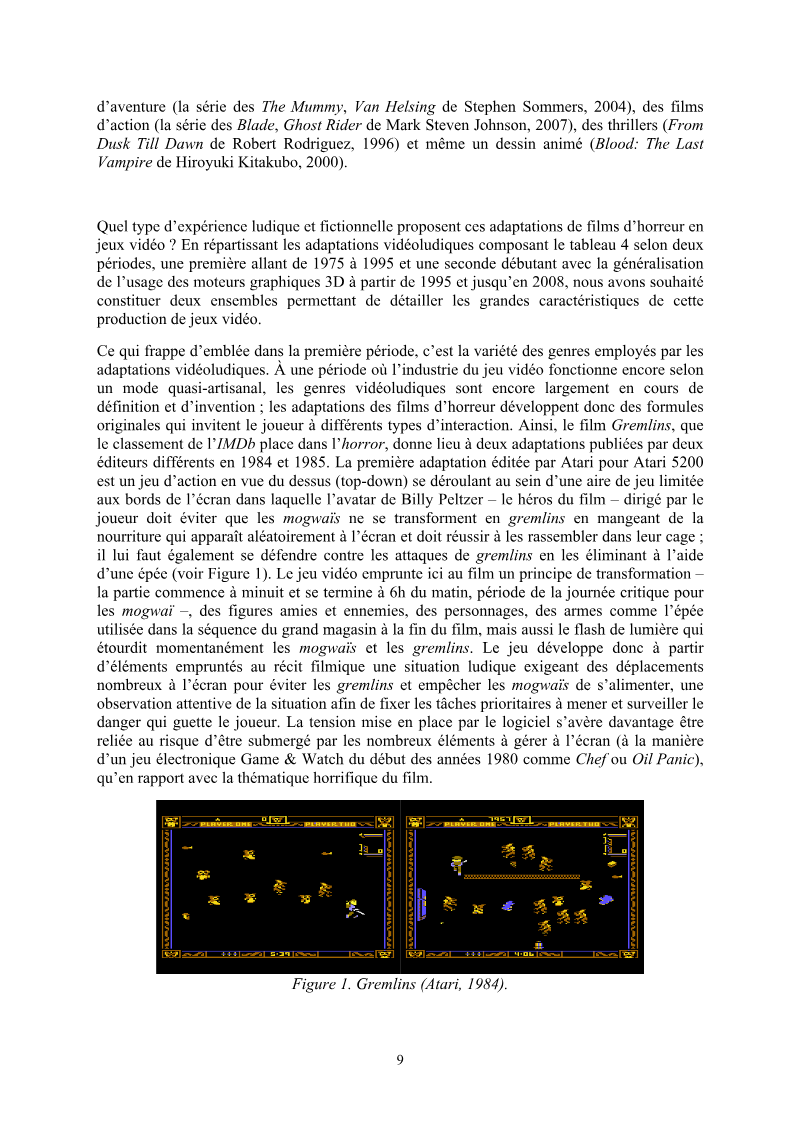
The adaptation of horror cinema into video games represents a significant intersection of media, characterized by the transition of iconic cinematic monsters into transmedia figures.
- Between 1975 and 2008, film-based video game adaptations accounted for approximately 10% of total industry production, with 88% of these titles originating from American cinema.
- The industry prioritizes commercial recognition by focusing on established, cult-status properties rather than simultaneous film-game releases.
- Adaptations frequently struggle with the tension between cinematic passivity and ludic agency, often defaulting to third-person shooter frameworks that dilute psychological horror into conventional action.