User Acquisition reports and market data
Documents
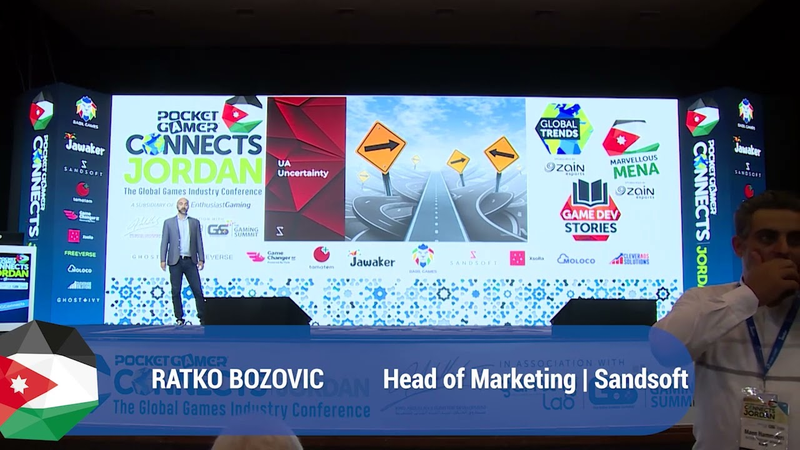
Successful User Acquisition Strategies During the Recession - Ratko Bozovic, from Sandsoft
The mobile gaming industry faces significant headwinds due to the current global economic recession, characterized by declining consumer spending and increased operational complexity.
- Despite a recent contraction in mobile gaming revenue over the last three quarters, the industry is projected to grow by over 50 percent in the next eight years with an annual growth rate of five to ten percent.
- Developers should shift from brand-focused marketing to performance-based channels, utilizing media mix modeling and incrementality testing to eliminate ad waste and optimize return on investment.
- Companies must secure sufficient financial runway through credit lines or partnerships to account for extended user payback periods caused by current economic pressures.

Trends in AI for UA in Mobile Games - Phil Shpilberg, Head of Gaming at Pixis, GameChangersSF
Artificial intelligence is fundamentally transforming user acquisition (UA) in the mobile gaming industry by shifting from rules-based automation to self-learning systems.
- Integrating AI into user acquisition workflows delivers ROAS improvements ranging from 20% to 80% by optimizing budget management and bidding.
- AI systems outperform manual analysis by removing human bias and identifying high-value player segments that traditional demographic assumptions often overlook.
- Current AI marketing tools are primarily effective on platforms with API accessibility, such as Google and Facebook, which collectively represent 70% of total mobile game ad spend.
From Hyper to Hybrid: 2023 Follow-up
The mobile gaming landscape experienced a notable shift in monetization and user acquisition patterns between 2022 and the first half of 2023.
- In-app purchase (IAP) activity grew significantly between 2022 and H1 2023, with revenue increasing by 23% on Android and 24% on Apple platforms.
- On iOS, the United Kingdom, Canada, and Germany have displaced China and Saudi Arabia in the top five markets for installs, signaling a pivot toward Western regions.
- Google Ads became the top-performing network for Android installs in H1 2023, while AppLovin reclaimed the leading position for iOS installs.


State of Mobile 2023
Global mobile usage reached a record in 2023, with users spending an average of more than five hours per day on apps and total advertising expenditure projected at $362 billion, reflecting an 18.5% five-year CAGR.
- Global mobile advertising expenditure is projected to reach $362 billion, maintaining an 18.5% five-year CAGR, while daily user engagement on apps has surpassed five hours.
- Non-gaming verticals showed resilience with 11% growth in downloads, 9% in spend, and 14% in time spent, contrasting with a 5% decline in gaming consumer spend despite nearly 90 billion downloads.
- TikTok leads non-gaming monetization with over $3 billion in 2022 revenue and an ARPU of approximately $0.85, driven by high-price in-app purchases.

2023 Casual Gaming Apps Report
The casual gaming landscape in 2023 is defined by a strategic pivot from rapid user acquisition toward long-term profitability and sophisticated engagement models.
- Casual gaming now accounts for 74% of all mobile game installs and drives nearly 75% of mid-core game installations.
- Developers are shifting from volume-based user acquisition to hybrid models that blend ad-based revenue with in-app purchases to extend player lifecycles.
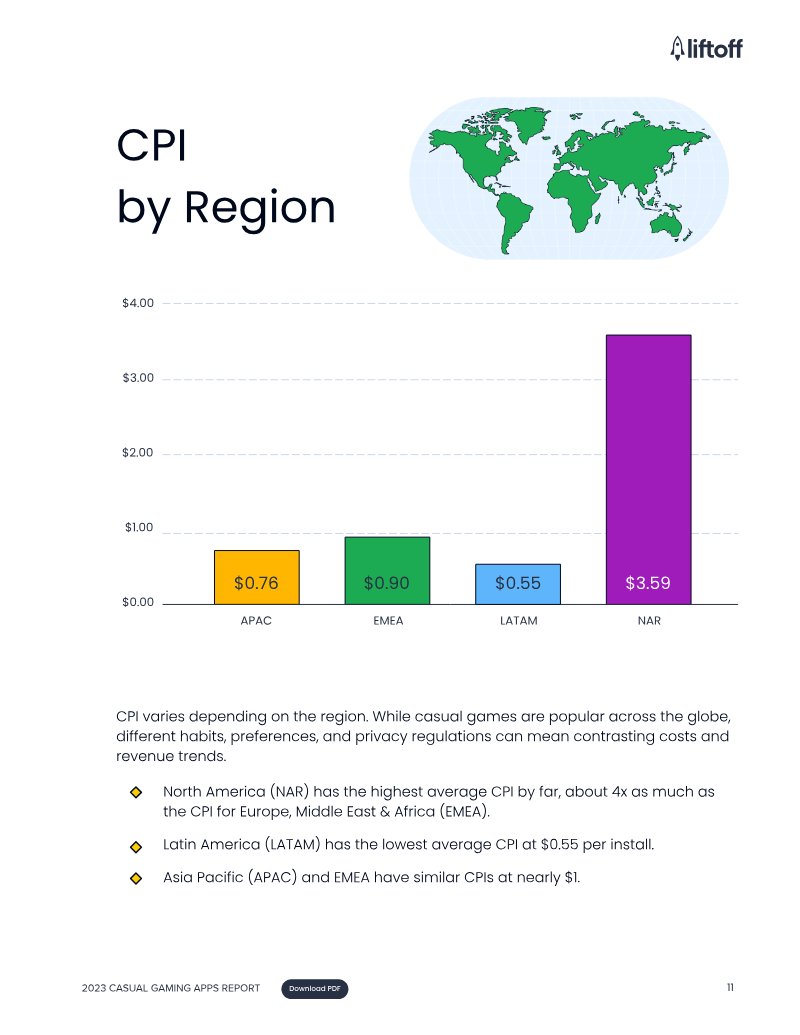
- North America remains the most expensive market with a $3.59 cost per install, yet it maintains a high 8.1% return on ad spend.

Q1 2023: Store Intelligence Data Digest
The global mobile app ecosystem experienced a slight contraction in early 2023, with total downloads falling 2.6% year-over-year to 35 billion.
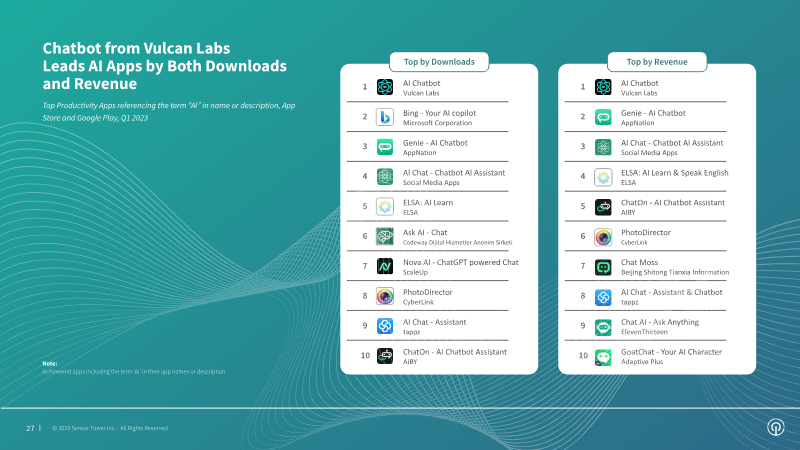
- AI-powered productivity tools experienced explosive growth in Q1 2023, with a 378% increase in downloads and a nearly 400% surge in revenue to $20 million.
- Temu captured a 50% market share in North American retail and surpassed Amazon in user engagement, averaging 64 minutes per user following its Super Bowl campaign.
- Global mobile app downloads contracted by 2.6% year-over-year to 35 billion, with 26.9 billion installs on Google Play and 8.1 billion on the App Store.

How Starfield Reached 10M Users
The launch of Starfield represents a significant evolution in Bethesda’s marketing methodology, transitioning from traditional brand-focused teasers to a sophisticated, multi-channel digital strategy.
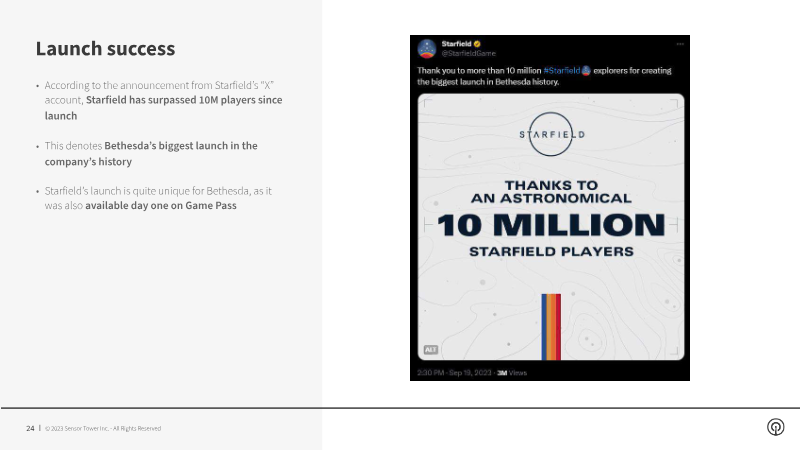
- Starfield achieved the largest launch in Bethesda’s history with 10 million players, driven by a $21.2 million U.S. advertising spend that represented roughly 70% to 77% of the total global marketing budget.
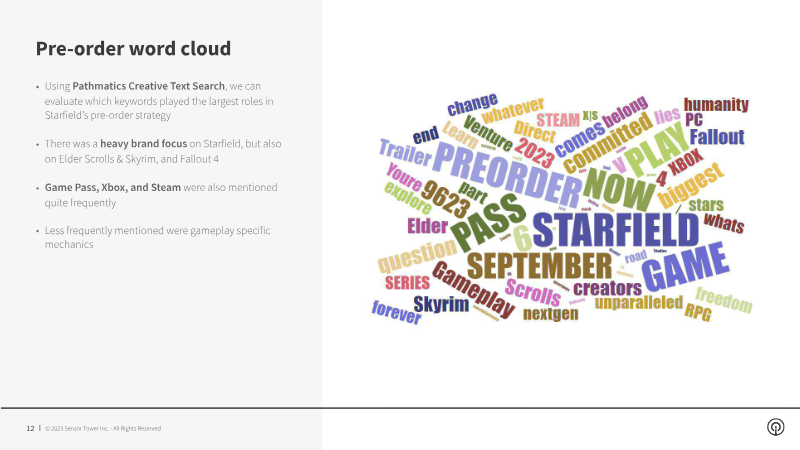
- The marketing strategy shifted from traditional teasers to a multi-channel digital approach, prioritizing TikTok, Instagram, Twitch, and AI-driven cross-promotion via Bing.
- Integration with the Microsoft ecosystem and immediate availability on Xbox Game Pass were central to the game's commercial scale and user acquisition.

Mobile Growth & Monetization Report 2023
The mobile gaming landscape in 2023 reflects a strategic pivot toward operational efficiency as developers navigate softening in-app purchase (IAP) and advertising revenues.
- 77% of all player conversions occur within the first 14 days, making this initial window the most critical period for monetization.
- Low-friction price points between $1.01 and $5.00 are the primary drivers of in-app purchase revenue, with virtual currencies and limited-time bundles accounting for over 56% of total IAP income.
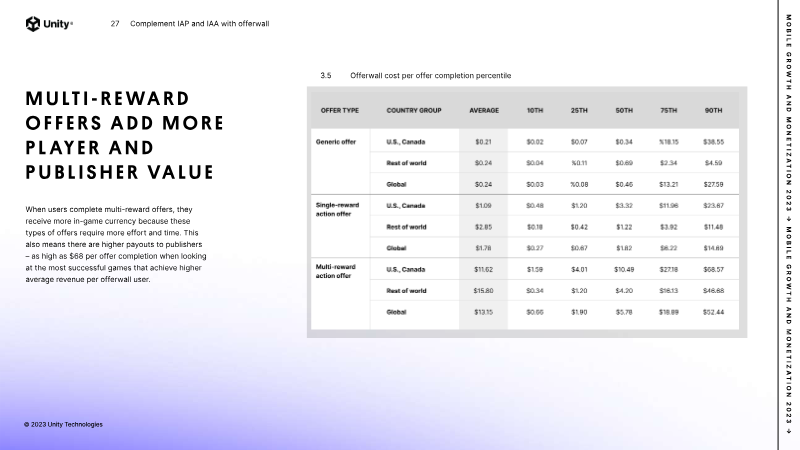
- Offerwalls are a major retention driver, as players who engage with them exhibit a 14% retention rate at Day 90 compared to only 3% for non-converters.
Mobile App Trends: 2023 Edition
The mobile application market entered a period of significant transition in 2023, navigating a complex landscape defined by economic volatility and evolving privacy regulations.
- The mobile app market reached a record half-trillion dollars in combined advertising and consumer spending in 2023, despite a 2% decline in consumer spending and a cooling of advertising growth to 14%.
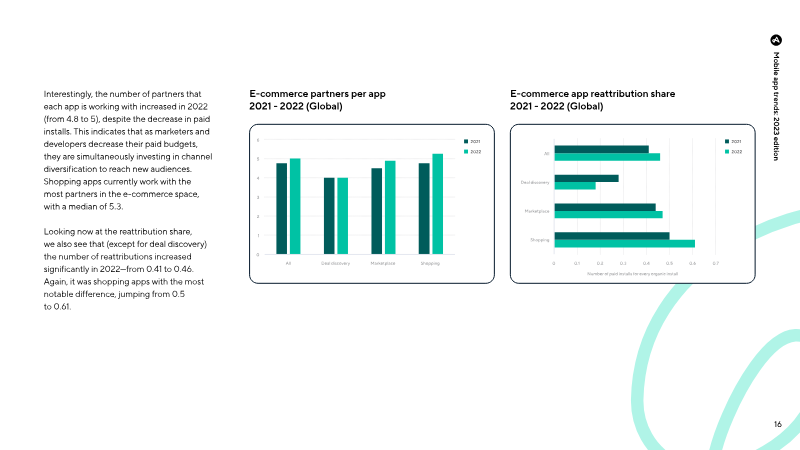
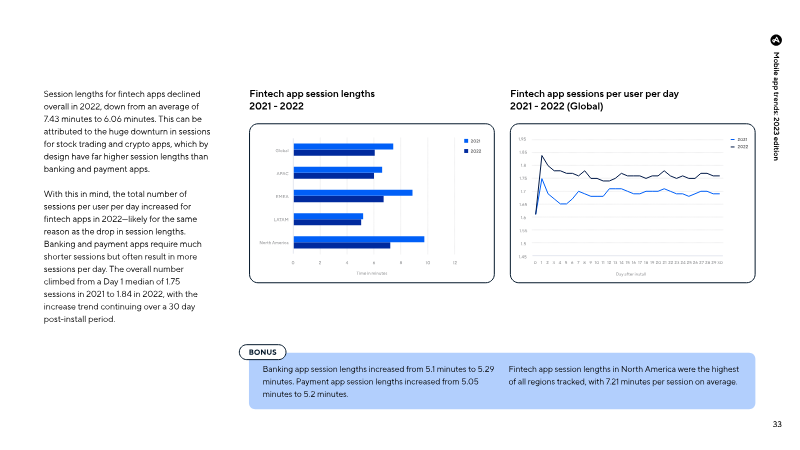
- Fintech in-app revenue surged by over 90% between late 2022 and early 2023, while e-commerce sessions grew by 12%.
- After a difficult 2022 that saw a 12% decline in installs and a 9% drop in consumer spending, the mobile gaming sector showed early 2023 signs of recovery with a 10% increase in installs and an 11% rise in sessions.
From Hyper to Hybrid: Hypercasual Gaming Trends 2023
The mobile gaming industry is undergoing a structural shift as developers transition from hyper-casual models toward hybrid-casual frameworks.
- The mobile gaming industry is shifting from hyper-casual to hybrid-casual models, driven by declining ad revenue profitability and the impact of iOS App Tracking Transparency.
- Developers are increasingly adopting in-app purchases and meta-gameplay components to replace the traditional reliance on pure advertising revenue.
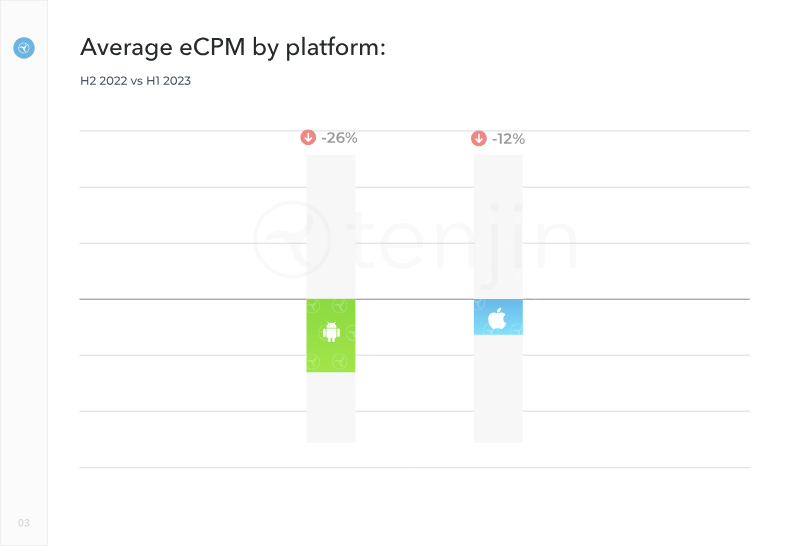
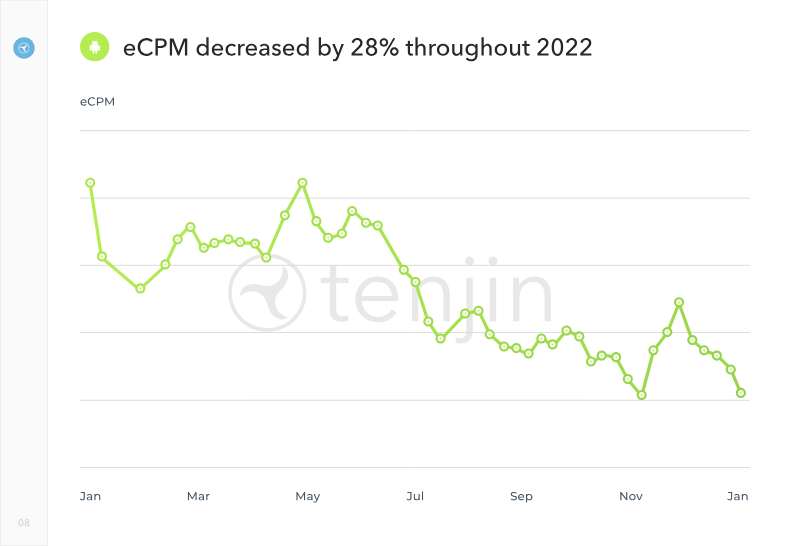
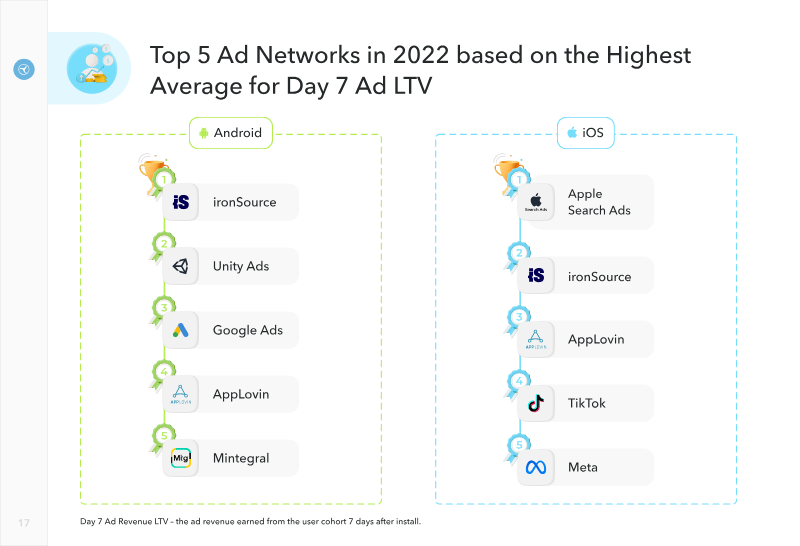
- Data from 2022 shows a consistent downward trend in ad impressions and eCPMs across both Android and iOS platforms, while in-app purchase volume grew.

Social Media Deep Dive: 'Among Us' TikTok Strategy
A successful TikTok strategy for game developers hinges on balancing high-effort, personality-driven content with data-backed experimentation to foster long-term community loyalty.
- Prioritize sustainable community engagement and a consistent brand voice over chasing fleeting viral moments to foster long-term player loyalty.
- Maximize total views by keeping videos under 15 seconds and ensuring a strong hook within the first three seconds to trigger immediate curiosity.
- Use TikTok as a primary discovery tool for younger demographics by blending gameplay updates with culturally relevant memes and niche-interest sub-genres.
Hyper-Casual Games Benchmark Report: Q4 2022
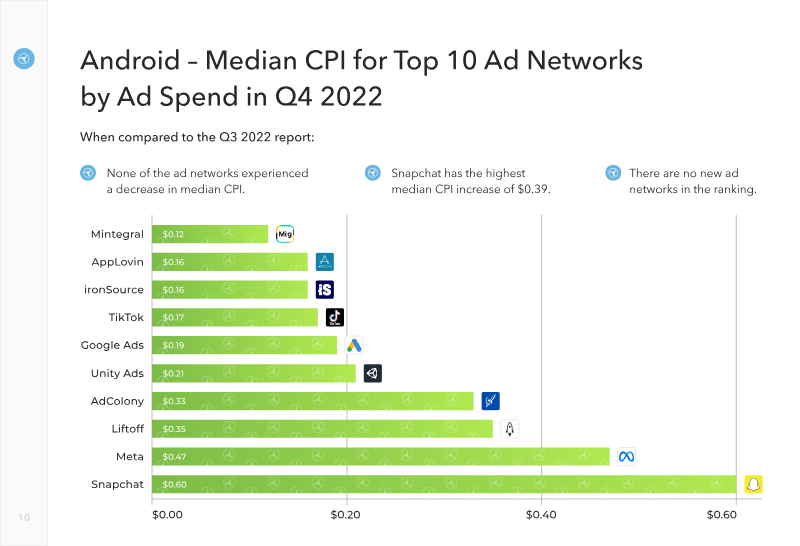
The Hyper-Casual Games Benchmark Report for Q4 2022 provides a comprehensive analysis of the mobile gaming landscape, focusing on key performance indicators including cost per install (CPI), ad spend distribution, and user retention.
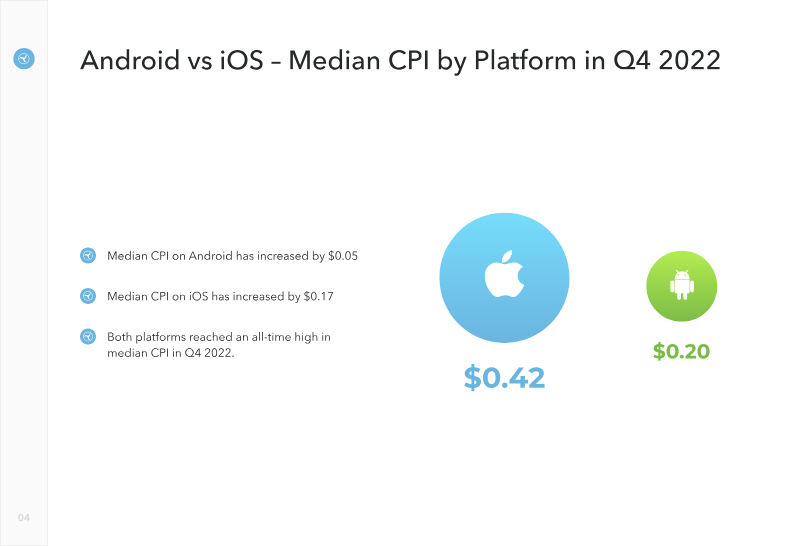
- Hyper-casual median CPI reached an all-time high of $0.42 in Q4 2022, with iOS experiencing a significant $0.17 increase compared to the previous quarter.
- iOS consistently outperformed Android in retention, with top-tier (top 2%) games achieving 45% Day 1 retention on iOS compared to 38% on Android.
- The United States recorded the highest iOS median CPI among top ad-spending countries at $0.80, while Brazil fell out of the top ten ranking.