Player Behavior reports and market data
Documents
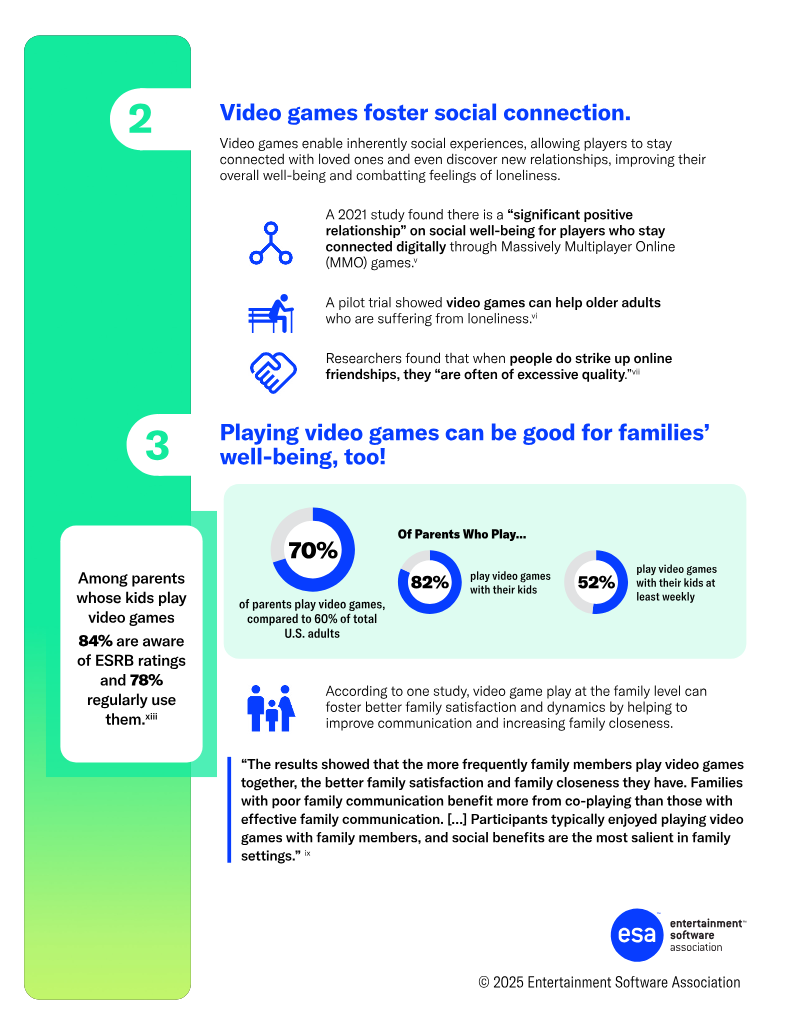
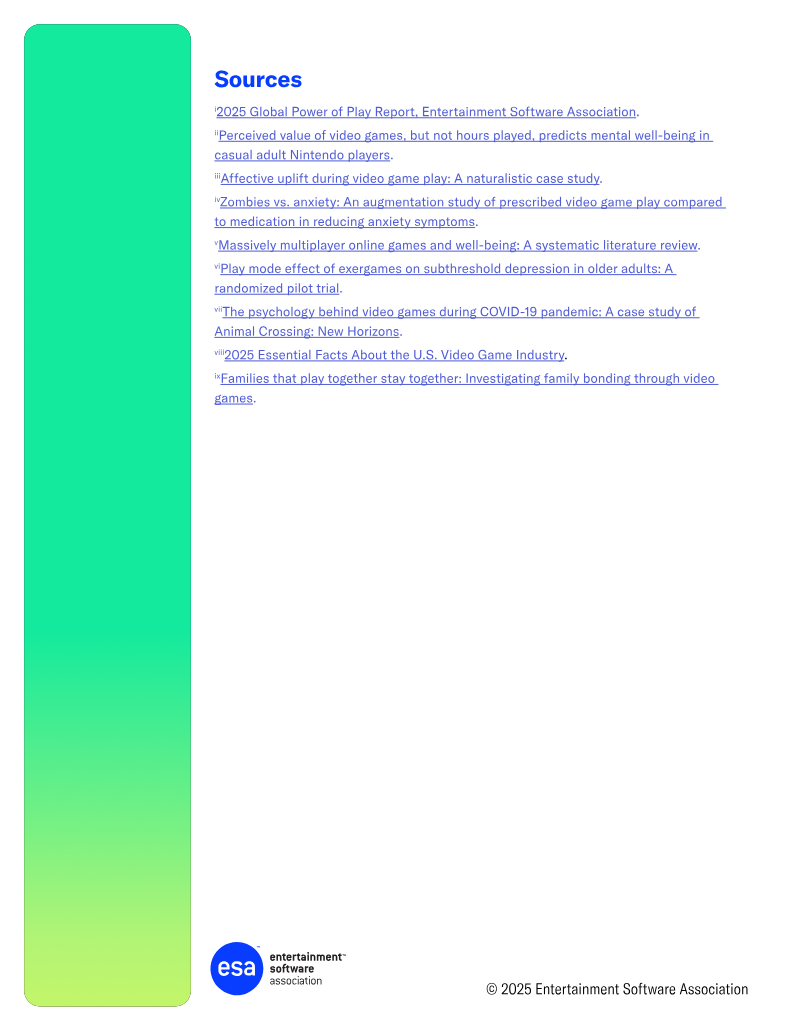
The Power of Play: The Positive Effects of Video Games on Well-Being
Video games serve as a significant tool for enhancing mental and social well-being, moving beyond their traditional role as mere entertainment.
- Video games reach 205.1 million players in the United States, functioning as a significant tool for mental stimulation, stress relief, and the reduction of depression and loneliness.
- Research indicates that gameplay duration does not correlate with negative mental health outcomes, with some studies showing anxiety-reduction benefits comparable to pharmaceutical interventions.
- Seventy percent of American parents play video games, and 82 percent of those parents engage in co-playing with their children at least weekly.
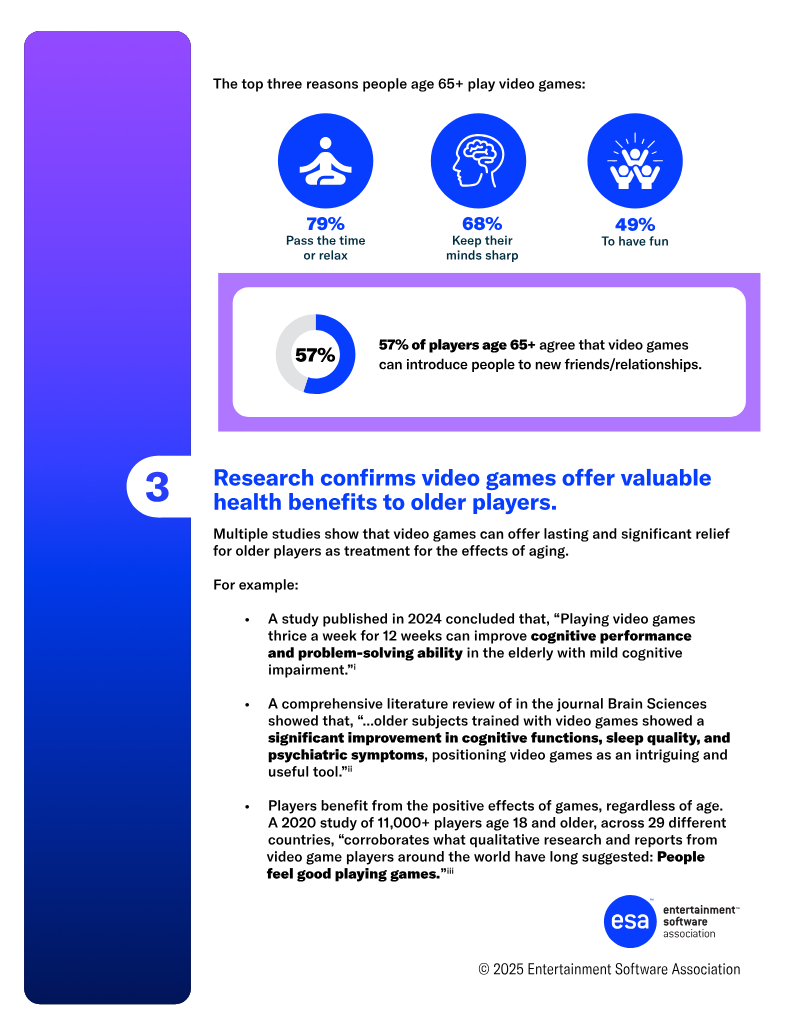
Healthy Aging and the Surprising Benefits of Play
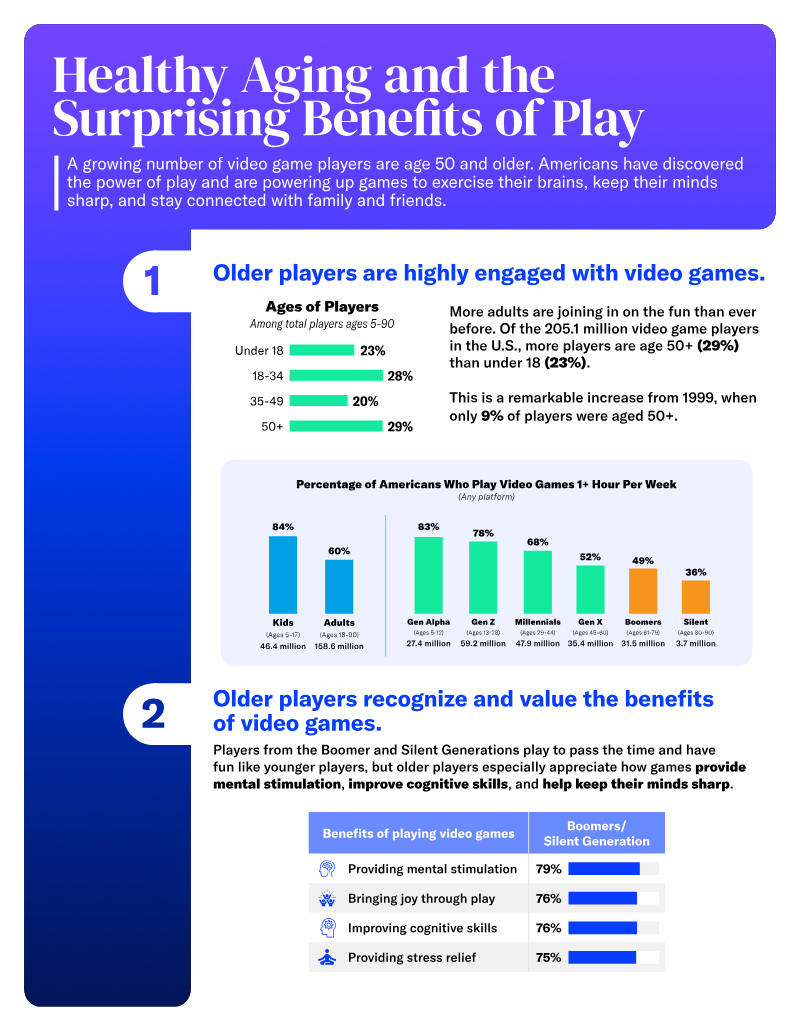
The demographic landscape of the American video game industry has shifted significantly, with individuals aged 50 and older now representing the largest segment of the player base.
- Individuals aged 50 and older now constitute 29 percent of the 205.1 million video game players in the United States, a significant rise from 9 percent in 1999.
- Mental stimulation is a primary motivator for 79 percent of older players, with 68 percent of those aged 65 and older specifically gaming to maintain cognitive sharpness.
- Clinical research involving over 11,000 participants indicates that playing games three times per week for 12 weeks can improve problem-solving abilities and cognitive performance in individuals with mild impairment.

Gaming's Cheating Crisis: The Impact on Players and Profit
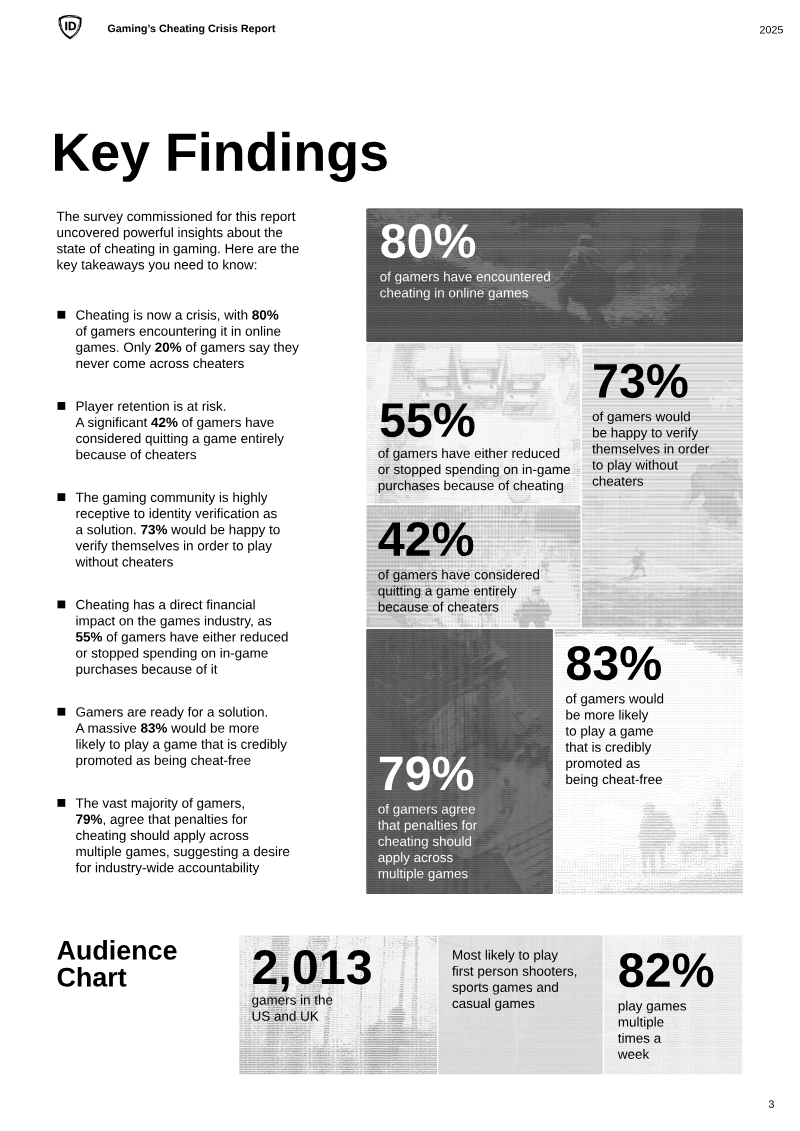
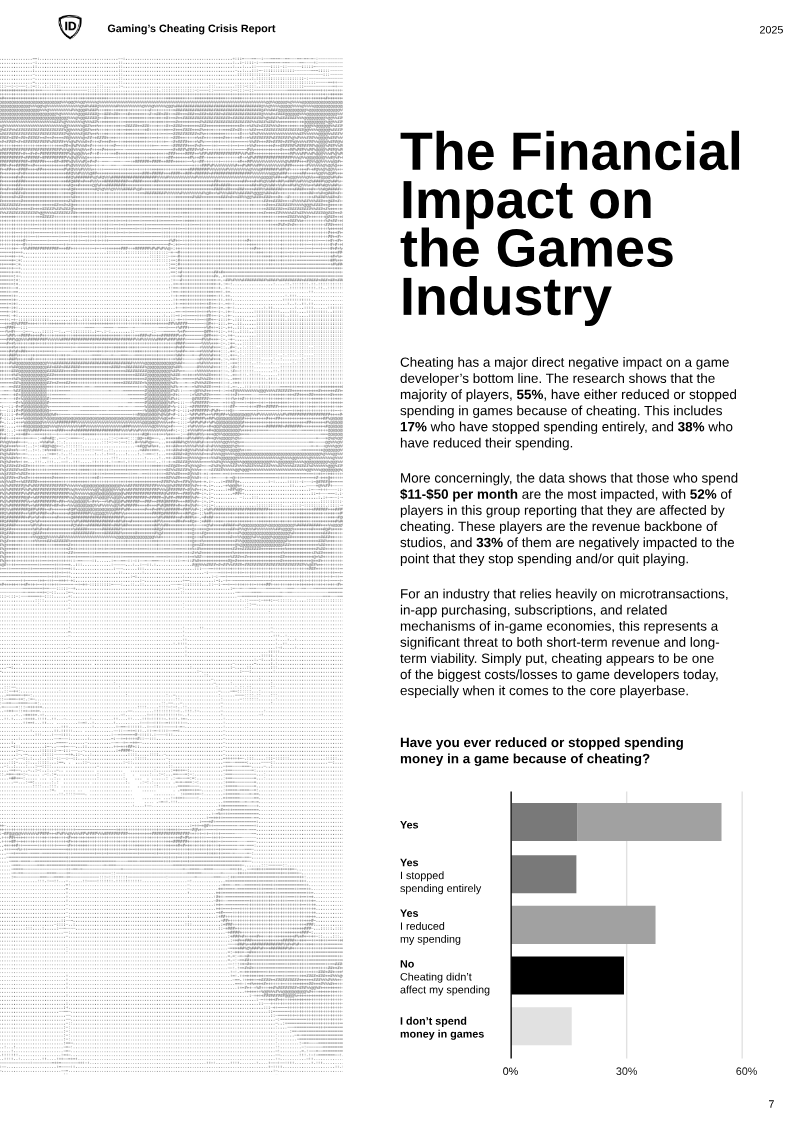
The gaming industry is currently facing a widespread crisis regarding cheating in online titles, which significantly undermines player retention and threatens long-term revenue.
- Cheating directly impacts revenue, with 55% of gamers reducing or stopping in-game spending due to unfair play.
- 80% of gamers have encountered cheating, and over 50% experience it at least monthly, driving players away from titles.
- There is strong consumer demand for systemic solutions, as 83% of players are more likely to engage with games marketed as cheat-free.
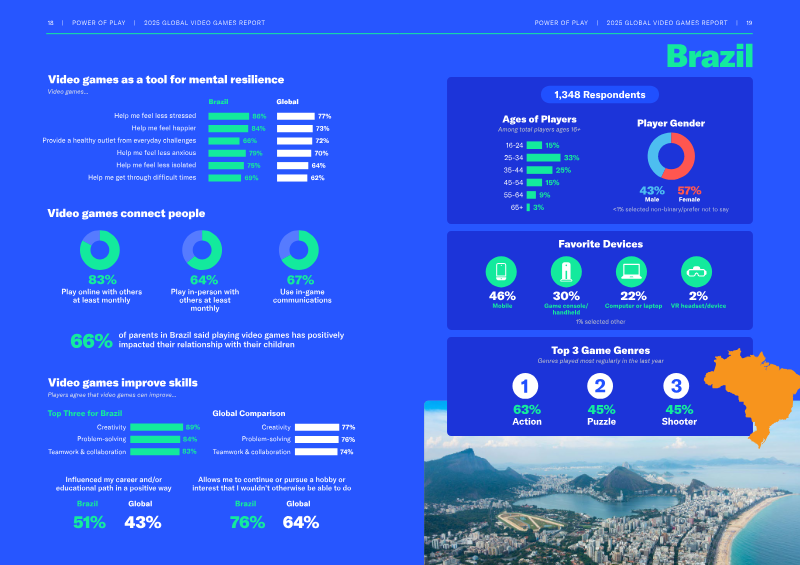
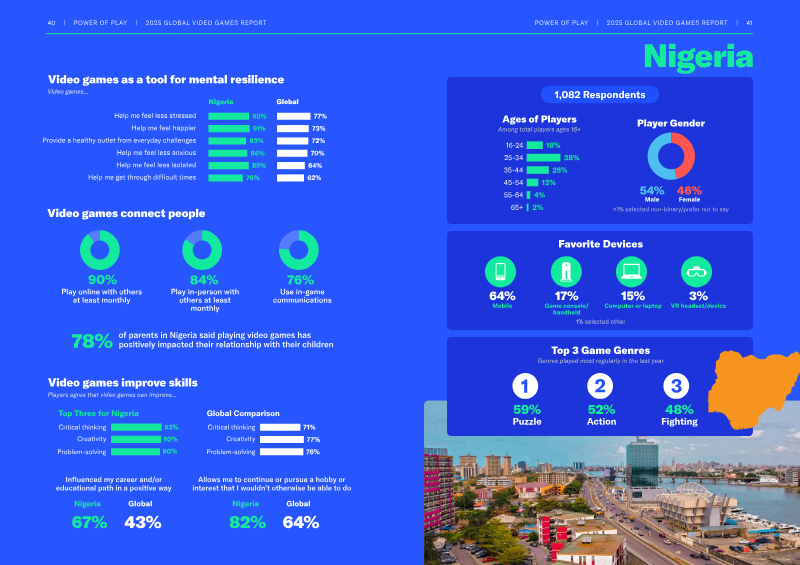

Power of Play: 2025 Global Video Games Report
Video games have evolved into a fundamental cultural and societal pillar, serving as a primary medium for entertainment, mental well-being, and professional development.
- Video games are now a primary tool for mental health, with a majority of 24,000 surveyed gamers across 21 countries reporting that gaming effectively mitigates anxiety and isolation.
- Gaming is a catalyst for cognitive development, with players demonstrating measurable improvements in creative thinking, complex problem-solving, and collaborative teamwork.
- High-stakes industries including medicine, aviation, and retail are increasingly adopting simulation-based training and augmented reality to improve decision-making and technical precision.
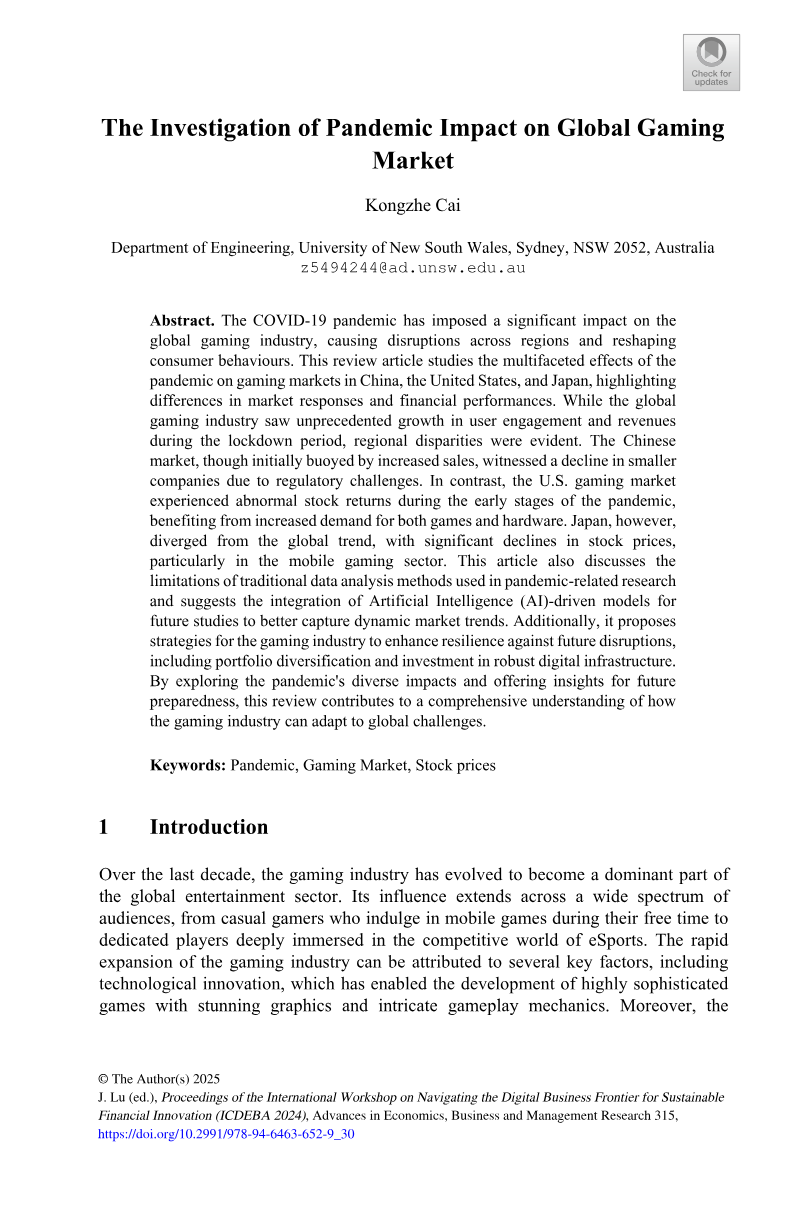
The Investigation of Pandemic Impact on Global Gaming Market
The COVID-19 pandemic served as a significant catalyst for change within the global gaming industry, driving increased user engagement and revenue while simultaneously exposing regional vulnerabilities and structural weaknesses.
- The Chinese gaming market experienced an initial 25% revenue surge in early 2020, but subsequent regulatory constraints on ISBN licensing triggered industry consolidation and the closure of numerous small-to-medium-sized studios.
- Major U.S. gaming and hardware firms saw positive cumulative average abnormal returns of 7.66% during the pandemic, driven by increased demand from stay-at-home mandates.
- The Japanese gaming market bucked the global growth trend, suffering a statistically significant decline in stock prices, particularly within the mobile gaming sector.
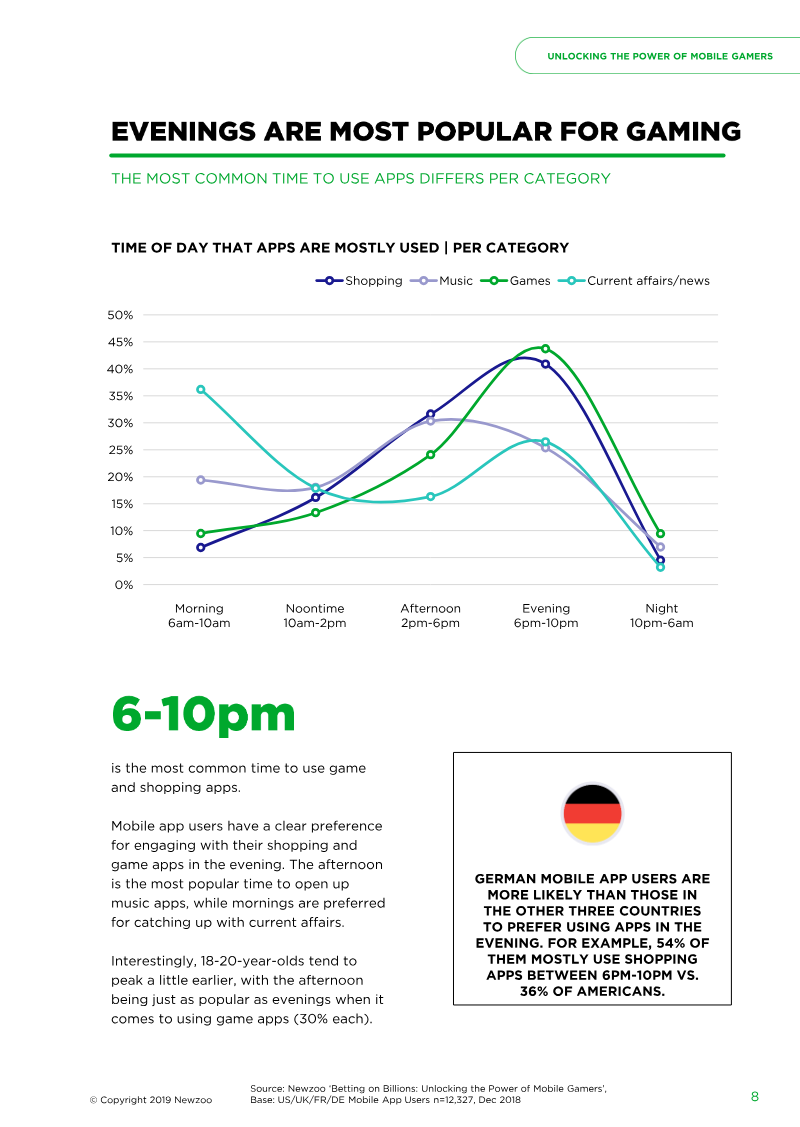
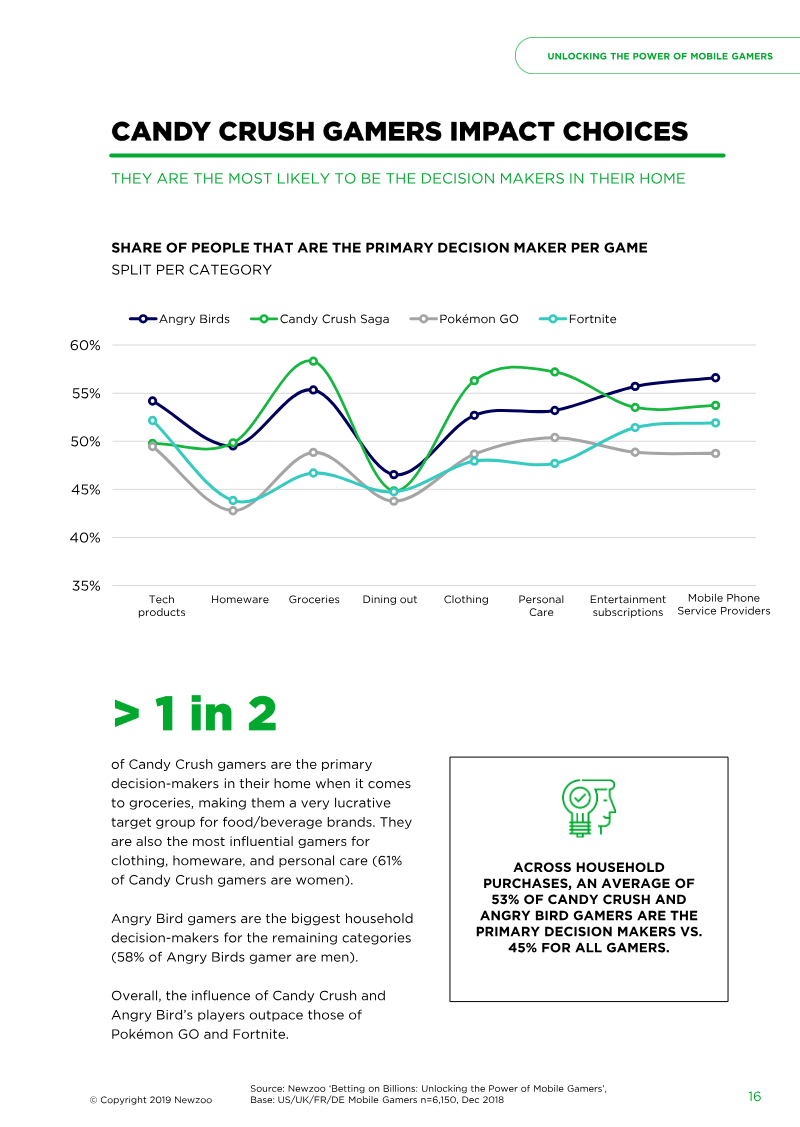

Betting on Billions: Unlocking the Power of Mobile Gamers
Mobile gaming represents a significant, underutilized opportunity for brands to engage a vast and influential consumer base.
- Mobile gamers are 23% more likely than non-gamers to influence the purchasing decisions of their peers, family, and colleagues.
- Gaming is the third-most-popular app category globally, with 50% of surveyed users engaging with games on a weekly basis.
- Over half (53%) of mobile gamers report that they are receptive to advertising, viewing it as a helpful way to stay informed about products and services.
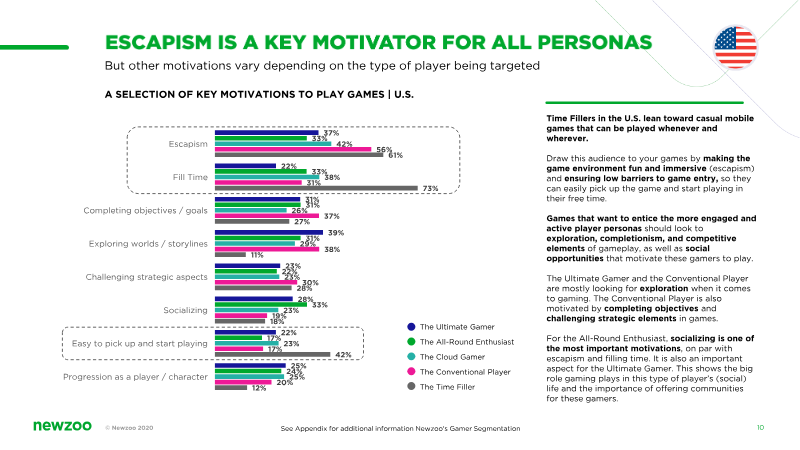
Gamer Motivation Study
Global gaming engagement is defined by a complex interplay of cultural values and individual motivations, necessitating a shift away from traditional demographic segmentation toward behavior-based personas.
- The industry should transition from traditional demographic segmentation to a behavior-based framework consisting of eight distinct gamer personas to better capture engagement drivers.
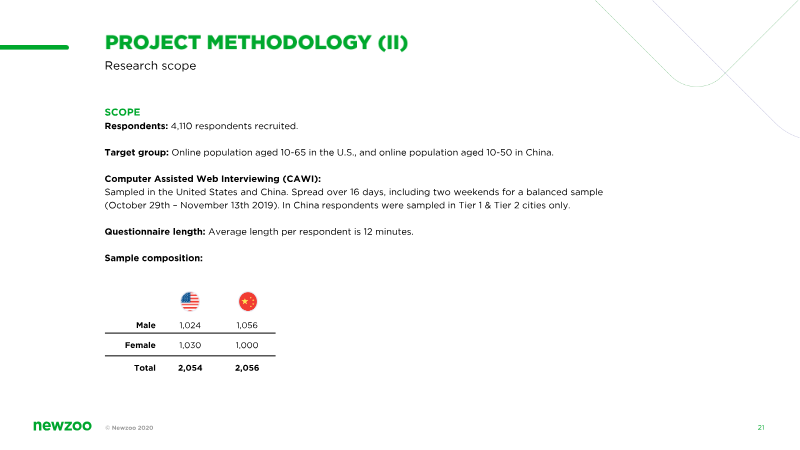
- The study analyzed 4,110 respondents across 30 international markets to identify the core motivations and habits defining global gaming engagement.
- U.S. gamers are primarily driven by escapism and filling idle time, while Chinese gamers prioritize competitive achievement, exploration, and skill mastery.

The Consumer as Producer: How Games & Video Converge to Drive Growth
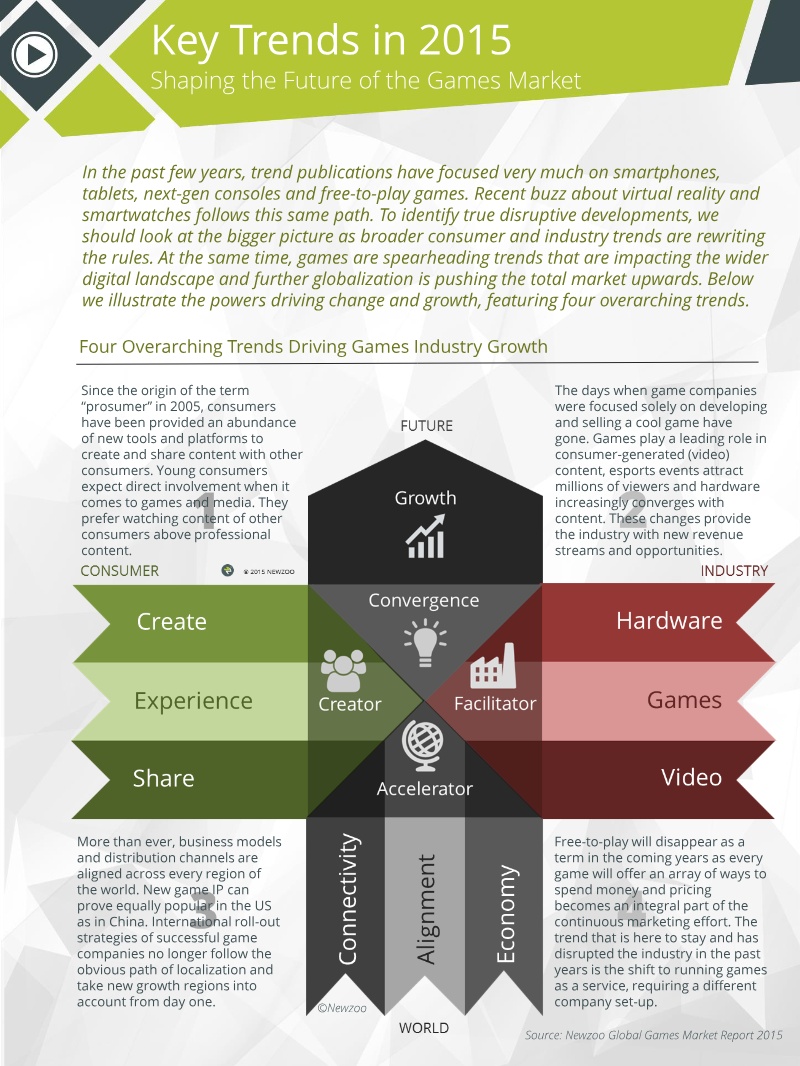
The global games industry is undergoing a fundamental transformation driven by the convergence of gaming, video streaming, and consumer-generated content.
- The gaming industry is shifting from a one-way consumption model to a collaborative ecosystem where players act as 'prosumers' who create, share, and monetize content.
- Global games revenue is projected to reach $113.3 billion by 2018, growing at a compound annual rate of 7.9% from 2014.
- China and the United States will dominate the market, collectively accounting for 50% of global gaming revenues by 2018.

Casino Gaming Report & Data: US Social Casino Market
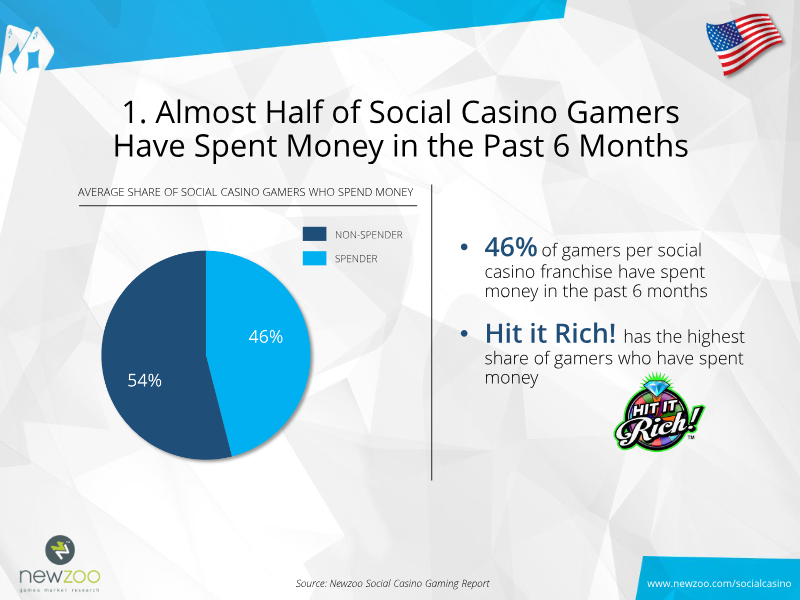
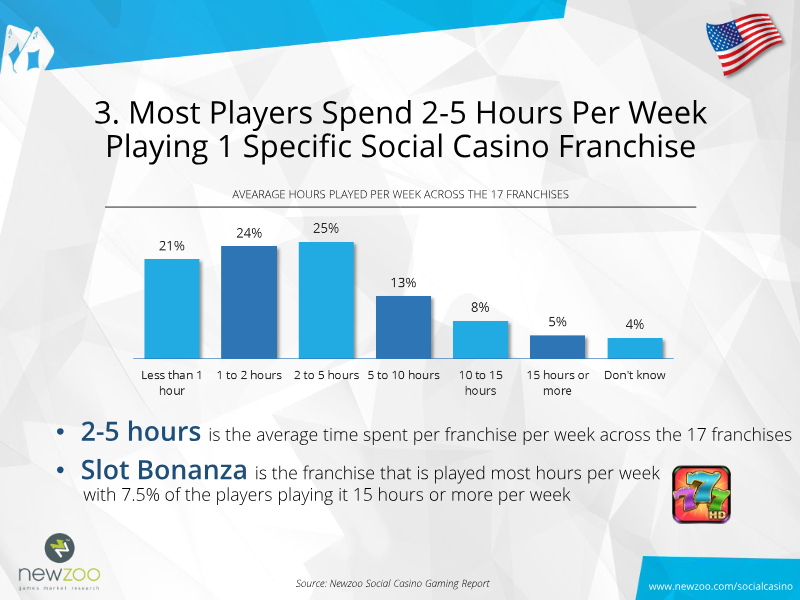
The social casino market in the United States exhibits high levels of engagement and monetization, characterized by a diverse player base that frequently interacts with multiple franchises.
- The US social casino market is highly fragmented, with the average user actively engaging with 5.6 different gaming titles.
- Monetization is robust, as 46% of social casino gamers have made in-game expenditures within the last six months.
- Men aged 21 to 35 represent the largest segment of paying users, accounting for one-third of total industry spend.
Newzoo Gamer Segmentation: An Overview of the Nine Unique Personas
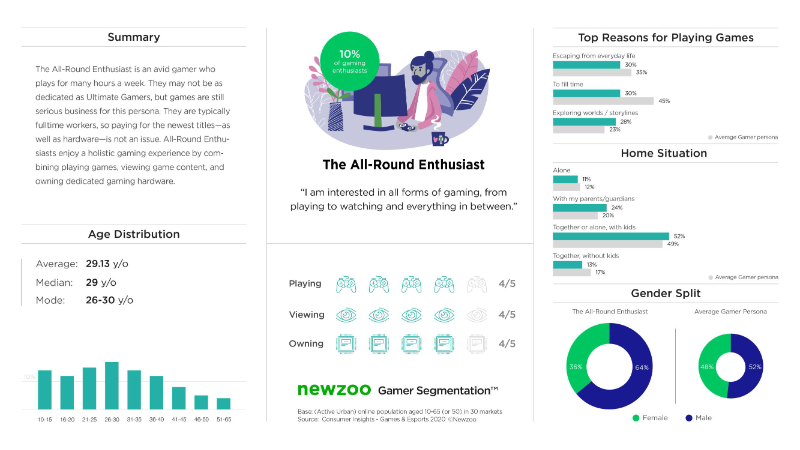
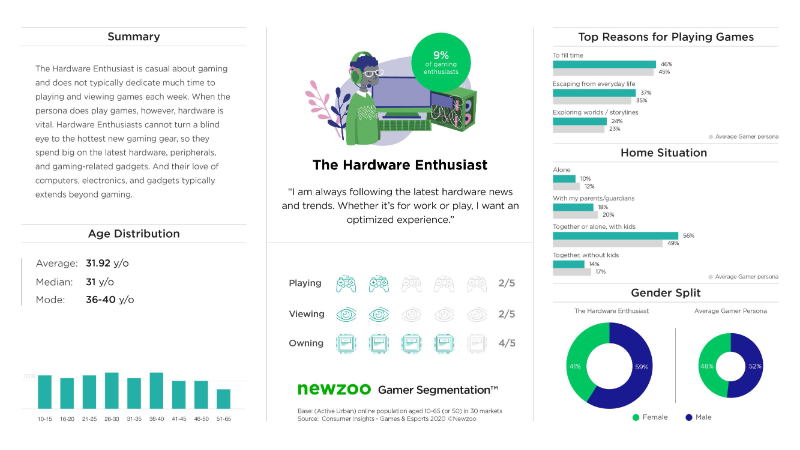
The Newzoo Gamer Segmentation framework categorizes the global gaming audience into nine distinct personas to better understand the diverse motivations, behaviors, and spending habits of players.
- The 'Ultimate Gamer' persona accounts for 30% of gaming enthusiasts, characterized by high levels of active play, content consumption, and significant hardware investment.
- The global gaming audience is mature and heterogeneous, with the average age of the nine personas ranging from approximately 28 to 39 years old.
- Engagement is no longer defined solely by active gameplay, as segments like the 'Popcorn Gamer' and 'Backseat Viewer' prioritize esports and video content consumption.
Spotting the Mobile Spenders: An Analysis of Paying Smartphone and Tablet Gamers
The mobile gaming industry is experiencing significant expansion, with global revenues projected to reach $25 billion in 2014.
- Mobile gaming is projected to reach $25 billion in global revenue by 2014, with mobile expected to account for 50% of total game revenues by 2017.
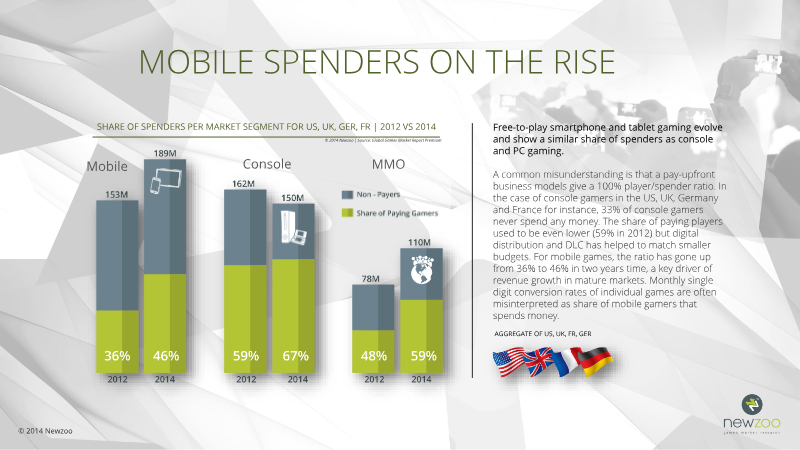
- The share of paying mobile users in Western Europe and the United States grew from 36% to 46% over the last two years, debunking claims of market saturation.
- The Amazon Appstore is an undervalued channel, as its users demonstrate a higher propensity to spend money compared to those on Google Play or Apple platforms.
Gamer Motivation Model: Reference Sheets and Details
The Gamer Motivation Model provides a comprehensive framework for understanding player behavior by categorizing gaming preferences into twelve distinct motivations.
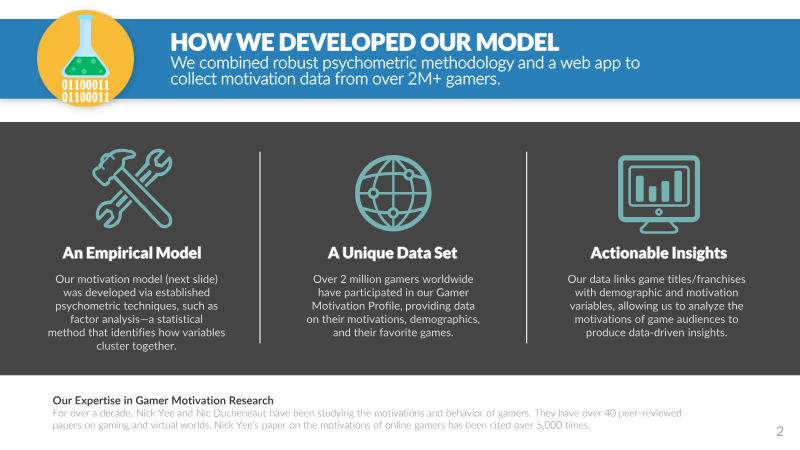
- The Gamer Motivation Model categorizes player behavior into twelve distinct motivations derived from psychometric factor analysis of over two million global participants.
- Motivations are organized into three high-level clusters: Action-Social (immediate, interpersonal), Mastery-Achievement (goal-oriented, progression), and Immersion-Creativity (narrative, expressive).
- Player preferences are measured as spectrums rather than binary choices, allowing for nuanced profiling of how individuals balance competing psychological drivers.