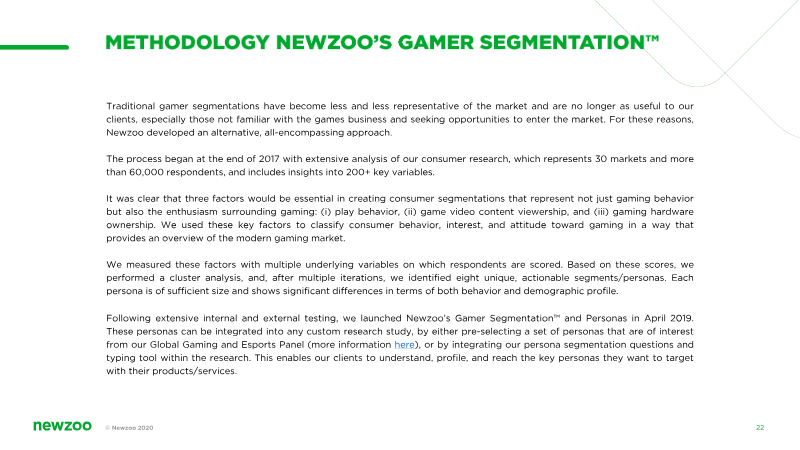
Global gaming engagement is defined by a complex interplay of cultural values and individual motivations, necessitating a shift away from traditional demographic segmentation toward behavior-based personas. By analyzing 4,110 respondents across 30 international markets, the research establishes eight distinct gamer personas that account for variations in playing, viewing, and hardware-ownership habits. This framework provides a more nuanced understanding of the modern player base, moving beyond surface-level metrics to capture the underlying drivers of engagement.
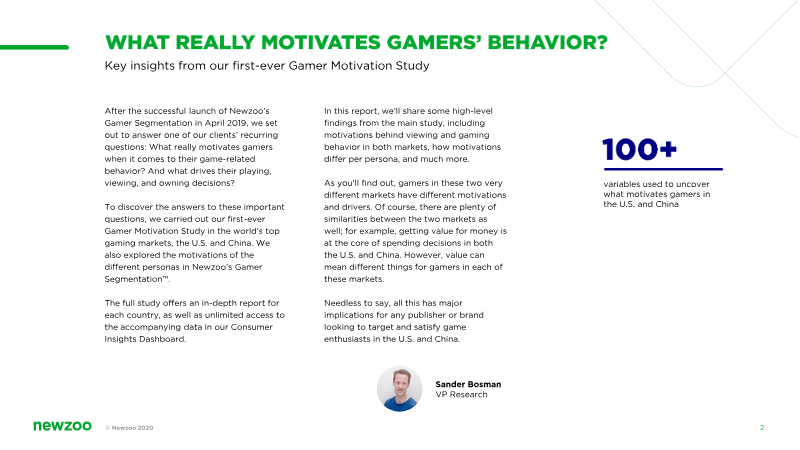
Significant regional disparities exist between major markets, particularly when comparing the United States and China. While players in both regions prioritize value for money, their core motivations diverge sharply. U.S. gamers are primarily motivated by escapism and the desire to fill idle time, whereas Chinese gamers are driven by competitive achievement, exploration, and the pursuit of high-level skill mastery. These cultural differences dictate how developers and publishers must approach content delivery and monetization to remain relevant in these distinct landscapes.
The study also highlights the potential for re-engaging specific segments, such as the lapsed gamer demographic. These individuals, who share a similar profile with casual time-fillers—averaging approximately 38 years of age—have largely stepped away from gaming due to time constraints. However, they remain a viable audience for publishers who leverage familiar intellectual property through low-threshold, accessible experiences. By tailoring strategies to these specific behavioral clusters, the industry can better address the needs of both highly competitive players and those seeking casual, intermittent engagement, ultimately fostering long-term retention across diverse global markets.