Player Behavior reports and market data
Documents
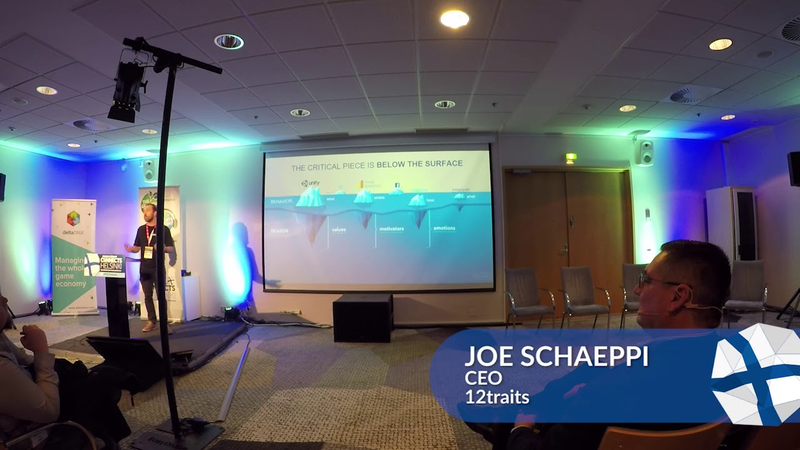
The future of gaming is empathy: The key to retaining players
The gaming industry faces a significant challenge in player retention, often caused by an over-reliance on behavioral metrics that fail to capture the underlying emotional motivations of users.
- Player retention often fails because developers rely on behavioral metrics that overlook the underlying emotional and psychological motivations driving user engagement.
- The game Dungeon Boss serves as a primary example of how optimizing for surface-level visceral appeal can lead to long-term retention failure when core mechanics do not align with actual player needs.
- Developers should shift focus from transient behavioral data to identifying and designing for enduring psychological traits, such as a player's need for security versus competition.
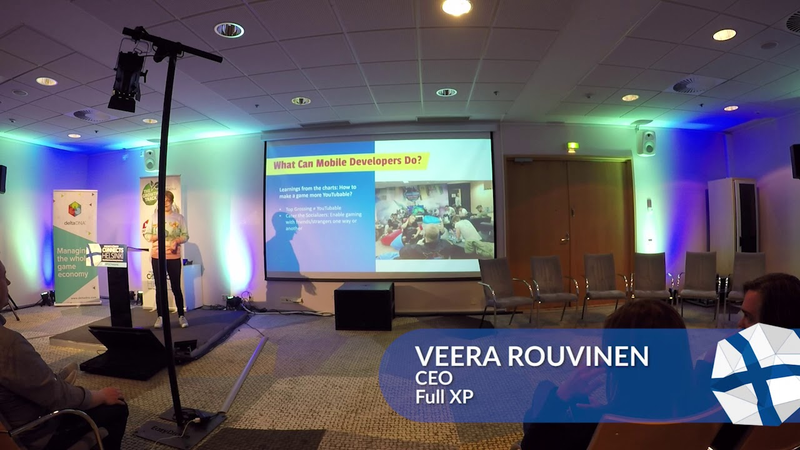
What makes a game YouTubable?
The primary objective of creating a "YouTubable" game is to design experiences that prioritize high watchability and social engagement, which often diverge from the mechanics that drive top-grossing mobile titles.
- Real-time, online multiplayer PvP titles currently command the highest viewership on video platforms because human interaction ensures unique, non-repetitive gameplay sessions.
- Games achieve high watchability by incorporating randomized elements, such as procedural item placement or difficulty scaling, to prevent content stagnation.
- Single-player or physics-based titles like Granny and Kick the Body can achieve viral status by offering infinite combinations, modding potential, or high-impact visual appeal.
The cloud gamer – Defining the audience
Cloud gaming services address a significant barrier in the gaming industry: the inability of a large portion of the PC gaming population to run modern, high-demand titles due to hardware limitations.
- Approximately 70% of Steam users currently lack the hardware specifications required to run modern AAA titles like Far Cry 5.
- The core cloud gaming demographic consists of males aged 18–34 who use hardware at least five years old, with 50% of these users having never performed a hardware upgrade.
- Cloud gaming business models have shifted from unsuccessful flat-rate subscription services to hybrid models where users pay for virtual PC access while providing their own game licenses.
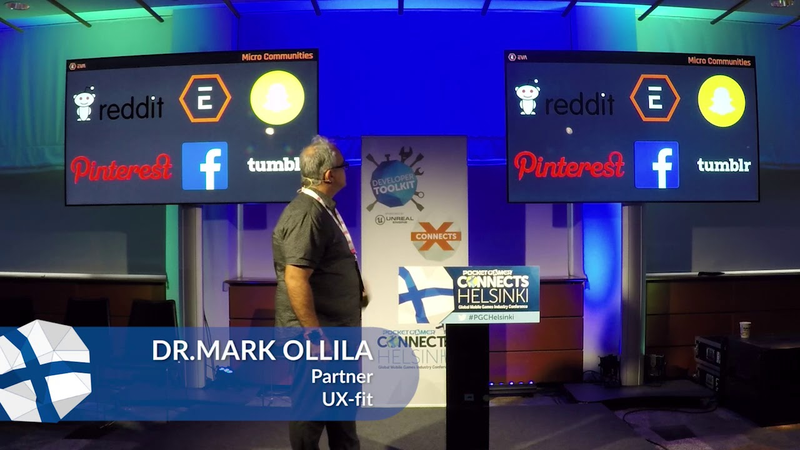
Why gaming today is less about the game and more about social experiences
The modern gaming landscape is shifting from a focus on individual gameplay to a model centered on social experiences and community interaction.
- Gaming is shifting from individual gameplay to a model centered on social experiences, where the game itself often serves merely as a backdrop for real-life interaction and community building.
- Top gaming influencers, such as Ninja, act as a primary form of currency, generating tens of millions of dollars in earned media value through audience engagement on platforms like Twitter and Instagram.
- The industry is bifurcated into macro communities (YouTube, Twitch) for mass awareness and micro communities (Discord, Snapchat) for high-trust, peer-to-peer engagement.
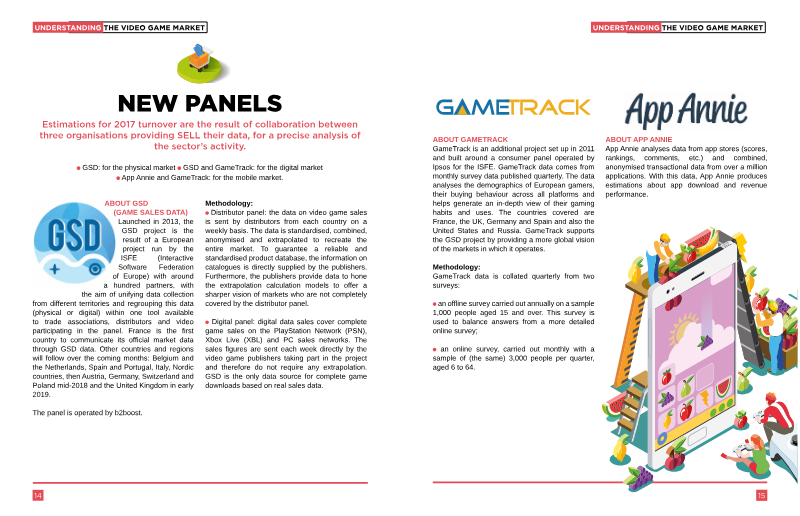
Essential Video Game News: October 2018
This report provides a comprehensive overview of the French video game industry as of October 2018, detailing consumer profiles, market performance, and the regulatory efforts led by the Union of Video Game Publishers (SELL).
- The French video game industry generated 4.3 billion euros in 2017, marking an 18% year-over-year growth driven by a 23% increase in the console ecosystem and a 22% rise in mobile gaming.
- Gaming is a mainstream activity in France, with 74% of the population playing games and the average regular gamer being 39 years old for men and 37 for women.
- The Union of Video Game Publishers (SELL) promotes the PEGI rating system, which is currently used by 65% of French adults to monitor and guide their children's gaming habits.
The Joy of Losing - Learning to Have Fun Playing Games - Extra Credits
The modern gaming landscape suffers from an overemphasis on victory, where winning has become the primary objective rather than a byproduct of the experience.
- Tying self-worth exclusively to winning in multiplayer games is unsustainable because the inherent design of these systems guarantees that a significant portion of the player base must lose in every match.
- Reframing defeat as a diagnostic tool allows players to identify mechanical and strategic mistakes, providing a clearer roadmap for improvement than victory does.
- Adopting a growth mindset shifts the focus from the final score to the process of learning, transforming potential frustration into excitement for future matches.

Why I Quit Playing [INSERT_GAME_HERE]!
The primary objective is to analyze the recurring phenomenon of content creators announcing their departure from long-term multiplayer games, such as League of Legends, Fortnite, and PUBG.
- The primary driver of player attrition in long-term multiplayer titles is natural player fatigue and the loss of novelty after exceeding 1,000 hours of engagement, rather than specific technical or design flaws.
- Technical performance issues, systemic cheating, and poor developer communication are identified as legitimate, actionable grievances that contribute to player departure.
- Complaints regarding game balance are often misconceptions, as developers intentionally utilize 'perfect imbalance' to maintain an evolving, competitive meta-game.
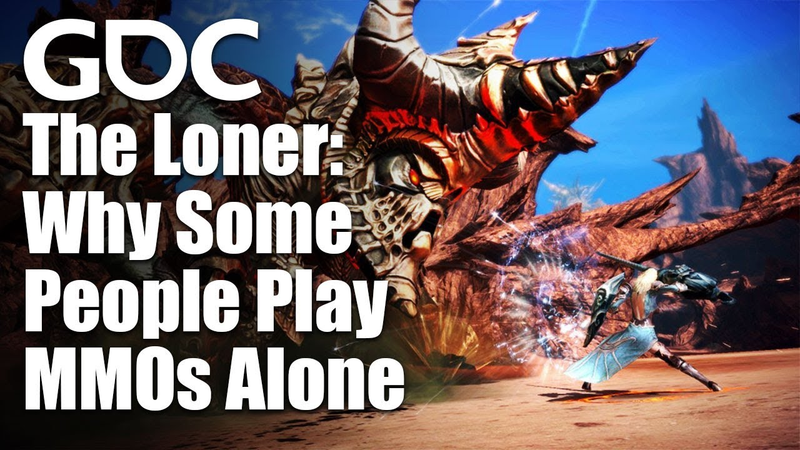
The Loner: Why Some People Play MMOs Alone
Massively multiplayer online games are increasingly defined by a tension between the genre’s social foundations and the growing prevalence of solo play.
- Solo play is the default state for MMO players, as users are alone upon login and remain so until they actively seek out social groups or dungeon partners.
- Designers must provide robust solo gameplay as the backbone of an MMO experience, as many players are introverted or need time to learn complex class mechanics and interfaces before engaging socially.
- Forcing social interaction too early, such as systems that encourage high-level players to recruit newbies, can act as an unwanted sales pitch and alienate new users.
Game Design Patterns for Building Friendships
Game design should prioritize the cultivation of deep, meaningful human connections over the shallow, status-driven interactions that currently dominate much of the industry.
- Game design should prioritize long-term social bonding over transactional, metrics-driven interactions to foster genuine player well-being.
- Developers should replace traditional matchmaking with room-based architectures that maximize player density to leverage the principle of propinquity and encourage repeat, serendipitous encounters.
- Designers must implement tiered interaction systems that scale from low-cost ambient cooperation to high-cost, vulnerable collaboration to build sustainable trust within communities.
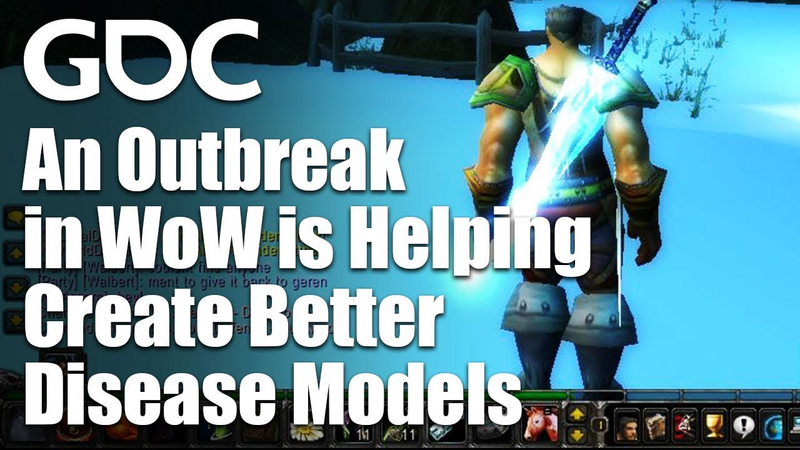
How an Outbreak in WoW is Helping Epidemiologists Create Better Disease Models
The 2005 Corrupted Blood plague in World of Warcraft serves as a foundational case study for modern epidemiological research, demonstrating how virtual environments can provide unique insights into human behavior during public health crises.
- The 2005 'Corrupted Blood' plague in World of Warcraft, caused by a design flaw in the Zul'Gurub raid, provided epidemiologists with a unique, real-world dataset to study human behavior during an infectious disease outbreak.
- Traditional epidemiological models often fail because they rely on static assumptions about human behavior, such as how individuals will react to quarantine orders or emergency information.
- Virtual environments like World of Warcraft allow researchers to observe diverse, unscripted human responses to a crisis, including altruism, curiosity-driven risk-taking, malicious griefing, and the spread of misinformation.
How Games Challenge Us - Empathy and Intuition in Puzzle Design - Extra Credits
Game design traditionally relies on a binary framework of challenges: logical puzzles that test cognitive problem-solving and reflex-based tests that measure physical dexterity.
- Traditional game design is limited by a binary framework that focuses exclusively on logical cognitive puzzles and reflex-based physical dexterity.
- Designers can expand the industry's toolset by incorporating empathy and intuition as core gameplay mechanics rather than relying solely on logic and reflexes.
- Empathy-based challenges should prioritize atmospheric, low-fidelity interactions that mirror real-world social cues instead of reducing emotional nuance to simple, definitive logical puzzles.
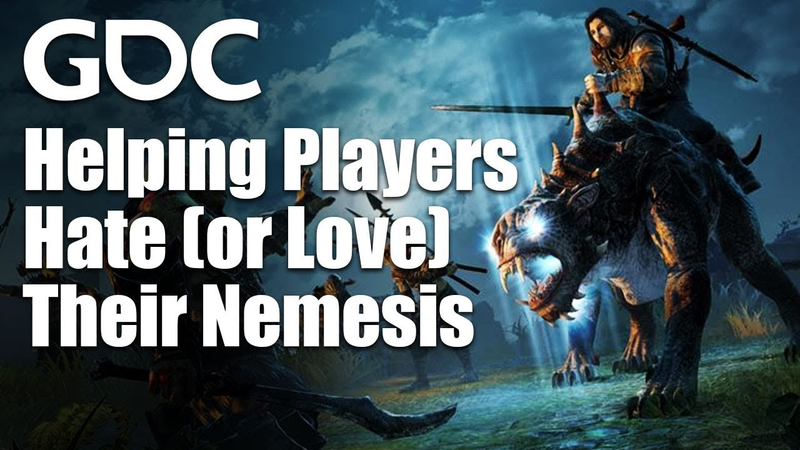
Helping Players Hate (or Love) Their Nemesis
The Nemesis system serves as a foundational design framework for fostering long-term, emotionally charged relationships between players and procedurally generated adversaries.
- The Nemesis system relies on a 'revenge loop' where time progresses after a player's death, forcing them to track down and re-engage enemies who have been promoted or changed by their victory.
- To foster deep antagonistic relationships, developers should aim for multi-encounter arcs; in Shadow of War, approximately 85% of captains are killed in one encounter, while 14% require two and 4% require three or more.
- Designers should prioritize visual impact around an enemy's head and shoulders, as these areas are more memorable to players than other body parts or equipment.