PC reports and market data
Documents
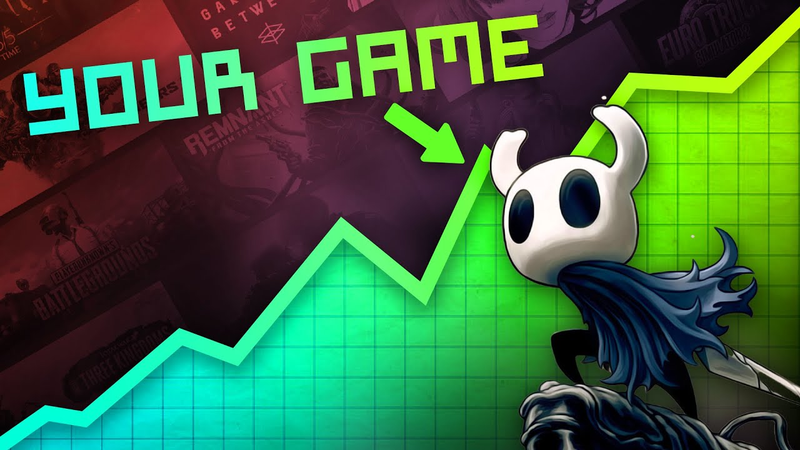
Why 96% Of Indie Games Make NO MONEY
The indie game development landscape is currently defined by extreme market saturation and low financial returns, with the average lifetime earnings for an indie title hovering around $11,000.
- The indie game market is becoming increasingly saturated, with Steam releases growing from 9,000 in 2020 to 14,000 in 2023, leading to an average lifetime earning of only $11,000 for most developers.
- To survive, developers must adopt a 'super indie' model by keeping teams small, utilizing existing assets from platforms like the Unity Asset Store, and leveraging AI tools to drastically reduce production costs.
- Developers should implement a 'Trinity Hook' strategy, which requires defining a specific story, mechanical, and visual hook for every project to ensure the game stands out in a crowded market.

Emulator Armageddon / Netflix Ports / Private Equity / Early 2024 Winners
The gaming industry is currently navigating a significant structural correction, moving away from an era of unsustainable growth and hyper-realistic, high-budget development toward a model that prioritizes operational efficiency and core gameplay.
- The gaming industry is shifting from high-budget, hyper-realistic development toward operational efficiency, as evidenced by the commercial success of mid-tier, community-focused titles like Helldivers 2 and Palworld.
- Private equity firms are increasingly acquiring established studios, such as Jagex and Saber Interactive, signaling a strategic pivot toward stable cash flows and lean operations over debt-fueled expansion.
- Nintendo’s successful legal action against the Yuzu emulator highlights a hardening stance on intellectual property protection, while the Epic Games versus Apple antitrust battle continues to create volatility in mobile distribution.

Innogames’ Strategy To Extending The Lifespan Of Legacy Games
InnoGames sustains the long-term viability of legacy titles like Tribal Wars and Forge of Empires by shifting from traditional channel-based marketing toward a model of deep, game-specific alignment.
- InnoGames structures its User Acquisition (UA) teams by specific game titles rather than by marketing channels, ensuring closer alignment between product development and marketing strategy.
- The studio utilizes a predictive modeling system that forecasts revenue and user metrics with approximately 95% accuracy for a three-month horizon, allowing for agile adjustments to game features and marketing spend.
- Rather than attempting to combat power creep, InnoGames embraces it as a core design strategy to create a 'content race' that provides more opportunities for live-ops events and player rewards.
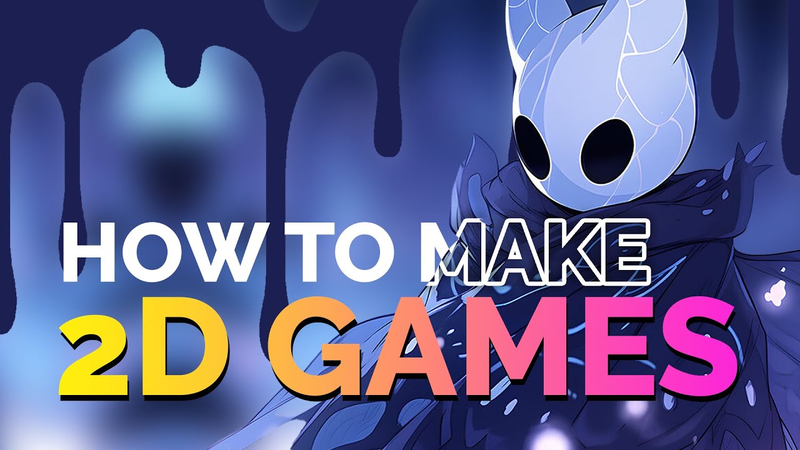
Watch THIS Is You're Going To Make A 2D Game
The development of 2D games requires a disciplined, iterative approach to art production that prioritizes character silhouette, personality, and technical adaptability.
- Prioritize character design by ensuring the silhouette remains instantly recognizable as a solid shape, avoiding over-complicated or overlapping elements.
- Adopt bitmap-based software like Photoshop over vector-based workflows to achieve greater textured depth, grit, and a hand-drawn aesthetic.
- Implement a brutal, non-linear iterative process that involves discarding unsuccessful drafts and combining the best elements from multiple iterations to ensure cohesion.
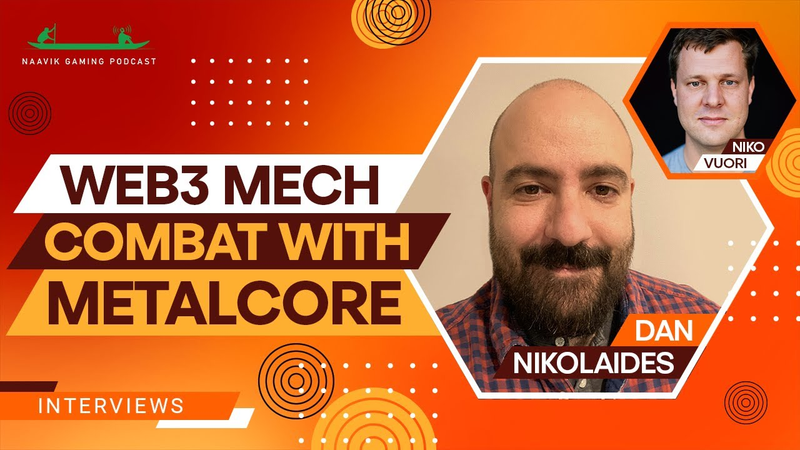
Web3 Mech Combat with MetalCore
MetalCore represents a strategic effort to merge high-fidelity, open-world mech combat with integrated blockchain utility.
- MetalCore is a PC-based, open-world mech combat game developed by Studio 369 using Unreal Engine 4, focusing on large-scale, three-way faction warfare.
- The game utilizes Immutable’s middleware to integrate Web3 elements, employing a dual-currency approach that limits blockchain transactions to high-value events to maintain a traditional user experience.
- The economy is driven by the $MCG utility token, allowing players to scavenge resources, craft mechs, and mint them as NFTs for trading or renting.

Crucial Remote Work Strategies with Andy Duthie, Executive Producer at My.Games
Successful live-service game development hinges on a rigorous, consistent content cadence that balances long-term architectural roadmaps with modular, short-term updates.
- Live-service success requires a dual-track production model that balances long-term architectural roadmaps with a consistent, modular content cadence to drive player retention.
- Transitioning to a fully remote model is more effective than hybrid arrangements, which often create unnecessary overhead and organizational misalignment.
- Remote leadership should move away from micromanagement by using data to track trends while empowering teams to define their own quarterly KPIs and short-term tasks.

6 Days of Indie Game Dev - Devlog
The development process for the first-person shooter Twisted Tower focuses on reconciling a thematic dissonance between a Disney-inspired fairy tale aesthetic and a gritty horror environment.
- To establish a distinct visual identity for the FPS 'Twisted Tower,' the developer pivoted from a generic shooter aesthetic to a 'Disney-esque horror' theme by applying 'grimy' textures to clean assets to create a jarring, contradictory effect.
- Small-scale texture adjustments, such as adding subtle shadows or grid patterns to flat surfaces, can significantly enhance environmental depth and visual interest without requiring complex modeling.
- The developer emphasizes that effective game design often relies on 'slamming two contradictory ideas together,' such as pairing cute, whimsical themes with violent, grotesque gameplay elements.

FOUR Secrets To Gorgeous Game Art!
The creation of visually striking game art relies on the strategic integration of thematic hooks, intentional contrast, and disciplined color theory.
- Align all visual elements—including character design, environments, and UI—with a central thematic hook to establish a cohesive narrative and a distinct brand identity.
- Utilize visual juxtaposition by blending contradictory aesthetics, such as pairing cartoon-style visuals with dark or mature themes, to generate player interest and viral potential.
- Develop a 'style bible' early in production to define core colors, fonts, and motifs, ensuring visual consistency across scaling development teams.

Age of Empires Mobile / Balatro’s Success / Sony Layoffs / Apple Arcade Woes
The gaming industry is currently navigating a period of significant strategic recalibration, characterized by the tension between high-budget franchise adaptations and the surging influence of independent, low-overhead titles.
- Sony has initiated significant workforce reductions and closed its London Studio, signaling a strategic retreat from high-budget virtual reality development due to a lack of mass-market adoption.
- Independent titles like Balatro are demonstrating that innovative, low-overhead projects can achieve immediate profitability without the massive marketing budgets required by traditional AAA franchises.
- Apple Arcade is currently facing developer attrition and declining user engagement as it struggles to compete with the aggressive, IP-focused gaming strategies employed by Netflix.
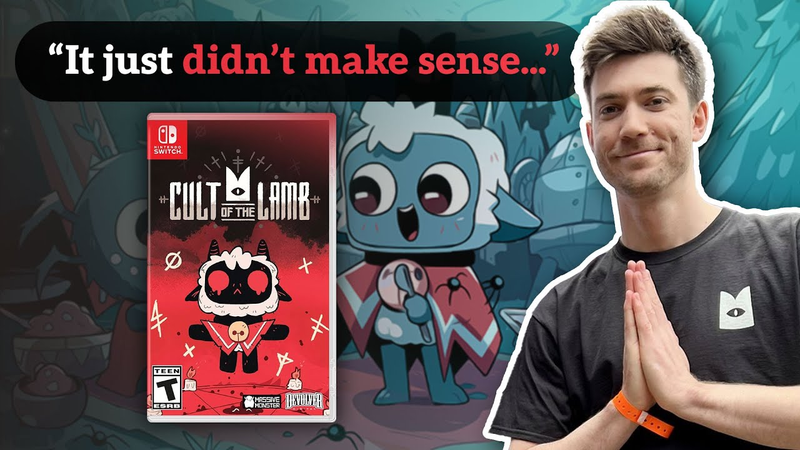
The Long, Perilous Journey of Creating "Cult Of The Lamb" — Full Time Game Dev Podcast Ep. 008
The development of Cult of the Lamb represents a strategic pivot from the rapid, high-turnover environment of the Flash gaming era toward a disciplined, premium-focused model for PC and console markets.
- The visual identity of Cult of the Lamb was a conscious decision to blend cute, Saturday-morning cartoon aesthetics with dark, gritty themes, drawing inspiration from the success of games like Don't Starve and The Binding of Isaac.
- Maintaining a consistent color palette—specifically black, red, white, and a 'holy' neon green-blue—was critical for the game's UI and marketing, ensuring a cohesive visual identity across all assets.
- The development team prioritized strong, clean silhouettes for character design to ensure they remained recognizable and iconic, often simplifying shapes to prevent visual clutter.
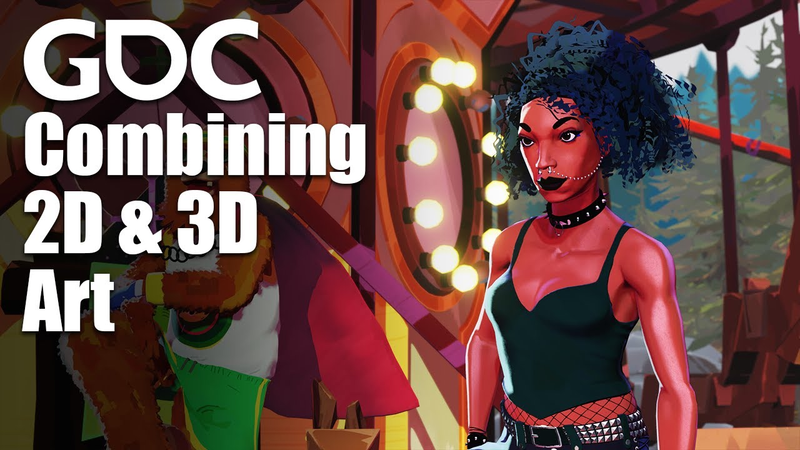
Art of 'Thirsty Suitors'
Thirsty Suitors is a narrative-driven RPG that explores themes of immigrant identity, family reconciliation, and relationship dynamics through a unique blend of turn-based combat, cooking, and skateboarding.
- Outerloop Games utilized a hybrid 2D/3D art style in Unity, employing custom toon shaders and rim lighting to create an illustrative aesthetic while leveraging 2D sprites for character taunts and narrative elements to save production time.
- To manage a small, fully remote team of 12–16 people spread across four continents and seven cities, the studio relied on asynchronous communication via Slack, Notion, and Miro, with a single weekly sync meeting scheduled to accommodate time zones in Beijing, Brisbane, and the US West Coast.
- With only one dedicated animator, the team implemented an automated lip-sync system using blend shapes and eight phonemes, allowing them to animate 21 speaking characters by feeding scripts and audio files into a spreadsheet-based pipeline.
This Problem Changes Your Perspective On Game Dev
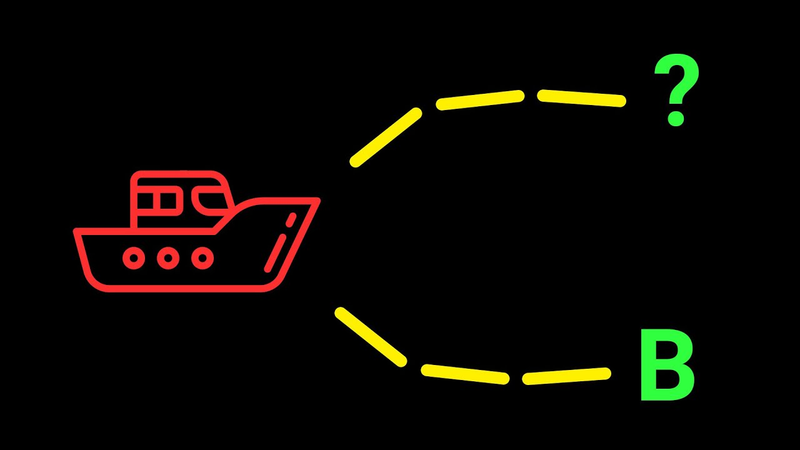
Game development is best understood as a search algorithm, where the developer acts as a captain navigating an vast, multi-dimensional ocean to locate the deepest spot—representing the highest potential for a successful game.
- Game development should be treated as a search algorithm where the objective is to optimize the balance between exploration and exploitation to find the highest potential design.
- Development must follow a structured progression: a wide exploration phase to identify directions, a pre-production phase to narrow focus, and a production phase that prioritizes execution speed.
- To maintain agility and objective evaluation, developers should prototype art and gameplay systems separately to prevent premature polish from masking the quality of core mechanics.