PC reports and market data
Documents
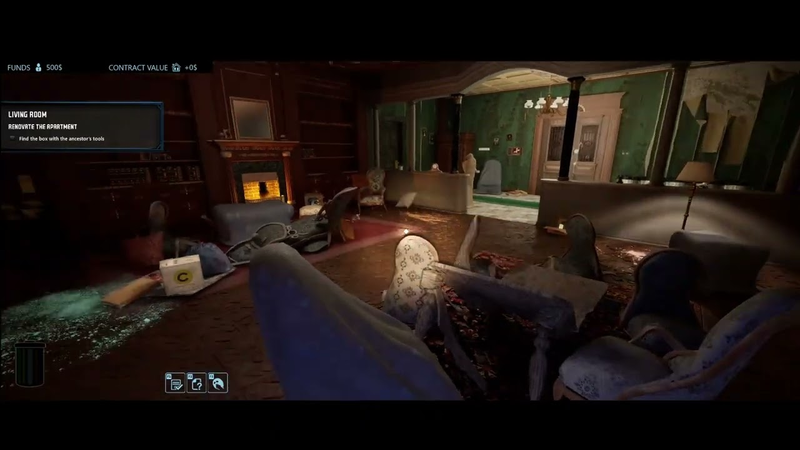
Haunted House Renovator
Haunted House Renovator serves as a practical case study for a development strategy that prioritizes core gameplay loops over high-fidelity production values.
- PlayWay achieves high profitability by prioritizing core gameplay loops over visual polish, often using stock assets and low-resolution images to minimize development time and costs.
- Effective game demos should include direct, integrated feedback mechanisms, such as Google Forms, that ask specific questions about tutorial intuitiveness and player interactions to guide future development.
- Developers should focus resources on functional widgets that drive cross-selling and user engagement rather than expensive, high-fidelity aesthetic elements like title screen backgrounds.
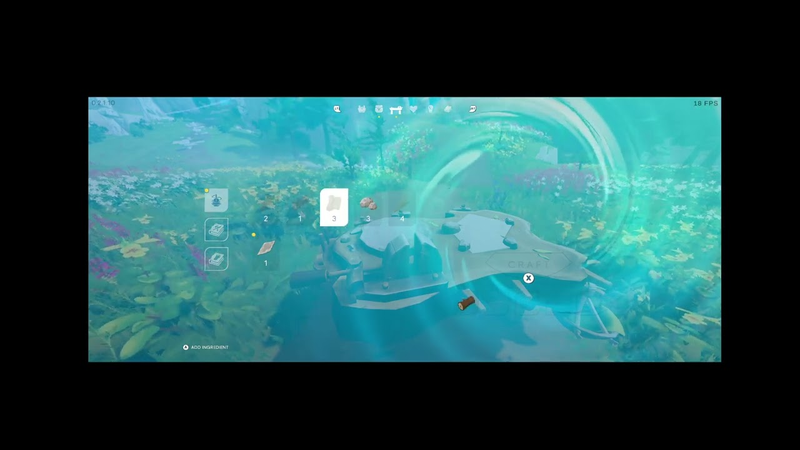
Aloft Best Demo of Steam Next Fest June 2024
Aloft distinguishes itself within the competitive survival-craft genre by pairing a visually striking, floating archipelago setting with a highly effective, non-intrusive onboarding process.
- Aloft utilizes a non-intrusive tutorial system that teaches core survival-craft mechanics without restricting player movement, successfully balancing structured guidance with open-world freedom.
- The game leverages Steam’s platform algorithms by providing substantial demo content designed to increase median playtimes and improve visibility.
- Developers have optimized conversion potential by integrating prominent wishlist prompts directly into high-traffic touchpoints like loading screens and menu interfaces.
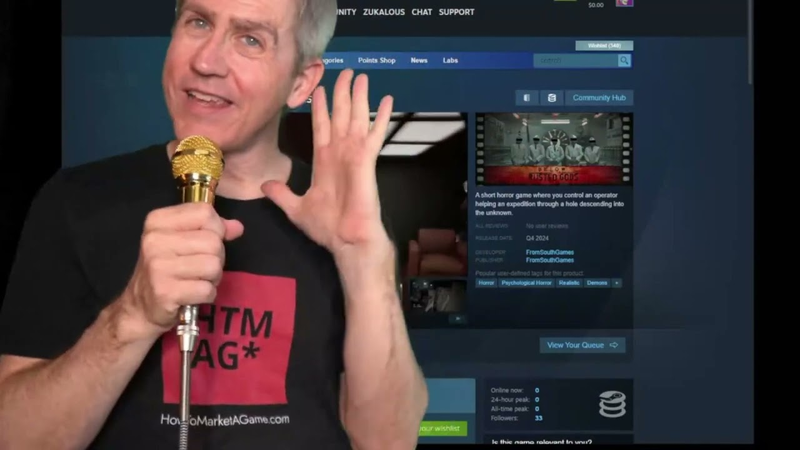
Steam Page Teardowns for HTMAG Summer Sale 2024
Effective Steam page optimization relies on precise genre communication and the strategic alignment of marketing assets with player expectations.
- Prioritize wishlist velocity—the rate of new sign-ups—over total wishlist counts to measure and drive effective Steam page performance.
- Optimize Steam pages by aligning visual assets with specific genre expectations, such as immediate threat visualization for horror or a transition to calm for cozy games.
- Avoid genre blending during development, as it frequently dilutes audience appeal; instead, ship the project and apply lessons learned to future iterations.

How I Made $174,000 With My Game (In A Year)
The transition to full-time independent game development is a multifaceted process that prioritizes market viability and strategic planning over purely technical proficiency.
- Prioritize defining a clear, marketable 'hook' for your game before focusing on technical development or coding, as this is the primary driver for sales and potential funding.
- Chris Stair achieved $174,000 in revenue within approximately one year of working on his game, 'Bō: Path of the Teal Lotus'.
- Securing a mentor or joining a community of like-minded developers can accelerate the learning process and provide necessary guidance for those transitioning into full-time game development.

The State of China’s Gaming Market
China’s gaming and esports landscape has transitioned from a niche domestic sector into a globally influential powerhouse.
- China's gaming industry is shifting toward high-fidelity, AAA-quality production, as evidenced by the commercial success of titles like Black Myth: Wukong.
- Strict government regulations have driven industry consolidation, forcing smaller developers to align with major conglomerates like Tencent and NetEase or focus on international expansion.
- The Chinese esports sector has achieved stability by moving away from volatile sponsorship models, with top-tier leagues like Honor of Kings attracting consistent major brand investment.
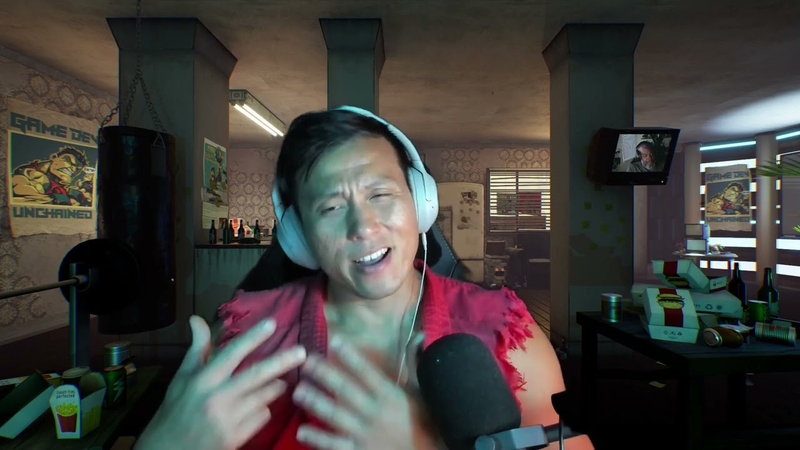
XBOX & Sony & Indie Games Future Plans | 350
The global gaming industry is currently navigating a period of profound instability, characterized by a severe wave of layoffs that saw 10,000 positions eliminated in the first half of 2024 alone.
- The gaming industry is experiencing a period of aggressive workforce overcorrection, with significant layoffs occurring across traditional AAA studios following a period of post-COVID over-hiring.
- Subscription-based models like Xbox Game Pass face long-term sustainability questions as companies struggle to balance the high cost of content production with the need to grow user bases through low-cost access.
- Industry data indicates that 79% of the online population engages with games, with nearly 50% of players operating across multiple platforms and 57% having spent money on games within the last six months.
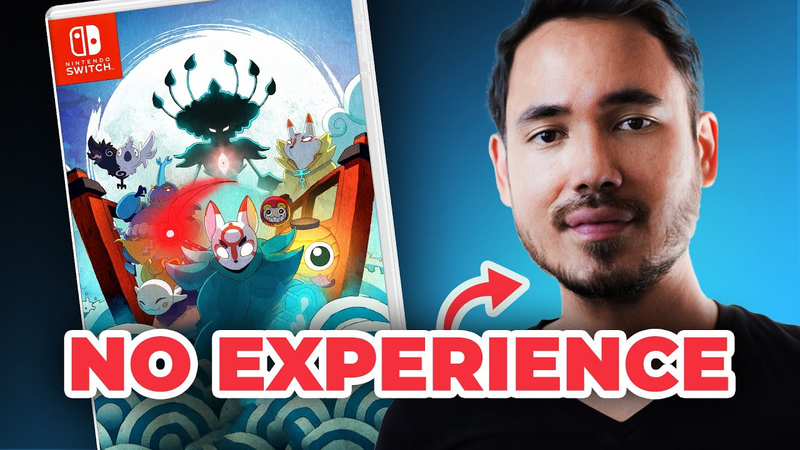
How My Game Made $150,000 With NO EXPERIENCE — Full Time Game Dev Podcast Ep. 012
The independent game development landscape demands a strategic synthesis of creative vision and rigorous business acumen.
- Chris Stair successfully funded the development of his game, Bō: Path of the Teal Lotus, through a combination of a Kickstarter campaign and a subsequent publishing deal with Humble Games.
- The developer emphasizes the importance of a clear, one-sentence 'hook' to define a game's market appeal, using the shorthand 'Hollow Knight but in Japan' to position his project.
- Maintaining a sustainable indie career requires treating game development as a professional identity and managing the psychological challenge of balancing creative focus with personal life.
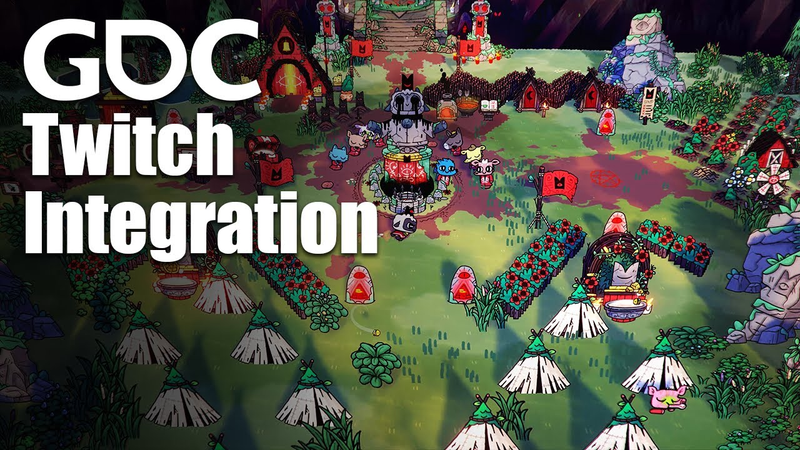
Cult of the Twitch: How 'Cult of the Lamb' Used Twitch Integration to Reach a Massive Audience
Cult of the Lamb serves as a definitive case study in leveraging Twitch integration to transform passive viewership into a collaborative, high-engagement experience.
- Cult of the Lamb’s Twitch integration drove significant engagement, resulting in 14 million unique interactors and over 400,000 viewer-created followers within the first month of launch.
- The integration helped sustain game viewership long after the initial launch hype, with approximately 90% of streamers continuing to utilize the Twitch features.
- Development of the integration was split into two phases: three months for the back-end infrastructure and one month for the in-game implementation, which was completed in parallel with console certification.
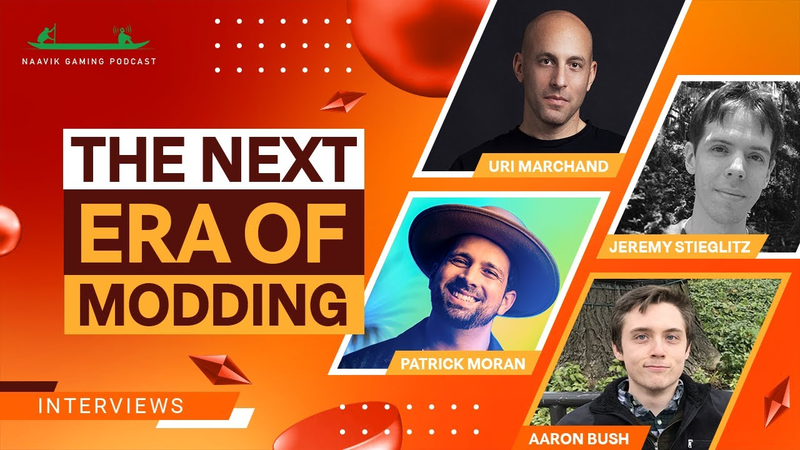
The Next Era of Modding
The gaming industry is undergoing a fundamental transformation as user-generated content transitions from a hobbyist pursuit into a professionalized, revenue-generating pillar of game development.
- User-generated content is shifting from a hobbyist pursuit to a professionalized, revenue-generating pillar that helps studios mitigate the industry-wide content treadmill.
- Modding is increasingly viewed as a net-positive business strategy that reduces production costs and development timelines compared to traditional AAA expansion models.
- Console ecosystems are the primary drivers of market expansion, accounting for over 65 percent of all mod downloads for major titles.
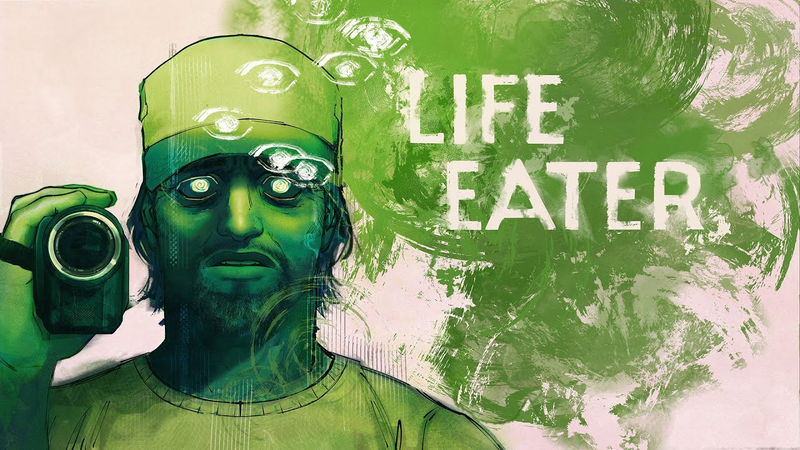
Fantasy Horror Kidnapping Sim ‘Life Eater’ with Xalavier Nelson Jr. | 349
Life Eater functions as a horror-fantasy simulation that challenges players to kidnap neighbors to appease a dark deity, serving as a vehicle to explore the profound moral ambiguity inherent in modern digital connectivity.
- The game 'Life Eater' uses the mechanics of a kidnapping simulation to explore modern vulnerabilities, specifically how social media oversharing and geolocation data enable real-world intrusion and security breaches.
- Developer Strange Scaffold emphasizes a sustainable production model, focusing on 'better, faster' development cycles that avoid the industry trend of 'max bet' projects to prevent team burnout and financial instability.
- The game’s core design philosophy shifts the moral weight from the act of kidnapping to the preceding intrusion, forcing players to violate a target's privacy and agency as a prerequisite for gameplay progression.
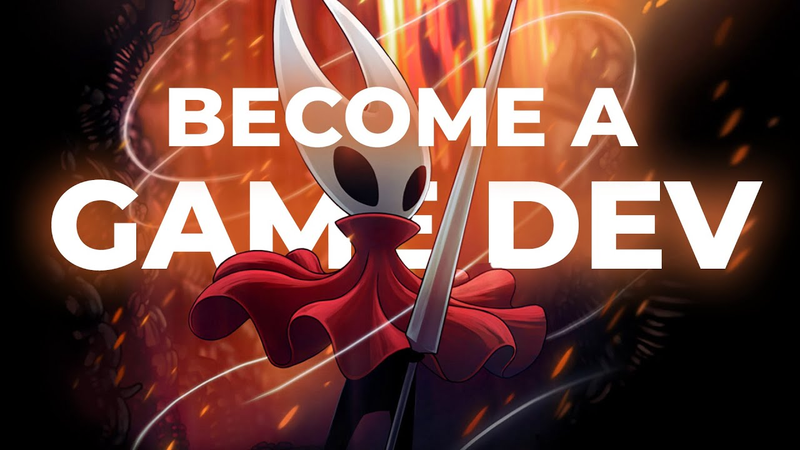
How To Become A Game Dev (While Working A Full Time Job)
Achieving a sustainable balance between full-time employment and independent game development requires strict time management and the prioritization of mental health over excessive work hours.
- Limit daily game development sessions to a maximum of two hours to ensure long-term consistency and prevent burnout.
- Implement a physical activity buffer, such as a workout or run, immediately after development sessions to decompress and transition effectively into social or family time.
- Establish clear boundaries with family and colleagues regarding availability to prevent creative work from encroaching on personal and professional responsibilities.
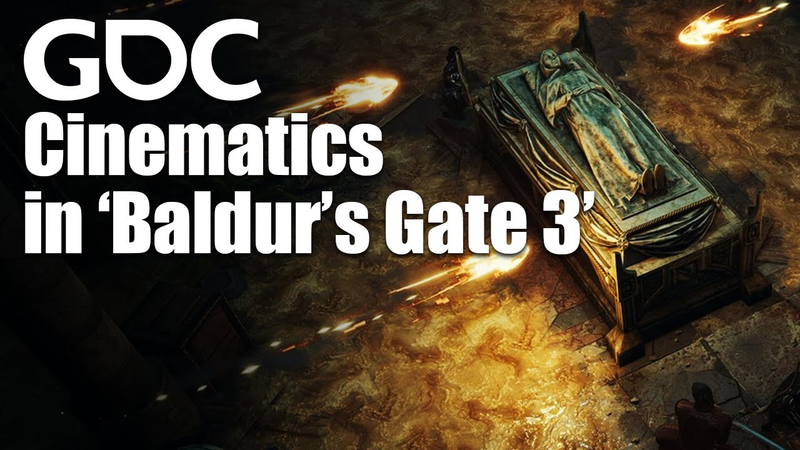
Larian Cinematics: A Top-Down Look at Our Bottom-Up Approach in 'Baldur's Gate 3'
The production of cinematics for Baldur’s Gate 3 represents a fundamental shift in RPG development, moving away from brittle, bespoke animation pipelines toward a flexible, template-based system.
- Larian Studios utilized 'inherited authorship' through scene templates, allowing cinematic artists to standardize camera setups and height variations, which ensured changes could be rippled across the entire game without breaking sequences.
- To manage the unpredictable nature of AI-driven NPC movement, the team implemented 'cinematic dummies'—timeline entities that replicated in-game counterparts while hiding the actual AI-controlled characters to maintain visual consistency.
- The cinematic team categorized their workflow into five pillars of expertise—analysis, ideation, strategy, execution, and revision—to transform the team identity from 'timeline jockeys' into developers who actively inform production processes.