PC reports and market data
Documents
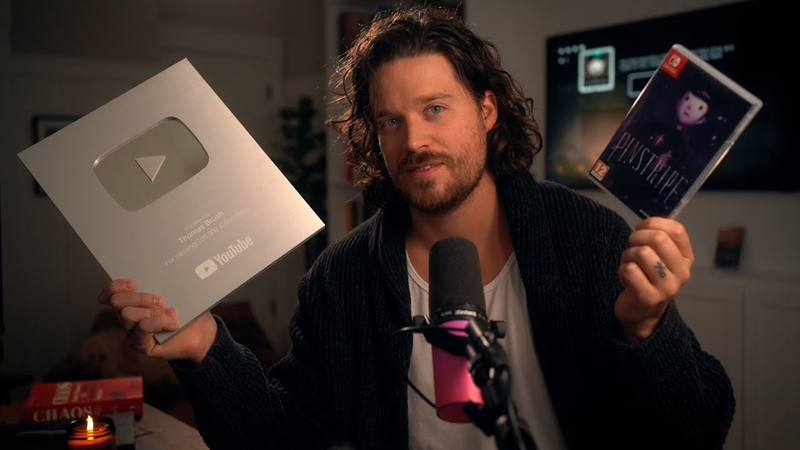
10 Years Of Game Dev Experience In 20 Minutes
The primary objective of this guide is to provide a sustainable, low-risk blueprint for indie game developers to achieve financial stability and avoid the common pitfalls of the industry.
- Shift from high-stakes, multi-year development cycles to a diversified business model that combines small-scale game production with consistent digital product sales.
- Establish a 'safe bubble' by creating two foundational assets: a Steam or opt-in page to collect wishlists and a high-value educational resource, such as an asset pack or mini-course, to generate monthly revenue.
- Prioritize the development of micro-games—tight, high-concept projects—to minimize financial risk and avoid the 'all-or-nothing' volatility of single, large-scale game launches.
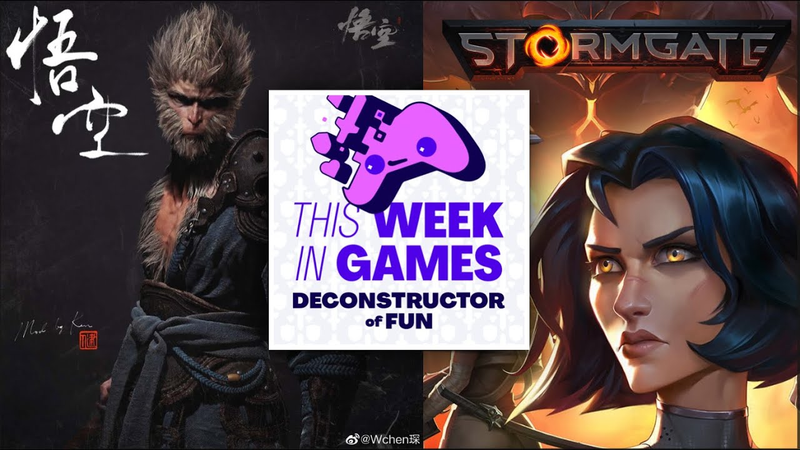
TWiG #296: THE RETURN OF LONG LOST HOST + Black Myth Wukong Goes Ape Shit and Stormgate Flops
The global gaming industry is currently navigating a period of intense volatility characterized by shifting player engagement patterns and the unsustainable escalation of AAA production costs.
- The gaming industry is facing a crisis of unsustainable AAA production costs and a stagnant hardware install base, forcing a shift away from traditional $70 premium models toward shorter, high-impact experiences or live-service ecosystems.
- Black Myth: Wukong has shattered Steam records, demonstrating the massive, untapped influence of the Chinese market on global commercial performance.
- Market performance is increasingly polarized, evidenced by the commercial failure of the RTS title Stormgate due to poor execution, contrasted with the success of EA’s College Football 25, which leveraged brand nostalgia and strategic bundling.
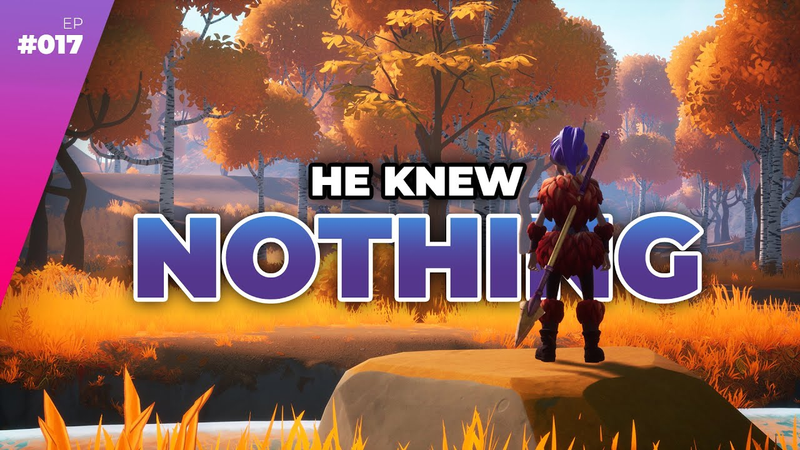
He Knew Nothing.... But Got His Indie Game Published — Full Time Game Dev Podcast Ep. 017
Transitioning from a background in video production to indie game development requires a fundamental shift in perspective, moving from the linear control of film to the complex, non-linear demands of player agency.
- Securing publishing partnerships provides essential funding and access to professional resources like voice talent, but developers must vet these partners as long-term collaborators rather than just financiers.
- Developers should stabilize the long-term development cycle by diversifying capital through a combination of government tax credits, grants, and crowdfunding.
- Successful game design requires mastering subtle signposting to guide player agency through non-linear environments without breaking the sense of discovery.

Monopoly Go! and Baldur’s Gate III: The Hasbro Perspective
Hasbro has solidified its position as a dominant force in the video game licensing sector, generating $3.25 billion in revenue over the past year.
- Hasbro generated $3.25 billion in revenue over the past year through its video game licensing strategy, significantly outperforming industry competitors.
- The company’s growth is driven by a strategic pivot toward high-quality digital partnerships that translate legacy physical intellectual property into virtual experiences.
- Hasbro utilizes a dual-pillar strategy of brand familiarity to lower user acquisition costs and creative autonomy to ensure genre-expert developers handle their franchises.
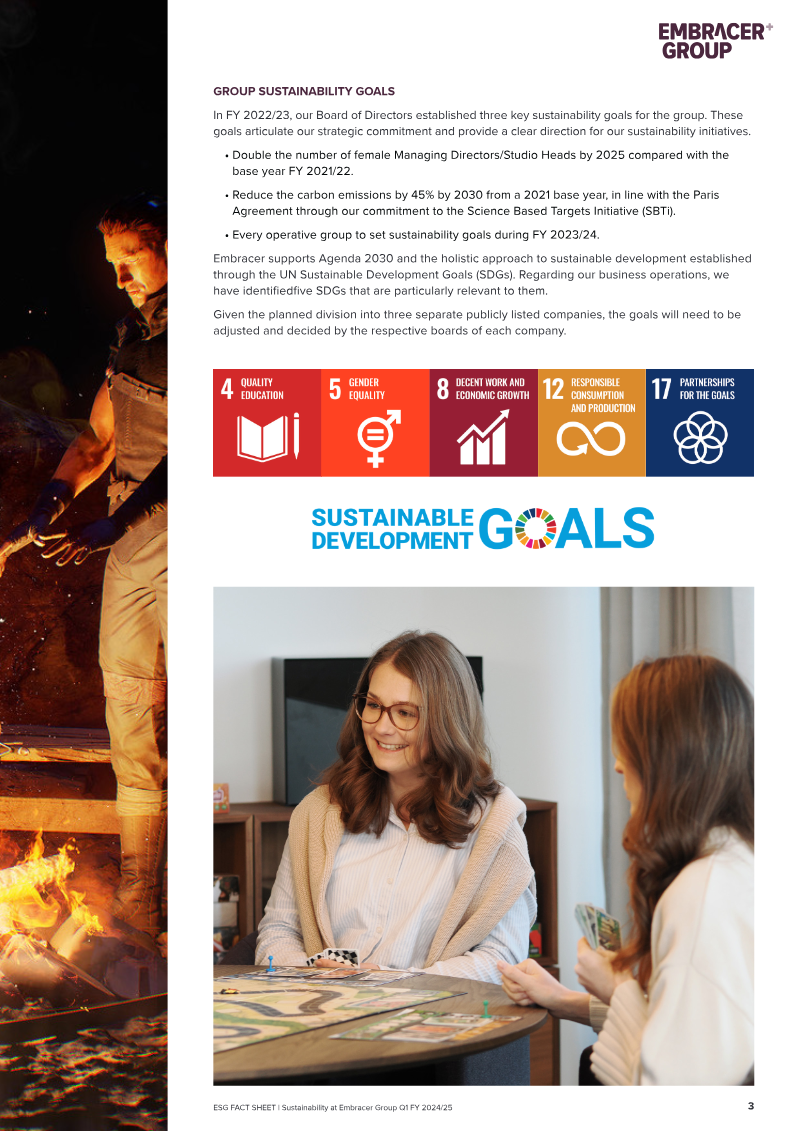
Sustainability at Embracer Group: FY 2024/25 ESG Fact Sheet
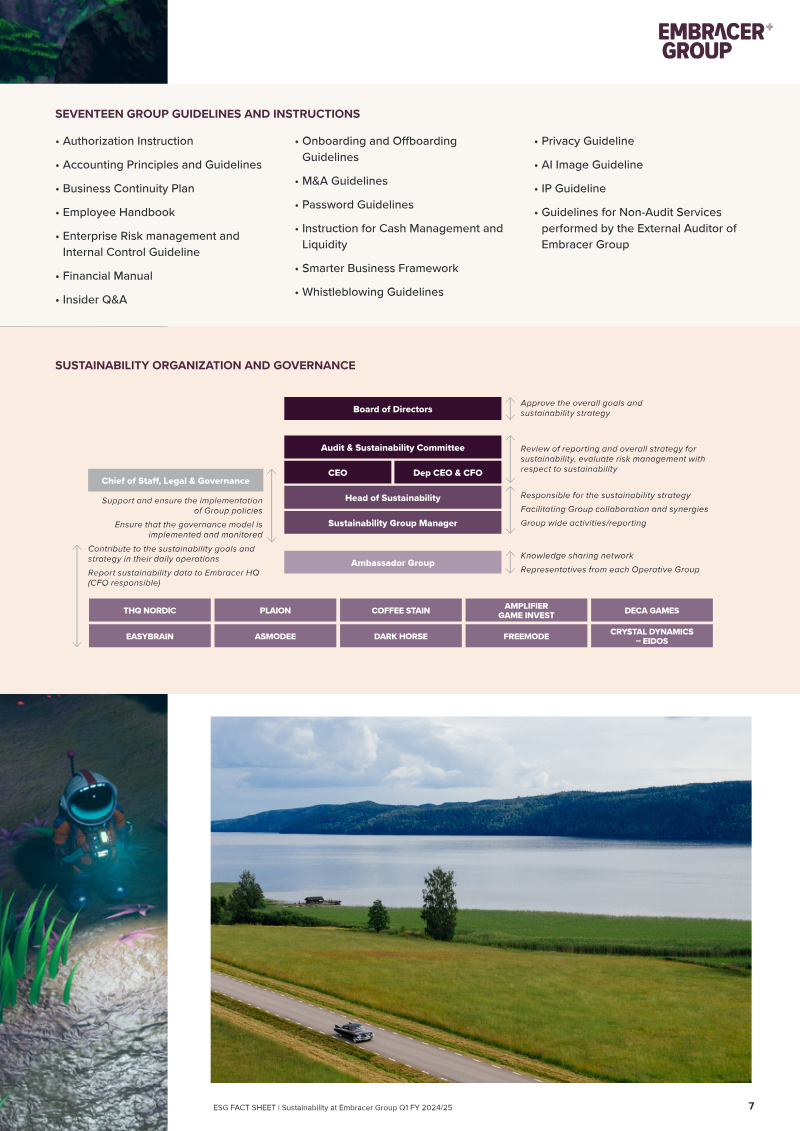
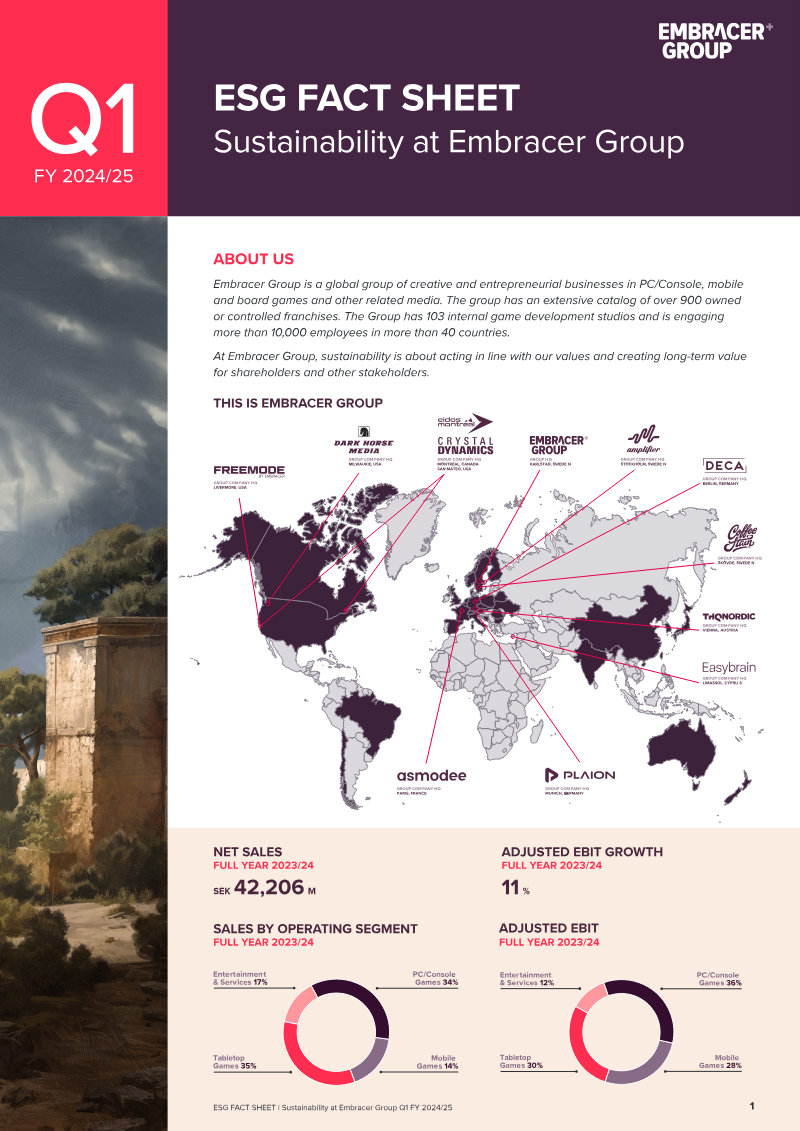
Embracer Group’s sustainability framework, titled Smarter Business, outlines the organization’s commitment to integrating environmental, social, and governance (ESG) principles across its global operations.
- Embracer Group is undergoing a corporate split into three standalone entities, requiring each new board to redefine and approve sustainability targets tailored to their specific operational contexts.
- The company aims to reduce Scope 1 and 2 carbon emissions by 45% by 2030, though 98% of its current total emissions are categorized as Scope 3.
- Female representation within the group stands at 30% for total employees and 26% for management roles.
System-Centric Puzzle Design in 'Patrick's Parabox'
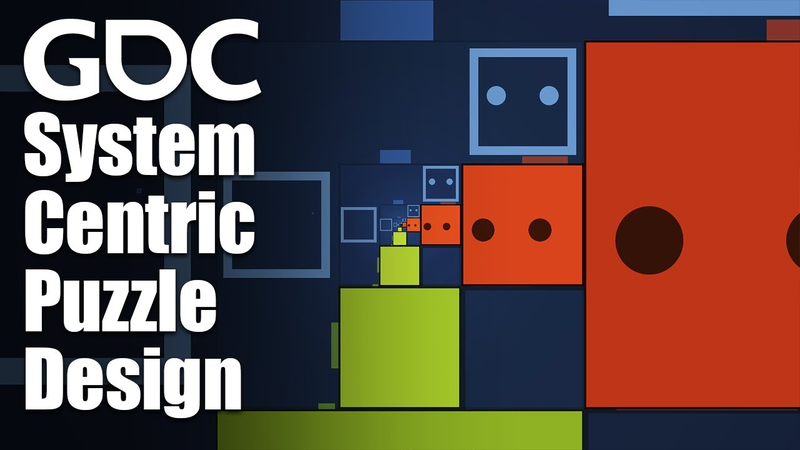
The development of the award-winning puzzle game Patrick’s Parabox serves as a case study for system-centric design, where the primary objective is to showcase a core recursive mechanic rather than purely challenging the player.
- Iterate on puzzle difficulty by trimming the possibility space, such as constraining objects within walls to limit incorrect moves and ensure players focus on the intended solution path.
- Utilize playtesting sessions where users record both their screen and voice narration to gain deep insights into their mental models, emotional states, and specific points of confusion.
- Crowdsource puzzle ideas by observing 'almost happen' moments, where a playtester attempts an action that fails but could be turned into a valid, core mechanic or solution in a future level.
You MUST AVOID These 4 Game Dev Mistakes
The primary purpose of this analysis is to identify critical pitfalls in indie game development that lead to costly production delays and poor player reception.
- Developers must prioritize early player feedback and structured design processes to avoid costly production delays and ensure commercial viability.
- Implement rigorous gray-boxing by blocking out levels with abstract shapes before applying assets to ensure gameplay loops are functional and logical.
- Mitigate 'creator bias' by assuming players possess only one-third of the developer's internal knowledge regarding game mechanics.
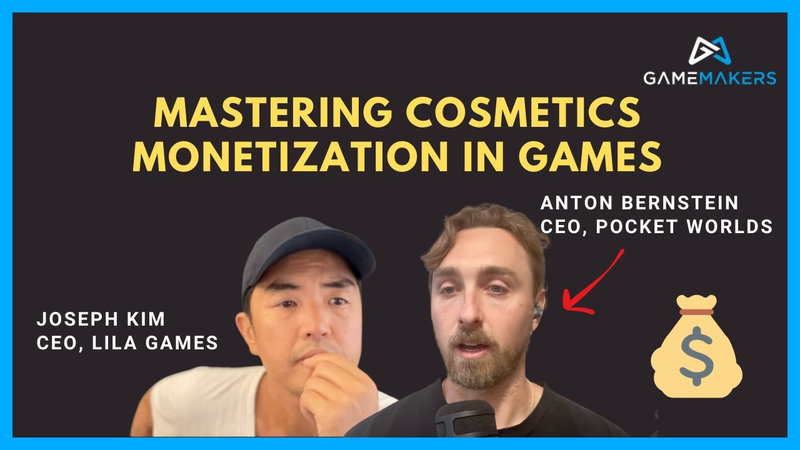
Mastering F2P Cosmetics Monetization in Games
Effective free-to-play cosmetic monetization relies on the intersection of social signaling, player engagement, and carefully managed in-game economies.
- The presence of a secondary market significantly alters monetization strategy, as seen in platforms like Second Life, which generates $180–$200 million in revenue from a relatively small base of 50,000–60,000 concurrent users.
- Managing a secondary market requires rigorous economic oversight to prevent hyperinflation, as evidenced by the collapse of Gaia Online after the introduction of a currency-producing item.
- Player motivation for cosmetic purchases is driven by status and social signaling, particularly in competitive multiplayer games where spectating mechanics force players to visually engage with others' gear.
TWIG #294 Bungie Fires, Supercell Hires and Roblox Grows
The global gaming industry is currently undergoing a period of intense structural correction, characterized by widespread workforce reductions and a shift in consumer spending habits.
- Roblox continues to demonstrate strong growth with a 22% year-over-year increase in bookings and a user base exceeding 380 million monthly active users.
- Major studios including Bungie and Jam City are implementing significant layoffs to combat unsustainable burn rates and high development costs in the current economic climate.
- The mobile gaming sector is increasingly adopting hybrid-casual strategies, exemplified by White Out Survival, which uses hyper-casual advertising to funnel users into complex 4X strategy games.
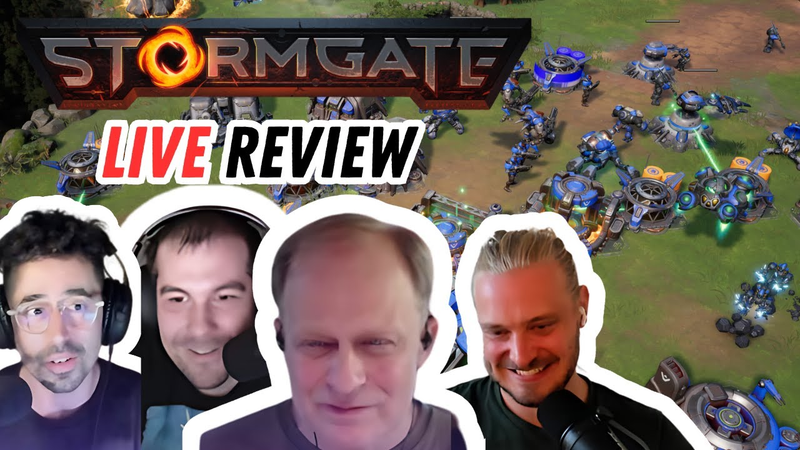
Inside Stormgate with Tim Morten: In-Depth Live Review & Gameplay with Insights
Frost Giant Studios is positioning Stormgate as a modern successor to the classic real-time strategy genre, specifically targeting the legacy of Blizzard titles like StarCraft and Warcraft.
- Frost Giant Studios is developing Stormgate as a free-to-play real-time strategy game using Unreal Engine and proprietary SnowPlay technology to manage high unit counts and network complexity.
- The monetization model rejects pay-to-win mechanics in favor of à la carte purchases for campaign expansions, cooperative commanders, and cosmetic items.
- The studio maintains creative independence through a combination of private investment and crowdfunding, bypassing traditional publishing deals to avoid KPI-heavy mobile gaming metrics.
Is The Indie Game Dream Still A Thing? — Full Time Game Dev Podcast Ep. 016
The modern independent game development landscape demands a strategic fusion of distinct artistic identity and rigorous commercial planning.
- Building an email list is the most critical marketing asset for indie developers, as it serves as the primary driver for both Kickstarter campaign notifications and Steam wishlist conversions.
- Indie developers can achieve financial viability by focusing on marketing with the same intensity as game development, including proactive outreach to potential backers and community members.
- For teams with limited development time, such as the six-month window utilized for 'Layers Deep,' prioritizing the creation of a high-quality trailer is essential for building early momentum and community interest.
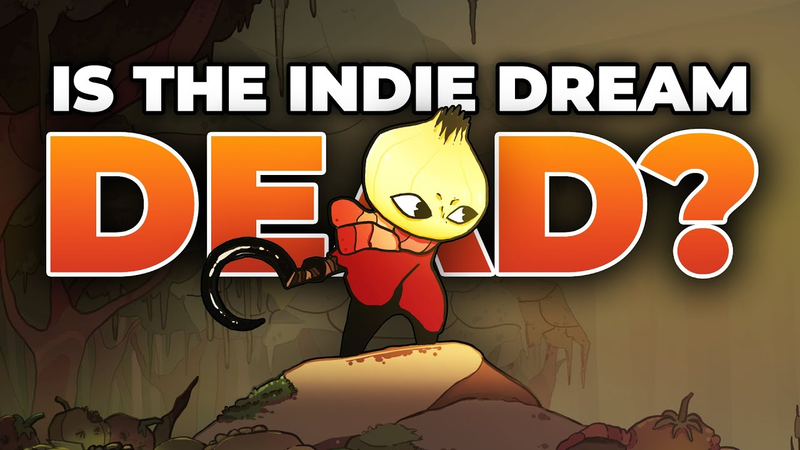
Is The Indie Game Dream Dead?
The indie game development landscape remains viable for those who treat marketing with the same rigor as technical development.
- Crowdfunding remains a viable path to full-time indie development, evidenced by a successful $48,000 Kickstarter campaign that allowed the developer to transition to full-time work.
- A successful pre-launch strategy requires building a base of 500 to 1,000 followers on the Kickstarter page before the campaign goes live to ensure initial momentum.
- Marketing should be treated with the same intensity as game development, utilizing outreach to influencers and professional contacts to secure promotional support prior to launch.