PC reports and market data
Documents

Let's Review Your Games — Ep. 014
Successful indie game development requires a strategic balance between technical polish and high-impact marketing.
- A well-executed demo remains a critical tool for wishlist generation, capable of securing tens of thousands of sign-ups prior to a game's launch.
- Trailers must prioritize five seconds of intense, representative action before introducing narrative context to minimize viewer drop-off.
- Steam presence functions as the primary gateway for player acquisition, requiring a clear, compelling hook that immediately communicates value rather than relying on vague thematic descriptions.
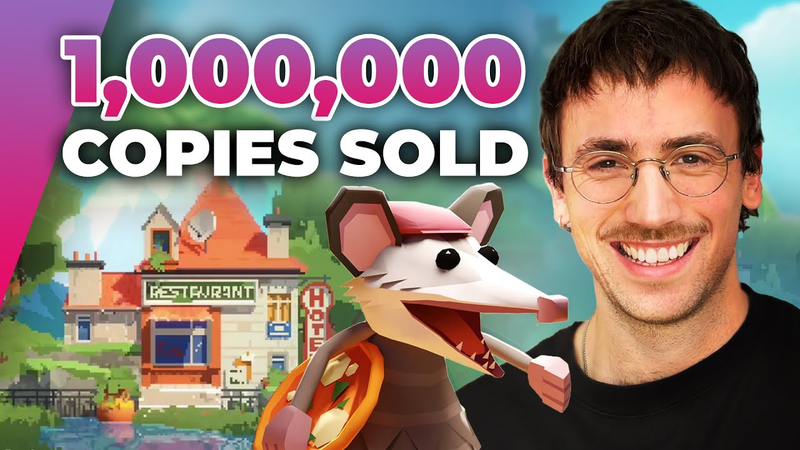
How He Sold 1,000,000 Copies Of His Games (Friedemann Allmenröder) — Full Time Game Dev Podcast 038
Successful game development requires a strategic synthesis of creative exploration and disciplined execution.
- Commercial success requires balancing external player feedback with internal design integrity, where developers act as the final arbiters to ensure solutions align with the game's core artistic vision.
- Adopting a subtractive design philosophy—consolidating complex systems into elegant, accessible mechanics—is essential to avoid feature bloat and create a cohesive player experience.
- Building a dedicated audience acts as a critical buffer against industry volatility, such as market oversaturation and shifting distribution models, to maintain long-term visibility.

Let's Review Your Games — Ep. 013
Indie game success hinges on the ability to capture player attention immediately through polished first impressions and clear, intuitive design.
- Prioritize the first five minutes of gameplay, as this window is the primary determinant for player and streamer retention.
- Sound design accounts for up to 60 percent of the player's sensory experience and should be prioritized over music to establish immersion.
- Trailers must utilize an appetizer-entree structure, starting with high-energy action to secure interest before transitioning into narrative context.
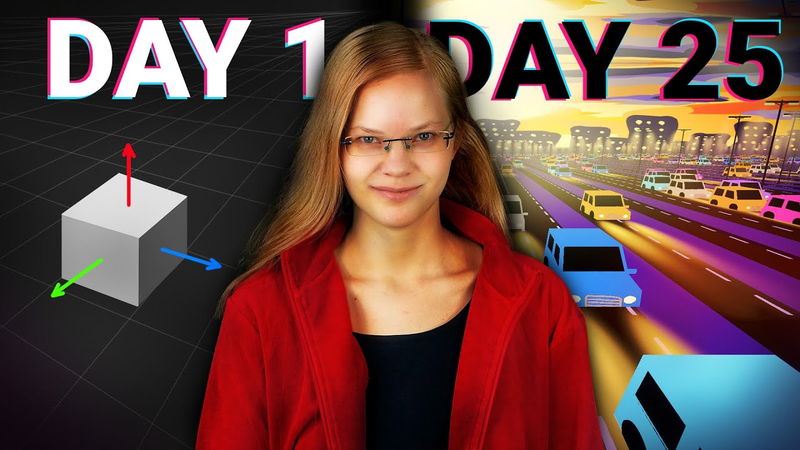
My Sister Learns Game Dev In 25 Days
This account details a 25-day intensive mentorship program designed to teach game development fundamentals to a beginner using the Unity engine.
- A project-based curriculum that mandates daily small-scale builds effectively bypasses 'tutorial hell' by forcing the application of core concepts like physics, UI, and debugging.
- The 25-day intensive program successfully transitioned a programmer with no prior C# or game engine experience into a developer capable of creating a polished, original game.
- Rapid iteration is a primary driver of skill acquisition, as evidenced by the participant moving from basic 2D/3D mechanics to complex 3D modeling and shader implementation within three weeks.

Let's Review Your Games — Ep. 012
Successful indie game development requires a strategic synthesis of focused design, clear marketing hooks, and high-production-value promotional assets.
- Prioritize the development of smaller, polished, and mechanically distinct titles over over-ambitious open-world projects to avoid unguided or empty player experiences.
- Differentiate a game in a crowded marketplace by synthesizing familiar genres with a specific, unique visual or mechanical twist.
- Treat game trailers as narrative frameworks where sound design—specifically synthesized or layered audio—is used to dictate pacing and emotional impact.

Let's Review Your Games — Ep. 011
Success in the modern indie game market depends on the ability to communicate a distinct, compelling hook within seconds.
- Marketing assets must communicate a game's genre, setting, and unique mechanics within seconds to overcome high saturation on the Steam storefront.
- Trailers should prioritize high-action sequences, rhythmic musical drops, and professional sound design to guide viewer emotional response, even if the game build is incomplete.
- Developers should replace bloat-heavy tutorials with contextual prompts integrated directly into gameplay to facilitate immediate player engagement.
Which Engine Is Best? (Unity / Godot / Unreal / Game Maker)
The selection of a game engine is a strategic decision that significantly influences a developer’s creative output, technical workflow, and long-term career trajectory.
- The choice of game engine is a strategic decision that dictates a developer's creative output, technical workflow, and long-term career trajectory.
- Unreal and Unity offer advanced features like real-time global illumination but present steep learning curves that can lead to bloated, generic-looking projects for small teams.
- Specialized 2D engines like GameMaker provide a constrained environment that promotes faster iteration and a distinct, personal artistic style by avoiding the complexity of 3D pipelines.

Let's Review Your Games — Ep. 010
Technical optimization serves as the foundational requirement for modern game success, as player reception is heavily influenced by frame rate stability, remappable controls, and support for ultra-wide displays.
- Optimization and stable frame rates are critical for positive player reviews, as technical performance issues can significantly detract from the user experience.
- Integrating the Steam API directly into a game allows players to wishlist titles via an in-game overlay, which is more effective than redirecting users to an external URL.
- Effective game tutorials should avoid intrusive, constant voice-over narration that dictates player actions, as this can negatively impact engagement.
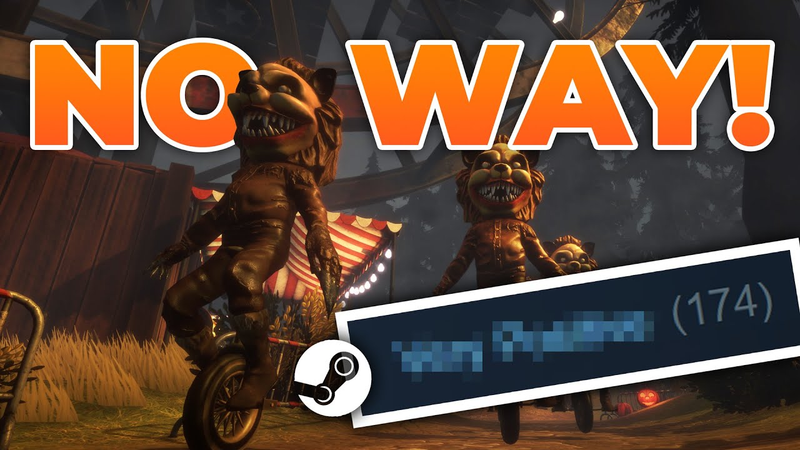
Here's How My Demo Launch Went On Steam!
The launch of the Twisted Tower demo on Steam serves as a case study for the challenges and strategic importance of releasing early-access content.
- The 'Twisted Tower' demo achieved a 92% positive review rating from 180 Steam reviews, successfully reaching the number four spot on Steam's 'Free Trending' tab.
- Launching a standalone demo page on Steam exposes the developer to immediate public reviews, which can significantly impact the game's overall reception and perceived credibility during the launch window.
- Technical issues, such as frame-rate dependent mouse smoothing and lack of ultrawide monitor support, triggered immediate negative feedback that required rapid post-launch patching.
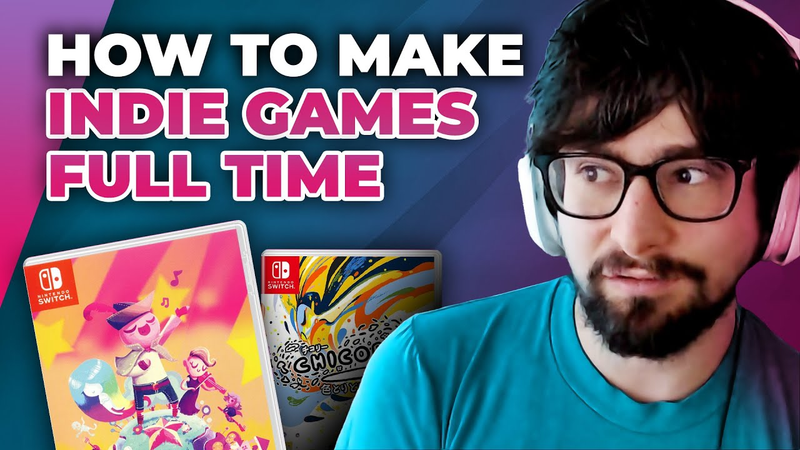
How To Make Indie Games Full Time (Greg Lobanov) — Full Time Game Dev Podcast Ep. 037
Achieving a sustainable, full-time career in independent game development relies on building a consistent portfolio of commercial projects rather than chasing singular viral successes.
- Indie developers do not need viral hits to sustain a full-time career; consistent income can be generated through a portfolio of smaller, non-explosive titles like Coin Crypt, Wandersong, Chicory, and Beastieball.
- When working with limited resources, developers should refine their core game loop and gimmick as a solo developer before hiring a team to scale production.
- Working with publishers can be a strategic choice for experienced developers to offload non-creative tasks, but creators should avoid large, high-stakes deals and prioritize clear, concise milestones to mitigate risk.
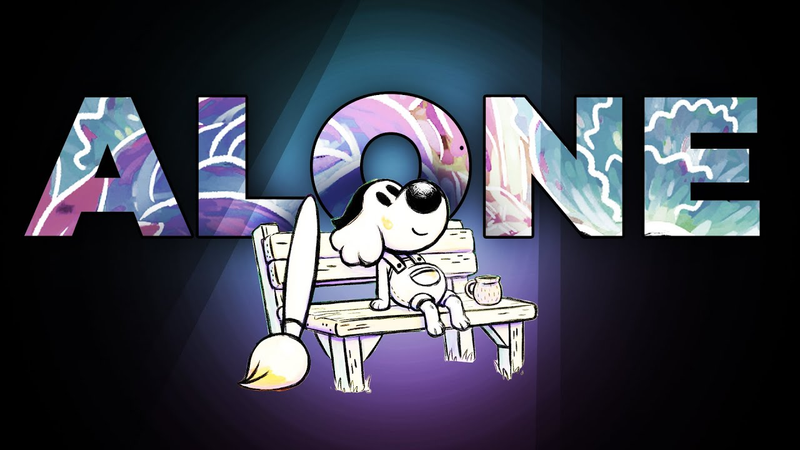
How To Make Games Alone (And SHOULD YOU?)
The development of independent games involves a spectrum of production scales, ranging from solo efforts to collaborative team-based projects.
- The decision to scale from a solo developer to a team should be dictated by the specific technical and design requirements of the project rather than a general desire for company growth.
- Solo development provides maximum creative autonomy and agility, but often requires outsourcing specialized tasks like music and sound design to maintain professional production standards.
- Transitioning to a team-based model enables the realization of ambitious 'dream projects' that exceed the capacity of a single developer, though it introduces increased production friction and slower development cycles.
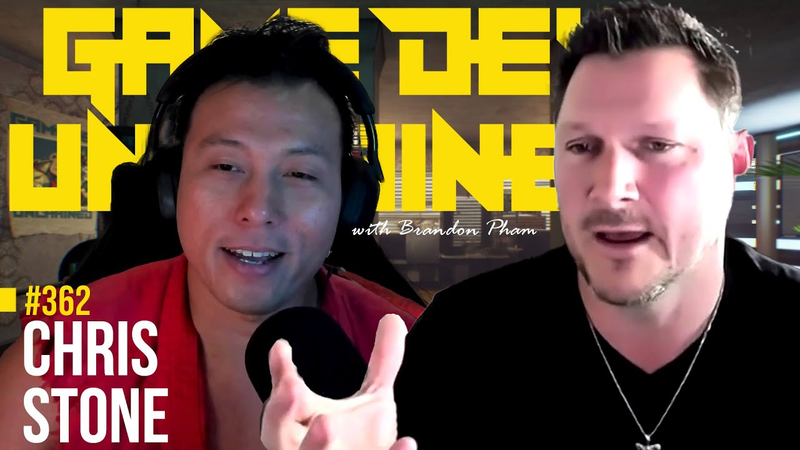
Gaming Today with Studio GM Chris Stone | 362
The gaming industry is currently navigating a significant post-pandemic correction characterized by a shift away from the unsustainable growth, aggressive over-hiring, and inflated salary expectations that defined the previous few years.
- The gaming industry has shifted from a pre-COVID era of easily accessible $100 million budgets for AAA projects to a current environment where investors are significantly more risk-averse.
- Remote and hybrid work models have disrupted traditional project management, as the lack of in-person interaction makes it difficult to gauge individual productivity, maintain team shorthand, and build the trust necessary for effective leadership.
- Managing remote teams requires a personalized approach, as managers must account for varying home-life constraints and individual work styles rather than relying on standardized, pre-prescribed recipes for team composition.