Transcript
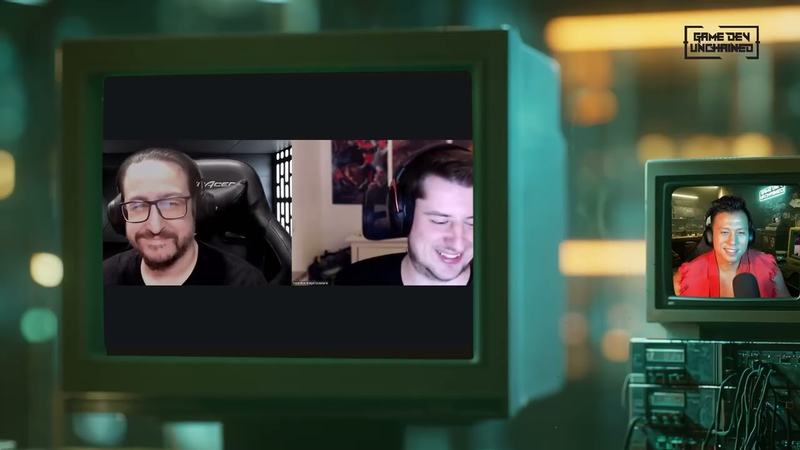
[Music] what's up everyone welcome to another episode of Game Dev unchain the number one game development podcast about game development and lifestyle thereof I'm your host Brandon fam and joining me a special guest whose name is straight from the 80s Action Hero Chris Stone what are you doing Chris I you doing man it's been been a while huh yeah it's been a while uh before we get into it I would love uh you to kind of introduce yourself to the audience out there who you are where you've been where you heading all these just a little recap uh just so they get familiar sure give you the cliff notes version yeah uh my name is Chris Stone I've been working in the video game industry for uh she's about 30 years now which is kind of frightening and a little depressing to think about um started out as a as an
animator back in uh launch title PS1 days um first game I worked on was Duke Nukem so it's been just kind of off to races ever since then um kind of passed through there went to uh Electronic Arts for for many years was a senior direct there director there Crystal Dynamics Activision Sony uh and now I work for void interactive producing a game called Ready or Not which is a first person tactical Cooperative shooter a lot of fun but uh yeah been attached to a lot of big franchises director for Call of Duty for 10 years days gone was one of the original creators of Dead Space um and yeah I guess as comes with the uh the 30 years i' I've been around the block a few times so right and uh I want to thank you for coming on and uh it's a good talking to you again but like obviously to kind of kick things off um like you said the last three years
there's been a lot of up and downs we're kind of like in a down moment in the industry and like you said you've probably seen it all but this one as as you know we're kind of talking to everybody it feels a little different and you know you being like co-founder at Studios being at the director Lev for so many years um would love to kind of get your opinion you know from from that height of like did you kind of see this coming do you see this like this wave that everybody was kind of bracing for uh just you know um I always compare kind of this period that it got way too employee heavy in terms of like ridiculous salary ass and it was just super competitive to find talented people because the expectation was too high and it you know postco area everybody was not wanting to come in the office anymore and it kind of slowed things down so would love to kind of hear from the top like what were you guys seeing and how did you guys kind of
you know you personally feel like what was going to happen yeah man you know it has been a it's been a crazy crazy few years for sure um you know prior to covid uh you know I think everything was status quo we were we're making big budget AAA games uh people were throwing around 100 million bucks pretty easily to make a big big project um you know as long as you had some industry clout and a good idea uh companies were willing to take that risk and and you know typically that risk paid off if you were investing in the right people uh you know and and I don't it it isn't different now the difference is is nobody wants to take the risk anymore um so covid changed a lot man I mean we were uh we were building or we had just started Striking Distance Studios when Co hit um you know we we had been in production of Kalisto protocol for man months yeah not not
long you know we had a good solid solid idea what the game was we had some little prototypes and things like that we were building our studio we had this beautiful Studio we were building amazing Moab stage the whole thing we moved into the studio less than a week after moving into the studio we all went home and the studio basically sat empty for a year and a half you know luckily you I think we a little bit saw the writing on the wall with Co and so we had a lot of our infrastructure kind of somewhat set up for remote work so we were able to send people home and you know be as productive as we could but you know there are things you don't account for uh you know you don't account for sickness you don't account for people taking care of family you don't account for uh people having to take care of their kids while they're doing remote schooling you don't account like there's a million things you don't account for when people are at home like basically 24/7 yeah um and that's just on the development inside so you know
what we found was just our production schedule was way off we could not keep up with the the the not the quality but the quantity of work and it just was very very difficult so we went from uh you know you know we went from thinking we were going to have around 80 people uh in the studio to well over 200 you know we had we did the studio a lot and and that's a product of just having to hit a milestone you know there times and unfortunately our ship date was one of them and uh so we had to do everything we could to make sure we delivered that product um so you know we added a lot of people to the product we we did the best we could uh we shipped a game that you know ultimately I think it it underd delivered which is unfortunate we had we really had nothing but um potential with
that project there was so much we could have done and the fact of the matter was we just we just ran out of time and it really unfortunate you know we we we got deep into that production and uh you know we weren't able to really get focused feedback back from uh from focus groups until just a few months before ship and at that point you know you know what it's like brand like you've been in game development right you can only respond yeah you only do to the things you can do right so we did everything we could uh you know we were a small studio trying to do everything everything possible on our own including QA and Publishing and marketing um yeah it fell short and and I think the fact that we even shipped a game though was a real Testament to our studio because you look at that time period yeah not a lot of games came out we were really one of the very first and only games that was done completely under covid and then launched uh on time so you know that that's a that's a a
feather in the cap for sure but I think the same thing that happened to us happened to all companies you know they they looked at their projects they're like man we got deadlines we got to hit what do we got to do to fix this and basically it's throw people at the problem um and I think that is really what started a lot of this unfortunately you know and uh the other part that I think got a little tricky was you know all the all the big companies making money on Gam games you know all of a sudden their profits just went straight up you know all everything that was like considered like high profit before were like oh my gosh we're just blowing this out of the water like yeah because everybody's locked in their house 24 hours a day right yeah nothing else to do yeah um so you know but profits of companies went through the roof um then Co ends and the anticipated happens the profits drop back down again um and I
think that the irony of a lot of it is is like it's not like they fall through the floor they basically just normalize but that's not what you're used to now and it's not how you've been spending and um on top of that you've now got this glut of people and you don't necessarily have projects to put them on because now the perception is the revenue is down so there is no real desire to invest so it's very hard to get more projects green lit and then what do you do you know you got a team of 200 300 however many you have tons and tons of people and you don't have projects to roll them on to you just got them twiddling fingers the end of the day you you're just trying to keep a company afloat and that's how it starts um I mean I think there are other reasons for it too um but I mean to me those are the those are the biggest that's the biggest reason we are where we are
um and now you know I think everybody's trying to figure out what this new world of development is um I mean to be fair again I haven't done this for 30 years I've never worked on teams that until now who are fully distributed I've never worked on uh projects where you never meet the people you're working with and like you're doing this over zoom and you're trying to brainstorm over over uh software packages where you it's really hard to even have to talk because one just drops the other it's just a very you know the process is a lot different um and I think on top of that most companies who have been making games for a long time in a very traditional sense of like people in a studio or whatever now I've got this new model where you've got Hybrid base or remote I mean I know a lot of companies are trying to bring people back which is probably another whole topic um but you've got companies trying to figure out what does it take
to make a game now because we don't have the analytics to tell us anymore like once upon a time you could look at a project and spec it out and be like I need 100 people for that project I need 30 people in this department 20 people in this department 10 people here XYZ right kind of a you know pre pre-prescribed recipe for making a game almost just in terms of Manpower but now what does it mean to have one person who's hybrid and one person who's remote and one person's on site and um so you've got that Delta where you're like all right well what sort of productivity level am I expecting from all these people then on top of that you have a lot of teams that have been broken up who aren't you've never met the person you don't know the person you're working with um so you kind of lose a lot of that short hand too uh where you know once upon a time like you and I work together like you and I didn't work directly but you know what it's like right you work with people that that that you know and you're like oh I know what this guy's going to produce
yeah but but nowadays anybody can get a job almost anywhere right with with the not as much now but as of about a year ago if your dream job was to work for uh you know Ubisoft in Montreal but you live in Idaho and you don't want to live to Montreal like all right well up until remote days you couldn't do that but now it's like yeah no problem so anybody could go anywhere and I think it broke up a lot of really powerful teams it broke up a lot of like real um you know important Dynamics and so now you got people that again they don't really know what it takes to make the game and so it's uh I think what we're going to see is companies picking guesses at what it's going to take and then probably figuring out that they have not guessed properly um you know right now we're still I think we're to me it feels like we're almost getting to the point where companies are looking at what's been
done with the with the layoffs and the closures and whatnot and I think they the gears are starting to catch a little bit where people are like well wait a minute we're not going to have any games or uh wait a minute we laid off two-thirds of our people and all of a sudden we need half of those people back again I think that's going to happen um I don't I can't see how it wouldn't at the end of the day like the game industry is not going anywhere like people we need to have games so you know I think that's what's going to happen but that's where we are now and I think that's how it all started if I was to give you a super long-winded answer to that no it's great and there's a couple things I I definitely want to return to uh your background is great because uh it provides a lot of insight you're used to building large teams for like high budget triaa a lot of dependencies um it's funny to say this preco era and then postco era I I I do agree that there is a permanent change
and I would love to dig into it a little later of like the cost of benefit of that in terms of the bigger picture but you mentioned something like um you know when you guys were uh creating a new studio a new IP with Kalisto protocol right the variety of challenges that you know was accounted for and not accounted for just because it was a new problem right that people in the world have never faced as globally at the same time at least and then uh game developers in particular having to kind of work a different way right um You guys obviously went into there had an idea of how long things would take like how how much of a delay was those challenges given you guys uh like it was it three times as long four times as long even with trying to you know hire more you guys were mentioning from 80 to 200 like given that like how long did it just finally kind of settled did you guys find a rhythm at the end even or was it
just kind of like this like cross no we did I mean I think I think the problem is is it wasn't one problem yeah it was a bevy of problems right it was it was predictability around schedules it was predictability around Manpower like the attrition was crazy I mean we had people leaving all the time yeah and it was everybody did and again the Market was ripe like anybody mean I I probably got a job offer every week from a company right and everybody did it was just for this same reason everybody needed to staff so and I can remember there was one week in particular where we lost our our lead character technical director we lost our lead gameplay animator and we lost our lead uh camera designer in one week same week
all the different places yeah and it was like I almost didn't want to wake it was like it wasn't even in one week it was like three days in a row it was like Monday Tuesday Wednesday and I remember waking up Thursday morning and I was talking to Glenn and I'm like bro I don't even want to look at my email and he's like I know me Nei who who the hell knew what was going to be next yeah um so you know it was it was trying to keep up with that as well putting like a on it like I don't you know there were some there were some weeks where things would go pretty smoothly and then something would happen um you know we we had times when people would be in the hospital sick for a month we had we had we had someone in our studio that was literally out of the studio for six months sick and you you know you couldn't you couldn't predict that I mean so what we ended up doing a lot of the time we we would just over hire it's all you could do is just over hire yeah um and uh you know even even having
Outsourcing groups and stuff attached to our projects it still wasn't enough because that still takes time to ramp up and um but as far as a metric goes I mean look we we hit our I think you could probably use our Manpower as a metric that's the only one that I could probably put a pin in um you know our deadline didn't change so we hit that but we had to hire more than double what our initial estimate was so like that's the metric I would put on it maybe two two and a half X something like that MH which is crazy right um you know budget not just Manpower but like the budget overall just went through the roof because of it yeah and and people don't think about yeah Manpower throwing bodies at it the managing overload that that that takes with the new Dynamic of remote and like you said before the production you know productivity scale of each person's output is so I love game developers right I love every one of us but some
people work better than others you know in terms of discipline and and accountability and uh and it's like the number one thing that everyone brings up as a manager at least of like I just don't know I'm rolling the dice like even people they've been friends with for a long time it's like he's just not producing you know it's like and it's so hard and difficult while trying to kind of maintain the schedule yeah it's but you know at the same time but and I think I think it's it's important to make the distinction though it's unpredictability around um Deadline Delivery and the amount of work that someone does isn't just about someone like how lazy are they going to be when they're going to be at home right there's so many different things there's like what does what is their home life like do they have five kids yeah that's I mean that's just not their fault I got I had one kid and I'll tell you right now I remember at the beginning of Co I would be working on on zoom and all of a sudden I
would have no frame rate I'd be like man my kid is playing fortnite in the other room yeah so pause go there I turn fortnite off get into an argument for five minutes come back my B was better so there are like things you can't even account for you know there also just personality differences around how people work yeah I mean look I'm a very like I'm a very Hands-On a very social guy like I love like when I direct you know I love being there with my team and like over the shoulder and looking at what they're doing and like being super collaborative and that's me but there are people that rely on that too there are artists that rely on that sort of like energy and dynamic and like constant cycle of feedback and if they get that constant cycle of feedback and those little micro adjustments to their work on a daily basis they're freaking amazing but left to their own devices like they kind of Spin and they're all over the place and they just and it's really hard to just keep that level connection with people especially when
you have 200 people there's only so many hours in a day even if I'm jumping on Skype every 5 minutes to try to connect with someone you just can't do it so you know it's not just about like who knows how they work it's just about what does what do they you know what do they need and what does life put in front of them it's it's challenging man it's of course there are always the lazy people too but you know pretty few and far between I think yeah uh you mentioned before too there's a lot of mandates you you know RTO is a big topic I think till end of last year it's continuing this year uh I think u a lot of companies like you said were in experimental phase they're trying to hybrid and some have decided like you know what we just got to go back to how things were because at least that was more predictable uh than what we have now and uh what are your feels about that because you kind of mentioned to like I like you said there was a lot of um choices given just remotely being
able to work at dream companies that people want to try but would never move for you know to the East Coast or whatever right and uh that's definitely high on the list in terms of benefit but there's a lot of cost like you said like I know a lot of friends that had the choice to work remotely at home but they couldn't for the reason you said it was just they didn't have a space or the kids or the the wife like I know my challenge is my first year I know I I kind of went remote before remote was cool right but like the first challenge was obviously I just seem available right so every every every couple minutes I got a chore thrown at me you know but I'm working right now and just they don't see a difference you're just on the computer you play games you work it looks the same to me right I still and for me even that was a whole year of adjustment of kind of Sting boundaries but like you said there there is like a thing that is kind of Irreplaceable like I'm I'm A vibe guy too I like being
around same types of people game developers and it kind of motivates obviously uh in what you're doing right just being inspired by what you see on their screen and kind of pushing yourself and and being challenging and even like you and I are in different departments seeing what other parts of the games are being made it's pretty important I think it kind of provides like context to what you're doing contributing to the greater hole especially in a large game I don't see how you can do it remotely like this I I don't know I don't know how these companies are are continuing forward keeping a remote when everyone's kind of like they're in their little box it definitely relies on a lot of trust but how can I trust you if I never met you and the only time I see you it's like on the you know like I don't see how that problem will get fixed we love to hear kind of your comment about this like I know there's going to be some kind of combination of this but like I feel people who's been in it for a while
are kind of leaning in towards like let's get back to the office and just get things done um yeah yeah I mean I guess I'm kind of torn on it right I mean I the company I work for now void we are globally fully distributed no physical workplace at all W um you know we're we're still not a huge company we're only around 60 person Mark but we've got a People anywhere from Australia New Zealand Ireland London Canada me here in the states uh uh Serbia like I mean literally everywhere like I don't like I when I look at someone Skype like I I don't care about what their name is or their pronoun I just want to know their time zone like that's all I really care about what's your time zone but it's like it and it is tricky you know it's very difficult especially when you have a very very distributed team like that just trying to connect with people um meet them you know we try to do as many sort of like personto person meetups as we can because I do think there is a there is a team Dynamic that is really important and that is very difficult to get um in
a fully remote Workforce it's probably a little bit different with the company like we had at SDS where you know a lot of us I mean SDS we probably 80% of us knew each other or had worked together in the past so there was already an established relationship so I think we had an advantage there but um you know when you don't have that and you're just remote and you aren't able to have that connection It's Tricky man you know how do you trust someone how do you understand who they are and I was actually having a having a discussion the other day with uh do you remember Richard King he's a great recruiter we had a we had a I was having a discussion with him about the other day about like recruiting practices and and uh the discussion was around the question tell me a little bit about yourself and whether it's an appropriate thing to ask someone in an interview um and there were a lot of arguments that I was like oh that's very like you know you're have biases and
this and that this and that and I'm like I don't know like I for me and maybe it is because I've been doing this for a long for so long like I truly want to understand who the person is that I work with right right like it there is there is a there's a different there's a different level of trust and camaraderie and connection that you get with someone that you know who they are and I'm not talking about like what's your art style or how bad you know how how fast can you create a 3D asset or whatever like like who are you yeah like how' you grow up like what who tell me about yourself you you have a family like and not and again like you can't ask these things in interviews but I'm just making the point that I want to really know the people I work with r is this a like a I didn't know this was the thing that you can't ask these things well you can so there's a lot of there's just a lot there are things you can't ask you can't ask if you're married you can't ask things like that right um but the general sense right now is
like uh you want to just get the the information about whether you can do the job professional that's what that's and that's what people are saying like all that matters is if they can do the job I don't agree with that I really don't agree with that like I for me like who that person is and whether or not I want to spend all day working with them or I want to be even in a zoom meeting for an hour really determined is determined by like like what do I get along with this person and and you know I yeah I think you might be able to say like um well you know you can't discriminate I'm not not that I'm discriminating I'm just making the point that you know there is a a component of teamwork that that you can pick up on by having a discussion with someone and understanding who they are and this is a crazy one but like I'll give you a great example one of the things like when I when used to hire animators there were things you'd start to pick up on time to
time like who made a really good animator and this is going to be a weird one very common was for someone who has been an athlete been on a sports team to be a very good animator and for a couple different reasons right they're very used to like working very collaboratively they're were I mean I'm not talking about a golfer take away from golf but like you know you learn to depend on the people around you not only that but you have a very good understanding of physicality how my body moves I know I understand like what my body does when I shift my weight or when I jump and things like that and now is that like am I uh discriminating against an animator because they might not have been an athlete no but what I am doing is saying like that is something that makes someone good at this job in my experience so if I see that I'm like oh I'm I'm actually kind of curious about this so you know I think there's just and so the more you can know your
teammates and who they are and what makes them tick I think the better you are at your job and especially as a manager because you you cannot manage every person the same one you just can't every person and I don't say this to be kind of sending or like anything but every person is kind of an individual snowflake everybody does need to be kind of managed a little bit differently you know uh you know some people you just they just want to know the information you just walk up you just tell them what you need this is all I need thank you other people like want to sit down and be very like oh well I want you to hear my ideas and let's go back throw some my ideas great let's hear ideas everybody needs a little bit different type of management um and I think it's that is just a tricky thing when everybody is everywhere it's very tricky I know it's been it's been really interesting for me like I I so far I love this company I work for I've been with void since August um every person I've met there has been awesome like they're super eager it's a relatively young team but everybody's super passionate about what
they do and um but do I wish that I could have sat down and like actually met every single one of them absolutely um and it does make it tricky sometimes because you know you get that uh you know sometimes you'll get a message in a slack and you can't really understand like what's the tone of this message like there's a there's a there's a key and peel skit about like this text message exchange I don't know if you've ever seen it it's like one of the greatest things ever but it totally is the perfect example of like if you don't necessarily know how someone's saying something you take it the wrong way and I think the less you know someone the easier it is to do that um but yeah man there's a lot of challenges around it and and why companies want to bring everybody back I see why you know I I I like that that personal connection um I don't know that that's the only reason I do and I hate to say this but I think there is a lot of um RTO mandates happening because companies have big
studios and they have big rent to pay every single month then why are we paying this big rent when we got 10 people in this 40,000 square foot office space you know I hate saying that but I do think that that is part of the equation so we were talking about RTO so mentioning like yeah I do hear a lot about the offices kind of being bant uh doesn't make a lot of sense and I somewhat agree it's like it's a great space it's meant to kind of be a community for the developers I do think there's a lot of factors that help like relationship building to be near each other that that energy especially in the creative field kind of touch and base to what you were saying with interview I I I still do except for engineers Engineers just it's all about like facts but like for Creative disciplines like animation 3dr everything
else a lot of it 50% is personality 50% is about the work and in a lot of cases I kind of have been in a part of those have chosen personality over even like there were uh because we're in this project in the long hul and uh there's so many variety of factors and risk and problem solving that you cannot anticipate and I need you to keep cool like I I I need to be able to like sit in the room with for eight hours and knock it out without getting angry at you and is such a big factor to what we do uh it's the grind right uh and and not so much always about the result it's the grinding uh together and and and figuring out these hard problems to tackle and I can't do that if I you know you're very good at filling out multiple choices you know I need more than just knowledge at that point um and I think
that's the greatest component of game developers is like we're not just all I mean we're in the age of AI right now it is a tool that's coming online and different diff disciplines are figuring out ways to use it to kind of maximize you know the output and I think it's kind of backwards suit say humans should be AI at that this point and just be able to Output things I I I think that's the wrong way to go about it if if if if that's the thought thinking process so I I I really do agree with what a lot you're saying it resonates um I I wonder too you being a part and being a big reason a lot of these large teams become the thing uh I always wonder if there's to me it feels like there's a certain number maybe sub 100 sub 80 that it just gets more and more difficult doing things remote like is there it do you feel there's an infinite number that
yeah we can do distributed up to a thousand if you wanted to like something like GTA right let's say like can that really be done fully distributed you know it's hard to say man I mean I uh I don't think anybody's been doing it long enough to tell you yeah I can tell you that as you build a studio even even when everybody's in person there are there are Manpower Milestones that you hit where all of a sudden it's like you hire one more person and just just gets harder like it's very and it's crazy because it's you know it's like uh like when you hit like 60 70 people all of a sudden things get harder and then when you hit like a 100 things get harder and then like it's like it's like intervals of like 50 or 60 like when that changes things get um exponentially harder uh yeah man like when we were when we were running SDS and we were you know 200 people Plus for a while
including you know part of our studio in Spain and uh it got really tricky uh you know I think we got lucky towards the end of the project where Co kind of mean kind of subsided a bit and we had enough people to come back into the studio where we were able to kind of pick up some pace and think than God like closed the Gap to to finish online but to do it uh fully remote would have been really hard and yeah I don't know I really don't know I I and again I don't know that there's anybody that knows that right now there aren't really any projects that are of that magnitude that have been fully distributed that are shipping um you know it's a I just think we're gonna have to start looking at ways of doing things differently um and I think the days of of just handing out big budgets and trusting a team to get it done um long I don't know that they're I I
don't know that they're long gone but they uh they certainly are buried and trying to dig them their way out but uh you know I think it's just going to be it's going to be a lot of smaller and when I say smaller I don't think it's going to be like you know you're still going to have the R I think there's indie games are getting better and better they're looking better and better they don't feel like indie games um a lot of the time I think that's going to continue to rise and you know with any game I think all the Indie teams that spent a very small money to make their game are going to go and try to make another game and realize that oh it actually takes a lot more this time to do it yeah but um you know I think people are just going to have to be smarter about how they work and you know you brought up Ai and I think AI you know I think that's part of it man and uh you know I don't I personally I don't look at it right now and think it's going to replace any of us uh um but I'll tell you for sure is that it can
make your life a lot easier and make you a lot more efficient at what you do yeah um you know just a way of uh gathering information or a way of brainstorming a way of like just looking at so much different imagery and helping it kind of like as a creative help it kind of stir your creative juices a little bit and then taking this and that and kind of cobbling it together and coming up with ideas that then you take to final with a with an artist I mean that's that's a great usage for for for AI art or information or whatever it is and I mean I guess I I look at it I look at it very similar to the way I think a lot of animators looked at motion capture many years ago you know or even if you go back farther right how artists looked at photography Once Upon a Time yeah there are there are things that come along that if you look at it
through one lens can seem very scary and as if it's going to like somehow take away from what you do but if you look at it through another lens and like man well how can I take this and like integrate this into what I do and help it make me better and actually make my my life easier yeah then I think you know it's just about embracing embracing technology and embracing change and um it's something that I've always tried to do I was one of the first people at Electronic Arts to embrace motion capture and bring it into our pipeline um and at that time you know I was a I was an animation lead at or as a leader I can't remember I was a leader or director at that time and there were a lot of animators that didn't want to work with Moab yeah and I and I just remember telling them I'm like man why are you pushing back against this yeah like this is not taking away from your job this is this is allowing us to do more allowing us to do games bigger you look at games now like especially games with a lot of characters running around use Call of Duty man great point
of reference for both you and I having been a part of those projects there is no way we would have been able to do those Co those Cod projects without motion capture not a chance now did it mean that we didn't need animators of course not but it allowed us to do so much more by embracing that technology and allowing it to get better and finding a way to like integrate that into our Pipeline and our process like now all of a sudden I mean look at where games have come so I mean I really look at AI real similarly is like it's it's a tool that's on its way and um you know is it going to make our teams more efficient yeah will it reduce team size in some areas it might but I think it also could expand team sizes are in in other areas right so um you know it's a it's an interesting place where the industry is now and um and like you said man like you know High in the right people is is the right is is the right
thing to do and knowing who those people are is important knowing that they are going to be uh open to processes and changing processes and being agents of change potentially is like is great and sometimes you don't get that from what's written on a piece of paper and you certainly can't get trust by reading someone's resume of course you know it's like anybody who has kids like we all say to our kids trust is earned it's not given right it's kind of the same thing right you hire people and like you learn to trust them by getting to know them and getting to know what they do and you know and I think that's just part of the process right yeah uh just to end this uh with this last question um because a lot of people out there are still it just feels like 2025 right now currently despite you know all the national crisis that's going on uh it's kind of like just continuing what 2024 was just for for a little while like you said I I do feel the tell end of things is is
closing up the resilience of the industry with all this is happening and yes this is hitting differently and a lot of that is like the making of our own right there was a lot of over hiring that happened just to kind of close up these projects um and uh what do you see uh going to be happening from the investor side you know I know you've been in a bunch of those meetings with those guys how they're feeling about things and then from our side the developer side kind of just waiting and seeing uh what what do you predict the next year and a half or so what what does this year let's just kind of close it into that what does this year look like for the game industry uh yeah I mean uh I'm no fortune teller right so don't don't uh don't you know take this as all as gospel or anything but you know I do think that there there is a change happening right now and I you know I'll make comparison you know last year at this time um I was in the process of
pitching projects left and right I had um all these pitch decks for these great these great games I had some great opportunities from great companies who were like offering amazing IPS to go make like basically like take this IP except we don't want to fund it but take the IP you got to go find funding somewhere else but the IP is yours that was what it was last year and you couldn't find funding anywhere nobody wanted wanted to give anything um you know and things are a little bit different now you know I think there are companies who are starting to look for games um there are companies who are looking to do at least partial funding to things now um and on top of that there's actually a lot of games that have kind of swelled up that are just kind of sitting out there and waiting for people to grab um so I do think this year could be it could be a good year now we're really early into 25 so it's hard to say what it's going to be right I mean we're what not even two weeks in
so let's be uh you know doomsday uh forecasters here I I think I think I do feel like 25 is going to be better though you know I think I think companies are going to start looking at uh what they've got in their queue for the next few years and realize like we need something um and I think there are going to be games out there I know there are a lot of GRE games out there right now looking for Publishers or looking for a little bit of funding to get finished I think those things are going to come around um you know people got to keep looking there are companies right now who are looking to invest I know that for a fact um it's not like it used to be nobody's going to put a hundred million do check in your hand but there are companies looking to invest and so I think if you people you know have a great idea or a great project they should continue to look at that stuff and uh continue to meet with the with the the companies who may or may not have money to spend and you just never
know but I do think it's going to get better um I also see a lot of smaller companies kind of popping up and growing I see uh Indie companies growing I mean using our company as an example I mean void we started as a like a basically a couple guys in a garage with a great idea and now we're growing we've got ready or not we have other things on the horizon We are continuing to hire I mean I'm posting new job wrecks every single week um for fully remote teams and I you know there are a lot of those out there still so you know it's hard where the industry is is hard right now um and everybody who's who's lost a job or had their company fold under I'm like I I feel for them I mean look you know I I went into um doing consulting work for you know six eight months because that there just weren't there wasn't the right role out there for me too so I I feel it's hard right you got to look and do what you got to do for the time being but things
are going to come back the thing that's that's great about the game community and just gamers in general they're not going to stop right if you're a gamer you're G to keep gaming and uh you know you might be more picky about the games you play and Gamers definitely tend to like do this kind of wave of what kind of games they like to play uh you know I hear all these people saying how big narrative games are dead no way no way I don't buy it not for a second um but again as developers we need to mature how we make games we need to be smart about how we make games and how we spend our money and embracing technology and um and and finding ways to do things just as good as we used to but you know more efficiently and uh one day down the road I'm sure it'll be back to the way it was before where you know games are flying off the shelves and everybody's buying them up and everybody nobody can
invest fast enough to have enough games coming out because it's just this is an industry that's not going anywhere it never has um you know Peaks and valleys for sure but it's not going away so that's the good news for everybody and we'll get there we'll get back there I think 25 will will end up being a good year for us well Chris uh thanks for coming on for the great message uh this is actually part of the podcast where I shut up and hand the mic over to you for you to talk about where people can find you oh yeah and play your latest and greatest absolutely absolutely uh check out uh void interactive that's a company that I am Studio GM of currently um we're doing some great stuff we got ready or not out right now which is just a banger of a of a first-person shooter uh you like to play with your buddies and play Super realistic tactical game it is a blast um so I suggest to get out there and play that game um got a lot of players players man we got just on one platform PC we got about 7 million
people playing the game and it's it's super super fun so give it give it a whirl and a lot of other great stuff coming out of our studio here as well uh in terms of myself you know you check out my website Christopher Stone creative.com uh if you want to know a little more about me always feel free to reach out and uh yeah man we got good stuff coming for you next year out of boid and uh excited for everybody to to to latch on to it the same way they did Ready or Not So perfect well thanks Chris for coming on and see you guys all next week [Music] [Music]
Auto-generated captions from YouTube — names and numbers may be misheard.
Key insights
6 takeaways · ~2 min read- 01The gaming industry has shifted from a pre-COVID era of easily accessible $100 million budgets for AAA projects to a current environment where investors are significantly more risk-averse.
- 02Remote and hybrid work models have disrupted traditional project management, as the lack of in-person interaction makes it difficult to gauge individual productivity, maintain team shorthand, and build the trust necessary for effective leadership.
- 03Managing remote teams requires a personalized approach, as managers must account for varying home-life constraints and individual work styles rather than relying on standardized, pre-prescribed recipes for team composition.
- 04The development of The Callisto Protocol at Striking Distance Studios highlighted the extreme difficulty of shipping a major title during the pandemic, particularly when teams lacked access to focus group feedback until just months before launch.
- 05While AI is emerging as a powerful tool to maximize output across various game development disciplines, it should be viewed as a supplement to human talent rather than a replacement for developers.
- 06Despite current industry contraction, the market for 2025 is expected to improve as companies realize they need to replenish their development pipelines and begin funding smaller, high-potential projects.
Ask AI about this video
Cite this video
Citation
Generating citation…













Comments