PC reports and market data
Documents
PR & Marketing Lessons Learned from Goat Simulator
The viral success of Goat Simulator demonstrates that indie developers can achieve significant market penetration by abandoning traditional, polished PR strategies in favor of radical honesty and humor.
- Embrace technical flaws and nonsensical gameplay as a unique selling proposition rather than attempting to hide them behind polished, AAA-style marketing.
- Prioritize authentic, humorous community engagement over corporate messaging to build brand loyalty and manage player expectations effectively.
- Focus marketing efforts on creating short, highly shareable visual content like GIFs and screenshots that transcend language barriers and drive organic influencer coverage.
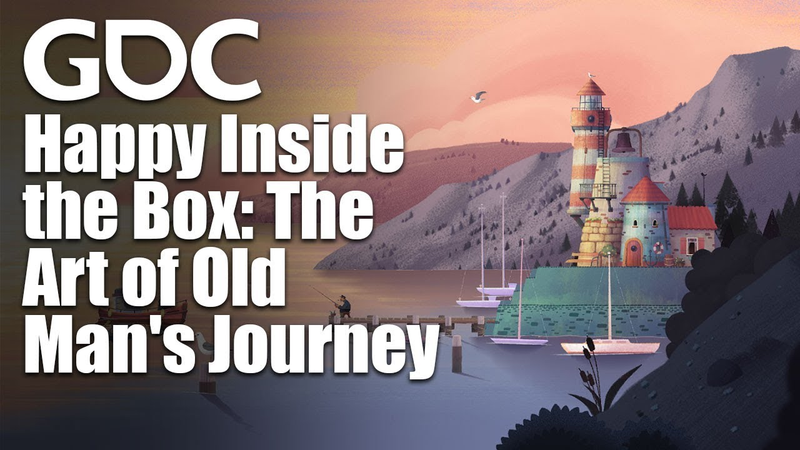
Happy Inside the Box: The Art of Old Man's Journey
The development of Old Man’s Journey demonstrates how strategic creative constraints can foster emotional resonance and technical efficiency in independent game design.
- Broken Rules utilized strategic creative constraints to prioritize non-verbal, narrative-driven gameplay, ensuring the project remained focused on atmospheric storytelling rather than complex mechanics.
- The team achieved a high-fidelity, hand-drawn 2D aesthetic by implementing a dual-shader pipeline that separated opaque sprite cores from transparent outlines.
- To maintain performance across both mobile and 4K platforms, the developers utilized custom Unity shaders and level-specific sprite atlases.
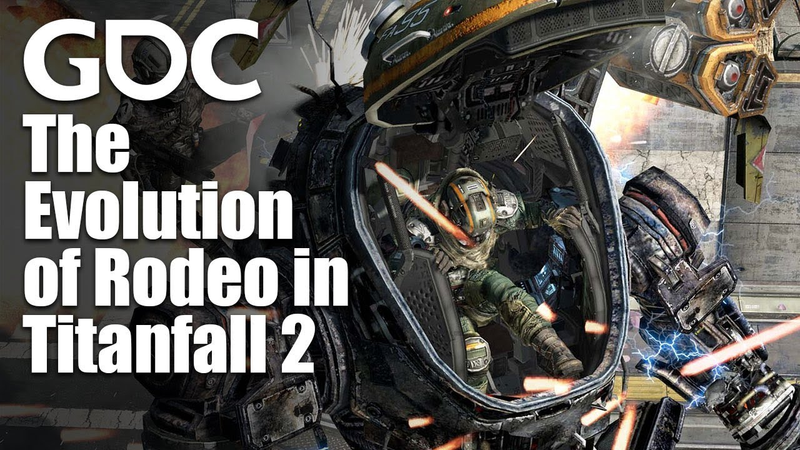
The Evolution of Rodeo in Titanfall 2
The rodeo mechanic in the Titanfall series serves as a critical design bridge between agile pilot movement and armored Titan combat, aiming to capture a cinematic David versus Goliath dynamic.
- The 'rodeo' mechanic in Titanfall 2 was fundamentally redesigned from a long-duration damage-over-time process into a short-duration event centered on stealing and delivering batteries to create a dynamic 'cat-and-mouse' gameplay loop.
- In Titanfall 1, the rodeo sequence lasted 15 to 20 seconds to provide a cinematic experience, but this was shortened in the sequel to prevent the mechanic from feeling like a disconnected minigame.
- The introduction of the 'battery' system in Titanfall 2 allowed for increased team coordination, as pilots could insert stolen batteries into friendly Titans to restore health or shields.
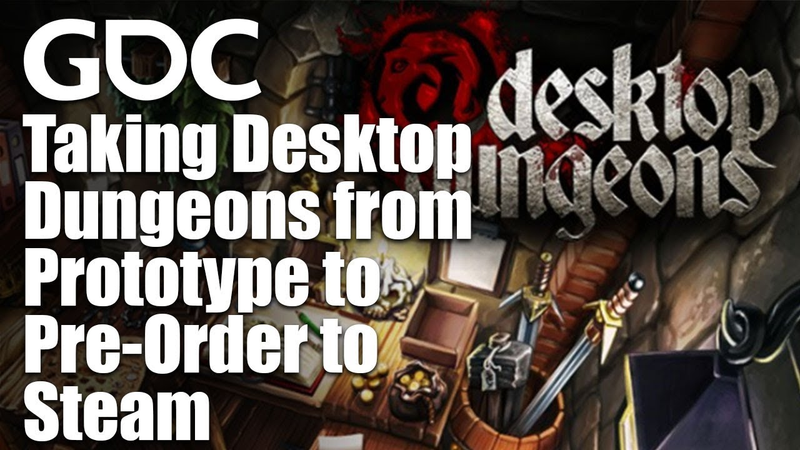
Taking Desktop Dungeons from Prototype to Pre-Order to Steam
The development of the roguelike game Desktop Dungeons serves as a case study for the efficacy of open development, a methodology defined by the continuous release of prototypes to a player community to gather feedback and iterate on design.
- QCF Design utilized open development to identify thousands of bugs and edge-case strategies by releasing continuous, iterative prototypes to a community-based testing network.
- Open development should be conducted through independent channels before transitioning to Steam Early Access to avoid the risks associated with the platform's high user volume during early, unrefined stages.
- The iterative feedback loop serves as a marketing strategy by cultivating a base of 'superfans' who act as organic advocates for press outreach and community management.
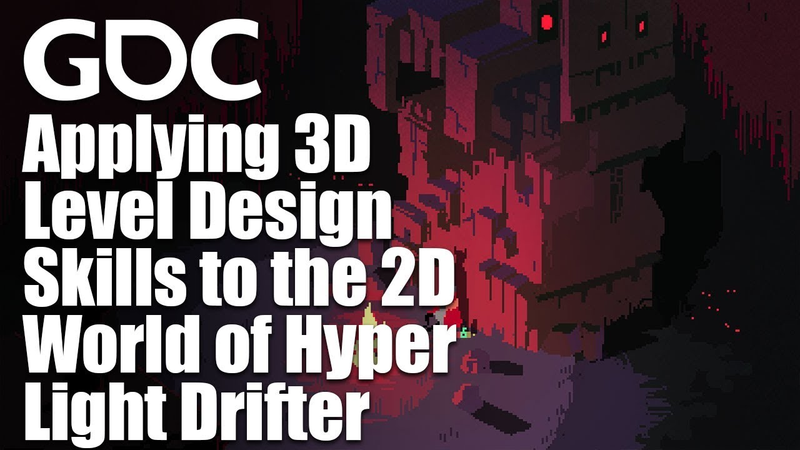
Applying 3D Level Design Skills to the 2D World of Hyper Light Drifter
Core level design principles are fundamentally universal, transcending the technical divide between 3D action titles and 2D environments.
- Level design principles are highly transferable between 3D and 2D; core concepts like 'prospect and refuge'—the contrast between vulnerable open areas and safe, enclosed spaces—remain effective regardless of the game's dimensionality.
- Instead of using a subtractive 'sculpting' method to block out levels, designers can use a metrics-driven approach by establishing fixed distances for movement and combat, then growing the level outward from those connected pieces.
- In 2D overhead games like Hyper Light Drifter, designers can effectively use camera locks to isolate combat encounters, forcing player focus and creating distinct, self-contained pacing beats.
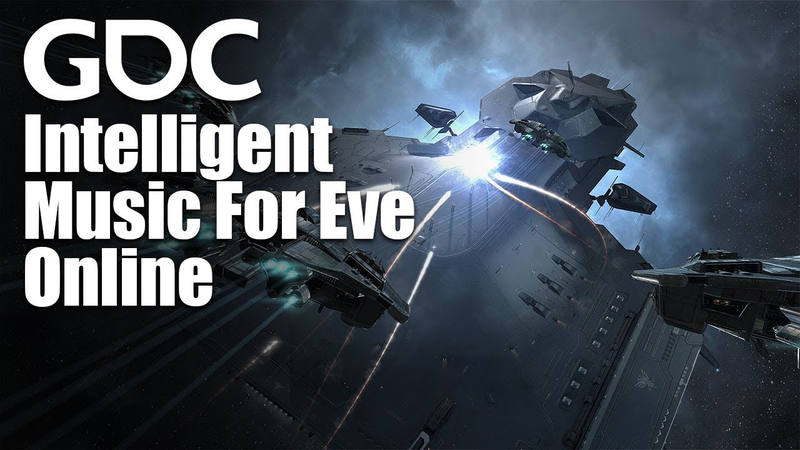
Intelligent Music For Eve Online
The integration of an intelligent, procedural music system into the sandbox environment of EVE Online addresses the inherent limitations of static, pre-composed audio.
- CCP Games integrated the CALMUS AI system, developed by Kjartan Olafsson over 20 years, to generate real-time, non-repeating orchestral music for the vast, 77,000+ solar system environment of EVE Online.
- The CALMUS system utilizes artificial intelligence to compose music based on defined composer frameworks, allowing for the creation of specific textures and styles rather than relying on static, pre-recorded audio files.
- The system operates by comparing new pitch and melody constructions against input cells, using probability distributions and set theory to ensure the generated music adheres to the intended harmonic and rhythmic structure.
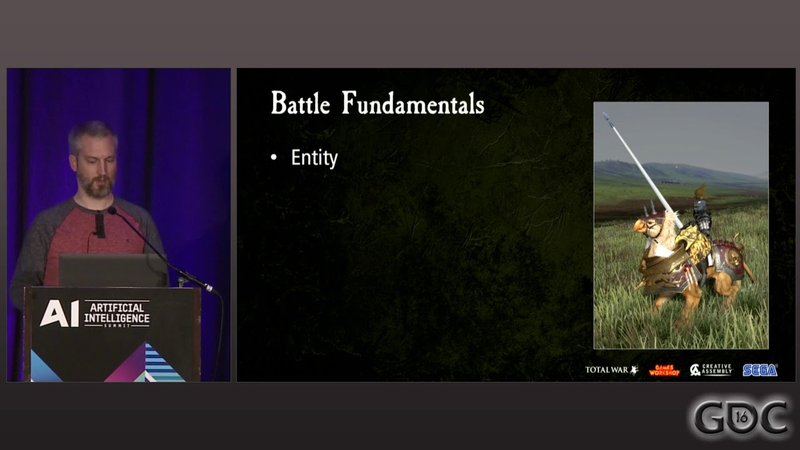
Siege Battle AI in Total War: Warhammer
The siege AI architecture in Total War: Warhammer represents a fundamental shift from the deliberate, multi-phase engagements of previous titles toward a high-intensity, streamlined combat model.
- The siege AI utilizes a hierarchical structure governed by a Grand Tactical Analyzer, replacing traditional finite state machines to enable coordinated, human-like maneuvers during wall assaults and street fighting.
- A flexible bit-field flag system replaces rigid unit classifications, allowing the AI to dynamically assign roles based on functional capabilities like gate-breaking or melee combat.
- The system employs a prefab-based layout architecture that integrates AI hints and settlement perimeters to ensure consistent tactical performance across diverse urban maps.
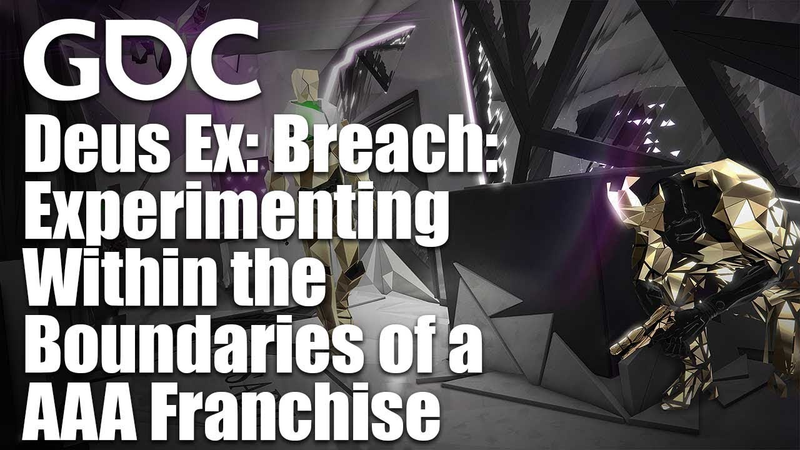
Deus Ex: Breach: Experimenting Within the Boundaries of a AAA Franchise
The development of Deus Ex: Breach represents a strategic effort to expand the scope of a AAA franchise through agile, small-team innovation.
- The Deus Ex: Breach mode was developed by Eidos-Montreal's 'Live Team' to expand the franchise universe and experiment with non-traditional gameplay while the core team focused exclusively on the main Deus Ex: Mankind Divided campaign.
- Approximately 30% of Deus Ex: Mankind Divided players engaged with the Breach game mode, which was designed to teach core mechanics through challenge maps and competitive leaderboards.
- The development team operated with significant autonomy during the first month of the project in 2014, allowing them to iterate quickly and deliver a playable prototype within three months of the initial concept.
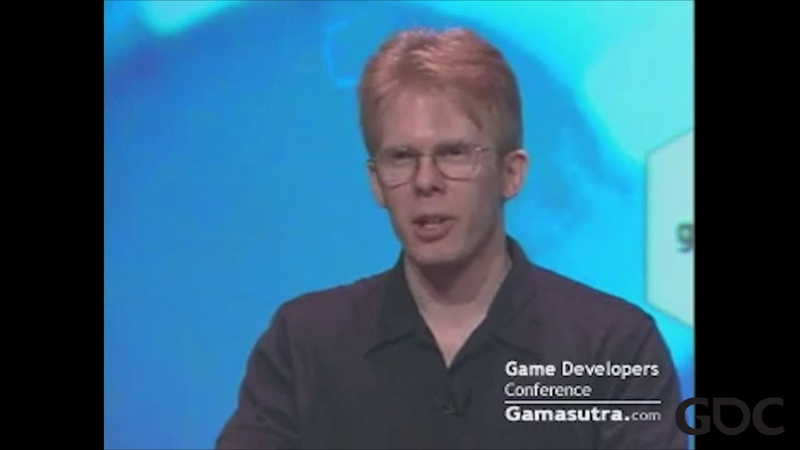
John Carmack on The Issues and Rewards of Bleeding Edge Engine Development
The evolution of computing power has brought graphical fidelity to the threshold of cinematic realism, shifting the industry’s primary challenge from rendering to the advancement of complex physics simulations and artificial intelligence.
- The primary challenge in game development has shifted from graphical rendering to the implementation of complex physics simulations and artificial intelligence.
- Studios are trapped in a 'mainframe-like' cycle where ballooning team sizes and legacy production pipelines stifle innovation and agility.
- To combat rising development costs and multi-year project inefficiencies, studios must prioritize strategic asset reuse, standardized workflows, and smaller, iterative releases.

How To Actually Finish Your Game
The primary challenge for independent game developers is maintaining the motivation required to complete a project, as the high likelihood of quitting remains a significant barrier to success.
- Publicly announce your project to friends, family, and peers to create social accountability that prevents abandonment when personal motivation wanes.
- Establish a deep emotional connection to your protagonist by defining specific personality traits and flaws to serve as a narrative anchor throughout development.
- Shift from internal promises to external expectations, as psychological preparation is more critical to project completion than technical skill.
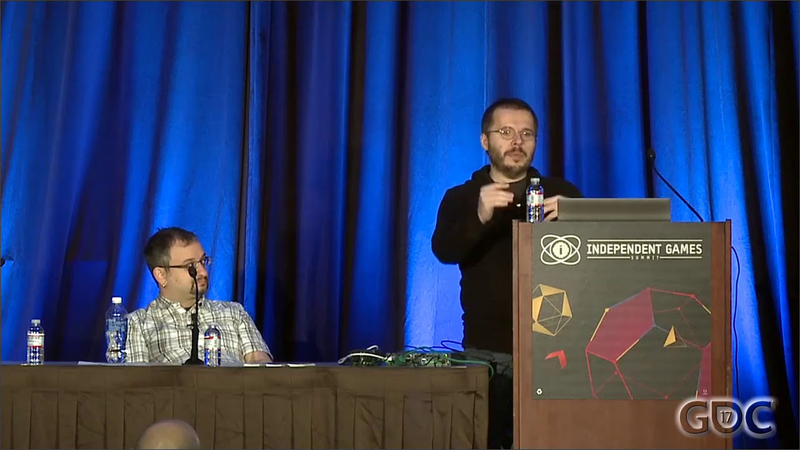
Running a Post-Apocalyptic Indie Studio
The contemporary indie game market faces a structural crisis defined by a severe supply-demand imbalance.
- The indie game market is experiencing extreme saturation due to a structural imbalance where the volume of new releases is growing while the player base remains stagnant.
- Traditional storefront curation is no longer effective, as power-law distribution causes the vast majority of sales to favor established hits over new titles.
- Studios must transition from passive storefront participants to proactive entities by integrating marketing into the earliest stages of development to satisfy algorithm requirements.

Start Your Own Game Studio With These 5 Tools!
The primary objective of this guide is to provide independent developers with a foundational software toolkit for establishing a functional game studio.
- Unity serves as the foundational game engine for the studio due to its robust cross-platform porting capabilities and extensive C# documentation.
- Photoshop is essential for visual asset creation because it allows for real-time graphic updates within Unity during active play sessions.
- Spine 2D provides an accessible alternative to complex 3D software for character rigging and skeletal animation, featuring direct synchronization with Unity’s animation state machines.