PC reports and market data
Documents
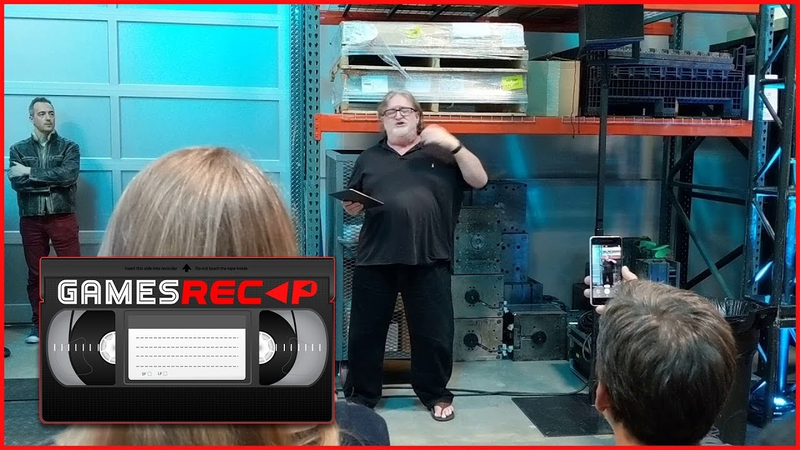
Valve Index is a Critial Milestone | Games ReCAP Episode 014
The release of the Valve Index marks a definitive entry into the high-end virtual reality market, positioning the hardware as a premium, enthusiast-grade device.
- Valve has entered the high-end, enthusiast-grade VR market with the $1,000 Valve Index, which saw immediate commercial success despite industry trends favoring cheaper, cordless alternatives.
- The Index launch signifies a strategic shift for Valve toward serious hardware manufacturing, moving beyond previous experimental projects and software-focused business models.
- The long-term viability of the Valve Index platform depends on the release of high-fidelity, immersive software capable of justifying the hardware's premium price point.
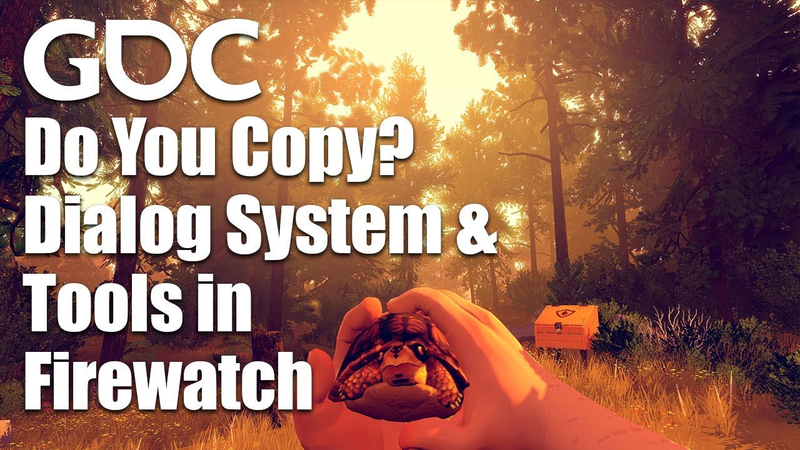
Do You Copy? Dialog System and Tools in Firewatch
The development of Firewatch centered on creating a highly responsive, non-linear narrative experience through a lightweight, event-driven dialogue architecture.
- The Firewatch dialog system utilized a lean, event-driven architecture where game state was interrogated via boolean tests on floating-point values rather than complex string parsing.
- Dialogue choices were generated on-demand at runtime rather than being pre-compiled, allowing the system to dynamically match responses based on specific player history, such as naming a pet.
- To manage non-linear, branching narrative complexity, the team built a custom tool called Magpie that provided full-text search, free-form tagging, and a unified ID system to track dialogue lines from development through to final recording.

How To Design a Decision | Game Design
Effective game design relies on the construction of engaging, meaningful decisions. A successful decision-making framework consists of five core pillars: options, impact, understanding, future consequence, and challenge.
- Effective game design relies on a five-pillar framework consisting of options, impact, understanding, future consequence, and challenge.
- Meaningful player agency requires providing multiple options that lead to distinct, tangible outcomes rather than singular paths.
- Players must have a clear understanding of the cause-and-effect relationship between their actions and game results to facilitate learning and progression.
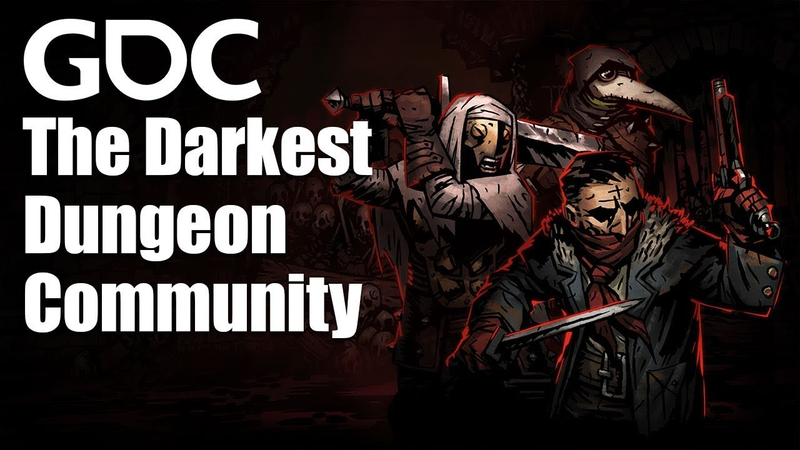
Circle in the Dark: The Darkest Dungeon Community
The community management strategy for the single-player game Darkest Dungeon centers on a "camp counselor" philosophy, which rejects the traditional, hierarchical "manager" role in favor of a horizontal, collaborative dialogue between developers and players.
- Red Hook Studios employs a 'camp counselor' community management philosophy that prioritizes horizontal, collaborative dialogue over hierarchical developer-player relationships.
- To mitigate unproductive feedback, the studio uses a tier-based survey system that forces players to evaluate character utility holistically, creating a shared vernacular for more nuanced design discussions.
- The studio manages the 'endowment effect'—where players value a game based on its state at purchase—by utilizing a public beta system to separate iterative development for long-term fans from stable experiences for new players.
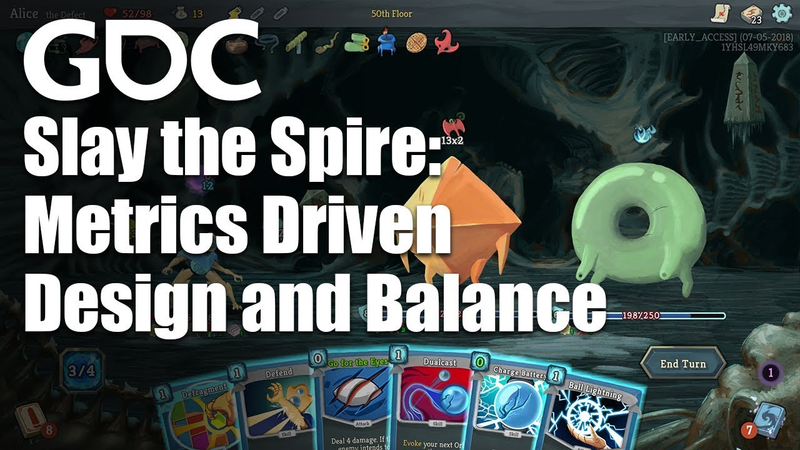
Slay the Spire: Metrics Driven Design and Balance
Strategic balance in Slay the Spire prioritizes meaningful diversity over mathematical equality, ensuring that every card serves a distinct purpose while avoiding mechanics that warp the core gameplay loop.
- Strategic balance in Slay the Spire prioritizes meaningful diversity over mathematical equality, ensuring every card serves a distinct purpose without warping the core gameplay loop.
- The development team utilized a dual-layered feedback mechanism that combined large-scale automated metric collection with qualitative insights from community channels, streamers, and direct player discourse.
- The Early Access model facilitated rapid iteration, using a stable beta branch to test major overhauls like the intent system and Ascension levels.
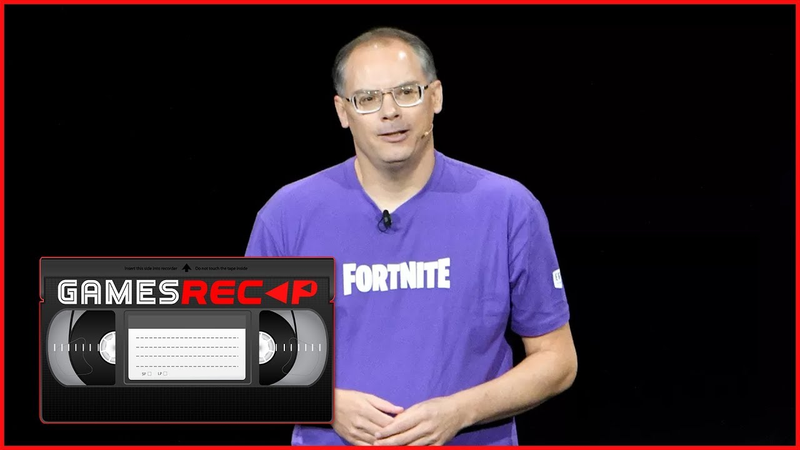
Tim Sweeney Talks About Epic Games Store and Valve's Response? | Games ReCAP Episode 009
The digital distribution landscape is undergoing a significant shift as Epic Games aggressively challenges Valve’s long-standing market dominance.
- Epic Games is challenging Steam's industry-standard 30% revenue cut by implementing a 12% revenue split to incentivize developer adoption.
- The primary goal of Epic's aggressive storefront strategy is to force a long-term restructuring of digital distribution economics and prevent monopolistic stagnation.
- Valve is facing criticism for a perceived lack of innovation and reduced creative output, which critics attribute to an internal structure lacking clear leadership and business accountability.

Building Up a Indie Company with Karla Zimonja | GduX.me
Professional growth in the game industry requires a proactive approach to skill acquisition, particularly for those transitioning from large-scale AAA environments to independent development.
- Transitioning from AAA to indie development requires moving from rigid specialization to cross-disciplinary knowledge to handle the multifaceted demands of running a studio.
- Studios should prioritize hiring a dedicated producer once the team reaches approximately ten people to manage operational scaling and reduce bureaucratic friction.
- Remote-first indie teams must prioritize hiring individuals who demonstrate proactive communication skills and the ability to execute tasks independently.
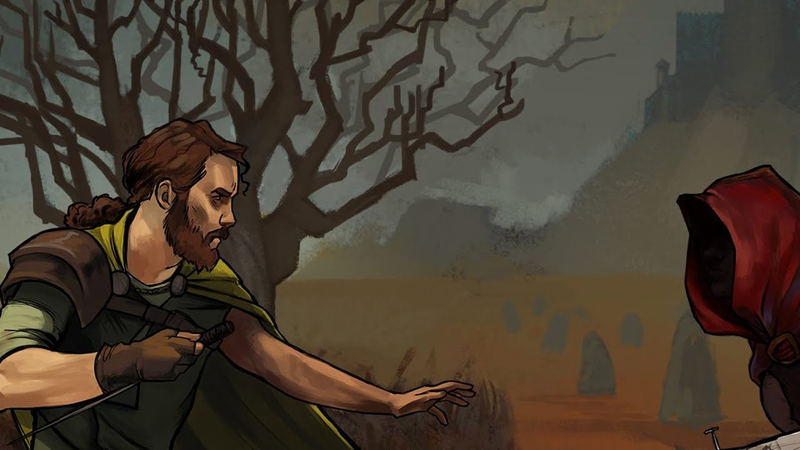
Indie Sustainability with Jake Birkett | GduX.me
Achieving long-term sustainability in the independent game industry requires a disciplined transition from creative passion to rigorous business management.
- Treat game development as a long-term business by maintaining a cash runway, living frugally, and taking on supplemental contract work to mitigate market volatility.
- Limit development cycles to under two years and strictly manage project scope to avoid feature creep, as longer cycles rarely yield a viable return on investment.
- Use Steam wishlists as a predictive metric by multiplying the total count by 0.5 to estimate potential first-week sales and inform production budgets.
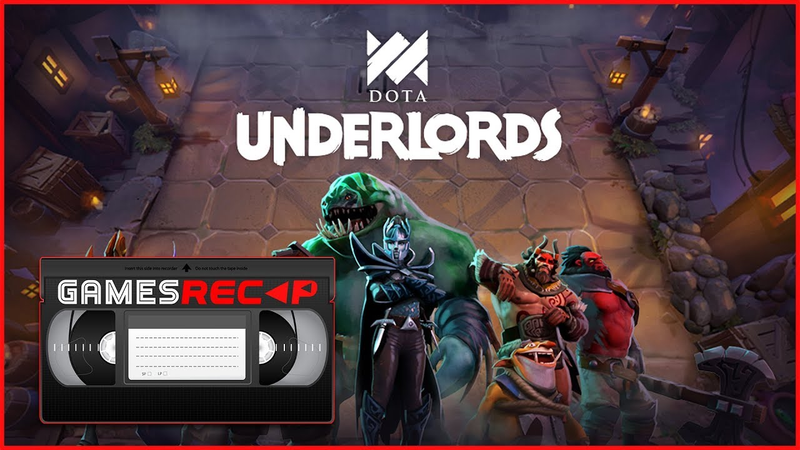
DOTA Underlords, Anthem Still Alive, Blizzard Departures | Games ReCAP Episode 008
Valve’s recent launch of Dota Underlords demonstrates the enduring power of established franchises, as the title secured 174,000 concurrent users on Steam within its first 24 hours.
- Valve’s Dota Underlords achieved 174,000 concurrent Steam users in its first 24 hours, proving the market demand for streamlined, tactical gameplay adaptable to mobile.
- Major publishers are facing a critical juncture where the high financial risk of $200 million-plus AAA budgets is driving a necessary shift toward smaller, more agile, and highly replayable development strategies.
- The failure of projects like Anthem highlights the unsustainable nature of crunch culture and technical instability, prompting industry-wide calls to reduce project scope to mitigate financial and creative risk.

5 Indie Game Marketing Hacks With NO MONEY
Independent game marketing requires a strategic, labor-intensive approach rather than relying on the assumption that a high-quality product will sell itself.
- Launch marketing efforts two to three months before release, focusing on personalized outreach rather than relying on product quality alone.
- Curate a targeted list of 200 press contacts and 200 YouTubers by specifically researching individuals who have previously covered similar game titles.
- Increase the likelihood of influencer coverage by inviting them to participate in the development process, such as providing feedback or contributing voice acting.
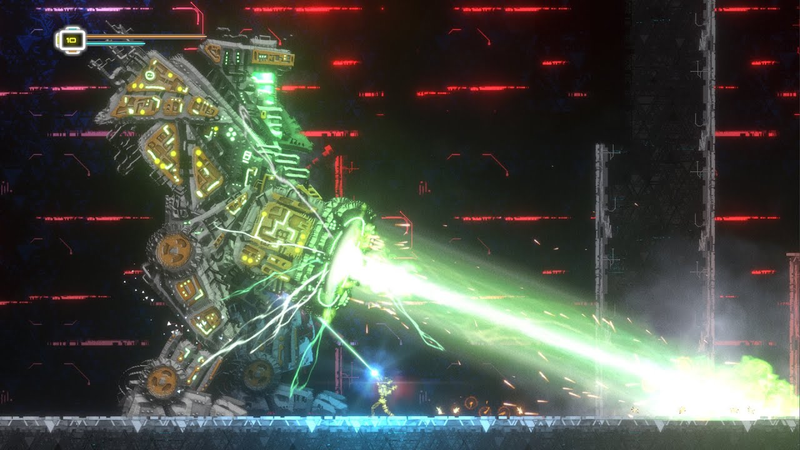
Full Indie: Taking the Leap of Faith with Jeff Spoonhower | GduX.me
Transitioning from a stable career in AAA game development to the independent sector requires a fundamental shift in mindset, moving from a specialized creative role to an entrepreneurial one.
- Independent game development requires a shift from a specialized AAA creative role to an entrepreneurial mindset focused on disciplined execution and commercial viability.
- To mitigate financial risk, developers must secure at least one year of financial runway before transitioning to independent production.
- Maintaining a strictly limited project scope is essential for completion, as it helps manage the unforeseen technical and creative challenges inherent in small-team development.

Jedi Fallen Order Not So Bad | Games ReCAP Episode 006
Star Wars Jedi: Fallen Order suffers from a fundamental disconnect between its source material and its execution.
- The gaming industry is shifting away from traditional annual sequel models, such as those seen in Call of Duty, toward persistent games-as-a-service models that prioritize long-term evolution and player mastery.
- Star Wars Jedi: Fallen Order is criticized for a disconnect between its source material and gameplay, specifically failing to capture the tension of lightsaber combat through its reliance on arcade-style mechanics.
- High-quality single-player titles like Elden Ring and God of War remain industry pillars, demonstrating that strong brand reputation is a primary driver of commercial success.