Monetization reports and market data
Documents

Ad monetisation gossip corner, Unity expensive bug, APS, Google 3 waterfall placements (#52)
The mobile advertising landscape is currently defined by a shift toward more granular control over mediation stacks and the mitigation of technical volatility.
- Google has removed the three-placement limit for third-party mediation, allowing publishers to expose more inventory to AdMob demand and potentially reducing the necessity of Google Ad Manager resellers.
- A March 13th bug in Unity’s reporting infrastructure inflated revenue data by over tenfold, forcing publishers to disable placements to prevent UA optimization errors and revenue leakage.
- Amazon Publisher Services (APS) is a high-potential demand source for titles with high-purchasing-power audiences, particularly when publishers secure direct Transparent Ad Marketplace (TAM) deals with partners like Xandr, InMobi, and PubMatic.
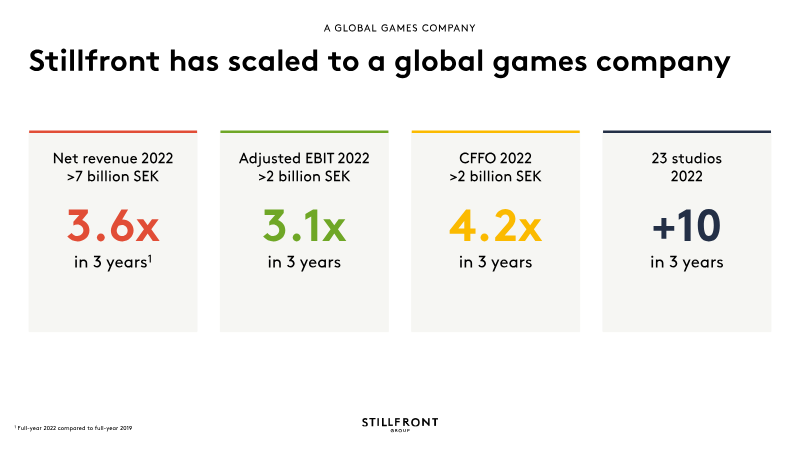
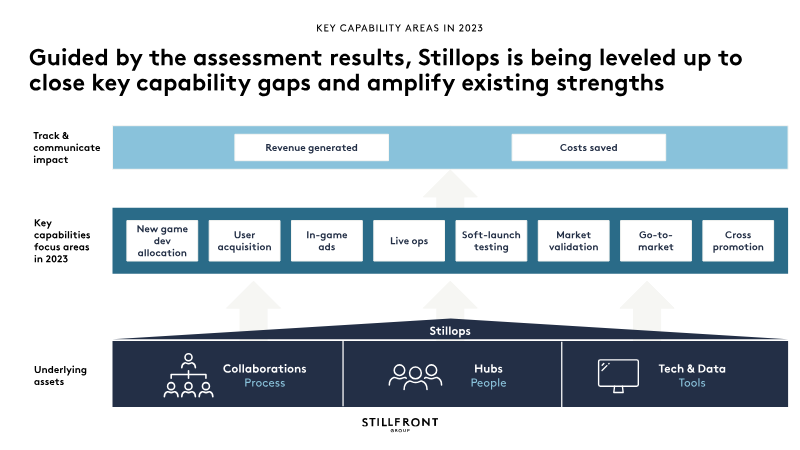
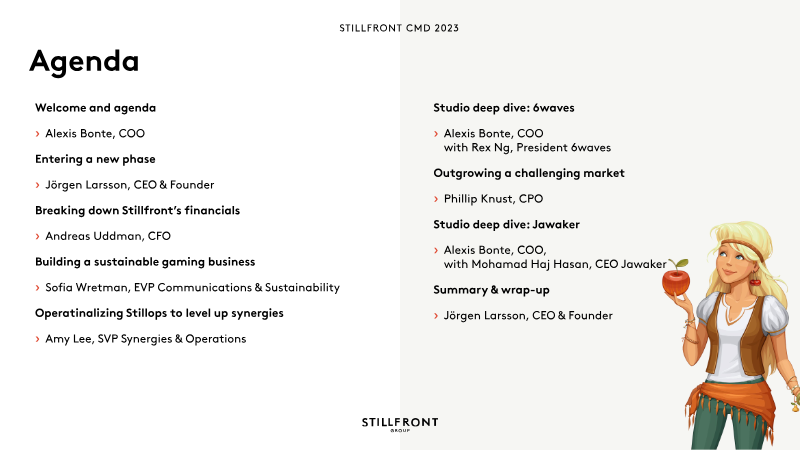
Capital Markets Day 2023 Presentation
Stillfront Group is entering a strategic growth phase defined by a shift toward operational efficiency and disciplined capital allocation.
- Stillfront Group is targeting an adjusted EBITDAC margin of 26–29% as part of a new strategic focus on operational efficiency and disciplined capital allocation.
- The company aims to achieve annual organic revenue growth that consistently outperforms the broader mobile gaming market.
- Stillfront is leveraging its proprietary 'Stillops' platform to optimize user acquisition costs and enhance the performance of its studio portfolio.
Keynote: WTF Is AQI Ad Quality Index - Kim Grewal, Digital Turbine.
The Ad Quality Index (AQI) serves as a critical metric for mobile game developers to evaluate how advertising experiences influence player retention and long-term revenue.
- The Ad Quality Index (AQI) is calculated by dividing the number of users who exit a game during or immediately after an ad by the total number of users exposed to that ad.
- Developers can isolate financial losses caused by poor ad quality by comparing the ARPDAU of user cohorts before and after exposure to specific ad networks.
- High fill rates and eCPMs often mask hidden revenue losses caused by user attrition, making AQI a necessary metric to balance short-term gains with long-term retention.
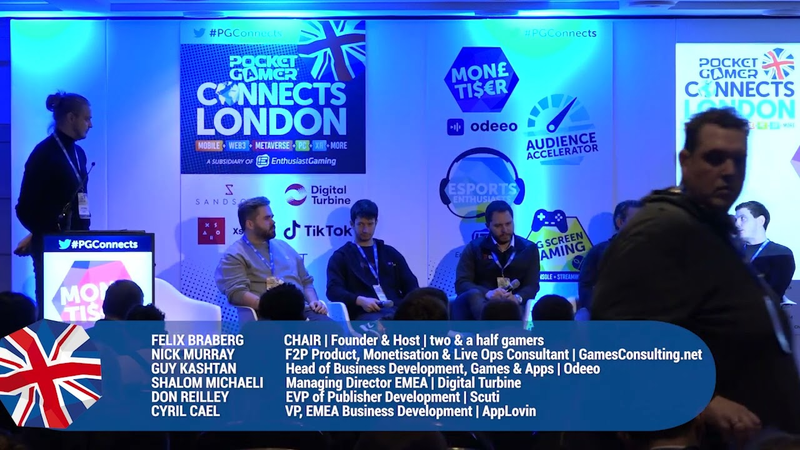
Panel: The Monetisation Menu: Picking the Best Business Model for Your Audience.
Modern game monetization requires a strategic, data-driven transition away from binary revenue models toward diversified, additive ecosystems.
- Developers must move away from binary revenue models toward hybrid ecosystems that combine tiered subscriptions, in-app purchases, and rewarded advertising to maximize player lifetime value.
- Monetization strategies should be localized based on regional economic realities, prioritizing ad-heavy models in emerging markets and direct purchase options in regions with higher spending power.
- Publishers are mitigating the impact of privacy regulations and subscription fatigue by using granular user-level data to dynamically adjust ad exposure and implement bid floors.
Keynote: The Sound of Incremental Revenue: Why Audio ads are What’s Next in Ad Mon,
The integration of in-game audio advertising represents a significant shift in mobile game monetization, offering developers a method to generate incremental revenue without disrupting the user experience.
- In-game audio advertising provides a non-intrusive revenue stream that complements existing ad stacks, directly increasing lifetime value and average revenue per daily active user (ARPDAU).
- Mobile gaming captures high-engagement audiences during the 5:00 PM to 9:00 PM window, a period when traditional audio channels like radio and streaming experience a decline in activity.
- Over 600 global brands across sectors including retail, telecommunications, and consumer goods have already deployed campaigns using in-game audio formats.

Panel: The Future of Mobile Game Subscriptions.
Mobile game subscription services currently account for approximately 5–6% of global gaming revenue, functioning as a critical, albeit secondary, monetization model alongside traditional in-app purchases.
- Mobile game subscriptions currently represent 5–6% of global gaming revenue, serving as a secondary monetization layer alongside traditional in-app purchases.
- The industry is shifting toward a hybrid model that combines subscription access with optional in-app purchases to balance recurring revenue stability with diverse player spending habits.
- Developers are increasingly adopting games-as-a-service strategies, such as regular content updates and replayable systems, to combat high churn rates and extend the lifecycle of premium titles.
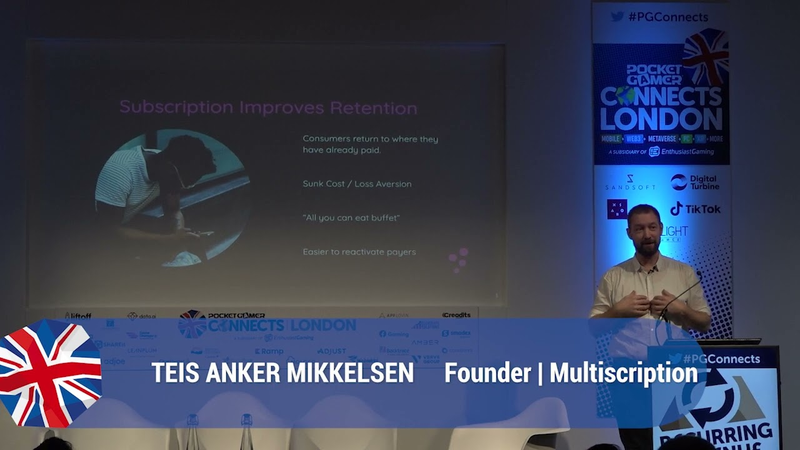
Keynote Beyond Revenue - Teis Anker Mikkelsen, Founder OF Multiscription.
The primary focus of this analysis is the strategic implementation of in-game subscriptions within the mobile gaming industry.
- In-game subscriptions serve as a critical retention tool to counter rising user acquisition costs and the difficulty of discoverability in crowded app stores.
- Subscription models create a 'sunk cost' effect where players feel compelled to maximize the value of their recurring payment, leading to higher engagement and retention rates.
- A robust monetization strategy should rest on three pillars: ads for non-paying users, in-app purchases for the majority, and subscriptions to establish a reliable revenue baseline.
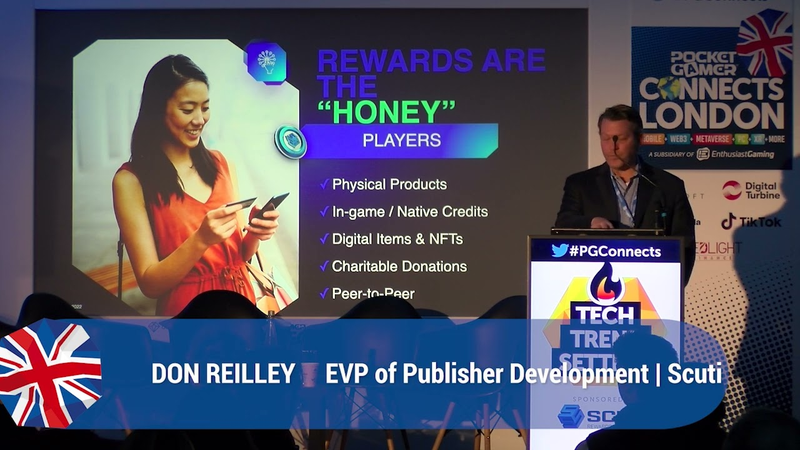
Keynote Evolving Game Monetisation Retention - Don Reilley, EVP of Publisher Development, Scuti
The current gaming industry faces significant challenges, including rising user acquisition costs, declining ad revenues, and a reliance on disruptive monetization models that often alienate players.
- Integrating 'g-commerce'—a model where players earn rewards through gameplay and shopping—can generate $1.2 million in annual revenue for a game with 100,000 daily active users.
- A single g-commerce interaction can replace the revenue equivalent of five months of disruptive advertising, offering a non-intrusive alternative to traditional ad models.
- While only 5% of gamers currently make in-game purchases, 51% of players express interest in purchasing physical goods directly within a gaming environment.
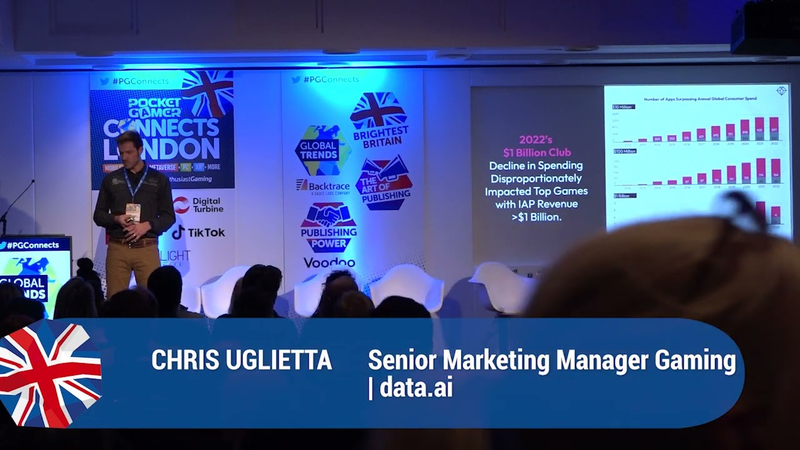
State of Mobile Gaming 2023 - Chris Uglietta, Senior Marketing Manager Gaming, data.ai
The 2023 mobile gaming market is characterized by a notable divergence between user engagement and consumer spending.
- Global mobile game downloads reached 90 billion in 2023, yet consumer spending contracted due to macroeconomic pressures and the impact of IDFA deprecation on high-value user targeting.
- Mid-core genres, including racing, shooters, and action games, experienced significant revenue declines despite maintaining or increasing their download volumes.
- Mobile advertising spend grew by 14% as total daily time spent on mobile devices surpassed five hours, highlighting a shift toward hybrid monetization models that combine ads with in-app purchases.
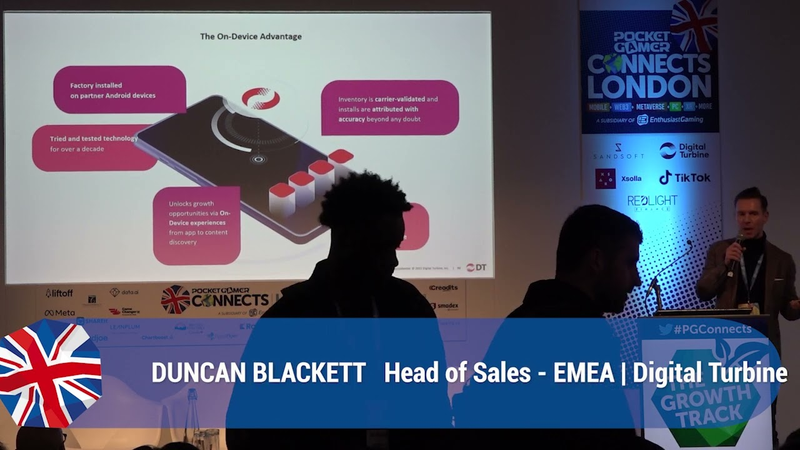
Device savvy, Growing Gaming Competition Along With a Volatile Economic Climate - Duncan Blackett
The mobile gaming industry is currently navigating a volatile economic climate characterized by a 30% decline in advertising spend and a 36% year-over-year drop in return on ad spend (ROAS).
- The mobile gaming industry is facing a significant downturn, marked by a 30% decline in advertising spend and a 36% year-over-year drop in return on ad spend (ROAS).
- Privacy regulations like GDPR, CCPA, and Apple’s App Tracking Transparency (ATT) have depreciated third-party data, forcing UA teams to expand from three to four members per developer to manage rising operational costs.
- Direct-to-device strategies are becoming essential, as new phone owners install three times as many applications as users who have owned their devices for a year.

Lexi Sydow: The State of Mobile 2023 - Naavik Gaming Podcast
The global mobile gaming industry is currently navigating a period of contraction, marking a departure from its historical reputation as a recession-resistant sector.
- The mobile gaming industry is experiencing a contraction, with consumer spending declining 5% in 2022 and a projected further 3% drop to $107 billion in 2023.
- Despite a 20% increase in total time spent by users, macroeconomic pressures and privacy-related user acquisition hurdles are preventing revenue growth.
- Chinese publishers are successfully expanding internationally, now capturing over 21% of mobile gaming revenue outside of their domestic market through global IP integration and localized studios.
What’s in store for hyper-casual games in 2023? Live reaction to benchmark report from Q4 2022
This analysis examines the hyper-casual gaming landscape in the fourth quarter of 2022, focusing on shifts in advertising spend, cost-per-install (CPI) metrics, and user retention.
- The hyper-casual market is shifting toward a hybrid-casual model, where the primary value for new developers is mastering the full development and monetization cycle rather than achieving immediate commercial success.
- Only a small percentage of hyper-casual prototypes currently meet the Day 1 and Day 7 retention thresholds required to scale profitably.
- While global CPIs trended upward in Q4 2022 due to seasonal competition, the United States market saw a counterintuitive decrease in median CPI, with tier-one European markets driving the global increase.