1 free read left. Create a free account for unlimited reading + AI research.
Create free account
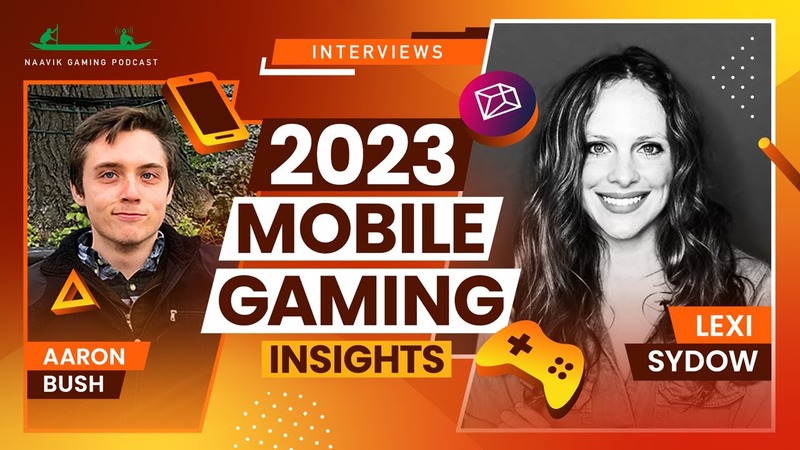
Lexi Sydow: The State of Mobile 2023 - Naavik Gaming Podcast
Key insights
6 takeaways- 01Despite a 20% increase in total time spent by users, macroeconomic pressures and privacy-related user acquisition hurdles are preventing revenue growth.
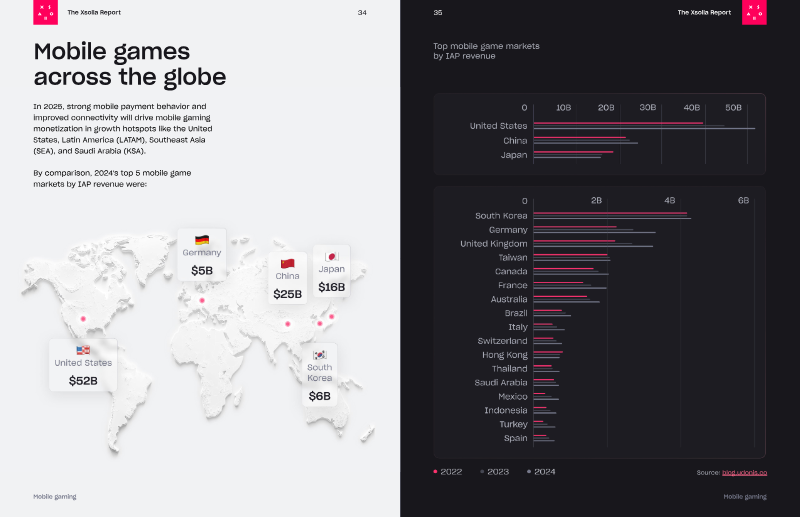
- 02The mobile gaming industry is experiencing a contraction, with consumer spending declining 5% in 2022 and a projected further 3% drop to $107 billion in 2023.
- 03While the Casino genre saw a 48% surge in downloads, particularly in emerging markets like India, this growth has not translated into proportional revenue gains.
- 04The Action genre, driven by MOBA titles in the APAC region, achieved a 20% increase in in-app purchase revenue, outperforming other segments.
- 05Hyper-casual developers are shifting toward hybrid-casual models, incorporating subscriptions and mid-core mechanics to diversify revenue streams amidst a volatile advertising landscape.
- 06Chinese publishers are successfully expanding internationally, now capturing over 21% of mobile gaming revenue outside of their domestic market through global IP integration and localized studios.
Ask AI about this video
Transcript
[Music] hold up [Music] hi everyone and welcome to the novik gaming podcast a podcast in which we explore the business and future of video games I'm Aaron Bush and today I'm delighted to be joined by Lexi cedo the head of insights at data.ai which by the way is navx data partner for all things Mobile gaming now Lexi I think most of our listeners know generally what data.ai is and we'll spend more time later in the episode talking about what the team is building towards but many people might not know you so to start one welcome to the episode but two I'd love to to give you a chance to to
properly introduce yourself uh how did you get to data.ai and what does it mean to be head of insights there thank you and thank you for having me uh yes so I lead the insights team um I came to data AI from um a bit of tenure in the marketing and advertising space and as an analyst for a while I've dabbled in fintech and actually in some environmental work as well um and found my way into Mobile so I've been there for about seven years which feels I think in Tech is means I'm basically there for like 50 or something yeah it's been a while yeah yeah yeah but it's it's such an interesting sector so fun um and as part of the insights team we produce uh reports and blogs and analyzes on the data so you get to kind of just play in the data all day and follow the trends and try to unpack what's happening and understand where we're going so super fun and we're really excited to kind of bring it to other people so being on podcasts like this is fantastic we love talking about
all the work that we've been doing and get very excited and very nerdy about some of the trends in the data yeah well that sounds fun and of course you know we at novik enjoy all the reports that you publish and a big reason why we're having this conversation today is because um you and the data.ai team recently published your mega state of mobile 2023 report uh which if you're listening you can find in the the link to this episode description um and naturally the report covers quite a bit because it's the state of all things mobile and we'll we'll focus on digging deeper into the gaming Parts um you know further in this conversation but before we dive into that like see is there any more context sitting you want to set around this specific report for those interested before we jump in yeah I mean it's it's basically 93 pages of lots and lots of analysis we cover all sorts of verticals throughout mobile we try to get as much as possible uh we covered up there's 17 countries doing kind of deep Dives and then we've got
rankings for 30 countries it's it's pretty massive and it's interactive so just kind of a word to the wise it's best viewed kind of in a web browser because then you can toggle between countries uh it is in its 10th year so this is officially the 10th version of this we've done so every year we've kind of made it bigger and better than the last and um it is really a labor of love so lots of lots of stuff in it and we're always looking for feedback and questions and so people can can reach out to us at any point um we'd love to hear from people who read it and we make it for you guys so we want it to be as as good as possible awesome yeah I could tell that it took a lot of work to put together so congrats on the team for for getting that out there and also the for me personally I thought the interactive chart element was pretty cool um so so nice touch there but I guess let's go ahead and and jump in and you know since the report covers quite a lot of ground this conversation will will also bounce around a decent bit but maybe the best place to start is just with the the big picture before
narrowing in on game specific topics um and to me reading the report if there's any high level takeaway it's that in 2022 mobile downloads grew 11 time spent grew nine percent but consumer spending fell two percent and you know listeners of this podcast know all about the idfa impacts a lot of them feel it in their their day-to-day of you know making mobile games um but I'm curious Lexi is that the main driver behind the growth discrepancy here in 2022 or our or are there other pieces at play I'm curious how data.ai is attributing that decline there yeah it's a great question we on the whole a lot of the decline we're seeing is felt across both app stores as well and so so for us there's a bit more than just idfa happening here and for us the big thing that we're seeing is the sort of macroeconomic squeeze so it's it's more of a reflection um and an indicator of
where people are in the market with their current disposable income and where they're spending so uh in the report we talk about it but basically it's not all sectors are treated equal as well so gaming for instance took the biggest hit we saw a gaming decline five percent year on year for Consumer spend whereas non-gaming was actually still up six percent year on year gaming still represents about 66 of all spend um so it is the bigger chunk that's happening um so in context though both of these growth rates uh one decline once load last year on the whole we had seen 19 growth so it is in stark contrast um I think there's also a little bit of this um kind of coming back down from some pandemic Highs but it is important to note that the levels of spending gaming specifically are still higher than these pre-pandemic levels so that kind of impact of a pandemic induced boost is
still here um but we are seeing yeah some some major impacts and I think for us when we were looking at some of the correlations and and looking at sort of where people are spending games unfortunately seems particularly sensitive to the fact that people are feeling High Cost of Living inflationary pressures and just less money in the wallet yeah and I'm curious how you see these Trends shaping out this year how are how are you and the team predicting what are you predicting in terms of gaming downloads iip revenues this year will it be more of the same that we saw last year or do you think it'll be be different yeah we we are actually forecasting that it will decline a little bit more to 107 billion so right now it's at 110 and then we're predicting about a three percent decline um to about 107 so that's a lot of that impact would be the continuation of this sort of macro squeeze on faults um from a financial side and then also the impact of
um and I know you guys have spoken about this a lot as well but idfa um cracking down on fingerprinting Google privacy changes coming into effect so we're really expecting a bit more of that impact on user acquisition for targeting those whales vendors um and so we do expect to see a bit more softening this year um in the non-gaming space we actually expect to see some Strong Behavior still um especially within the kind of entertainment dating streaming space we don't see people compromising on spending for those at this time but in gaming we do expect to see that slight decline again yeah I think we're we're pretty aligned and that Echoes a lot of sentiment throughout the industry that you know unless there are pretty major changes that happen with platforms or just ad Tech um in general where people are acquiring new users and that becoming more effective it's hard to see it's hard to see you know the the IAP Revenue side um really move the needle positively in
a big way in the in the near term of course that doesn't mean that that's a long-term Trend that's here to stay we'll we'll bounce back eventually and the market will continue to evolve but um yeah probably not not great what everyone wants to hear but I think we're probably aligned on what what's going to happen there um but interestingly like another high level tidbit is that Global Mobile ad spend has risen year after year and your team is forecasting continued growth there and 2023 despite ongoing headwinds that we've discussed in both UA capabilities and marketing budget Jetson what is potentially a recessionary environment and part of this growth despite the headwinds the report says is because of a partial shift from performance to Brand advertising which I I can see that happening you know pretty effectively in many corners of mobile but I'm curious if you think that that shift also applies to the games industry
too yeah yeah that's a great question so we actually uh began looking at this a few years ago and even as of 2019 we were seeing that shift of an increase in spending for brand advertising on two games specifically um so I do think that that games is definitely going to be effective we do see that there's a lot of eyes there even despite the fact that that uh consumers then declined in games time spent grew so we actually saw about close to 20 growth on the whole in the game sector last year for time spent so still that huge you know large engaged Community the eyes are there um but then I do see that there's you know there might be a disproportionate flow of branding uh brand advertising more to say like short video or video apps as well that's where we see a huge kind of area of growth within the mobile ad space well Lexi since we're already discussing the games industry a bit here let's go ahead and poke in deeper uh I mean I
guess first of all the report has an interesting interactive chart about how Trends in consumers disposable income correlate with spending and gaming apps and we already talked about this a little bit as an interesting signal and it sounds logical but I'm curious um if you happen to know if this is a new correlation or if it's been this way before and I'm and I'm just asking this because there's always this debate in the games industry about how truly recession resistant the games industry is and seeing this correlation here just made me think that this is potentially an interesting indicator so I'm just curious to get your thoughts on that yeah absolutely we it's a bit tricky with mobile because um the last sort of economic downturn on a global level that we had was in 2008 um so pre mobile game boom um but during that time yeah so during that time we've actually seen in terms of console spending that games were very resilient
um in 2008 and 2009 now it's a little bit uncertain how we're navigating with mobile because our chart in the report indicates that people in the face of declining kind of disposable income that they are in fact spending Less in games now I think that there's there's a there's a lot of speculation here right because a lot of economists and folks are saying that the macroeconomic climate is behaving differently than other downturns as well right we haven't fully called it a recession because um jobs are still strong um so there's this interesting Dynamic that we're not 100 sure even other indicators like the lipstick index for instance uh weren't necessarily proving out where you know people they say in economic downturns by sort of small um quick kind of Happiness hits in a sense and lipstick or cheaper lipsticks could be that um but that hasn't actually seen the same effect as previous times and then we're seeing this sort of pent-up demand
to go outside to travel uh time spent and travel apps are up almost 50 airline apps up 27 we're also seeing people more cost conscious and price sensitive personal loans are up 76 buy now pay later is up about 50 percent for time spent um shopping is still up fifteen percent year on year and we still had record kind of Black Friday sales and so there's this sort of interesting Dynamic people are spending but they're very cost conscious and hunting for deals um we see like user generated content at the Forefront streaming and exclusive content still driving consumption so I think at this point there's a question of where our dollars are flowing so I don't think we fully fully know um I think this year will be very interesting to monitor I would like to say I hope that gaming is super resilient but at least what we're seeing so far is that gaming is taking more of the initial hit and there could be a little bit of competition for wallet
share where people are spending sort of um those micro transactions in things like Tick Tock for instance maybe the money is Flowing a little bit out of gaming um because you you only have a certain amount of money to spend and there's a bit of that Blurred Lines right with entertainment and escapism where you know there's some of that um gaming versus say video streaming versus short form kind of consumption so I think that there's an element that people can really tap into some of these Trends creatively to try to kind of grow amidst this area but I don't know if we have a strong answer on how we think mobile games will or will not but if we take historical trends for gaming overall they should be relatively resilient um so I think we will see how this fans out this year yeah I mean I think that that makes sense um to expect some resiliency but naturally when people have less money to
spend they will probably spend less money especially in areas that are a bit more optional right such as in free-to-play gaming where you can still play without spending as much money as maybe you did before and of course if people are have less disposable income while at the same time there's more competition for you know players time as the world has opened back up you mentioned travel has grown um and uh other other elements of just options for people to do things are have been growing too so makes sense that the gaming might not be quite as resilient as people thought looking at the last recession where it was primarily more console based and at you know pretty early in like a console cycle there where there was still pent up demand um for everything going on there um so cool thanks for thanks for sharing that but let's go ahead now and and talk a bit more about specific genres kind of digging deeper into some rabbit holes here and to set this up the report has
an interesting page that breaks the market down by genre and shares how both downloads an IAP spend trended in 2022 unsurprisingly most genres saw downloads grow a bit while IAP Revenue slipped but there are some more Stark or uncorrelated areas that I think would just be fun to call out and and discuss a little bit uh one of those where maybe we can start is Casino which represents three percent of downloads but eleven percent of IAP spend and and 2022 Casino saw spending fall about two percent but downloads spiked 48 and that that number caught my eye clearly casino is impacted by ATT all the Privacy changes um but that still is a huge spike in outsized RPD erosion compared to other genres so I'm curious Lexi if you have any insight or thoughts into what's
going on there yes yeah Casino certainly is an interesting sector and we see a lot of this then being driven by the US Canada Australia New Zealand um so Australia being one of the markets that actually very greatly outsizes its population size and how much is spent in these games um so there's a note of positivity there because Australia is not as um they're not saying it's we're not sure about it's not as dire uh it seems right now for if we go into a recession I think there's some questions here it doesn't seem quite as um imminent potentially as in the US but in terms of that downloads it's super interesting where we see that the global figure for 2022 was about 1.5 billion downloads for casinos that's up almost 48 um uh year and year as you mentioned from 1 billion and the top five markets for those downloads were India us Indonesia Brazil and the Philippines
um so that kind of I think tells you a lot about where that growth is coming from which those especially in India Indonesia Brazil has seen actually strong Brazil was one of the markets that bucked the global trend for declines in revenue or in in spend in Brazil actually spend was up for games um but that being said Philippines India Indonesia tend to be very high download markets with lower spend Associated um and so interestingly India was sort of the biggest driver here so we saw about um half or about a third of the the downloads in 2022 came from India and that growth rate for casino downloads in India was up almost 200 um teen Patty games remain really popular but then uh junglee rummy was one of the big growers in that space and they took the kind of top spot in India for breakout casino downloads um and one of the interesting things there about that game and its success is
that they've uh the gameplay is is prioritized to be super smooth and still really functional even on low spec devices so uh they've prioritized a 2G 3G network connection so that people in Metro cities as well as smaller towns can access and that kind of network stability and it's a skill based game it caters to local taste and it kind of benefited from that pandemic boost so this area I think is driving a lot of that growth alone and that's where you see that really dramatic growth in downloads and perhaps we're not seeing that spend come as as much because it's coming out of a market that doesn't have usually spend as much as say the us or Australia for casinos specifically gotcha uh so I guess in summary there it seems like uh companies Casino oriented companies are shifting their focus from so-called tier one regions to the more tier two kinds of regions where they're able to get a lot more downloads but maybe the the unit economics on those
downloads are not as good as they once were when focusing on more the tier one regions does that kind of sum it up pretty well what you're saying I think there's there's growth in other sort of pockets as well so Casino has always been largely popular um you know in a lot of markets in the West for instance but um I think that's pretty spot on okay cool also this is a total tangent but um you mentioned how uh Australia isn't going through the recessionary pressures as much as the world and so I just randomly Googled the last time Australia had a recession which is 1991. so I don't know what what's going on in Australia and how how you all are able to dodge recessions left and right over there but that's impressive and I think they're at the rest of the world has something to learn from Australia but anyways that's probably another another podcast episode on a different podcast but I was just like what but okay back to gaming um so a second a second genre that that caught my eye in the report is
that action but the trend of declines in 2022 that we saw in other genres downloads grew eight percent but IAP IAP span grew 20 um so I'm curious if you have any insight into what drove this yes um so a big call out so within the the action space MOBA was sort of the big subgenre that drove some of that monetization success among action games um and we saw that consumer spend hit an all-time high in 2022 for MOBA at 3.2 billion that was up 63 year in year and the big players that contributed their honor of Kings in China was by far a leader uh League of Legends wild Rift and mobile Legends bang bang continued to kind of show strong performance there and I think there's that kind of staple uh of players for them as well it's a core you know it's a staple game for a lot of core mobile Gamers around the
world and especially in APAC um so I think that that's one of the big areas that's driving as well and and mobile is sort of that go-to platform for a lot of seasoned Gamers too and especially in APAC where um people are gravitating towards some of these popular core games uh within MOBA specifically and I think we'll still see this to have sustained impact going forward um interestingly in China too uh games were a bit more resilient on iOS we actually saw some growth there um and that China's as a market behaved a fairly differently to other markets last year especially given that they were predominantly in lockdown all year as well so there wasn't that necessarily like necessarily like pentap travel Demand Being realized for instance so there could have been a lot more of that being home and playing games longer as well gotcha um yeah I was just looking to it looks like wild Rift launched it and like the tail end of 2021 so for comparing 2022
to 2021 that probably is like a new game that moved the needle a decent bit at least in in the west um so that makes sense I'm curious if you think that you know whether this growth is sustainable or whether you think it'll fall back in line kind of more with other genres in 2023 and I think there's a lot of question marks on China gaming Market in particular and there are some indications even some of the public earning calls folks are are quoting that they think um gaming regulations should lessen a bit in China this coming year that's some of the expectations that some of the analysts and actually some of the executives are saying so there if that is the case um that could be that could Bode very well for this genre specifically just given how um kind of not disproportionate about how much China in particular and APAC as a
whole over indexes for sort of spend and time spent in the MOBA genre I think as we see more sort of titles migrate as well so I think strong IP or console PC games that that migrate to mobile um in the same vein as you mentioned of League of Legends launching that will contribute a lot as well there so we do see sustained um sustained levels of gameplay and people really prioritizing you know people love these games and like I mentioned a few times especially an APAC it's very strong um and I think that some of the new titles will hopefully sustain this as well some of that growth rate is growing forward interesting uh well let's shift gears and talk about hyper casual a bit um naturally hyper casual is a genre that's evolved tremendously over time it's defied skepticism for many many years um yet it continues to change and grow downloads and spending
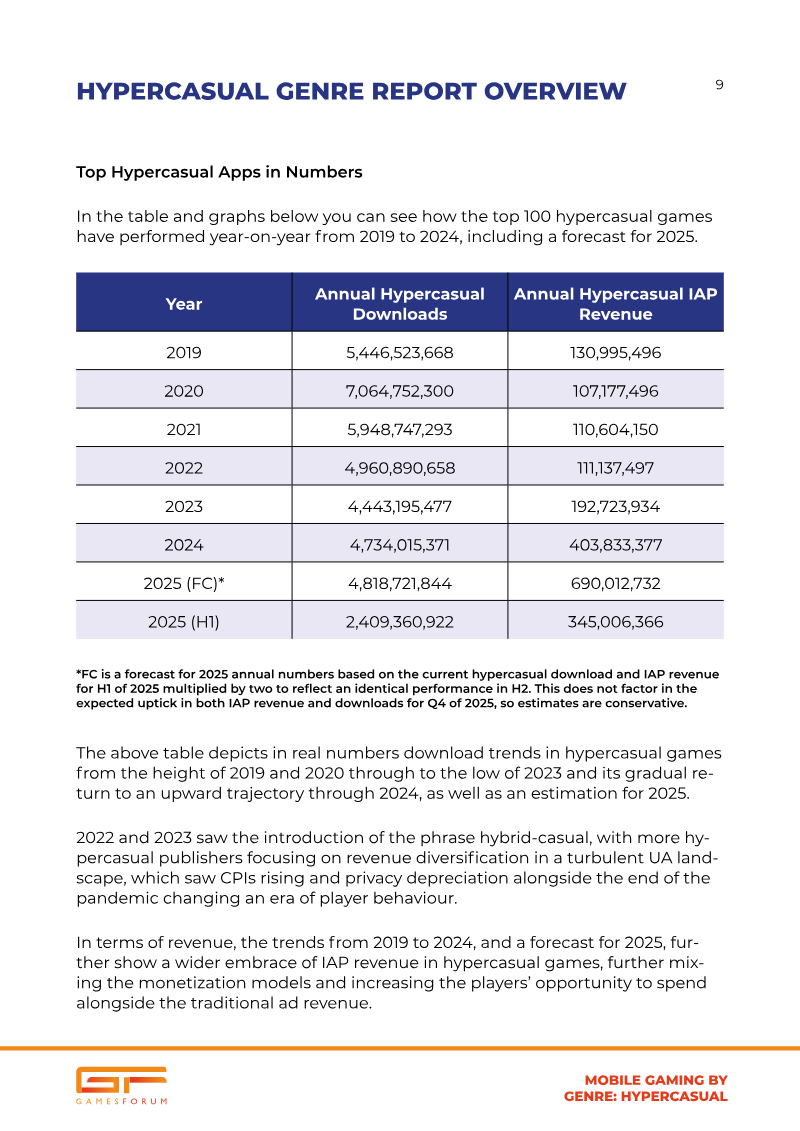
um but even so many people are now calling for a decline in hyper casual because of new interstitial ad rules a tougher advertising environment Etc I'm curious where you and data.ai fall on that how do you think you know based on the data that you're seeing how do you think hyper casual will evolve next and maybe compared to 2022 what kind of impact would that look like on its 2023 numbers yeah it's a great question because I think people are surprised to know that for instance earlier in the year we were reporting on hyper casual and q1 of of 2022 saw the biggest level of downloads ever for hyper casual um which I think surprised a lot of people there was that sentiment that maybe this would decline I think hyper casual in particular benefited a lot from that pandemic boost where you had folks that were not Gamers at all um dabble and kind of that first sort of entry point for a lot of folks to game
uh we are seeing a lot more Nuance in the space so for instance our game IQ sort of taxonomy we have 12 different subgenres within hyper casual so it it feels like for every not every type of game but for a lot of the core gameplay mechanics there's sort of a hyper casual offshoot we've got like action arcade music Shooting Sports racing there's so many that I think there's a lot of nuance developing that space and tapping into a lot of the market where people are still hungry for some very um maybe low commitment games um merge and fight was a great example they had a really strong Year and that one actually kind of defied our categorization it's in the other category it's a heavy heavily strategy game um kind of collection and battle mechanics and um you know leveraging monsters and Dragons emerging into like a bigger sort of entity and that that one actually didn't fit in any predefined category so I think there's a
lot of evolution and Nuance still happening in terms of affecting numbers I do think as well hyper casual games can introduce sort of those alternative or additional revenue streams as well um beyond the usual advertising options so you know yes hyper casual does rely on that and there's um and also for user acquisition but interestingly we've seen some examples of that play out where uh people are you know defying I guess expectations and paying for in-app purchases in these hyper casual games as well so Army Commander is a great example of that um paying to remove ads is by far the largest revenue generator for that game in terms of purchase volume as well as total revenue and it's sort of by positioning itself sort of as that premium hyper casual game I think Army Commander was able to kind of Target this mid-core segment in a sense um of that gaming population that's sort
of happier than most potentially to pay for an enhanced experience in the game so that's one example we've also seen you know magic tiles 3 piano fire also has various VIP and subscription in-app purchases which give you access to kind of fresh content and mute such as music and kind of cosmetic things um that keeps engagement high as well so I think that there's a lot of opportunity in the hyper casual space where we'll see some Innovative gameplay mechanics both both for sort of taking some more mid-core core mechanics and kind of making it more approachable as well as hybrid monetization techniques um that kind of supplement the ad base model so I'm I'm actually very optimistic about seeing strong growth in hyper casual this year continue interesting yeah I think I agree with a lot of what you're saying personally I I don't know like I see the headwinds and the Tailwinds and I I don't know exactly how it'll shape out in the numbers but I think the trend that you hit on of a lot
of these games innovating and taking on new game mechanics and economy mechanics um that's definitely that's definitely a trend that has picked up and I think we'll continue to pick up even even recently too um and in our novik Pro service we were looking at um a game called Zen match which is a Thailand game it was also you know recently acquired by Moon active that especially it was just like a hyper casual tile laying game that you know took on a lot of casual game mechanic components and kind of made it no longer a hyper casual game but still kind of a hyper casual game and I guess you could kind of say it the same for like another game that blew up this past year which is stumble guys you know built off of um you know Fall Guys from uh you know which is now owned by epic games and stumble guys you know bringing that type of game to mobile but adding new game economy mechanics including you know like like player versus player like
actual um uh mechanics and more types of purchasing and you know it was successful enough to get acquired by scopely who is gonna help take that game to the next level so I think that's an astute observation and um is happening in so many different kinds of games that maybe it becomes harder to classify what even is hyper casual as it kind of like bleeds in with these game mechanics that are you know often recognized in other categories but it's a it's a super interesting uh evolution um I'm curious you know you know just in terms of these genres I want to talk about a couple interesting sub-genres in a moment but before we get there um do you have any thoughts on which genres could perform best or worst especially when it comes to spending in 2023 yeah this is really interesting I one thing I'll call out immediately that was that I was a little bit surprised and then once once we started to kind of look into the data it made sense was um so for instance uh sandbox uh
creative sandbox games uh they actually grew significantly in time spent and downloads and consumer spend took a pretty pretty sizable hit and I think that that speaks to sort of um the core of what could be happening is the the micro transactions for sort of I don't know if I would call them luxury items but it's like you know in-app consumables like you know getting a new hat or an avatar skin or something um that was an interesting observation there so I think that's that's something I would be watching closely I I'm not sure if that will continue or not but definitely was one of those areas that from seeing pockets of growth and then also the flip side would spend declining there I think we there could be a bit of this out and about um so because people there is still that pent up demand to be in real life we saw a ticket service I know I've mentioned um travel you know trains and airplanes and events and booking things in in real
life being we've seen very strong growth there um I think potentially given some of the new game uh well rumored or potentially the ones that are converted for game launches we could see things like um AR doing well in the sense of Marvel World of Heroes is as rumored to be launching and so that could be an interesting one where that capturing on that out and about Trend Pokemon go in particular during the pandemic was very resilient and they did a great job of finding ways to kind of you know keep it local and abide by sort of restrictions that most people were feeling but that could be an interesting sector I know AR as a whole apart from Pokemon go has not typically seen super strong growth but I'm curious if the Marvel franchise will be enough to kind of help that um other areas that I could see I mean I think honestly a lot of the IPS being super strong that'll drive a lot of growth in in regardless of genre um so some of the ones coming to mobile
Final Fantasy um there's a Pokemon Trading Card Game um there's another game coming out from Nintendo a runner Style game um DC heroes and villains potentially Monster Hunter mobile so I think some of those IP could drive a lot of that growth um and then we also see some more competitive games kind of coming uh Warzone mobile which is one of the Call of Duty C's Star War Hunter Star Wars Hunters so there could be I think those will be some of the big drivers right and I think that speaks to some of the trends where we're seeing strong IP being uh helping helping to drive some of that adoption despite some of the headwinds in the UA space too yeah yeah I guess I would have some questions on maybe a handful of those that that you mentioned um but in general the trend of just Rockstar IPS coming to mobile and that continuing to pick up steam I think I think that continues to be an interesting Tailwind that especially in an era where user
acquisition is hard leaning even more so on the the brands that people recognize and we'll be searching for um that makes a lot of sense for companies to be leaning increasingly in that direction so so thanks for sharing your thoughts on that one other sub-genre that was The Biggest Loser this year in terms of time spent was Battle Royale and I'd be curious to get your your thoughts on this and the the decline in Battle Royale had a pretty notable impact on the shooter's genre naturally free fire you know kind of fell off a cliff and India of course uh all the downloads there faced a lot of volatility around the Banning of certain games as it got a bit geopolitical and one prediction novik has had is that the next wave of growth and Shooters could come from an emergence of extraction Shooters so I'm just curious to get your your thoughts on that um do you do you
agree or disagree that that could be an area in which the shooter genre finds renewed growth or do you think Battle Royale will revert and make a comeback would just love your thoughts on uh this shooter genre and where it could go next yeah I I do think that that could be an area of growth for sure um I think the shooter genres particularly popular and Battle Royale was one of the big growth sectors for it on mobile um but extraction Shooters could absolutely be kind of a next wave Evolution for mobile as well um one of the areas for Battle Royale that we're seeing and you mentioned this just before um but I could see this being a strong kind of area in our taxonomy we actually don't even categorize it as like Battle Royale because that's it's within Shooters um but party Royale we've put as its own sort of bucket and that's where for us stumble guys actually sits under a party Royale yeah and I think that that could be an interesting one I think the Battle Royale mechanic will always remain very
relevant especially on mobile um it's proven to be extremely good at you know tapping into that one for socialization and sort of um you know even that cross-platform play and I think the the stumble guys sort of popularity is super interesting because I could see that this is sort of tapping into potentially an emerging thread here which is is a little bit different than shooter but kind of tapping into the connected Battle Royale style of gaming um which is very strong we've got the online competitive multiplayer environment but then it kind of TAPS into gravitating towards more casual accessible less kind of Hardcore gameplay mechanics and also a little bit less I guess for one of a better word like you know not as much violence potentially so maybe there's a little bit of a a younger skew that could happen too I see that as a really interesting area where I think there could be a lot of um a lot of growth potentially following this this sort of initial rise that we
saw in 2022. interesting yeah I wouldn't have guessed that that's the direction you would have taken that question the non the non-violent Royale as an area of opportunity but that's uh but that is interesting I haven't really thought about it in that that way before um so yeah we'll be thinking on that savore this year and see see what happens there one other area that I want to talk about before we can um just talk a bit more about data.ai and then and then wrap up is uh China and the reports notes that even though the Chinese game Market has been volatile especially because of regulatory reasons Chinese Publishers have and continue to push for more influence and market share around the world and this is something that we've we've talked about many times on this podcast before but just to get some numbers here how much of the the mobile games Market especially outside of China belongs to Chinese Publishers and how do you see that Trend going in the future
for mobile yeah this is a great question um so and actually speaking um we've even seen a lot of the large gaming companies um when they've done their earnings calls talk about their domestic market growth and their overseas growth and typically what they've seen is pretty strong performance overseas um in our data data AI what we see is Chinese uh China headquartered Publishers account for about 21.4 of total mobile Gaming revenue outside of China um and that has been up from 20.9 in 2021 and 19.7 in 2022 or excuse me 2020. um so study study upward growth there um I do think that there's also some some key GEOS of focus that we're noticing a lot for China um headquartered companies so Japan is obviously a very lucrative gaming Market on its own and we've seen China headquarter companies make inroads there where you actually see yes the Lion's Share or the bulk or the majority of the
consumers spend um in Japan is still flowing to Homegrown domestic Publishers but it's interesting that that shares sort of has declined over the last three years in Japan and China has basically been the reason for that making up that Gap they've kind of taken that market share and grown by about 5 percentage points over two years and that's a concerted effort we've seen even in discussions we're having in the market um we're also seeing very strong emphasis on some sort of going global or overseas growth around eyeing and this is general for all sort of outside of gaming as well but southeast Asia has always been a core kind of market for China um Latin America we've seen renewed emphasis on sort of tapping into the markets that are emerging there and the Middle East as well being a key kind of area of growth too so definitely stronger growth there on the global scale but I found it particularly interesting that China was sort of taking over a bit more market share in
Japan which is historically very um sort of has historically been very committed to sort of homegrown titles um I think there's also some Publishers in China have sort of the advantage of kind of operational capabilities where they've got large scale um there's the sheer size of the domestic Market connected game Services um they've had a lot of successful titles like engine impact that have done very well in in Asia Pacific markets um and then they've done really well with mobile ports of games like Battle Royale games like pubg League of Legends kind of mobile ports Diablo um and I think they've demonstrated a really strong track record of both original Ip and then adoption of global IP so I do think that we're they're positioned to see strong growths um and a lot of the Publishers have also kind of established overseas bases in like Japan and Singapore and various parts of Europe so they can have that direct Market access Partnerships with other Global players and I would expect
this year that we see an increased uh increased takeover of that market share from from China headquarter companies for sure I think they're very well positioned for it and especially given the regulations in the domestic Market there seems to be an emphasis on also you know going outward as well and making sure there's sort of Revenue coming in from both yeah the incentive is definitely there for these companies to act more Global as it is for most any any company to try reaching new markets right but even so 20 24 of the non-china market belonging to Chinese um companies that's still a lot and that's a pretty notable figure I think for people to to keep in mind and I guess the like one caveat there is that you know not all those games are made in China right like a company like 10 cent would own like a riot games which you know operates primarily out of North America but still is a a Chinese company but even so like that's interesting too
um but yeah it's interesting to think that the number number will go up because these companies will focus on more of their game launches worldwide they could continue to do more M A not really sure but that's going to go just given geopolitical environments but I'm sure they can make more more moves still and then a new kind of sub trend of all this that I've picked up on a little bit we've talked about this in another episode recently but many uh Stu are many Chinese Publishers and we're looking at Netties in particular they're launching new Studios worldwide that are built ground up in different regions like Japan or like like North America um that you know aren't necessarily uh you know necessarily you know Chinese people making you know more Chinese market games but you know just more Chinese funded of of you know industry veterans from North America or Europe or Japan who are making new games for those markets so not all of that is mobile if anything there might be a bit more of a console bet to that but even so yeah
there's plenty of growth opportunity for um for these Chinese companies to continue leaning into the rest of the world and in more ways so yeah I'm really curious to see you know if we Zoom forward a decade it's 24 right now you said uh I'm very curious to see what that number will will be once we once we Zoom forward yeah so I guess we'll just have to wait and see for the state of mobile 2033 report right absolutely yeah and just as a it's 21.4 so not quite 24. um oh 21 a star yeah sorry starting in that decimal point it's sort of unnecessary so it's more like 21 but I mean uh still sizable yeah yeah yeah I'm just bad at math today I guess um but okay uh I guess before we wrap up in our in our final few minutes I'd like to spend some time just talking about data.ai itself um um if you don't mind and I guess maybe like first of all I'd just love to
get your take on what is the state of data.ai today um like how like how big is the company what all are you up to right now what's new yeah so we have about out of I never know the exact number I think it's about 550 600 folks globally um we're fully remote we did that during the pandemic so we're we're still Global we still I think at this point it's over 13 different countries potentially or different offices we're very Global now um well we always have been but even more so now that we've sort of embraced fully remote working um there's over 1500 kind of Enterprise companies using our our our our product um and then also I guess worth noting especially in this climate we are actually hiring for some key roles um so I feel like that's a bit of a rare thing to be able to say these days um so pretty exciting still um lots of lots of fun times we've we've basically worked very hard on some of
our app IQ and game IQ taxonomy and that's what powered the state of mobile um so there's lots more advancements coming with that um and that's been a very for a data person that was a very exciting first time we were able to do the full stay of mobile using all kind of that custom categorization taxonomy for both games and apps so that was pretty cool that is cool and obviously at navic we're power users of data.ai every day but for those who are maybe less familiar um could you just spend like a minute just saying like what what is the product suite and especially like what is differentiated about it in the market I think that could be interesting for people yeah absolutely so uh data AIS has a suite of of gaming Services essentially so I'll talk a little bit about gaming but it's also non-gaming and gaming we cover sort of the whole life cycle um that you would expect for mobile we offer Market data and analytics around what is happening in the space and competitive benchmarking and we have data that allows you you know ASO data
creative user acquisition data and looking at engagement so sort of this full player life cycle um retention monetization data we have an advanced game IQ taxonomy that um speaking of someone who gets to use it every day as an analyst I love it it's it's basically allows you to break down the whole ecosystem into more sort of nuanced meaningful buckets and then we also have this like deep layer of tagging so we're able to see um there's like first time user experience where things are tagged for how quickly you get into the core game Loop we've got all sorts of tags around monetization and you know are there advertising is there a VIP bundle is there a gotcha like loot boxes what's you know we've got all these additional tags that allow you to do some really cool um I guess analysis gymnastics um so that's a little bit of my plug from an analyst side um and we also have some um we've released our mobile performance score which is like a bit of a composite index metric uh kind of like a credit score in a sense and that's been pretty fun to
see come to life this year um and we also just basically to kind of tell our taxonomy solution we've passed 250 000 kind of apps and games categorized which is super exciting and some of the differentiation I think lies in a lot of those features as well as our sort of robust Market view um we also have some two really cool features for folks who are analysts or looking to analyze the space um we have this Excel plugin and a snowflake plug-in as well for people who want to kind of get the data straight to where they're doing the analysis which is pretty cool awesome um and I guess one last question about this before we wrap up I know we're at times so we can make it we can make it fast but um obviously the team isn't done building yet the state of data.a I won't be what it is right now forever and there'll be new stuff and I'm just curious to know if there's anything you can say about what's on the road map or what new things can users get excited for in the future absolutely um I'll try to keep it short we've got
um some very fun features coming out a dashboards tool that allows for more meaningful dashboarding across all the different metrics so these are acquisition and retention and competitive benchmarking of your peer group and relative to the market movement so some more intuitive dashboarding coming we also have in-app purchase uh data that's coming that's very granular so there's a snippet of that in the state of mobile actually related to social apps where you can see for tick tock for instance the bulk of Revenue comes from a one in-app purchase that is 250 actually in the US um which is pretty huge and it's actually less than one percent of people purchasing it that purchase volume so we have an indication that Tick Tock is actually kind of tapping into that um whale monetization style in a sense that it's popular in gaming which is pretty cool to see um so that data is coming as well as ad Revenue monetization so that one I'm particularly excited about that can show a bit more of what's happening in the ad space it's particularly
Salient for gaming and especially with changes in the ecosystem I think this will be a really good window into what's really going on cool well I'm sure we'll be users of that too at Navi and I guess final final question Lexi if if someone wants to learn more about data.a AI or follow you uh where should they go and we'll put the links in the description if you go to data.a insights you'll find all of our analysis and reports all the good stuff um you can follow us on LinkedIn as well as Twitter and then for me I'm most active on LinkedIn um you can reach out there I'm always happy to answer questions take questions kind of brainstorm I love hearing from people especially if you've read our reports and you want to kind of probe deeper um I'm also on Twitter but I don't I'm not Super Active there so I think LinkedIn might be the best place if you
want to reach out to me directly awesome well Lexi thank you again for joining me today it was a pleasure getting to know you a bit chatting about day-to-day eye and the latest state of mobile reports and I look forward to seeing where you and the team take it from here wonderful and thank you so much for having me this has been very fun I would love to come back and I will be watching all the rest of the podcast and listening in as well yeah fantastic and lastly to all of our listeners if you enjoyed this episode please make sure to give us a like subscribe five stars it would mean a lot we'll put the links to all things Lexi and data.ai in the episode description below and of course we'll drop some links to novice resources as well thanks for listening and we'll catch you next time [Music] hold up
[Music]
Summary
The global mobile gaming industry is currently navigating a period of contraction, marking a departure from its historical reputation as a recession-resistant sector. In 2022, consumer spending declined by 5% despite a 20% increase in total time spent, a trend driven by macroeconomic pressures such as inflation and shifting post-pandemic consumer habits. Projections for 2023 indicate a further 3% revenue decline to $107 billion, as the industry contends with privacy-related user acquisition hurdles and heightened competition for wallet share from real-world entertainment and alternative digital platforms.
Market performance remains highly fragmented across genres and regions. While the Casino genre saw a 48% surge in downloads, primarily within emerging markets like India, this growth failed to translate into proportional revenue gains. In contrast, the Action genre, led by MOBA titles in the APAC region, achieved a 20% increase in in-app purchase revenue. To mitigate the impact of a volatile advertising landscape, hyper-casual developers are increasingly adopting hybrid-casual models, incorporating subscriptions and mid-core mechanics to diversify revenue streams.
Strategic expansion remains a priority for major players, with Chinese publishers now capturing over 21% of mobile gaming revenue outside of their domestic market. This international growth is facilitated by the integration of global intellectual property and the establishment of localized overseas studios. As the market matures, analytical tools utilizing granular taxonomies—such as those categorizing monetization, retention, and user experience—have become essential for developers to navigate competitive benchmarking and optimize performance across the full app lifecycle. These data-driven insights are increasingly critical for maintaining profitability in an environment where traditional growth levers are becoming less effective.













Comments