1 free read left. Create a free account for unlimited reading + AI research.
Create free account
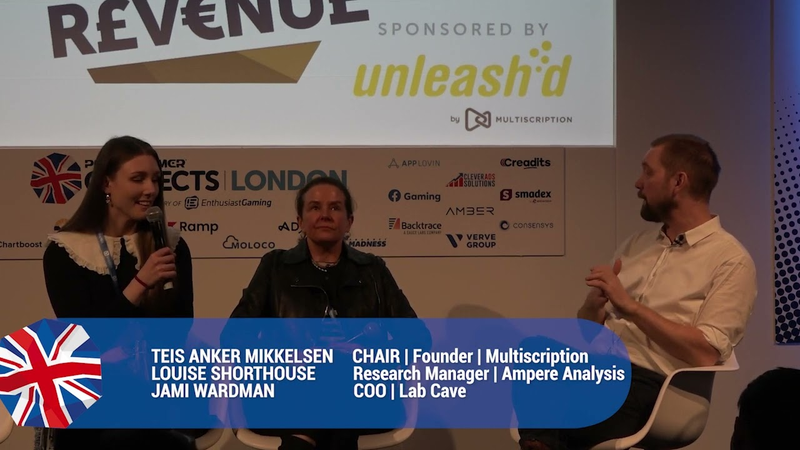
Panel: The Future of Mobile Game Subscriptions.
Key insights
6 takeaways- 01Mobile game subscriptions currently represent 5–6% of global gaming revenue, serving as a secondary monetization layer alongside traditional in-app purchases.
- 02Platforms like Apple Arcade and Netflix function as curation engines that help developers secure creative freedom, though they must overcome challenges related to sustained player engagement.
- 03Developers are increasingly adopting games-as-a-service strategies, such as regular content updates and replayable systems, to combat high churn rates and extend the lifecycle of premium titles.
- 04The industry is shifting toward a hybrid model that combines subscription access with optional in-app purchases to balance recurring revenue stability with diverse player spending habits.
- 05Long-term success in the subscription space requires sophisticated reactivation strategies, transparent management to maintain user trust, and a move away from restrictive cost-plus business models.
- 06Current market trends face structural limitations, including restricted developer access to player data and artificially low subscription pricing that risks undervaluing premium gaming content.
Ask AI about this video
Transcript
foreign [Music] [Applause] thank you for taking the time and see some of you have been sitting through two talks now and our panel so this must really be a subjective interest to you as it is to me and to our lovely panelists so um there might be screens showing uh you might be saying where's where's Jamie unfortunately Jamie she was unable to attend after all so you'll have to make do with us but I'm also very happy to have such a
clever and also experienced people in the in the panel here to to talk about subscriptions and and take share share with us their knowledge quick introduction um I'm Thais I'm the founder and CEO of multi-description we are the track sponsor here and we're also the company behind Unleashed which is a subscription service for mobile games um won't go too much into that some of you might have seen the talkages just 20 minutes ago if you didn't I'm sure it'll be online soon and if not uh you're curious come downstairs we have a booth uh we'll come down and hear more about in-game subscription service with that oh give it to you hello Maria sayans I'm CEO of us2 games we are a UK based Studio about 40 people based in London and we make mainly mobile games but also PC and console you might know us from Monument Valley but we also made Alba Wildlife adventure and most recently Testa the memories between
hi I'm Louise um just testing to see if it's working um I'm from Empire analysis which is a media and entertainment research company I'm part of the games team there so we've been tracking the global games market for kind of as individuals more than 15 years so we do everything from Market sizing and forecasting to Consumer research and title analytics as well thank you and actually um Louise did a really interesting talk last year in this conference about subscriptions and I'm happy to see that also the big firms of research firms are and sort of getting the eyes on this and just dive into the topic I would say there will be room for questions at the end so if you have any please note them down I will happily answer them so if we if we look at the future of mobile game
subscriptions and where are we going very high level you um sort of um where do you see us going or maybe starting with you Louise since you are you're in the helicopter in your daily world looking at the big trends so I think something that's really important to remember about games subscription Services is that they're inherently very different to other entertainment services like video or music because they have this other layer of monetization um so quite often when we look at game services they act more as kind of user acquisition tools for the players to then go in and spend more money on in-app purchases and things like that so when we think about games Services specifically and not in-game subscriptions and this is an area that we see growing so last year I think uh game subscription Services represented around between five and six percent of total spend on games content and
services globally um and again that is an area that's growing we did see a decline in general last year but subscription services are on the rise um but I don't think they're not going to become kind of dominance anytime soon I would say I think one of the issues with games subscription Services is that churn tends to be quite high and I think that's maybe even more of a problem on the mobile platform because arguably the games tend to be kind of shorter um and I think if you have a service with quite a high churn um it's then quite difficult to scale that service to a point where it becomes a kind of dominant force in terms of gamer spending quick follow-up question before we go to your Maria is that when you talk about these Services maybe just for everyone understands we are talking across mobile and console and PC when you talk about these services and the trends do you see any differences between the different
platforms and these services [Music] or a very different thing um and I think possibly in a more positive space at the moment versus the services themselves um I think Game Pass has really been kind of pioneering game subscriptions and it's really been reshaping um games descriptions as we know them um and I think on the mobile front it's probably a little bit less there's less of a kind of leader in the space I mean of course we have apple arcade um but I think Game Pass is really driving things forward for subscriptions uh in general Maria what do you how what does the future look like from Yorkshire um so we we traditionally a premium
mobile games developer and a few years ago we um we were we launched assemble with care as a day one title with um upper arcade and then we followed that up with Alba um and most recently we've done desktop with Netflix and I think that um our experience with subscriptions in the mobile space has been fantastic and I think it it really you know quite honestly uh premium mobile gaming was probably a business that you know unless you're a party game wasn't really there anymore uh not for the kind of um the kind of you know premium games with a development budget and polishing the time that it takes us to make our games so I think that subscriptions have worked extremely well for us and and we've worked uh you know
really well with with both our partners we also put um Monument Valley one and two on Google Play pass um and uh and so we've seen on women Valley one and two subscriptions as a great way to extend um the life cycle of our games and then just working to develop titles for both Apple arcade and for Netflix as a great way to give us a lot of creative freedom a way to keep our IP a way to give a lot of um stability for the teams and certainty but also a platform for them to take those games to PCM console and the core of our game still is pretty much mobile but being able to bring these IPS into PC and console has is also another positive of the experience for us um so you know so far a really fantastic experience I do think that uh you know
uh from a what's the future of that perspective I think consumers love subscriptions uh it gives them a way to navigate um the answer like the the amount of content that is out there uh and I think that a great Subscription Service it's a great you know at its best it's a great curation service uh and I think that's perhaps one of the things that uh that as a consumer I value the most you know just I don't have the time to research all of the content uh that is out there um but it gives me a certain sort of you know alarms of like this how much money I'm spending and these are the kind of things that are coming out um so I think from that perspective a lot of families love them uh a lot of uh players love them and uh um you know I think it'll be an increasingly important part of the of of
the business and definitely for us and a really important part of our business model but we have to be very careful not to become overly dependent on on subscriptions really interesting I think first of all I think you could put Monument value in a McDonald's Happy Meal and it'll still be a good success that's a great idea yes I just think it's not just the service but also I think very undervalued is still the quality of the game so there's no there's no Silver Bullet in in just putting it on one of the services and that's something I want to touch upon later as as we talk about the requirements actually you just don't put it in the service and it works so that's that's really interesting but one thing I wanted to maybe you could elaborate a bit on is you talked about putting your game and it sort of it works on the the other platforms as well so do you see that uh as as a benefit that you have the business model for your mobile game it's a subscription it it easily translates to PC console is that sort of the the logic behind that
um I wouldn't say it easily translates and I think ultimately there's a very strong connection between games and the business model they're built for so there's always a bit of a compromise when you're taking a game from one business model to another it's not going to be platform perfect it's not going to be business model perfect but having said that I think there's quite a bit of of an overlap and I think that you know finally enough one of the things that we found is that the industry is still pretty snobbish about uh mobile games so being able to present our games as a game that comes out on mobile and PC and console gets uh makes it be perceived as a real game from the very beginning uh and uh gets us access to coverage and awards and uh in you know just opinion formers in a way that has a purely more might be a little bit harder so so I
think there's definitely a a good positive relationship uh by bringing being able to bring those those games I mean it just for context our games are single player games uh so I'm not talking about uh you know if you're a multiplayer game there's you know all their challenges but also other benefits but even just purely as a single player game I we see benefits there that's staying a bit on the um the sort of the the difference between the different types of subscriptions you guys are talking about and please both both chip in you talked about the in-game subscription the subscription services and I touched upon this in my talk previously is that Apple arcade is almost like a publisher right it's almost like a publisher subscription you have a different type of publisher very powerful one but um but nonetheless it works in the way that they publish the game Etc um and there are some um inherent differences in in that and then you have console on the other side do you have any uh thoughts on the the difference between that just because
it's a completely new topic for for most of us because we're just entering into subscription as you said Louise it's it's still a small Revenue uh sort of overall globally compared to in-app purchases Etc um what do you guys think about the different types any considerations that a company should have in considerations you made between those um yeah I think we're still kind of establishing a best practice in terms of subscription Services I think there's such a huge Variety in terms of the types of deals that can be done and and that kind of thing um because it's so immature compared to other areas like I said um can you repeat that I was just talking about the differences in the types of services what kind of a considerations you've talked a little bit about it like when you when do you want to put your game on on a service like applique or Netflix which I think is again it's more like almost like a publisher model or do you want to create your own in-game
subscription do you want to put it into I mean I know there's a difference with apple a kid it's more similar to Xbox game pass you could say Netflix is a bit different any kind of consideration so from from you guys on what to do as a developer well um I guess Maria probably speak more to this but my perspective would be that I suppose if you're putting your game into a subscription service there is perhaps this idea that I mean you touched on it but already about you have this kind of creative freedom to focus on making the kind of games that you really want to make and not so much on constantly trying to monetize whoever's playing your game um and it maybe gives you gives you that freedom again um but I mean I feel like as these Services scale um that that's going to become less and less feasible because the services the people who provide the services are going to be looking more towards games that keep people on their platform and keep people engaged and so you're still going to need to be thinking about
how to keep people in your game even if you're not necessarily consistently needing to monetize them but I don't know if like making them as replayable as possible and keeping people coming back I don't know if that's something you yeah I mean I think when we talk about subscriptions obviously it's you know it's the same word but they're sort of you know completely different things out there the idea of offering a subscription in your game is something that is only available for certain types of games um and uh but I mean it's not even new I was just thinking like the first time I ever worked on a subscription and I think that just shows my age with some uh Club Pogo like in the early 2000s uh and uh and at the time I thought what they're charging a subscription to people so that they can play more of the content they've already made that's just Evil Genius um and uh and and the clients like the consumers of these subscriptions back then were women uh and uh so I think
um as an industry we've been learning how to adapt to subscriptions for for quite a while maybe not every game and not in um every franchise and I think that one of the um for developers like us how many of you are developers by the way stuff okay a few Developers but not that many so maybe I'm gonna where I'm about to get into might not be so relevant to you but I think one of the things that we learned uh early on is that um even like within a subscription you faces some of the same challenges that you face um in [Music] um um in in the free-to-play space right you're still uh fighting for engagement so I think that when you know we put our games for the first time everybody want
to do for the first time ever on a subscription service called hatch remember hatch um and uh um it was really interesting because it was also a streaming service and what you see is that you're fighting for engagement from minute zero because um because there is uh the the it's so easy to jump in and out of a game um so so I think that even if you're the creator of Premium games and you're coming at it from some mindset of well I've got your attention now for the next two hours you know a subscription really creates already that idea of I really have to engage you from minute zero because the offer of so many games out there means that you know you will jump out in a moment so that's just one of the things I think just just jumping up that is I think we see the same now as we saw back in 2010 to 2012 when everyone was moving from premium to free to play not
everyone obviously but a lot a lot of companies were and and we people started understanding that they needed to create the game a bit differently and I think we see the same it's not just taking a premium game and putting into a service or it's not just taking a premium game make it free to play and then put in a subscription into that it it does require understanding the the monetization model better and understanding what it is that drives you said engagement in the services that reward you on the engagement and all that that's important for you to get your you get your your royalties um in in if you if you run your own game and you have a subscription service in your own game you want you need to have attention you need to have re-engagement you need to have all these metrics still and subscription is definitely not a silver bullet for for those things so if I if I could come back to him when when you when you were had these great games and you're thinking about what what to do now what were some of the thinking
that some of these guys can learn from in what the decision-making process around going into Apple arcade and and this time Netflix now and just from from starting out early I think with as she said with hatch was the first one and then moving on to um to applicator now Netflix what were sort of the yeah just the Thinking Inside the company um so I think what's become clear to us um is that um at our production values kind of level and our budget level we need to be thinking more about retention and engagement we couldn't like the idea of a Monument Valley that is just a beautiful game for an hour and a half and then I leave you know that and then that's it that the game ends um even within the context of of a subscription service that's that is a a challenging proposition so I think we've definitely been paying a lot more attention to
um to engagement and replayability in in our game Concepts how to do that in an elegant way how to do that uh in a way that still you know doesn't break the magic is is I guess the flavor that we're trying to put into what we're doing is something that is respectful to people of people's time so I think you can see that for example with Alba was already a game that uh had um um a lot more ability to explore and replace some of that uh space a lot more systems based gameplay uh and with desktop our most recent game we took that even to another level and we've been now doing content drops uh for the game um regularly with additional modes and additional um challenges Etc so that mentality of of looking how do you bring in some of that games as a service mentality is
something that we've had to adapt and I think that's probably the the biggest consideration I think another consideration for us is um some of the business models I think some of the business models um converted a little bit into a cost-class model um and I think that that is not a great place to be in maybe explain what you mean by a class plus model uh I know what you mean yes and you know you tell me how much it costs and you charge me a premium on that um and that's how much money you're gonna make out of this game um and um the challenge with that is is that um um for the industry going forward as developers we really need to be you know be able to take risks and um and innovate um and uh and that kind of model which
is how TV operates and film operates is not a model that is very con uh conducive is that the word conducive to risk taking and not only that it's it's a little bit dangerous as well because I think a lot of the developers um don't really understand their full cost basis and there's a lot of small developers out there that uh that are getting themselves into this kind of hamster wheel of one deal and another deal another deal and they never have the opportunity to to achieve a little bit of uh uh sort of returns above that that give them the perspective to really invest on on their next game um there's a really interesting point and I'm now even more said that Jamie isn't happy because the lab came that she is the CEO of actually has a game that's integrated with Unleashed and one of the things we talked about her and I is that what what we want to avoid is the cost plus
model because ours is an open-ended model it's an additional Revenue stream that we designed especially specifically for that reason because we don't want it to be like kept at how much you can make and one of the things I also talked about just to plug my previous talk is that I talked about there was you should still have it upsell you still have in in-app purchases in these type of free to play games so you can still have that so don't have it at the Cost Plus model one thing I want to make sure we we talk about which is um extremely important of course in a subscription where it's a lot about retention is of course the opposite churn and Louise you you started talking a bit about it and you mentioned it as one of the big problems right now we have in games is to churn yeah so um as part of our consumer research we ask people about why they churned from certain games subscription Services um and the top reasons are always um I only signed up to play a single
game and it's very very popular and again you know people are leaving and so it's preventing these kinds of services from scaling another one is that people want to go where their friends are so they're left because their friends were on a different platform and I think even if you're not using the service to play a multiplayer game or it's not a multiplayer game with a subscription in it I think that kind of thing still applies because you can still talk about these kinds of things with your friends when you're outside the game um and there are a number of other things like it wasn't good value for money um and things like that but actually they tend to be lower down and it does seem to focus a lot more on the kind of social aspects and also just having too many services so there are so many subscription Services now not just games but broader Media Services and a lot of these are branching out into games and becoming these kind of One-Stop shops for entertainment I suppose and which is what we're seeing a bit more like Amazon and Apple and I think consumers are just a bit
overwhelmed and we're seeing saturation I think people are leaving because they want to sign up for other entertainment services other game services and I think generally we see more often people churning from a game service to use that money for an entertainment service rather than another game service so rather than just competing with other game Services I think we're actually competing on a much broader landscape with other types of entertainment as well exactly and just like Netflix you used to say I don't say anymore that their biggest competitors sleep I think this is a bit the same here is that we're not just as a subscription you're not just competing against other games but all the other subscriptions and one thing that both Apple and Google have are doing really well which I applaud as someone who works in subscription is actually they give you a very nice way of managing your subscription getting an overview and canceling them I think that's that's the the best way the consumer friendly way to do it so I totally upload it and actually there's a lot of studies that show that the easier
you make it to cancel a subscription the more likely you are to retain your customers that's because they don't feel tricked they don't feel sort of caught up in sort of in in and that they can't leave so they just want to leave so that's make it easy to cancel your subscription as easy as possible possible big button and actually people will will stay longer because they feel it's more fair and I think one of the things you talked about about churn which I think is so interesting about combating churn is the idea of building a community on top of your subscription we've seen it previously that you build subscription to monetize your community that you already have there but I think we'll see not this year being the big thing but in a couple of years we'll start seeing that the big successful companies who have built a community on top of this description I mean it's it's still I don't understand there's probably really good reasons why Netflix doesn't have a real Community right that you could have
that if they just if they invested in and they sort of catered for it you would have even stronger brand loyalty they're really smart companies so there's probably reasons why they don't do that I'm just not aware of but I mean they do on on the TV space right and there's uh there's a lot of you know Netflix obsessives out there who are just really focused on what they're doing out and so so I agree the question is how much you are I think as a company you are in curating that or maybe I may maybe how to say um empowering that or providing a platform for it because I know there are groups on Discord Etc discussing this uh but anyway sorry I I stopped you talking about churn what do you think about you mentioned it a bit about um having sort of a live Ops mentality um and constantly having to think about your game as a live Ops not as a one shot um is there anything you've learned about churn um having now several games on different services that these guys should be aware of [Music]
so much because we are so not so much from there um but I but just pulling from previous experience um uh on evil line when I was a uh at CCP I think one of the things to think about is um is that said like a lot of managing subscriptions is about reactivation it's about like getting people back onto onto a subscription so how do you create something that you feel that the player has a stake in or on uh having they have invested into the service so that I may stop playing or I may stop paying for a few months or even a year but I know there is something there that I can go back to whether it's you know in the case of you online you would be kind of my ships and my or whatever
um but um but what it what is it that I feel like I can get back to that still has value um and I think because I think anybody who is managing a subscription even a mature subscription particularly a lot of what you're doing is managing reactivation so that's something maybe to think about yes I just want to say as I said we're going to take questions in a bit we're getting to the last part I have a few more that I really want to get in and sort of pick the brains here and but then just so you can prepare any questions here you might have for for panelists because what I wanted to ask you about is that um as as we talked about isn't it's a new It's relatively new even though you come back to hatch you can even go back to feature phones and we had subscriptions for games but relatively new in sort of the mainstream um which Apple has definitely paved the way for Netflix is now making even broader but we have Google Play paths and other services as well so still a relatively new model for us
also witnessed by we only have like this this little track here maybe it's going to be even bigger next year but it's a very young business model but I'm sure there's some things that you already would love to change some things you already would like to course correct um where we are going with this with this new model to make it more sustainable to make it more dare I say fair for the people who are creating the value in the model and yeah so any um any thoughts on that any change that you would like to see made to subscriptions broadly speaking already now yes you can see that um um so I think you've mentioned one of them is which is the case in in many subscription services but it's just to align the incentives of the developer and the platform owner so that if it is about engagement let's make sure that like exposed to to that upside and they benefit from that engagement
and I think that's the case in in in in in quite a few um of the subscription models um but the other one is data and access to data and I think this is a you know it's just a hard one to navigate because um you've got you know um how do you make sure that a set developer I can have the right view of data to make my game as good as possible for my players and and so platforms don't always share that information or don't give you access in in the way that really allows you to optimize the game and I think that as long as as we don't find a way to do this on a on an ongoing basis or on a on a clear basis I think this will hold back the kind of games that develop on
those platforms because um you know because I think the industry has grown massively and as a result of being able to adjust our games to to player data whether it's acquisition whether it's engagement and uh and I think that that needs to you know continues to be a need that developers have in order to make the best things possible I am I think it's really interesting point about access to data this is why I typically group as I said Netflix and to some extent applicate even though they also foam as a very different thing from your in-game subscription because it is about who's publishing the game who gets access to the data who can react on that and that's really the sort of you know the person who holds the information holds the power right and I think there's it's it's a very relevant uh very relevant topic um for sure um yeah one thing I would say is that I think I don't know if it's
for some people they just enjoy spending money on you know in our purchases they like spending money in games you know a huge amount of money is spent in mobile games that obviously comes from somewhere so and I think if you introduce a subscription or it's like a subscription service in some cases it's just not scratching that same itch um for some kinds of people and so maybe that's why it doesn't quite work for them some people just really like spending money um in game and find it very satisfying and I think sometimes that maybe takes that away um but I can really see how subscription Services work well for families for example um the ones that take out the ads and the NR purchases because then as a parent you're not worrying about what you're if they're going to be asking you to pay for things or accidentally buying things or being advertised to or anything like that um but yeah I think there is something about in-app purchases that is just very um just really does it for some people and being in a subscription that takes it
away um just doesn't really work for them I I think it's a good point I think that's why you go to restaurant there's a wine list because you can choose which one you want we don't all want the same wine and maybe some don't won't blind at all it's the same thing I think with this uh with some of the games that have very deep engagement is that you want to allow people to pay according to how much they enjoy the game or want to spend in the game again we're not talking about the bad kinds of monetization that's of course that's not what we mean and we're not talking about cheating people into buying thousands of of pounds worth of something they don't need or their kids getting out of credit not what we're talking about we're talking about heavy informed adults spending money on their Hobbies right and I think some people like to ride a horse go hunting play golf those are expensive hobbies and you probably spend more on those than you play spend on a game and to your point about a little bit snobbish I think also we have just in in general in the in the industry one
thing I would love to see changed is that if I spend I don't know a thousand pounds on Golf Equipment No One's Gonna people say okay it's really into golf if I spent that on a game they're going to pretend that I'm an idiot they think I'm an idiot right well you get you get cheated by this game was why is that both things are Hobbies both things are enjoy you know I should be able to spend so I think that's a that's a good point and um how we spend our money um so uh but now that I just uh sort of took the ball into my court I would say one thing that I would love to cause correct which makes me a little bit sad is that we have set the price points as we did I think applicate is five dollars uh Apple music is is twice that why is against really that inferior to music that we have to price it at half do we not want to pay people the same amount just because we don't have like games industry Crips or whatever they show so you can see how well you know we live as game developers and I think
that's it it annoyed the the heck out of me I can tell you when we started at least it was before uh applique was announced and we were out pitching to Publishers and and the investors before we went to public or not going public like out of stealth mode and then we had a price point of 10 euros and then ever launched at five and we just said I guess we're at five that's because that's where you set the price point Google Play pass is even two dollars really two dollars four hundreds of games I think that's that's I think we had a chance to reset and get away from the race to the bottom and I think we we've missed that um so I think now just to piggyback what you're saying about allowing people still to spend uh on in-app purchases and use the subscription as a baseline I think is a great way uh going forward for for most games not all games for most games I was just gonna say I think pricing is such a difficult one because on mobile you're operating in this kind of free-to-play landscape so anything with a price tag on it is going to look
expensive compared to all the free content out there and I think we like we see a lot of services especially at the moment as we're in this kind of immature stage really pricing their services extremely extremely low so um G-Force now for example is very very cheap like definitely not making a profit kind of cheap and at some point the price is going to have to go up um and I think there are going to be a lot of disappointed consumers who are paying very low prices at the moment and it's just a shame like you say that that's where we're at and it is it is of course a lost leader for Apple application we all know that to sell more phones and that's fair anyways let's open up the flow for questions uh if we have this one here first hello um hi Maria um I'm Harvey designer at the net television school um I just wanted to ask you um so us two games I'd say is like a
like a Bastion in terms of the developers on mobile like there's no higher caliber of quality and you've been able to retain this premium model for a very long time be it through subscription models um and you were talking about kind of the the longer term retention and with Destiny you're doing kind of extra contents being added regularly um is there going to be a point that breaks the camel's back and you go for the you go for the freemium and you you go for the in-app purchases like is there going to be the monument Galaxy where you know you pay for a whole new kind of sections of Monument levels um yeah just interested to see your consideration or are you going to stay pure and an only kind of Premium content only if I understand your question are you asking if we would be introducing in-app
purchases uh in our games is that is that your question yeah um I mean we've we've already done paid paid updates for previous Monument Valley uh games um and uh but right now we have no plan to make a game that's um sort of a traditional free to play uh um model was that your question did I understand it yeah and I guess it wasn't very open-ended so yeah yeah but I think I think that we all just have to ex we have to continue to explore um what the magic is right I mean what worked in 2014 isn't necessarily what's going to work today and I think that uh as developers um even just from a creative perspective we want to explore you know at the time Monument Valley did something that was
kind of completely unexpected by making something beautiful on a mobile phone well doing unexpected things is a little bit where we like to be right we like to try things not just do and the same thing over and over again cool thank you I think we have a time for one more yeah last one last one um do you see with the advanced subscript you see games changing because like TV or film is you do see for instance in terms of narrative repetitive for his extended for time and you also at the same time a look at recognition
sort of increase subscription right yeah um the short answer is I don't know people have been talking about episodic for many for for a very long time um and uh you know so I think there's always you know there'll be a space for episodic content but I don't think it's that like it's going to be something that is radically going to um surprise us because people have been talking about episodic content for a long time I think the biggest one is is that is is that idea of um just for us and from where we're coming from is is the focus on engagement um and uh um in doing it focusing on engagement in a way that is respectful of people's time I don't know uh other creative ideas I don't know I I don't know that I can sort of see the future there sorry I think also the time we have so
you get out of jail free card there sorry time's up but I'm sure you can you can talk to Marie afterwards and get it to to brainstorm some more otherwise uh thank you so much for taking the time if you want to know more about Unleashed out down to our booth downstairs and uh chat more thank you so much Maria and Louise [Music] [Applause]
Summary
Mobile game subscription services currently account for approximately 5–6% of global gaming revenue, functioning as a critical, albeit secondary, monetization model alongside traditional in-app purchases. These platforms, including Apple Arcade and Netflix, serve as essential tools for developers to secure creative freedom and extend the lifecycles of premium, single-player titles. By acting as curation engines, these services help consumers navigate an increasingly crowded marketplace, though they face persistent challenges regarding high churn rates and the need for sustained player engagement.
To remain competitive within the broader entertainment landscape, developers are shifting toward games-as-a-service strategies, utilizing regular content updates and replayable systems to foster long-term loyalty. This evolution requires moving away from restrictive cost-plus business models in favor of open-ended revenue structures that encourage innovation and risk-taking. Success in this space depends on sophisticated reactivation strategies and community building, while simultaneously ensuring that subscription management remains transparent to maintain user trust.
Significant structural hurdles remain, particularly regarding limited data access, which hinders the ability of developers to optimize player experiences effectively. Furthermore, the current mobile market suffers from artificially low subscription pricing, which risks undervaluing gaming as a premium form of entertainment. To address these systemic issues, the industry is trending toward a hybrid model that integrates subscription access with optional in-app purchases. This approach balances the stability of recurring revenue with the flexibility required to accommodate diverse player spending habits, ultimately aligning developer incentives with platform goals to ensure the long-term viability of the subscription ecosystem.























Comments