Mergers & Acquisitions reports and market data
Documents
FTC Halts Microsoft’s Acquisition / AI Narrative Gaming / EA Restructuring
The gaming industry is currently navigating a period of significant structural and regulatory transformation, characterized by aggressive corporate consolidation and the integration of emerging technologies.
- The FTC is actively challenging Microsoft’s acquisition of Activision Blizzard, creating significant operational uncertainty despite the deal securing approval in other global jurisdictions.
- Electronic Arts has restructured into two distinct divisions, EA Sports and EA Entertainment, to separate stable annual sports revenue from volatile creative projects and improve M&A readiness.
- Roblox is expanding its demographic reach by implementing 17+ age verification systems, aiming to host more mature content while managing the associated risks of user safety and moderation.
Embracer Restructuring / Apple’s AR / Not-E3 Week
The gaming industry is currently undergoing a structural transition characterized by a move away from aggressive, acquisition-led growth toward fiscal discipline and a focus on established intellectual property.
- The gaming industry is shifting from aggressive, acquisition-led growth to fiscal discipline, as evidenced by Embracer Group’s transition from a decentralized roll-up strategy to a centralized model to address debt and operational inefficiencies.
- Rising interest rates and higher capital hurdle rates have forced developers to abandon high-volume, 'shots on goal' development strategies in favor of sustainable production and the cultivation of established mega-franchises.
- Launching unproven intellectual property has become increasingly risky due to heightened competition for consumer attention across the broader entertainment spectrum and rising costs for user acquisition.
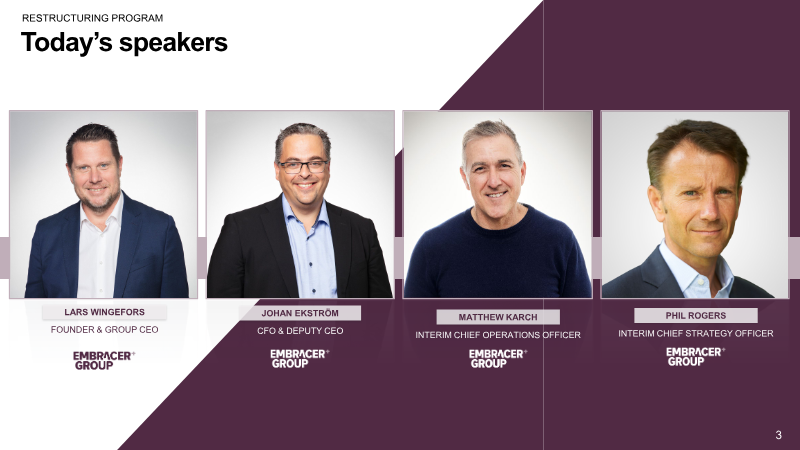
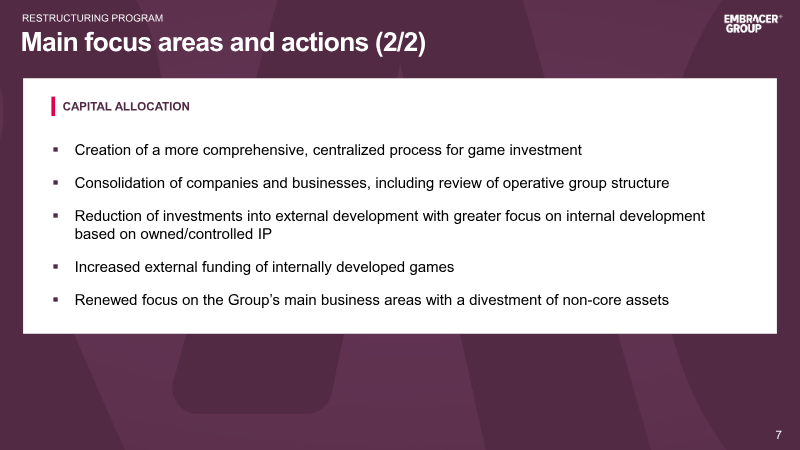
Restructuring Program: Embracer Group
Embracer Group has initiated a comprehensive restructuring program for the 2023/2024 fiscal year, aimed at enhancing operational efficiency, increasing cash conversion, and reducing capital expenditure.
- Embracer Group aims to reduce net debt to below SEK 10 billion by the end of the 2023/2024 fiscal year through a comprehensive restructuring program.
- The company plans to cut annual capital expenditure by at least SEK 2.9 billion by fiscal year 2024/2025.
- Overhead costs are targeted for a reduction of at least SEK 0.8 billion, representing a 10% decrease from Q4 2022/2023 levels.
Microsoft’s Activision Acquisition: Implications for the Cloud Gaming Market and Industry
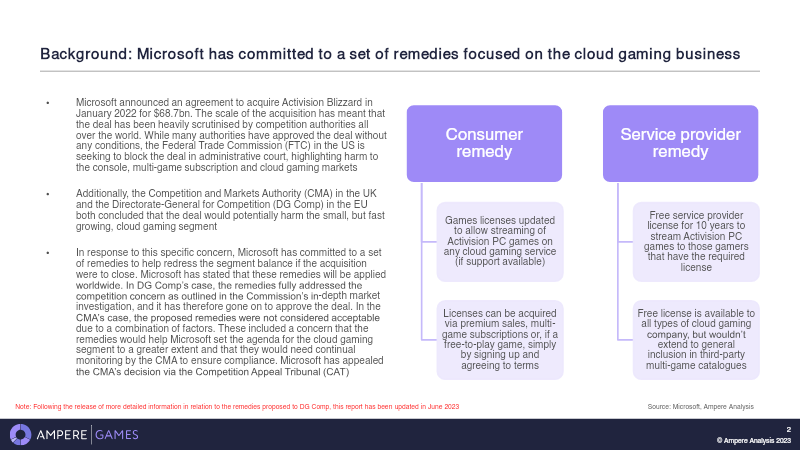
This analysis examines the implications of Microsoft’s $68.7 billion acquisition of Activision Blizzard, specifically focusing on the cloud gaming remedies proposed to global competition authorities.
- Microsoft’s $68.7 billion acquisition of Activision Blizzard includes a ten-year commitment to provide free streaming licenses for Activision PC games to third-party cloud providers.
- The cloud gaming market is currently a nascent sector, valued at $446 million in 2022 and accounting for less than 0.3% of total global consumer spending on games.
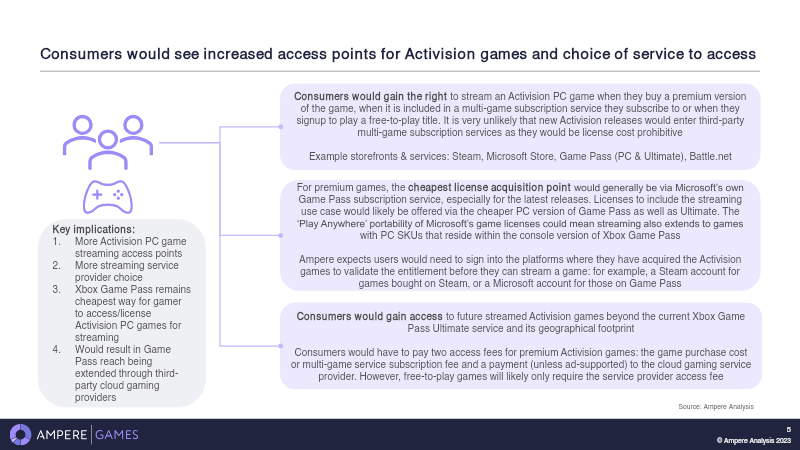
- The mandated 'bring-your-own-game' (BYOG) licensing model allows consumers to stream Activision titles on competing platforms, potentially forcing third-party providers to adopt these games to remain competitive.
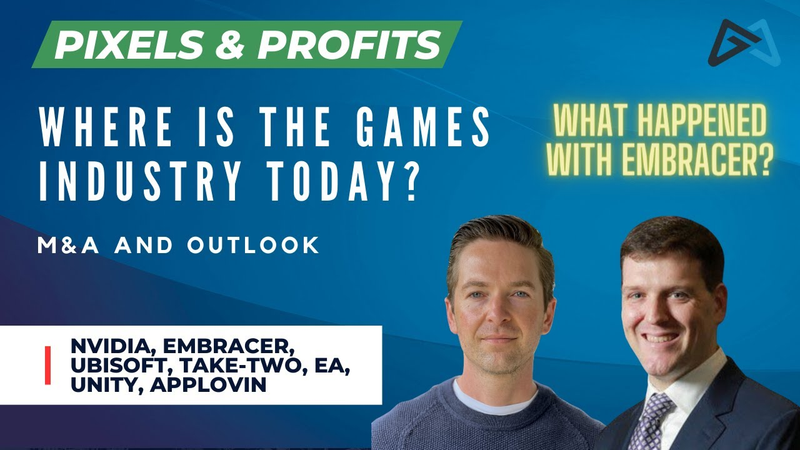
Where is the Game Industry Today? M&A and Public Game Companies | Pixels & Profits #1
The global gaming industry has transitioned from an era of unchecked expansion fueled by low interest rates to a disciplined period defined by operational efficiency, cost-cutting, and a strategic pivot toward live-service models.
- The gaming industry has shifted from an era of unchecked expansion to a disciplined focus on operational efficiency and live-service models due to rising capital costs and difficult user acquisition.
- A competitive bifurcation is occurring where top-tier titles dominate market share, while Western incumbents face increasing pressure from Chinese competitors scaling live-service expertise across console and PC.
- M&A activity has slowed significantly since the 2022 peak, driven by a valuation impasse between private companies holding historical funding valuations and public entities facing tighter capital constraints.
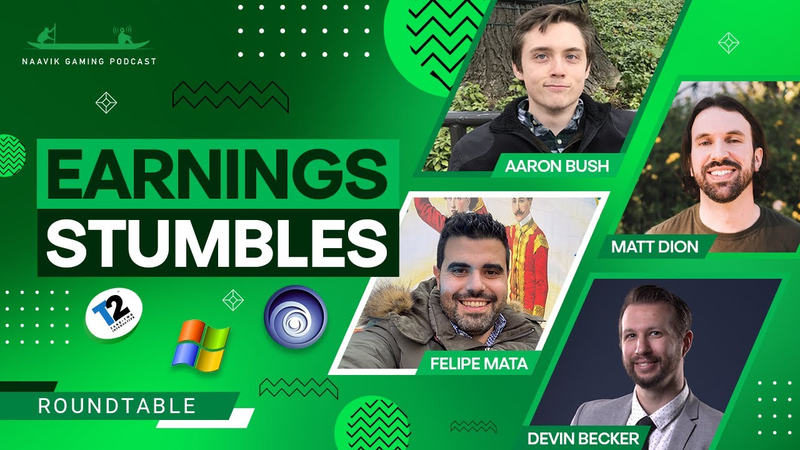
Embracer’s Deal Collapse / Take-Two & Ubisoft Earnings / Mortal Kombat 1
The global gaming industry is currently navigating a period of significant structural realignment, characterized by the failure of aggressive acquisition-led growth strategies and a pivot toward rigorous capital discipline.
- Embracer Group’s failed $2 billion partnership deal and debt-fueled strategy have triggered a 45% decline in its stock price and a 30% reduction in earnings guidance.
- Major publishers are pivoting from aggressive acquisition-led growth to capital discipline, with Take-Two Interactive pruning its development pipeline to prioritize high-impact releases like the next Grand Theft Auto title in fiscal 2025.
- The fighting game genre, led by Mortal Kombat 1, Street Fighter 6, and Tekken 8, is shifting toward live-service monetization models that utilize $70 price points, recurring DLC, and cross-IP collaborations.
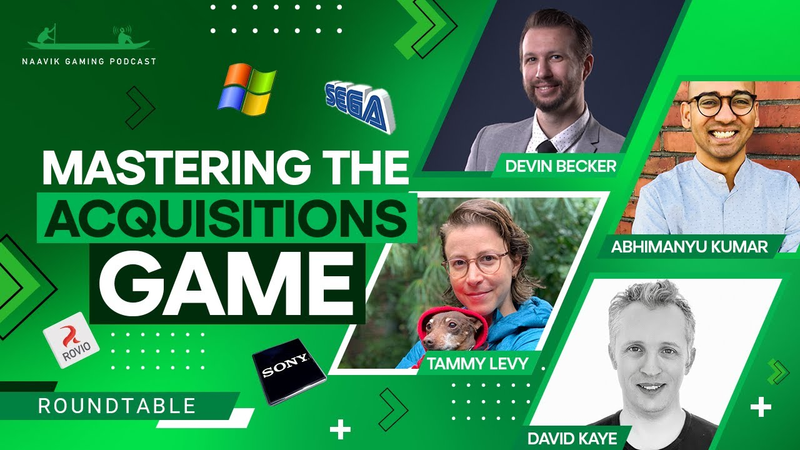
Sega + Rovio Plans / Stillfront + Playtika Earnings Reports / Sony vs Microsoft
Sega’s acquisition of Rovio represents a strategic pivot toward global mobile expansion, prioritizing cultural alignment and intellectual property synergy over the aggressive monetization tactics favored by competitors.
- Sega’s acquisition of Rovio is a strategic pivot to expand its global mobile footprint by leveraging established IP, specifically aiming to bypass the growth limitations of the Japanese mobile market.
- Industry leaders like Playtika and Stillfront have pivoted away from acquisition-led growth models, focusing instead on operational efficiency and organic development to navigate current market constraints.
- Sony maintains dominance in the console market through high switching costs within its digital ecosystem and a robust library of first-party intellectual property.
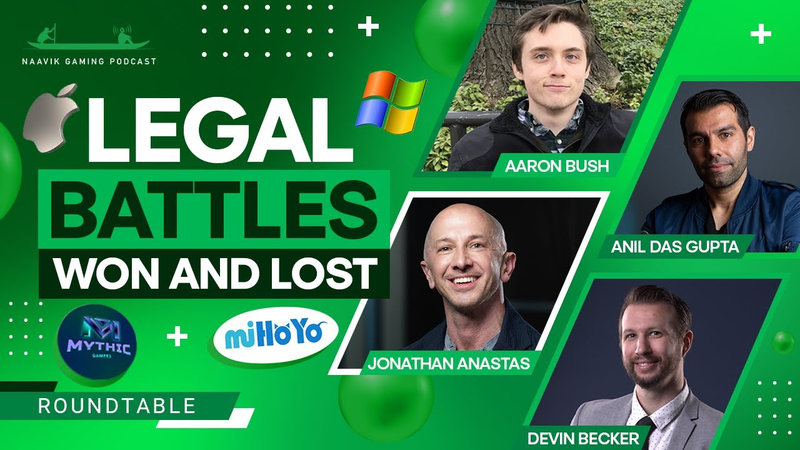
Microsoft Acquires Speedbumps / Apple’s Legal Victory / Ballooning Game Costs
The global gaming industry is currently defined by a tension between aggressive regulatory oversight and the pursuit of massive, high-budget transmedia franchises.
- Regulatory scrutiny, led by the UK’s Competition and Markets Authority, is forcing major platform holders like Microsoft to offer cloud-gaming concessions to secure large-scale acquisitions.
- The ruling against Apple’s anti-steering provisions creates a legal pathway for developers to bypass traditional commission structures, potentially lowering entry barriers for mobile and Web3 gaming.
- Flagship 'quadruple-A' development and marketing budgets have ballooned into the hundreds of millions, requiring long-term live-service support and data-driven CRM to ensure profitability.
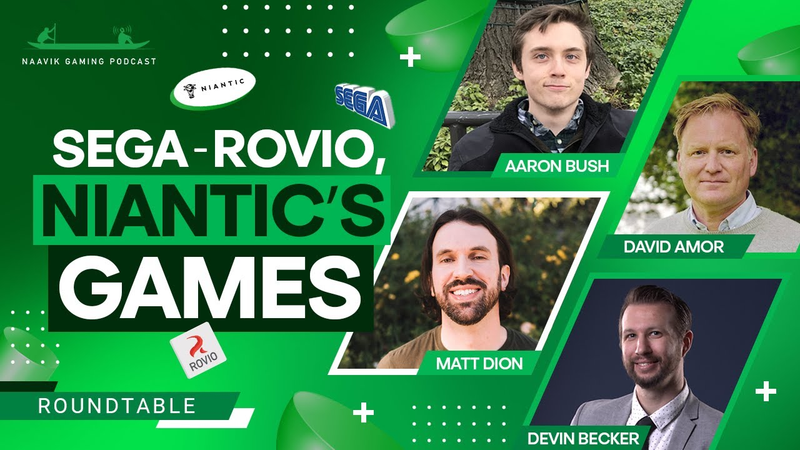
Sega Acquires Rovio for $776M / Niantic’s New Games / New AI Upgrades
The video game industry is currently navigating a period of significant structural transition, marked by cooling hardware sales, shifting monetization models, and the rapid integration of generative artificial intelligence.
- Sega acquired Rovio for $776 million, representing a 63% premium, to strengthen its mobile market presence and revitalize the Angry Birds intellectual property.
- The gaming industry is experiencing a structural transition characterized by cooling hardware sales and a shift toward diversified portfolios to mitigate risk.
- Niantic is pivoting its business model from a mobile-first developer to a software infrastructure provider, focusing on utilizing its location-based AR expertise for 3D mapping technology.
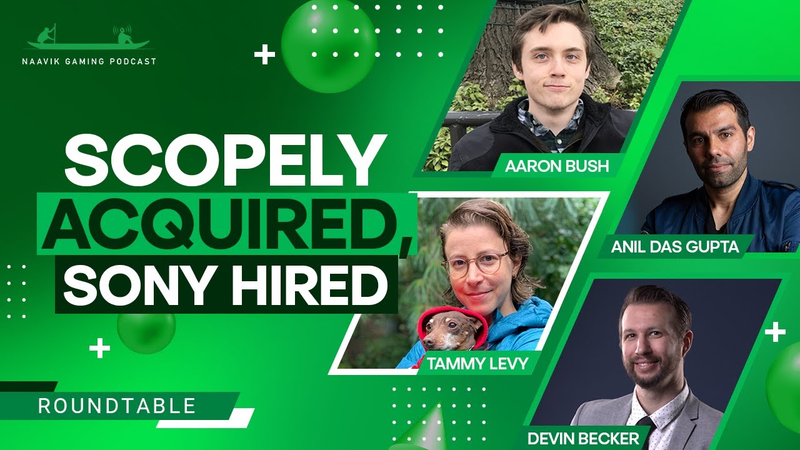
Mario Movie / Dream Games / Phillip La / Scopely acquisition / Sony’s Cloud / AI
The video game industry is currently undergoing a period of significant structural and technological transformation, characterized by the successful expansion of gaming intellectual property into mainstream media and a massive influx of capital into mobile development.
- Savvy Games Group’s $4.9 billion acquisition of Scopely represents its largest investment to date, though it accounts for less than half of the $13 billion the firm has dedicated to publisher acquisitions.
- The Super Mario Bros. Movie set records for the largest animated movie opening and the largest video game adaptation opening, with expectations to exceed $1 billion in total box office revenue.
- Dream Games is leveraging its success with Royal Match to launch a sequel, Royal Kingdom, as part of a strategy to mitigate rising user acquisition costs and market saturation.
Gaming Industry Report: Q1 2023
The gaming industry experienced a resilient start to 2023, with a projected global market size of $201 billion, representing a 9% year-over-year increase.
- The global gaming market is projected to reach $201 billion in 2023, reflecting a 9% year-over-year growth rate.
- Major industry players possess $48 billion in cash reserves, signaling a stable environment for future M&A activity despite regulatory headwinds.
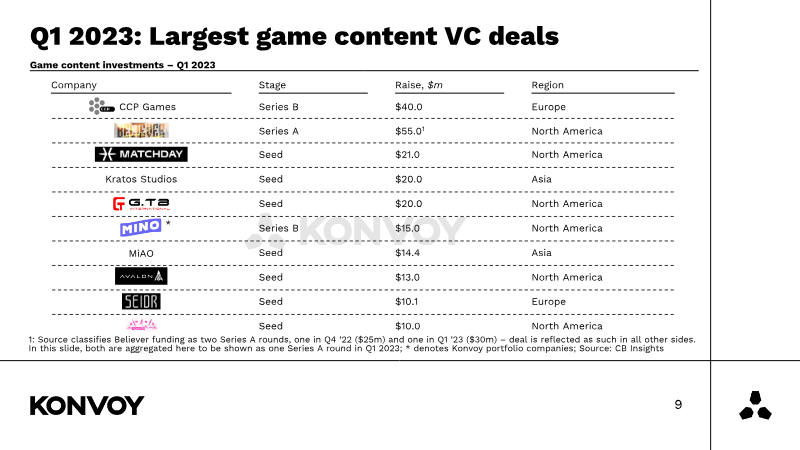
- Venture capital funding totaled $761 million across 109 deals in Q1 2023, with investment heavily concentrated in early-stage ventures rather than late-stage rounds.
GDC Shakeups
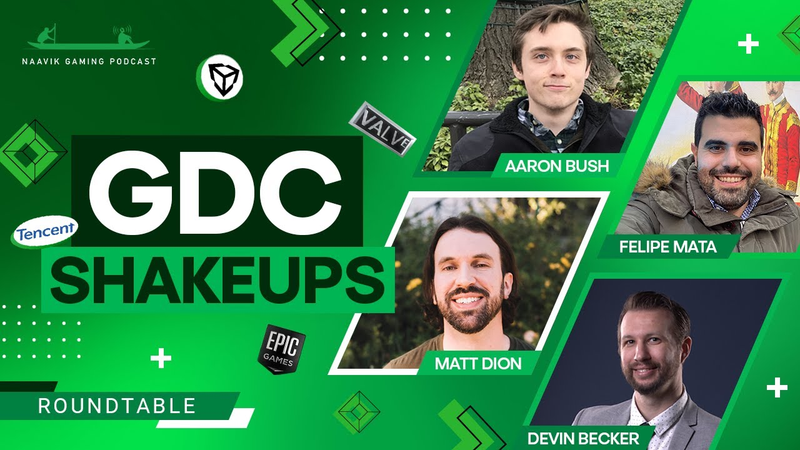
The global gaming industry is currently undergoing a period of intense strategic realignment, characterized by shifting regulatory landscapes, the integration of emerging technologies, and a pivot toward creator-led ecosystems.
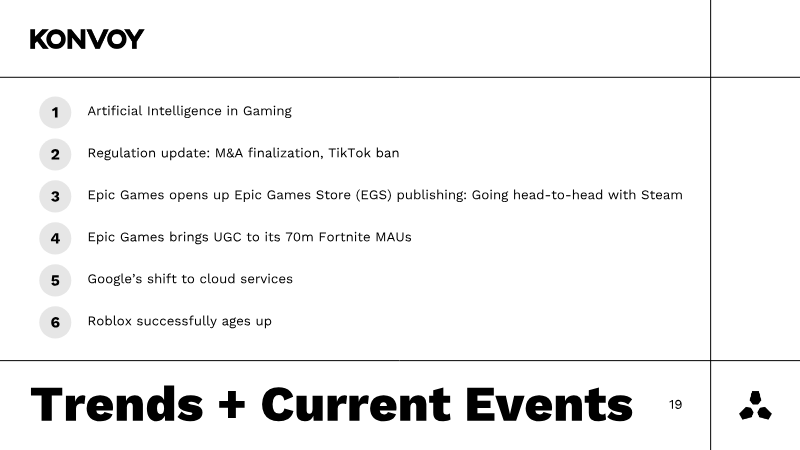
- Epic Games is pivoting Fortnite into a creator-driven metaverse by integrating the Unreal Editor and a revenue-sharing model to directly challenge Roblox's market dominance.
- Tencent is shifting its strategy from external M&A toward internal development of high-fidelity, cross-platform titles to mitigate geopolitical risks and increase its international market share.
- Regulatory scrutiny regarding major industry acquisitions, such as Microsoft’s bid for Activision Blizzard, is easing, suggesting a period of stabilization for market consolidation.