ReportAmpere Analysis
Microsoft’s Activision Acquisition: Implications for the Cloud Gaming Market and Industry
1 Jun 20239 pages~8 min full read
This analysis examines the implications of Microsoft’s $68.7 billion acquisition of Activision Blizzard, specifically focusing on the cloud gaming remedies proposed to global competition authorities. The assessment centers on the ten-year commitment to provide free licenses for streaming Activision PC games to third-party cloud service providers. While the cloud gaming market remains a nascent segment—valued at $446 million in 2022 and representing less than 0.3% of global consumer spending—the acquisition is scrutinized due to Microsoft’s end-to-end control over cloud infrastructure and content.
The findings suggest that the proposed remedies would significantly alter the market by increasing consumer access points and service provider choices. Under a "bring-your-own-game" (BYOG) model, consumers who purchase Activision titles or access them via subscriptions like Xbox Game Pass could stream those games on various competing platforms. This shift is expected to benefit BYOG service providers by enhancing their value propositions, though it may force them into routine adoption of these titles to remain competitive. Conversely, multi-game subscription services face greater complexity, as they would need to manage disparate licensing regimes for Activision content compared to their standard catalogs.
Ultimately, the analysis concludes that while the remedies address certain competition concerns, they simultaneously extend Microsoft’s industry influence. By decoupling game licensing from specific streaming hardware, Microsoft can expand the reach of the Xbox Game Pass ecosystem and the Microsoft Store without further investment in cloud infrastructure. This strategy allows Microsoft to leverage third-party server capacity to grow its subscriber base, positioning Xbox Game Pass as the most cost-effective entry point for Activision content across a global, multi-platform footprint.
Drake Star Partners · 2026
Aream & Co · 2026
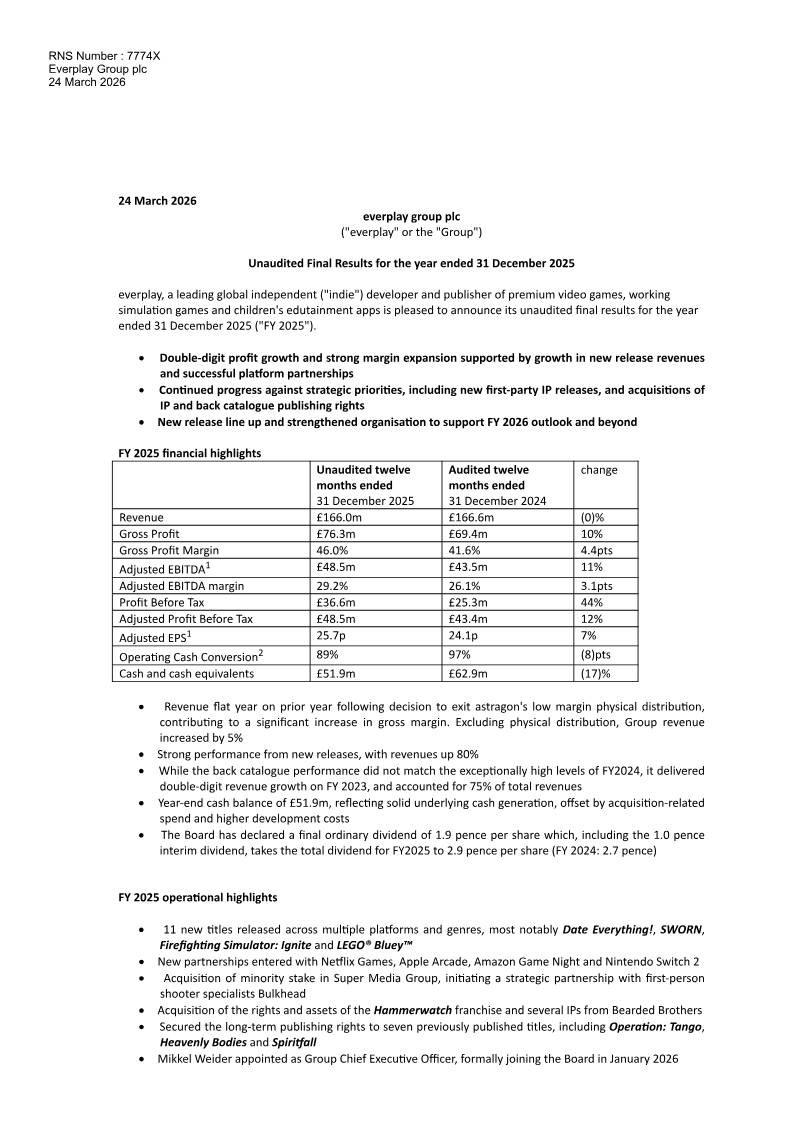
Everplay Group · 2026
Modern Times Group · 2026

Drake Star Partners · 2025
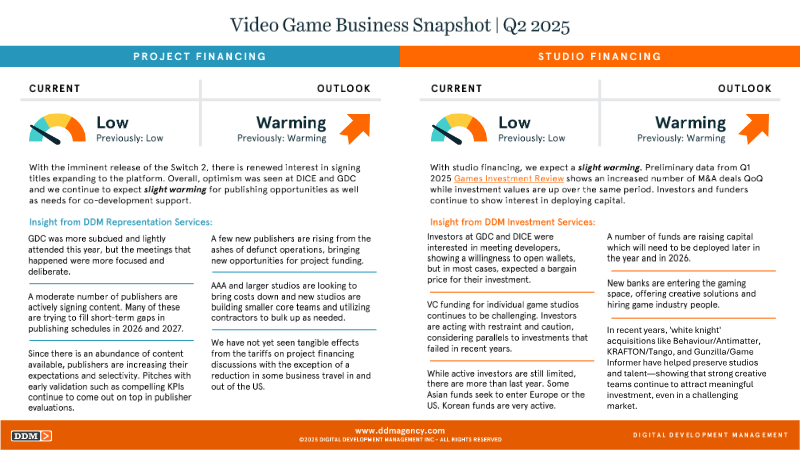
DDM · 2025

Drake Star Partners · 2025

Drake Star Partners · 2025
DDM · 2025

Thunderful · 2025
Digital Development Management · 2025

DDM · 2025