1 free read left. Create a free account for unlimited reading + AI research.
Create free account
Sega + Rovio Plans / Stillfront + Playtika Earnings Reports / Sony vs Microsoft
Key insights
7 takeaways- 01Sega’s acquisition of Rovio is a strategic pivot to expand its global mobile footprint by leveraging established IP, specifically aiming to bypass the growth limitations of the Japanese mobile market.
- 02Gaming companies are increasingly utilizing AI for live-ops optimization, though these efforts are currently viewed as incremental improvements to existing data practices rather than transformative technological shifts.
- 03Industry leaders like Playtika and Stillfront have pivoted away from acquisition-led growth models, focusing instead on operational efficiency and organic development to navigate current market constraints.
- 04The mobile gaming sector faces structural sustainability issues, as high user acquisition costs often force developers to prioritize aggressive monetization over social impact initiatives.
- 05Microsoft’s Game Pass strategy is underperforming due to a lack of high-quality headline titles and internal friction between its PC and console divisions.
- 06Sony maintains dominance in the console market through high switching costs within its digital ecosystem and a robust library of first-party intellectual property.
- 07The potential failure of Microsoft’s acquisition of Activision Blizzard is viewed as a benefit for developer autonomy, highlighting the ongoing industry struggle to maintain creative cohesion within large-scale studio portfolios.
Ask AI about this video
Transcript
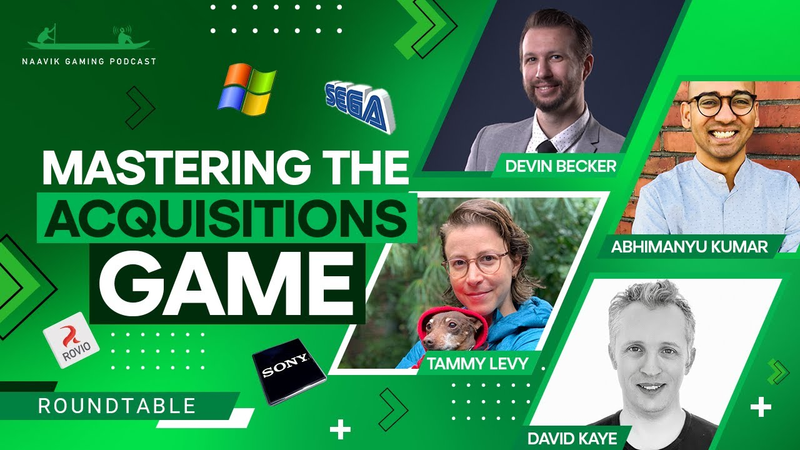
foreign [Music] gaming podcast where it is our mission to explore the business and future of video games we bring together the industry's brightest Builders investors and thinkers to keep a full sun current events dissect emerging Trends and games share Lessons Learned and have a great time this podcast is also part of novik's growing ecosystem which ranges from free and premium research to Consulting and advisory services for more information visit www.navic.com now let's jump into the episode hi everyone welcome to another novik Roundtable I'm your host Devin Becker and with me today of course I have fantastic guests we've got Manuel co-founder of Navigator making his comeback Tammy Levy Chief games officer at Captain TV and David K president of snapshot games and Man U is coming back with a little bit of a surprise yeah what did you have cooking there Manuel
yeah I think I think I guess the cooking is done so uh but yeah last time I was on the podcast uh I mentioned that you know there's a baby on the way so in the meantime uh the baby is now here uh tomorrow she'll actually be turning seven months uh or sorry not seven months two months or eight weeks um and uh yeah her name is uh Emma Emma Scarlett Kumar um there's a long back story about you know why like the two names Emma and Scarlett maybe I can explain that over a beer with with people but um expect an article on it yeah like a full Deep dive yep it's a lore lore of mayonnaise yeah maybe the child Decon but uh but yeah you know it's uh it's been great like everything has basically changed uh since she arrived and um it's my like fourth week after paternity leave but I'm still trying to
find the balance between you know a new balance between work and life but uh but yeah I mean the one one positive thing is you know uh with her around um it's actually so much easier to put a hard stop to work now so otherwise you know someone else to blame it on yeah I just start feeling guilty you know she's she's there and she's smiling and I'm just like not there to like you know see it or uh keep making her smile so you know it's uh it's great it's it's absolutely great feeling awesome well congratulations of course and welcome back yeah thank you we've got uh we got some great topics today of course lots of exciting things always happening especially in the world of earnings uh we got some stuff on Sega and Rovio continuing to to talk about their strategy play Tikka and still front put out their earnings which should be interesting uh Pokemons Pokemon go and then some Revenue debacle maybe going on with that and uh Sony and Microsoft and they're kind of competitive state of things uh so let's
just get kicked off with uh Sagan Rovio and what they've been talking about yeah this is this is like more of a quick update um you know um after the whole deal went through and yeah a lot of I guess most of the industry was also surprised with you know oh Sega actually like went ahead and purchased review um I guess uh you know uh just to kind of like uh kind of recap what what actually happened over there or like why the deal you know makes sense um at least from their perspectives um I mean Sega basically needs like a mobile business you know uh I think um their entire mobile business about like 80 85 percent of their revenues are all coming from Japan so there's a huge opportunity for them to you know make it a more International mobile business and Rovio can kind of bring that to the table so it's pretty clear in terms of you know uh why this deal makes sense for a Sega um Ruby on the other hand you know um I mean they they have like a stable business you know we kind of discussed
it on uh previous podcasts um and I mean sure they lean pretty heavily on this one IP uh Angry Birds but it's a stable business it keeps growing it generates the cash that they need and uh it's there but Rovio wants more than that you know um more and probably even more than just games as a service business and you know leaning more in the direction of you know cross-platform and trans media and and Sega kind of brings those IPS uh to the equation that you know potentially Rovio could leverage um plus like are these other business opportunities you know um like the the you know Sega Sammy as an entity kind of you know with the results and the toy business and you know things like that like a lot of that stuff uh is uh are things that we've also seen kind of Rovio explored in the past and you know those um so they kind of meet at these points um but I guess yeah most importantly like for me it felt more like a like a
real good like culture deal because um it's also pretty clear like uh something interesting that I found was or that relevant for is uh Sega actually started their conversations with Rovio in June of last year which is actually much before platika made the bid so it's it's actually possible like word got out and then and then play Tikka made the bit and I think most of the industry thinks that playtika started the whole uh bidding uh or like the whole conversation about acquisition for Rovio but but yeah the reason I say like it's it's kind of a culture deal is because you know this conversation actually started that early and um and yeah both businesses kind of think about the more think about like building games as a craft uh rather than you know maybe a more political mindset of okay you know the game is a product and then we're just going to like juice the lamp like you know squeeze the lemon uh as much as possible uh for the longest period of time um
but yeah I guess for like my one question with the whole thing was you know um it's pretty clear like you know it's a good deal for Sega as we as I kind of touched on test upon earlier but it's a little cloudy to me whether like it is is it like really a good deal for Rovio at the end of the day because that feels like more on that feels like more dependent on these hopes and you know dreams of okay we're gonna like reutilize sega's IPS and make something you know we're going to grow uh go cross-platform we're going to like you know explore a trans media strategy and then there's the whole question about like you know uh happen having like Japanese uh overlords now basically and there are there are people who are who have said like you know good and bad things about working with you know uh just like you know that culture of working with a Japanese entity so I want to kind of get your guys's take you know more from the Rovio side
like do you do you guys think it's also a good deal for review and like do you have do you have any insight on like how it is to kind of work with you know um Japanese companies and teams and whether that will work for for row View that's that's a that's an interesting question and I think I I could jump in just um my my quick take is of all the potential acquirers for Rovio like there's very like there's a handful of acquirers and as you mentioned a lot of them are very very focused on much more you know Min maxing the the live Ops free to play game versus Rodeo that has taken a lot more of the craft approach not necessarily min max every single way like the unit economics of everything so from that point of view you know if they needed an exit strategy if they were looking for a
acquire it makes sense to have you know a company that a doesn't have quite the most expertise and B um will kind of align on those those development philosophies because they don't have the mobile expertise so they're not coming with you know preconceived notions of what how they should be optimizing their business um but at the same time there is kind of like that interesting piece on how is it going to play out long term if Sega is actually looking at review for Romeo to take the lead on their mobile strategy or are they going to you know struggle with understanding mobile the mobile space in the mobile economics uh and of course there's also another piece to it which is the the cultural piece as you mentioned so I think that
um I hadn't thought about the cultural piece as much because we're seeing like so many you know International basically mergers at this point yeah where it feels like a much more Global uh just way of of operating games than than ever before but I think it is it is also something to to just watch out for and see you know how how do they integrate long term yeah maybe to like Focus my question a bit and I don't know maybe maybe David has like an opinion on this um like I mean like Rubio has you know the Angry Birds IP and you know it and Sega have like you know they can they have all the experience with the with the toy business and the and the resorts and the arcade machines and whatnot and all of that stuff is probably easier for you know Rovio to plug into uh with their IP but when from rovio's angle if one of the key um
if one of the key selling points of uh kind of getting acquired by Sega was sega's IP and like working on that IP to convert it into you know mobile titles or or whatever um like how I just don't know you know like how do like how do the Japanese entities think about like you know or like how how productive are they about you know the sanctity of of their IP like keeping that sanctity uh you know when um yeah other teams are kind of creating uh games uh on top of those IPS so um okay so I guess two questions there one is kind of which is which way is this flowing more right this is more about because it's actually pretty easy to see there's a there's some compatibility I think between you know uh sega's success taking Sonic and moving it into um you know other areas that they've been reasonably successful with that and Rojo actually you know I think the Angry Birds movie from what I recall was not
incredibly well reviewed but I it certainly performed quite well I think um and so you're right it's it's actually pretty easy to see how that could be quite a nice opportunity for take the Angry Birds IP and do all sorts of things with it um yeah I I can't as far as the uh you know what they will be allowing um uh Rovio to do with with Sonic um I traditionally historically I would say Japanese companies are not sort of have not been known for being incredibly um easy to work with from that from from that perspective I will say that you know Sega has I I know a little bit about the relationship between Sega Japan and Sega Europe so you know Sega Europe is a really effectively a publisher uh quite
focused on strategy titles you know so they've took the creative assembly as their big big Studio their Total War and so forth and um there um from what I understand like they are maybe this isn't Apples to Apples because they kind of work they're not really working much with sega's IPS and maybe it's a different question but they've been given quite a long um leash and the reason frankly has been um they have performed yeah they've they've been quite a significant contributor to sega's profit margins actually um so it has you know multiple lines of business but the uh software is by far the most you know has by far the best margins so you know there is a sense to which if they you know they're paying a decent decent price for this business um they're going to I I think I would imagine they're going to give them some latitude because otherwise you know why are you spending the money in the first place but I'm speculating I don't have
any real insight insight and insight here no that that that's good context anyway just um I mean I've just never been exposed to you know that Japanese uh developer ecosystem or just the mindset of kind of working uh with companies there but um yeah I mean that's that's good inside regardless uh I that's pretty much what I've heard also right like um yeah there's uh some level of inflexibility with uh with the with the you know with the IPS and kind of uh letting go of them a little bit when other people are developing games uh on based on those iFix yeah I guess I'm wondering on the reverse side of that too like if a group like if rovio's been just stuck with Angry Birds as their IP for so long and I mean Sega kind of is not stuck with Sonic but obviously has Sonic has like a pretty iconic one um like is Sega then maybe able to help Rovio launch a new IP to be able to expand out a bit because of course Sega has its own audience
um they can maybe help for penetration in Japan which of course is a very mobile first uh like demographic in a lot of ways so I do wonder if that could be a big help for Rovio to be like hey we want to expand outside of Angry Birds finally maybe now we have some leverage and support to do so because is this an opportunity for them to do that rather than just being like let's just both sit on our existing IP yeah no I I that that's kind of like where I was coming from with um you know my point about um one of the reasons why this would also make sense this deal would make sense for Rovio because uh yeah it basically uh gives Rovio access now to sega's IPS right um Sonic being one of them I mean there's Total War there's a Persona you know like there are like quite quite quite a few um so yeah I mean that's definitely an opportunity um it's just now it'll just be a question about you know like how these two entities actually work together because I mean those IPS are also IPS they've reached IP status because you know there has been some sanctity kind
of kept intact uh for you know all the games that have been built on those IPS and um and yeah pretty sure they don't want to lose that and uh and yeah it will be a new equation you know new working relationship with rofio and we'll just I guess we'll just have to see uh how it goes yeah I think we'll definitely be keeping an eye on both of them right yeah as as always but I think it's a it's a good opportunity and I think a Synergy that both teams were happy with from what I heard so I think that overall is positive because we definitely see some more hostile M A's happening and so this is nice to see one where everyone's happy and that may be the play Tika thing is best that that didn't work out yeah so it's good but uh speaking of companies that like to do uh Acquisitions and play Tikka themselves uh we've got some interesting earnings uh reports that came out uh yes and and by interesting I would say boring earnings so yeah we had we had a couple of earnings reports go out last week one was platika the other one
was still front uh both of them pretty boring stable kind of order also especially on the platika side very much in line with the their forecast and guidance for the year uh which you know it's good news that q1 is in line with their um forecast because otherwise it would be like real real trouble uh so I'll go through it fairly quickly just to to give everyone kind of just an update on where these two companies are at in in you know both of them being very much portfolio driven through acquisitions uh I don't think there's a ton to discuss here but um I'll just highlight kind of the key points so on the play Tika side a very stable quarter uh one of their Keynotes in their earnings was was just made me laugh because uh basically the the takeaway for me was like oh liveops work
cool because they saw you know strong results from content packs and promotional features around events like the Super Bowl and Valentine's Day and St Patrick's Day Celebrations I was like cool did you see the AI I know it oh yeah yeah that was the next note I was I was gonna make it's uh that's the other interesting point that they highlighted was uh that for their Bingo Blitz game they've started to use Ai and it's it's funny because they kind of underplayed it it was like a little note in there uh where you know they were calling out that they used AI to help identify new segments of players um kind of potential top players earlier in their journey to you know make sure you retain and convert them early on and they're seeing an uplift off of those efforts um so I thought what was what was very interesting out of that is you know are we going to start seeing more and more
AI callouts in these earnings reports and how do that how how do those influence I have I have an opinion on this yes the rest is boring the answer is can I swear on this podcast I forget yes you can all right well the other s yeah succession anyone else watching succession at the moment no oh all right well I'm we're gonna have some listeners who are so apologies to to my fellow hosts but um this is a very much like uh this is a very much a living plus moment um this is they're going to start hearing a lot of mentions of this in um in earnings calls this is this is definitely like how it happened with blockchain you know like a year back right so yeah big shoes big shoes you got to pay lip service to whatever the buzzword is
Right otherwise no one pays attention to your earnings calls but honestly manly yeah and and honestly go for a menu site no I just want to say like but honestly like I feel like the mood around AI is just so much more productive versus like you know the mood around the website stuff who's pushing back oh no it's bad for the environment or whatever other excuse right yeah so I mean we haven't playedika said you know like okay they are using AI but you know then they kind of also attached it to like the like the personalization aspect of it uh that was still interesting you know and like that does feel like something tangible like you know like other teams could potentially replicate but um yeah also like politika does have the resources to invest in that versus other teams I know everyone has to say they're doing it though although it'll look like they're slacking yeah especially the public companies but anyways yeah yeah yeah no that that's what I was gonna say it just feels like much more tangible and it feels much more impactful and you
know you can even with that small amount that they made around AI to help identify players like that is something that you know a lot of companies have been doing with data and it really is just the evolution of how we use data for live Ops from you know just collecting data to reacting to that data there's been a lot of like machine learning um prototypes and platforms that have tried to precisely do this like identify players and segment segment them earlier and earlier so none of this is new and I think that's probably why it was kind of underplayed a little bit and they you know before would have been like our optimization processes and now it was like they put like the AI label on it um but it'll be interesting to see you know for additional optimizations and for you know teams trying to leverage AI in different ways and not necessarily just like you know player Journeys Etc and like basically like machine learning
evolution of what we've already been doing but you know when you're starting to talk about you know seeing lines maybe of like hey cause reduction uh you know we we improved our operational costs because we've been able to automate x y and C through AI that means you know we need we can have a smaller team doing live Ops for this this game I think that's where you know it's going to start being less of a a small note and a lot more of you know the the bigger news on AI because you know um I mean it was only attached to Bingo Blitz and I said I think they said like uh it was something like a 2.5 3 increase in Revenue uh attributed to that um I kind of hope like all of it is like because of the personalization uh you know efforts because um I mean personalization as a topic in
in game development has also kind of been around forever right but it's it never has taken you know it's like major route in in operations for anybody and I hope like that three percent kind of you know moves to like even a 30 percent you know over the course of the next couple of years um yeah because yeah I mean that that would make it like really more than a footnote um you know uh in in their reports and and yeah I I would personally just love to see like you know personalization systems kind of um you know just grow more of a foothold uh in the industry especially also in this post idfa context when you basically are Flying Blind on the acquisition side of things but once they're in then you can you know personalize and you know kind of move that three percent to a 30 hopefully but yeah just as a
follow-up question on the on the earnings then uh I wanted to find out if you think uh plytique is suspending doing new games was like a The Right Move given what their earnings look like now uh I think I mean I think it is the right short-term move like my my take is it's sort of ride short to remove because they're uh stabilizing the company's stabilizing the revenue being able to stabilize their costs at the same time the question is what comes next right like they're they're going to want to see growth they're going to need to show growth so where is that growth going to come from are they not confident that their existing teams can deliver on new games uh then are they just kind of going to double down on the on the acquisition strategy that has worked out for you know for them and for a lot of other uh of these companies that have become
aggregators of of a lot of game studios so I think it's short term the answer is probably yes but we'll see how it depends out if they can't secure additional growth via new games not right now additional Acquisitions and like who's what are the companies that you know would be open for uh being acquired by platika and that playtika can actually you know secure I I don't think like Rovio gay play pick a good look anymore now so you know I I really don't know like what's gonna happen but um but yeah I mean that was that was kind of my question too like you know where does playtika really go from here because sure like you know it's all like I mean yeah maybe they're like building a you know building stability right now in in this post uh idfa climate but I mean it's also like maybe a little bit too stable and you know it's uh it's not really going
anywhere um and yeah it at least for me it just comes out of new games so yeah yeah and then on the acquisition side I mean you you kind of mentioned it it's a little joke of like review didn't give them a good look but honestly like part of it is they are they have been really good operators in terms of you know reducing constant being very aggressive about canceling projects closing unprofitable Studios or Studios that you know moving operations to places where they could be more profitable and but they're like ruthless operators in that way so as a as a team and as a as a game Studio that might be approached by platika if you're not amiable to that you're gonna you're not gonna even open the the conversation with them because you know what's you know what it looks like to be acquired by playtika yeah yeah definitely like half joking because there are there are enough number of teams also out there who like the way platic operates and you know it would be a great fit
um yeah it's not maybe not about always about the craft for all game developers I mean you make it sound like if uh if you're just having trouble firing people just get acquired by playtika and they'll do it for you we need to cut costs but we're talking about let's just have play Tikka bring in the ax guys uh yeah and and speaking of Acquisitions and aggregators so we can jump into the next one uh for the earnings reports see I'm learning I'm learning on the transitions here from Devin uh so yeah the the other one that came out was still front uh similarly nothing controversial or unexpected takeaways you know no new acquisitions no new game launches they continue to have a huge portfolio of games uh Global games I think it's north of 70 at this point even with the ones that they've shut down um in the past few quarters
their revenue is has been steady uh again uh I it's good to see that q1 it's like in line with our expectations because otherwise things would be uh rough overall um strongest part of their business right now is their 4X strategy games and not on mobile um so their line of the supremacy games uh Empire from from the good game Studio they did see and this was kind of like the one interesting note also that that I took away from it uh users decline in their casual uh bucket of games um so they bucket their games in three groups uh strategy simulation and action simulation action and RPG and then uh cash flow and mashup for their casual um bucket that's where they saw Dau and Mau
decline uh and I kind of looked into it a little bit and was reading up a little bit on what what drove that um and basically the the news is actually from Q4 uh of last year and they're just seeing the effects right now in q1 where uh one of their offices uh in Bangladesh their Bangladesh office uh the studio was called Ulta games which was part of moon frog which makes uh poker in rummy and um I forget they have another uh like multi-game game uh so this studio okay games publish the adaptations of uh the poker and rummy game in Bangladesh um kind of a localized version and uh Bangladesh came in with very restrictive measures and very targeted uh towards
still front where they expanded their definition of online illegal online gambling to just virtual chips uh so they basically came after you know came after them um steel from decided to close down operations just to you know not have to deal with these like very tight and in straight regulations that were you know really being targeted you know Acres of War but you know they got targeted here as well um so shutting down those operations in the game did not have material impact on their revenue it was more of like a Dau and make you basis uh where they saw kind of that impact them so that I thought that was uh kind of an interesting just effect of you know decision to close the the the studio at the end of last year they're seeing kind of that effect on their user base their Global user base you know going into
this year um I guess outside of that yeah it's it's steady as it goes uh I found it very interesting there how they're grouping their games but that's just me I was like man your casual simulation mashup sounds like you're just like putting games together so that you can say like these buckets are all like relatively stable and like they cancel each other out when they're like up and down versus like an actual like like something that makes sense yeah yeah that was like it's just I was like how is uh a Hollywood star big farm mobile Harvest and I think like another more mid-core game all fall into like simulation action RPG and then uh the Property Brothers trivia poker rummy Etc full under casual mashup and uh how
are they not in different groupings but I mean it's all about like that public like what what narrative is gonna like you know uh keep the public markets happy but um yeah and it sounded very much like a like I was like oh yeah they're they're want to say like they're aggregating games in in a way that makes each Bucket look you know relatively stable uh but yeah I don't know if you guys uh have any other thoughts around uh steel front to the still friend in general and like their current strategy it sounds like you know they're they're steady as it goes in terms of their strategy and um you know their performance right now actually the thing that surprised me the most is um they're not like for maybe like for the past couple of quarters or yeah maybe past couple of quarters um they aren't executing on their on the on their fundamental strategy or the strategy that they actually started with which is you know uh kind of being this roll-up entity uh acquire like this you
know bunch of Studios um and then um and then like figure out like organic growth uh from that but don't but not stop with the Acquisitions I think that like they used to be on a rate of like one acquisition a quarter and those used to be entire Studios then it went to um just acquiring individual games and then the pace also uh like you know reduced it was no more once a quarter and I don't think they have done an acquisition for like the past couple of quarters so like their foundational strategy is you know basically in question and you know they had this um they do this Capital markets day where they kind of go they go pretty deep into you know basically being like super reflective on the company and trying to be as transparent as possible to uh you know the public markets about operations and how they're thinking about portfolios and things like that and they had this one slide where they were basically saying that you know a still fund is
kind of in its fourth phase uh of um you know of um of its life uh so the first phase was the entrepreneurial phase which is where they kind of like set the foundation and like these four companies came together to form still front uh then it was the structure phase which is where they kind of did their you know initial set of Acquisitions to be that Foundation then it was the scale phase which is when that like acquisition resulting in like you know inorganic growth flywheel was kind of spinning and you know they kind of got their skill and now it's entering the Synergy phase um which is probably the most questionable phase right because now you just have like you know you have like all these videos um and they have like the still Ops platform which is kind of the you know the the meeting place for all these Studios and like it has all it's basically like playtika's boost platform in a way maybe even more expanded from that and and yeah and so they stopped acquisition so
there's no inorganic growth happening and now they're in the Synergy phase which means there is like a lot of pressure for just organic growth uh at still front and the story is kind of similar to platika where you know it's essentially going to be about okay so now you have all these Studios where the new games you know and is it going to be like you know uh sequels to their already existing IPS are they going are these teams going to build new IPS and you know and then you know and then how will they like perform live Ops on their existing portfolio itself and like on that point one last note but I I feel like that dropping the au's problem is actually a portfolio-wide issue um like I mean maybe the Bangladesh have actually contributed to it a bit but their entire portfolio is also like pretty old right and um and yeah it's just like a portfolio-wide issue which is why then you see like the updos also kind of skyrocketing um in in their in their earnings report
so so yeah live Ops you know they they have kind of need to focus on that and then new games is like again the huge question can still friend cannot deliver on new gaming experiences right yeah I have certain opinions about aggravator period companies uh and being able to show organic growth uh I think it's it's incredibly hard and it's a strategy that's almost set out to fail uh because they're first of all they're probably companies second they have in the market in the open market they have shown these very like step function growth kind of faces right especially if you're a good uh you know you're you're doing smart Acquisitions you're going after profitable companies as well so you're kind of like just aggregating revenue and profit and seeing like these
like this accelerated growth every time you do an acquisition um and you're not physicianed to wait for the part that is hard about making games which is making good games and that takes time and that takes failure and that takes investment and these aggregators are not staffed at the leadership level to be able to stomach that um so I think it's I I'm not sure how it's going to go down for for any of these companies but um I'm I'm very skeptical that that's going to be a good long-term strategy for any of these uh aggregators and and massive acquirers that now have like this collection of Aging games as you said my new
um and the other piece is the the centralization of tools it's also very very hard I'm also very skeptical about like the whole synergistic a piece of it of like hey let's make this analytics platform or this the platform that just like helps hold our portfolio companies why because you're acquiring live games that already have their tools and operations dialed in in most like most of the times so for the teams that you're asking to deliver in Revenue deliver a profit asking them to integrate something new it's more constant costly than it's worth so yeah I think that those the I'm very very skeptical of the future in terms of growth in in I mean we kind of saw that like an example of that is you know when uh political uh acquired reworks um and they got the redecord game so we Decor basically then had to like plug into Play Because boost platform right at that point but
I mean I I can't see for sure like okay plugging Into the Blue uh plugging into the Boost uh platform is the reason that you know read a card has been seeing declining revenues ever since that acquisition happened but it I like I think it would also you know be a little bit foolish to assume that it's not part of the reason so you know it's uh it's probably a little yeah it's probably some part of it so I don't know uh David like um can you can you even speak to this at all like with snapshot and everything but uh I can speak in general terms yeah um uh I'm so Stanford was acquired by embracer so that's that's I suppose what's going what's behind the question it's a lot of good points I think it's worth differentiating between trying to
the sort of operational integration that she's describing which I agree is very difficult like oh take this live game live game and instead of using these tools that you've built over a period of years you know interact with this um it's more of an open question if you look at a company like embracer which is acquiring quite a diverse set of assets across you know a number of different areas so in the case of embracer that's you know PC console mobile it's tabletop games um it's actual IP like this look like Lord of the Rings Comics exactly and you know we've just been talking about the Rovio and you know the opportunities for you know Rovio and Sega um I think it's a little easier to see areas where you can leverage IP and from one context in another certainly not that it you know remains to be seen exactly how successful companies like embracer will be
um but yeah there is certainly a lot of focus on it at the executive level at these companies so uh I I would say that I'm a little bit more optimistic that kind of more Loosely coupled collaboration uh operational integration than the very specific very targeted kind that I agree is a bit like trying to kind of change out a plane's engine during you know flight or something which is just really tough I guess I wonder what what do you do if you're a company like still friend or embracer that has a one of the companies you've Acquired and you're trying to shift them over to your tools or your process um or whatever you know make them more part of the Synergy and they just don't happen to fit like culture wise or like Personnel does want to cooperate or it just doesn't match up like do you do you just dismantle them do you just be like well do it anyways no I mean the the answer is you can't this it sort of has to be bottom up as much as possible so you
know in the again without speaking too much the specifics there is a very clear sort of the leadership at all the different you know across the different Studios across the different entities all has an under have an understanding and a kind of a remit to hey let's where it makes sense uh let's look for opportunities to work together right um but you can't impose this in a top-down way I don't think uh or at least you if you if you try I think you're likely to you're likely to fail yeah and like again like from history that's so true like I think Zynga kind of faced that quite a bit like with their you know Central Central PM function Central Intelligence platforms Etc and if it was like kind of forced on the towards of their act uh you know their quiet entities sometimes it worked out sometimes it didn't and the CM also happened with EA right then
um so yeah I totally agree with David's point the bird you know as bottoms up as possible and just kind of more approach it with a flexible mindset versus you know this is the still Ops platform you are part of still friend now you have to plug in you know figure it out so yeah well in a in terms of growth we actually have a a company that did manage to raise some funding uh recently a company called trees please uh raised a little bit yeah um this uh so it's not like the largest funding round so uh they raised like 8 million but uh the reason I want to talk about this company is because it's part of the yeah maybe small but uh interesting green gaming uh that's how I call it I don't know if that's like the that's the that's the official industry term but this green gaming movement where you know uh trees please uh is a UK based game developer that is essentially building games that can actually have
that can actually like help reverse climate change so there's you know some actual positive tangible impact to the world um apart from you know um generating maximum dopamine rushes uh for four people but there's actual like positive impact um and and yeah like I said they didn't like raise the largest round but I wanted to kind of bring it up because um it's also like one of even though like there have been like a lot of these green gaming companies with all all kinds of you know value propositions out there this is probably one of the companies that should also receive maybe the most significant funding around yet um and you know they have they have like a you know a typical merge game um but you know then it the narrative is like super educative about you know uh climate change and like various topics around it uh the business model is basically there's a percentage of iip profits that are kind of going to you know their tree planting partner
um I forget the name of that partner but um but yeah people have to like you know they do the merge game they merge the things they get like these three tokens and then once you um either through like pure engagement you collect enough of three tokens to uh let trees please know that okay you know go plant a tree or you make an IEP purchase and there's a percentage of that profit kind of going as a donation directly to you know the the three tree planting partner and freezer planter um they've they've been active or I think the company was founded in 2019 and um I think the game has been like in soft launch for a little bit over a year but until now they have planted half a million trees already which is like significant um and that's happened um that's happened with like a donation uh amount between like 10 to 50K so according to according to the data that
AI you know they've made about like 200 300K in in uh in in net revenue and uh it yeah it would basically calculate to about five to ten percent of the profits are going to this you know um this tree planting partner um the numbers are looking good so they but they they're they're nowhere close to like a merge Mansion or you know like a ever merge in terms of rpds uh it's it's still pretty far and they probably have like some you know medium to long-term retention problems but um but yeah it's still it's still like good enough numbers for it to scale so there's like a large portion of the eight million is probably just you know marketing uh Firepower uh over here but all those good points aside you know um you know they've planted like half a million trees they've found a business they found a game that actually has some numbers that you know you can push UA money uh into it and they're giving uh
yeah a larger than normal percentage of their profits you know to this thing all these good points aside um I guess I guess my question uh question to you guys is we have like we have also seen this model in the past but not really like this you know when I was working back at Zynga they also used to do like like live like they used to do some events that were uh charity focused and 100 of Revenue attributed to this event so directly go to the charity right um and but then here you have um uh a game and a company where the purchase motivation for the IAP is directly connected to you know this real world impact that you can have and somehow I feel like maybe like like which model is better because I feel like with the trees please model just to play Devil's Advocate a little bit but with this cheese please model
somehow I feel there could be like a potential identity issue uh for the game because like you have a game that's all about like creating real world impact but to like to really hit the metrics of a merge Mansion or you know an Ever merge like you need to be like pretty hardcore about like you're free to play mechanics right and where do you kind of keep that balance um and I mean maybe like the I mean still half a million trees is not a small number right and like different people have or different entrepreneurs just have like different thresholds for what they would consider as the as like good impact for their efforts but um but yeah like which do you guys agree with this like yeah I think you're putting your fit I think I think you're putting your finger on something um my suspicion is if you if you sort of want to view this through a purely utilitarian lens like what is the what
you what ultimately matters is the biggest in the biggest impact biggest positive impact possible I'm gonna start sounding like sandbankment free like effective uh effective altruist here but um I agree with you the the most if you're if you're asking okay this I've seen this approach this is not the first time I've seen this and I've yet to see it work in at any scale in fact actually I had a studio years ago that was actually acquired by a company that was doing this yeah interesting that certainly didn't work anyway um I think that you're absolutely right you have to be pretty especially immobile you have to be pretty ruthless and there is some kind of Kernel of of conflict there and if you were to look at what's going to have a bigger impact trying to kind of build a company around this or just a game that is already at scale doing an event where all the revenue
goes to a charitable partner I suspect that that's going to actually have the bigger impact ultimately and it feels a little bit like you're trying to have your cake and eat it right it's like oh we actually would like to make a ton of money uh and be a successful company and also but also feel really good about it and I I kind of feel like pick a lane and just operate as effectively as you can within that lane um yeah that's my that's my feeling I don't know how you feel about it dummy like do you kind of agree with that identity issue uh uh do you think that there's something to be said about the identity issue I think that where my mind went at in terms of hey piggling and just stick with it it's more around the economics like the the very harsh economics around mobile games right now because you do have uh you know your 30
caught from the platforms so that will cause your your Revenue substantially then you're doing user acquisition on top of that then on top of that you're doing you know the the donation to the cause that you're supporting so that like really really eats into your margins very very quickly so it makes it incredibly challenging to build a profitable and socially responsible mobile game right I think from like a business perspective a little bit more um zoomed out out of just games I think that there's you know there is a proven track record at least for example in retail and clothing that is incredibly hard as well where they are trying like there's a few companies that are trying to do something similar like just like down for the planet with like like yeah like and some have failed and some have succeeded like Patagonian like caught a paxi and there's like Pantry that they also plant trees right so there's
there's a proven model there but the I feel like the the mobile market as it stands just makes it incredibly incredibly hard to be able to think about both at the same time as David said it just profit like profitable game or good for the planet game I think it's going to be very hard to achieve both now [Music] again I think it also comes down to the margin profile right because um outside of the games business I mean there's like I mentioned like Tom shoes where basically their value proposition is you buy a pair of Tom shoes and for every pair you buy uh there is you know one one child in the world who doesn't have shoes who will also get a pair of shoes and the price of the shoe bakes in the cost for you know producing that other pair but um and that's like a completely different margin profile and therefore
it's also a model that you know maybe works out there but um I feel like maybe there's like some inspiration taken from those models which is kind of being trying to apply trying to be applied to the trees please set up but yeah I mean there's a 30 cut they're like user acquisition costs and then on top of that you want to give away to like 10 you know to Charities and stuff um and finally like you can't also get like super hardcore with your free to play mechanics because then the game doesn't feel right you know so I think like that is a very uh like a key point about this type of model um you know it's not a one-to-one but what we're doing at uh my current company Captain TV we are kind of have a free-to-play model where we do a rep share with content creators with streamers uh and it's pretty high rep shared um the the difference is we
are not on mobile so we're not we don't have kind of that cut and we don't have like crazy acquisition costs either but the the piece that really stood out to me right now with what you said Manu is we see that our players are very very excited to support the content creators so in this case I think that you can find a spot where you could see players be very very excited and willing to support the cause that the game is supporting Envy you know be it an excellent way of monetizing and and you know reaching like really good monetization levels uh but what we see because of that is that players are very allergic to that traditional pinch of free to play games so they're like extremely happy with you know Cosmetics support like spending on cosmetics and kind of that you know just
let me play uh support the cause uh buy Cosmetics don't pinch me yeah and that I think like that's where there's a potential conflict well I guess we'll have to watch and see how they do right keep an eye on the revenue and stuff like that so yeah but uh at least you know it's for a good cause even if it doesn't last long yeah but speaking of a potential conflicts here we've got uh Sony versus Microsoft uh the battle for the ages continues uh here especially on Sony side yeah so um Sony just reported uh their financial results for uh Q3 of fiscal 2022 and uh the headline is their performance has been extremely strong I think they're gaming segments or a 53 year-on-year increase um and that really was driven by both uh higher hardware sales and which I think
is really because Supply constraints have been easing and then also sells a first party software um notably God of War Ragnarok which is now at 16 million copies I believe um PlayStation Plus is uh relatively stable at about 47 million subscribers um so they're doing incredibly well um and this I think is contrasted by some of the quite public struggles that Microsoft has had recently uh the most most notable being the uh the underwhelming launch of redfall which obviously was a first party title from uh one of bethesda's internal Studios Arcane um and then I you know also there was a Phil Spencer has been out on the interview circuit kind of talking about some of the some of the the challenges that they that they've had recently thought it would be sort of interesting to zoom out a little bit and just talk
about the Dynamics of this from a kind of strategic perspective um I'll give you my my kind of headline analysis of it and um that we can kind of dig into what what what the execution has looked like so I think you could say and I'm going to use some some of the um some of the terminology here I'm going to talk about powers and that's just reference to um there's a a book by Hamilton Helmer called seven powers that I I think is a really fantastic book on strategy so if I start I start talking about Powers that's that's what I'm kind of referring to if you going into this generation um you could see the the heart of Sony's strategic strength has come from kind of several several Powers um probably the principle among which are owned IP and Studios so um in the case of uh you know in case I've owned IP you're talking about obviously titles
like uh like the gear of War franchise against God of War God of War gods of War God of War franchise and then you obviously have other things like uh like Spider-Man last of us and so on and these Studios that have quite you know have established some some pretty amazing pedigrees you know Naughty Dog Insomniac um Sony Santa Monica so they have these real sort of cornered resources and really strong brands in this owned IP and you know one thing that Phil Spencer has also talked a lot about um is the in sort of fumbling the Xbox one generation what that's created is uh which was really the pivotal you know the the PS4 Xbox One generation was the the pivotal one arguably in the in the migration from uh physical media to to digital libraries and what that has done is created some significant switching costs for the the the people who own One console or another um and you know that was they were they
were that was compounded by the the differences in the hardware and store base right so they have some real Sony has some real scale advantages in terms of just the the number of installed uh yeah their their market share currently in terms of Hardware uh is I think 45 relative to about 27 for Microsoft so quite quite a significant difference and I think like if you sort of think about that being the landscape moving into this generation I think it's sort of you start to understand why Game Pass was such an important move it was so I would think of the way I would think about Game Pass is sort of a move a counter positioning move to nullify the the switching cost advantage that Sony had right so in other words okay we're gonna make this Library this big library of content that you have less relevant by giving you uh for a really arguably unbeatable price this incredible library that um is just there on your console
um and I think that was a really you know a really really smart sort of strategic move on Microsoft's part um and clearly their intent was to support that that move with you know this is a very aggressive acquisition uh a strategy they've had so you know Bethesda being the one of the biggest ones and then of course their attempt to buy uh Activision Blizzard um and that you know that's really an attempt to sort of level the pay the playing field on this sort of cornered resource this owned IP and and Studio advantage that that Sony has historically had um and I I so I think what's what what seems to me to be going on is it's failing in the execution right um we've yet to see so in terms of owned IP yeah the big one uh the the big sort of internal first party one of course was Halo there have been a lot of challenges with Halo and at 343 a lot of
Departures and I think Halo infinite was a pretty big disappointment to to to a lot of people and at the same time these these acquired Studios um are yet to show a really really strong uh a strong title that's on the level of uh something like uh like a god of war so um I suppose that's what I would be Keen to get your your take on how does this analysis you know resonate with you and then I guess the more interesting question what are the moves that Microsoft could potentially take from here to uh sort of shift the playing field somewhat I I could go forth um I mean I pretty much like agree with your analysis and you know what you uh when we were kind of discussing this uh on our slack Channel and you mentioned that like you know the smartest business model does not matter if the games don't exist
behind it and I think that is that is so so true so I mean like great like you know it was a great strategic move to you know uh kick off Game Pass and I mean no no doubt about it it's a very smart business model move but I mean players are going to go where the great games are and you need to have the great games first right like that is the core thing to solve for and honestly like based on like what you said right now about like these acquire Studios not kind of you know creating like new games and such or like that where is that next big new game uh so many parallels to our conversations about you know right now but still front and play Tikka and things you know it's it's kind of like the same same issue uh over there too um but yeah I mean but it also kind of what it also kind of reminds me of is some of some of the discussion around Netflix's challenges which was they they um you know they they sort of at some point became a volume player um and
arguably one of the things they've been less successful at is creating this sort of HBO uh those sort of Flagship style shows that I mean they've obviously had some in you know in Squid game and things like things of that nature but I think with these subscription Services volume is is great but you need that headline you need the stuff that is the actual reason that people are gonna come and stay subscribed and I think just the execution has been has been lacking yeah I was going to say that you're touching a good point dude on on the subscription models um I was I was actually diving into the Netflix and just like subscription like TV subscription and streaming services in general like how the categorize their catalog and I think it can very much be applied similarly to um game like games that are trying to go after subscriptions and and it's exactly what you were saying is that you need
the headliners like they have their tier like you know top tier content that is going to acquire them users why because it's being talked about et cetera et cetera and then from there you have they have their kind of filler content that it's quality content that you that they have there for you know for you to jump right after you finish that show that you just kind of came in to watch there has to be like relevant and some are really kind of like a good overlap of interest of like second tier like filler content and then they have like the back catalog um which in in the gaming space I would say you have like your Triple A's you have kind of like all these like smaller indie games that are like very quick to play through Etc and then your back catalog is all these ports uh which you see you know Microsoft is doing a bunch of ports uh over right now like you look at their roadmap of like new games for like 2023
and I think like out of 10 that they announced like half of them are remasters or or ports so it's not really new games um and I think yeah yeah there's like this big question mark about what are those Headliners that are actually going to be gross growth drivers I mean the other thing that's interesting here is if you the the thing we haven't mentioned yet um is the PC platform uh which is it's it's slightly ironic that if you look at the history of Microsoft they have been um they were extremely successful at leveraging their ownership of the operating system to gain strategic uh Advantage um in the market broadly right they did this in browsers they did this and uh with with office we're able to to take this this this this ubiquitous platform and and really really push it Ironically
in games you could argue that the the company that's benefited most from from that has been most successful in establishing kind of network effects and and scale on on PC is actually is actually valve um and uh it's it's it's also I I think notable that the regulatory environment is is is is less much less hospiceable today to the kind of and you know this is even Microsoft Office they're obviously very high profile Justice you know justice department lawsuits and stuff around anti-competitive practices in the 90s but you know I think it's it's slightly ironic it's worth asking the question I suppose the more interesting thing is uh worth asking the question obviously Microsoft is a bigger business than Sony or Nintendo right they're a massive massive company they've got huge businesses in in Cloud they've got you know obviously now they're becoming a big player in AI through their their stake you know in in open AI um I think it's worth it's so ironic that they that their ownership of the PC
platform the other reason to note this by the way is that um Liz Activision Blizzard also reported results recently and they reported that they are currently making more money on PC than they are on Console which arguably makes the this this acquisition going through even more valuable to to uh to Microsoft but I suppose my question is what's the role of PC and all of this and then are there other other levers that Microsoft can pull to shore up their their position here um yeah I guess you also shared this article on the slack Channel where um it was like a Forbes piece written by somebody and you know I think one of his key points was uh uh there's a ceiling to this subscriber base they both yes they've been stagnant for quite Sony's been stagnant about 45 million subscribers for a couple of years now the last time we had reports of on
Microsoft on Game Pass was January 2022. yeah and I wonder if that I wonder if PC and you know uh Microsoft's whole of PC market share across the world is that lever to break that ceiling in like a 10 25x fashion you know like because I mean at the end of the day like like Phil Spencer said on his interview um on what is it on this YouTube channel I forget what it's called um I mean he said that uh you know we're not in the business of out consoling any any any anybody right uh it's about like giving access to the best games uh to all the people in the world and they can play it with their friends I mean I've completely butchered the mission statement of oh yeah yeah but that's kind of the point and um and yeah I mean PC of course has like would play like a huge role in that and they don't really care if it's like you know if you are accessing game pass on the Xbox or on a
PC or whatever as long as you access the game pass and um so yeah I mean I don't know I don't know what you think about that like in terms of you know like uh what role PC has to play in the overall like you know longer term Gamepad strategy but but yeah I mean even that does it matter if the games aren't there so you know um still comes back to that point a bit yeah and also what what are the biggest game and get the biggest PC games many are there they're owned by Valve and Activision yeah yeah yeah I think I've got an interesting perspective on the PCS as a gamer that uh doesn't own an Xbox but does own the game pass and was like a big cloud gamer as well and stuff like that one interesting aspect of the way they handle Game Pass is kind of weird on PC so like on PC like a lot of people go to console sometimes because they don't want to deal with having like the high-end PCS or dealing with the PC aspect of like managing stuff but the
game Xbox stuff somewhat comes with Windows right so like a lot of people already have access to that stuff and a lot of people don't even realize if they have a game pass from their Xbox that that also does something for them on their computer and on their phone a lot of people don't even realize that exists right so some of that's like a lot of times just not good marketing on their part but the other thing is the kind of weird dynamic they have on PC when it comes to uh treating like a PC or treating like console so on on the PC side if you want to play stuff that's a cloud game it's all on Xbox servers and they force you to use an Xbox controller you used to be able to use third-party controllers like I ironically would use a stadia controller but there then they started enforcing Xbox controllers only for the thing to play the cloud games on there so if you wanted to play a game with a keyboard and mouse you had to actually install the game so you had to download it so that kind of took away some other advantage of like saying like hey I've got a low end PC and that's why like I you know I'm playing on Console because my PC is not great oh it'd be great if I could actually play that game on my computer but like if I want to
play that now all of a sudden I've got to hook my Xbox controller up to my computer to then be able to play that so I feel like they've done a bad job like taking advantage of the advantages they do have on there I know they're working towards fixing that uh to eventually make it so that you can use keyboard and mouse but they have that whole issue of like Oh no you're playing on Xbox servers so then you're like kind of a cheater and so it's they're in this weird middle ground that I think they could fix and I saw Google make tons of mistakes in this Direction with stadia that I think Microsoft has a unique position to leverage if they could just stop kind of fumbling over themselves to decide are we a PC company or a Xbox company and they could compete with valve because valve doesn't offer anything on cloud and there are exclusives and things like that like there's an opportunity to make a dent here that they're just kind of missing out on at least my perspective as like a as a PC Gamer somehow I would like take the more like optimistic um you know Long Long View on that and say that they're probably moving in that direction and yeah it's just like
operational inefficiencies at the moment that's kind of you know resulting in all of that um and um I mean anyway like games are you know moving to like across cross-platform uh World in general and you know yeah it just doesn't make sense to be like locking you know game access to like a single controller and stuff like but uh but yeah I guess I would still be like pretty optimistic they're moving in that direction but yeah a lot of opportunity I guess we'll see what the future of that stuff is if Cloud even matters or if it's just can they can they succeed on PC can they win on Console I think a lot of question marks over this next year especially after the the poor execution of games like redfall and stuff like that and then Starfield who knows when Bethesda delivers that kind of stuff so I think it'll it'll be an interesting year and we'll definitely keep an eye on it uh but deep deep topic uh David today I'm sure we'll be touching on it again maybe one last question um sure
um maybe David like you thought about this like even Tammy but um do you think like one of the one of the things that's also kind of going around in the industry is you know uh the this is the business model decision with Game Pass is um it's not going to be the best thing for developers because it completely changes you know the economics of it and I was wondering like I mean we kind of see this play out on the Spotify side of things where you know essentially the creators and artists are you know marginalized in terms of their uh you know profiting off of their like creative output um do you think do you kind of see like parallels with the Game Pass also or does it work differently over here uh is the is are these industry voices you know right in in they saying that game pass is actually bad for the gaming industry longer term it is it is bad for developers and like uh it's definitely
better for developers a world where Microsoft is unable to acquire Activision Blizzard is a uh is a much better world for uh game developers hmm strong words quickly set but yeah definitely uh an interesting topic as well like I think a lot of this stuff has a lot of uh Evolution still happen so I think we'll I'll definitely be revisiting this as it sort of develops through the year especially heading towards of course you know the Christmas season when uh when games really heat up of course but uh I want to thank everyone for coming today a lot of great topics a lot of cool stuff to talk about and and sure lots of topics we'll be revisiting uh but thanks again everyone for for tuning in I also want to remind everyone quickly about the mailbag make sure to shoot us over any feedback mail whatever you have comments anything funny whatever over to podcastnavic.com and we'll make sure to try and include that in the show here but uh thanks everyone and especially thanks to you listener we'll see you next week if you enjoyed today's episode whether
on YouTube or your favorite podcast app make sure to like subscribe comment or give a five star review and if you want to reach out or provide feedback shoot us a note at podcast navic dot Co or find us on Twitter and Linkedin plus if you want to learn more about what novik has to offer make sure to check out our website www.navik.com there you can sign up for the number one games industry newsletter navic digest level up your insights with our premium research platform navic Pro or contact us to learn about our wide-ranging Consulting and advisory Services again that is www.navik.com thanks for listening and we'll catch you in the next episode
Summary
Sega’s acquisition of Rovio represents a strategic pivot toward global mobile expansion, prioritizing cultural alignment and intellectual property synergy over the aggressive monetization tactics favored by competitors. By integrating Rovio’s mobile expertise with Sega’s established franchises, the deal seeks to transcend the limitations of the Japanese mobile market. This move stands in contrast to the broader industry trend of cost-conscious operations, where companies like Playtika and Stillfront have shifted focus from rapid acquisition-led growth to operational efficiency and organic development. While these firms increasingly cite artificial intelligence as a driver for live-ops optimization, these efforts are largely viewed as an evolution of existing data practices rather than a fundamental technological shift.
The industry currently faces significant structural challenges, particularly regarding the sustainability of mobile monetization and the efficacy of subscription-based models. Attempts to integrate social impact initiatives into mobile gaming often falter against the high costs of user acquisition and the necessity of ruthless monetization mechanics. Simultaneously, the console market remains dominated by Sony, whose success is anchored in strong first-party intellectual property and the high switching costs of its digital ecosystem. Microsoft’s counter-positioning through Game Pass struggles to gain similar traction, hampered by a lack of high-quality headline titles and internal friction between its PC and console divisions.
Ultimately, the gaming sector is navigating a period of consolidation and regulatory scrutiny. The potential failure of Microsoft’s acquisition of Activision Blizzard is viewed by many as a positive outcome for developer autonomy, as the industry grapples with the long-term economic implications of subscription services. As aggregators struggle to foster organic growth across diverse studio portfolios, the market remains defined by a tension between the desire for scale and the practical difficulties of maintaining creative and operational cohesion in an increasingly competitive global landscape.

















Comments