1 free read left. Create a free account for unlimited reading + AI research.
Create free account
Embracer Restructuring / Apple’s AR / Not-E3 Week
Key insights
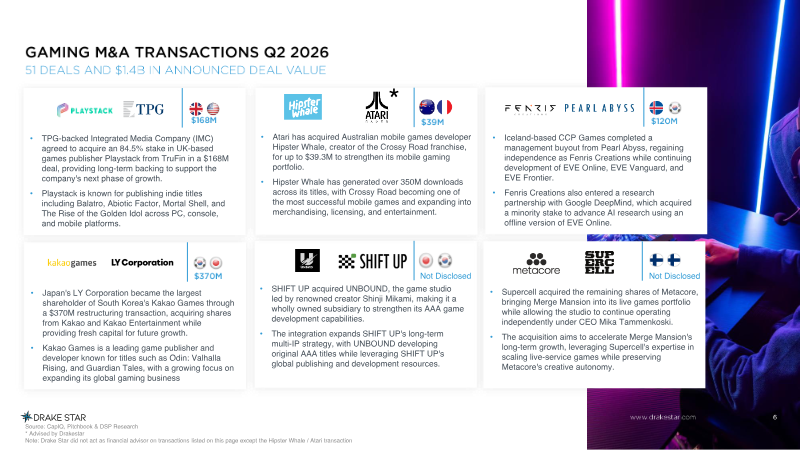
6 takeaways- 01The gaming industry is shifting from aggressive, acquisition-led growth to fiscal discipline, as evidenced by Embracer Group’s transition from a decentralized roll-up strategy to a centralized model to address debt and operational inefficiencies.
- 02Rising interest rates and higher capital hurdle rates have forced developers to abandon high-volume, 'shots on goal' development strategies in favor of sustainable production and the cultivation of established mega-franchises.
- 03Launching unproven intellectual property has become increasingly risky due to heightened competition for consumer attention across the broader entertainment spectrum and rising costs for user acquisition.
- 04Developers are exploring artificial intelligence as a mechanism to reduce live-ops costs and improve profitability, though the industry continues to struggle with balancing creative vision against modern economic realities.
- 05The Apple Vision Pro is currently positioned as an enterprise-focused tool rather than a mass-market gaming device, limited by its high price point and lack of dedicated gaming-specific input controls.
- 06Meta remains better positioned than Apple to capture the gaming demographic by offering more accessible, gaming-centric hardware.
Ask AI about this video
Transcript
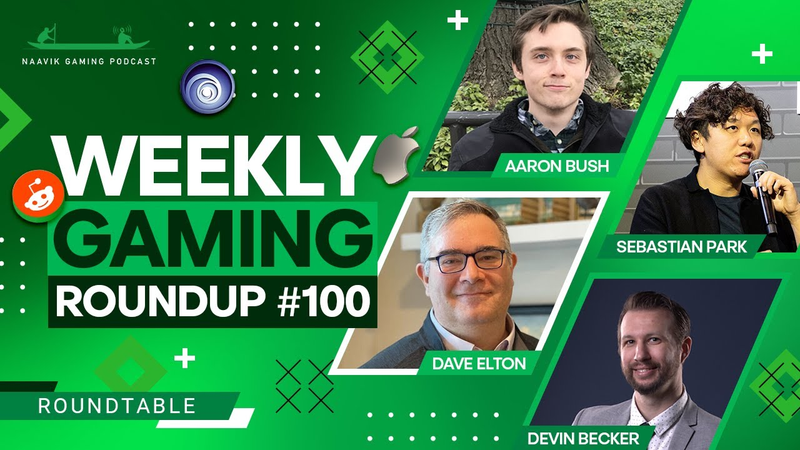
foreign [Music] gaming podcast where it is our mission to explore the business and future of video games we bring together the industry's brightest Builders investors and thinkers to keep a full sun current events dissect emerging Trends and games share Lessons Learned and have a great time this podcast is also part of novik's growing ecosystem which ranges from free and premium research to Consulting and advisory services for more information visit www.navic.com now let's jump into the episode hello everyone welcome to another novik Roundtable and I believe this might actually be the 100th episode so pretty exciting there uh no no crazy celebration or anything but I'm your host Devin Becker and of course joining me are wonderful panelists as always I especially started with the the ever Lively Aaron Bush co-founder of Novak here we've got Sebastian Park co-founder of Advent canvas and Dave Elton
president of blue land Studios uh I want to ask how you guys are doing especially Aaron uh who is looking a little thinner on the face today I did shave after you know too long being silent away at my desk and went out for for a haircut so that is that is true but more important than that we made it to 100 episodes of these round tables that I'm super super excited about that and you know kind of throughout the past I guess about two years of doing this now which is crazy um you know I'm super fortunate for the awesome the awesome team and community that we've we've built around it so very happy about that today yeah definitely definitely exciting so I mean let's make it a good one we've got like a lot of great topics to cover here uh especially us trying to get to uh the Apple Vision Pro stuff this time around we've also got uh the FTC filing injunction in The ever-growing Saga of Microsoft Activision uh embracer restructuring could be interesting uh
the old not E3 week in terms of a lot of announcements around games and then uh Reddit blackout should be pretty spicy topic uh you know controversial I imagine uh but let's let's just start off talking about what what the whole not E3 week is and what that comes down to yeah I love that this is just being known as not E3 now that just cracks me up but um anyways uh this past week a bunch of companies had their gaming showcases independently and displayed a bunch of new and and anticipated games there was Summer Games Fest the Xbox showcase Ubisoft showcase Capcom showcase and maybe one or two others that I I just missed a a missed all the the noise that's been then going on and the flurry of announcements um of course it didn't in my opinion at least have nearly the same energy as camaraderie as E3 but there was still some some some fun stuff shown and if I put my business
hat aside to put my gamer hat on uh I'm I'm so excited but absolutely drowning and seemingly great games to play right now which really is a great problem to have and I if I look at my backlog I cry but when I look at you know some of the games that were showed like Starfield is coming together or alad wake 2 seems pretty cool or honestly like Assassin's Creed Mirage or Dragon's Dogma 2 like so many more games to add to the backlog um in in some kind of way it just has me really excited um but also if I put my business hat on I think that um Xbox put on a relatively good show that kind of eats some concerns or around um the lineup of AAA games that they're gonna have for for Game Pass but of course we'll still have to see how they execute on that in the months and quarters ahead uh but honestly the company that outperformed my expectations the most was Ubisoft
um obviously that's a company that we've covered a lot in the past and we've chronicled some of their struggles to meet expectations over the past couple years through live Ops difficulties or mobile challenges or I'm just needing to to focus and get lean in in some ways but based on what we saw at least I feel better about the company's lineup than I have in quite some time and so I think Assassin's Creed is in good shape they had a game Prince of Persia the Lost Crown which is more of like a 2d platformer that that looks really sharp and pretty cool um and was something I didn't expect I have a feeling people are underestimating the power of the Avatar brand right now when it comes to whatever their avatar game is going to be and we'll see how that really shakes up but really the biggest surprise there was um Star Wars Outlaws which um I was not expecting at all and it kind of looks like a starfield-esque game that takes place in
Star Wars and it looked uh obviously it's very early but it looks pretty good for for a first showing at least and so um you know even though we've been pretty critical of Ubisoft and obviously there's a lot that needs to come together here I think I'll just throw it out there I think there's a chance the company has bought them now just kind of due to what's coming on the The Horizon for them and so I want to I want to throw that out there we'll see uh and maybe you guys disagree with me but um those were some of some of my highlights but I'm curious what what all of you thought both both as a gamer and as business people what what excited you or not about not E3 week uh let me I'll try and chime in a little bit on the on the Ubisoft side of things um and I definitely will I think I'm going to start off with their Star Wars title um I was really happy to see that you know I I thought it I agree I think it looks good I think that it's also nice that it's a game from a different
perspective a different type of character like you know I very much appreciate what EA's done with their Jedi titles most recently um but you know this is you're not playing a Jedi which is awesome um and I think that really does give you an opportunity to try out you know some different experiences inside the Star Wars Universe uh and see some of those things you know like Han Solo certainly is a fan favorite for a lot of people and you know being able to play that type of Road character I think is something that's going to be a lot of fun or something I'm looking forward to um but yeah and I think you know we we've seen what um you know a really strong property like Star Wars tied with a game that's really well polished and put together you know what that can mean um and yeah I think I think they they can do really really well with that if they if they do get the opportunity put that polish into the game yeah I I Echo a lot of sentiments around the the sheer
amount of content coming out of it it's it's sort of amusing to me because you don't really see other entertainment media comments doing large talks outside maybe Disney and their Star Wars thing and that seems overwhelming too I think this Harkens back is something we've talked about a couple times on this podcast which is are you really competing against each other or competing with yourself are you competing with the General Media breakout I looked this up prior to this podcast where I was looking at things that were coming out on Netflix just like Netflix by itself not any other platforms this month and it's like Black Mirror season six a lot of Z season two break point two bridge between Seasons three and four buying Beverly Hills Season Two bridesmaids 2011's coming back out there's a bunch of One Piece coming back out so the question always I have is hey as these games come out like are they competing with the next season of Black Mirror are they competing guns themselves and it is going to be interesting to see I think historically when we had E3 proper because of sort of the constrained nature of the space you
had fewer announcements by all these big Brands and sort of really interesting to see all of them taking more nintendo-esque approach hey here's our Litany of things you guys all love it it'll be fine let's move on and so that's going to be really fun while I was sort of sad to see not like not sad in a unexpected way but they sat from a consumer perspective was I was hoping to see a big IP announcement beyond the star fields of the world like something something that's like new that we hadn't heard of that's been under wraps that doesn't seem to be in the cards right now that's totally fine we'll probably see something else in the next year or the year after uh I think that is one of the advantages of moving away from uh like an E3 in that you have that opportunity to control the messaging and when you do have that announcement you can time it for a period when you know the decks are clear like you're not competing against other noise of other announcements and that so I I think from uh uh you know from a consumer side it's a little bit more challenging you have to pay attention all throughout the year instead of getting just a whole whack of
really fun stuff you know all in one show um but it does you know from uh from a company messaging perspective does give you that ability to have uh you know the stage all to yourself you don't have to compete against you know is Microsoft releasing a new piece of Hardware is Nintendo announcing you know the the next Zelda or Mario whatever you know that you you're able to control your messaging so I think from a business perspective that's um I think that certainly Works in favor for the companies being able to piecemeal that out a little bit more cool well it sounds like it it's been working out for them I I don't think they're they're missing E3 at this point uh I mean unfortunate for the E3 organizers but I mean I also I benefited a little bit myself from uh from being able to be part of a 3xp that kind of stole a bit of I think the thunder in La uh from uh E3 as well so it's it's interesting to see that you that the energy kind of dispersed into something else uh but I mean hopefully all those games come out on time and like it was a big you know happy announcement for
everyone as Aaron seems pretty enthused uh by what we are able to see so hopefully all those like come out on time we're not really disappointed by the Styles because we have seen a lot of titles lately kind of come out and not really hit the mark in terms of like being finished and things like that so uh like let's let's hope like we used to have that kind of e3 like sort of Faking It thing that we had and maybe because they're in a little more control these situations and stuff like that maybe we'll get a little less of the faking and more of the like this is really what we have coming uh maybe some of these are farther out but we're like we're gonna be doing it and no worries there hope sleep yeah or maybe even more faking it because they do have that full control over everything no I'm sure everything that happened in the devolver presentation was fully real absolutely but uh in terms of uh maybe releasing less games instead of more games uh we've got embracer kind of going the other way of how they've been going recently absolutely so uh embracer
um just earlier this week put out an announcement saying that they're going to be going through a restructuring program um and an open letter to uh to the company into to everyone around the world they talked about how they needed to get basically their financials under control so they're looking at reducing their net debt they're looking at reducing their overhead um and the unfortunate part of that means that there's going to be reduction in the number of people at the company there's going to be some closures both of studios and Cancers and projects so I mean they've been going through a bit of an interesting time over the last little while there was the um you know if you look back to November of last year at that point they already recognized that there are some challenges with their business and they needed to go through um you know a special review of their overall businesses compared to where the market is um and then last month their mysterious reveal of hey we had a two billion dollar deal but it went away and uh yeah
now it's a question of well who was that partner that they were supposedly partnering with you know trying to get any information or speculation around that's been a bit of a challenge but um you know they they really do need to take a look at as they've been buying a large number of companies and allowed them to operate as individual entities you know where are they able to get some economies of scale so um you know take a look at being able to centralize some of their services uh whereas originally they had you know stated that when the people or companies were purchased that they were going to be able to continue to operate as their own individual entities um they definitely will be looking at centralizing a lot more of their items and uh they're going to be cutting their costs in terms of where their external spends are and look at you know trying to bring everything internally so um they've apparently have approximately 17 000 employees um you know how much of a cut that means
we're not sure unfortunately that's something that will be playing out over the course of uh the next nine months or so sounds like they want to have everything wrapped up by March of next year so um some unfortunate views inside the industry that's already seen a number of uh layoffs and hits to teams and projects it is sad news um but also is sorely needed an embracers case and I would argue it's it's coming late and this is probably something that they should have been thinking about earlier the last time we talked about embracer which was in the earnings report right when that two billion dollar deal fell apart I sort of made the case that like yeah obviously losing 2 billion and and potential revenue is bad but don't miss the forest for the trees because the bigger story here is that if you look at the past five years uh I think it was roughly five years like right before the the m a craze picked up and zoom forward to today
embracer has grown their revenue 150x but their stock is now where it was before that started and doing that math made my face melt because because that's crazy right and so there obviously has been um you know some mismanagement when it's come to understanding the levers that create value inside um this company and I think very clearly like refocusing finding ways to get leaner where it matters and just setting a higher bar internally for what projects matter and where your Roi is going to come from um that should make a big difference I'm I'm a little sad that it's really only starting to pick up now because that's the kind of thing that like while you're going through the process of making these big deals and tucking them in and figuring out how to reinvest across everything um you should be figuring that out as you go instead of just looking for the
next deal so I'm not positive of um how how this will really end up in terms of like really being able to create long-term value and create some type of like real strategy and game plan um around this company to to refocus and you know just say out perform the market or anything from here uh I think they have a lot of doubters to to prove wrong at this stage but it is sorely sorely needed yeah I would definitely agree with that in terms from a from a business perspective and they do recognize that you know what they're needing to do is really focus on cutting out the the games that either have um a lack of focus a lack of real you know knockout hit potential or games that are on tracking very well if you look at some of their estimates they're looking at reducing their debt in their overhead by a fairly significant uh amount yet at the same time they're
suggesting that their revenue will not decrease by a huge amount so it does look like that they're thinking that they're really cutting out all of the the weak projects um and I really do hope that they are able to get to that the benefit of scale you know they they are they do have a lot of smart people that they've brought on board through their um through their Acquisitions over the years uh and I do think that they can get to the point where if you're able to concentrate all of that Talent uh rather than having that spread apart you know actually take advantage of if you've got really good people around marketing share that across the entire company don't have that you know with just in the inside of the division if you have really talented people about you know what does it take to to build a product and and really find what it is that the players are going to latch on to and make that you know that chance of having having that breakout success uh hit spread that across the company don't keep it inside inside of a division so I really do hope
that that that idea of centralization you know having a 100 centralized certainly is a challenge you're not necessarily building every game for every place in the world for every Market you know it's not just one Global um uh you know group of players um but you know there is certainly a lot of elements that can be centralized and certainly find some economies to scale there and and share the knowledge is I think probably in a much more efficient better manner I just don't buy the argument that they the Embrace necessarily can change if you think about their Core Business their business that was built on the principle of rolling things up they have 750 plus Brands they are a Swedish company trying to operate a multinational organization it's just really hard for them to change course and then this is stuff that you Dave everyone on this call have dealt with and I don't I just like don't buy that they will change in that way like it seems not only hard but seems counter to
their ecosystem one of the things that we talk about a lot with both new startups but also existing companies is you know sometimes your BET's just wrong and that's totally fine it does just happen that way interest rates have gone up they're not going to come cratering down as some people think they are because that's just not how a good fiscal policy ends up working out so there might be something to be saved here but a lot of those games are going to die right and their D7 30s or whatever are going to have the same issue where they might be out by five to ten percent and you won't know until 18 months in and that's going to cause all sorts of other issues for them as well I think overall embracer is in a really interesting spot as a result of that but certainly trying to change the culture of how the company operates can be really difficult versus you know really just doubling down and and if this and if you have a troop belief in the thesis like be a little bit contrarian to the market and hope for the best yeah it's also interesting to see some of the management changes that they
they've brought about so the the head of uh saber uh is uh was promoted up to the CEO of embracer overall um and so gotta wonder is it a case of are they taking more of a traditional approach to managing game teams and then bringing elevating that up you know in reference to your comment about can they change their their culture um you know if they're able to bring people up to that senior level to to help look at changing that culture a little bit but um yeah I mean they they've got a lot of mouths to feed it is a big ship to turn um and by the way like there I think the other thing that we should all just reflect on is are they worth what what's the what's their current market cap right now like it's something the ballpark of three billion US dollars I want to say yeah like something like is that a like one of the things that we we talk about especially when we talk to new Traders it's like hey like ignore
where they were and think about like what they're worth today and is a company that does a few hundred million dollars in Revenue and occasionally turns a profit although did not turn profit last year but has been turning profits in the quarters recently is that type of company worth this market cap it might want to just be yes like honestly like it this seems like the right multiple for that and if that's the case then that's Mazel Tov like we we go from here and we we talk about the good old days when we were all worth you know 10 times more I think that's right um I I think the market is probably pretty smart right now in sizing the company up and has hesitations about where where this could go because a company with this many employees this many games should be worth more than than what it is trading at and so that skepticism is priced in but I think I agree with you Seb that the this kind of change across so many people and so many subsidiaries is really hard to pull off
culturally because when you start in in a way that decentralizes operations and decision making and sort of like empowers entrepreneurs in some way who get acquired to get tucked into the embracer family and what is centralized is more Capital allocation um moving moving operations from a decentralized to a centralized uh you know lens in in some way while management kind of has dropped the ball on what its primary responsibility was um I think that is going to raise a lot of questions and concerns and probably will shake up not even just leadership at the top but uh perhaps all the way down in terms of who's okay with like the the direction of like how decisions are made in these individual subsidiaries and like what games are greenlit that maybe wouldn't
have been an issue in the past but are going to in the future and how projects are staffed and budgeted around I think there's just going to be like cans of worms that kind of open up when you really get into the weeds and yeah across so many companies it's hard to to pull off not to belabor the point but this is the biggest fear right and I think this is a big fear everyone should have which is this isn't an Embrace their problem like I think it's easy for us to say hey embracers the ones who mess this up this might just be that this style of game acquisition or this style of Roll-Ups just don't work for video games and if that's the case I think that's the thing that I see a lot in the market right now where people really are trying to find any opportunity to on embracer as much as possible not that anyone on this call is doing it but people want to do that in part because the alternative reality could be that oh actually this model doesn't work if this all model doesn't work there's a lot of Studios they're gonna be screws and about two to five years 100 and the lessons here are actually less about games in my opinion like this it's like this entire roll-up model in general that you see across
industries that very rarely works out it does occasionally with um CEOs in particular who are just really Savvy with capital allocation and it's at really high bars for what they acquire or have like very set principles and processes for how um companies get tucked in either completely decentralized or in a more private Equity kind of way but the vast majority of those companies across all Industries really struggle to pull it off and have to change in in some way and some of them you know do end up with a collection of businesses that are sound they eventually divest and refocus on what matters most um um and so there totally is a path through here and it'll just be interesting to to see what that is but yeah shouldn't belabor the point too much on just embracer even though that's kind of the story of now this really is just like a general business lessons learned that are Timeless in my opinion
yeah I think you can look at the one of the indicators in something that has been brought up recently across not just embracer but still front and others is what is that an organic growth look like you know so many of the companies have been growing through acquisition okay now you've got the people there are you actually able to create new games new business inside what you have uh and with the monies you know money situation where it is now Acquisitions are going to decrease they're not going to stop entirely but they're certainly going to not be at the same speed as before so the their growth really is going to have to come from from internal from organic uh organic growth well we wish them the best and hopefully uh we don't lose some good studios in the process honestly knowing how the game industry is if we do they'll just start up a new a new game company right we'll we'll potentially see at least one new game company out of this whole thing uh whatever layoffs have and stuff like that just that's the nature of of games is everyone tends to respawn after they die from from these kinds of things so
I'm not too worried about it at least in terms of the long term but definitely help uh in the short-term people aren't losing too much sleep over it but in terms of uh the acquisition not happening so much uh yet we've got Microsoft it's an endless endless story uh it's it's rivaling the Lord of the Rings at this point uh getting blocked by FTC yeah there's a lot of lore to the story being built that is creating an entire franchise of its own that is for sure um but we don't have to talk about this for long today but the the newest episode in this Saga is that um technically the deadline for this deal to go through um is July 18th which is 18 months after the deal was announced and as whatever is in the contract between Microsoft and Activision and those companies are obviously moving fast and pushing hard
for this deal to close in time and with the EU now having approved the deal the team seemingly thinking it can close regardless of what the CMA thinks um and uh now it's just really up to the to the US to kind of put in its final word and approve the deal or not and so in knowing that Microsoft can move fast and actually close the deal soon if it wants to especially it feels good about its chances in court um the FTC stepped in to file essentially a restraining order to keep the deal from closing until it goes to court and they can make their case and a judge in the U.S um approved of that so you know just so many random inner workings of the legal system that I'm learning about through through watching watching this deal try to close um but anyways it sounds bad because the FTC continues to fight and wants to make sure that their their case against the deal is heard before any any chance of closing happenings but on the other hand
you know what what people are saying at least is that it speeds up the the the court process and actually a decision getting made which I think is right and so in a few weeks and this in the next few weeks like in June this is finally going to court and the U.S judicial system is essentially going to decide if the ftc's concerns or valid or not we've talked about this at length they're probably not valid but who knows what any decision maker in the government is going to like finally rule so I'm not even going to speculate at this point um but with the the hearings in June the decision should be made in in July and so that's at least how I read it it's finally hopefully coming to a close um the more interesting thing here is that Microsoft and Activision are just kind of given the the shrug to to the CMA um in the UK and um it makes a lot of sense like the UK
is punching above its weight in terms of its its global global impact and Anti-Trust legislation um but it is and I don't know how that's going to to fall and to end but you know if they decide to close the deal without the cma's blessings we'll we'll see what happens it there's a range of possibilities ranging from the the CMA just wanting the penalty to be like all right you just with cloud gaming you can't operate as you were or as you wanted to or it could range all the way to weld Microsoft as a whole in your entire parent company this has big repercussions and we're going to find you a lot of money or keep you from operating in bigger ways that we don't like I don't know um but anyways I just thought that the random UK aside is funny um and we shouldn't speculate The Saga goes on but hopefully this time and a month we'll be done with this and we can just start talking about great the deal went through what does it mean or oh uh oh it didn't happen what does this mean
for you know Xbox's and Activision's future with actual Clarity but that's the update I'm just looking forward to the next of the Netflix film about this whole Saga I was thinking the same thing it'll be like Tiger King but for for the whole Court drama here around this yeah or if you just have a documentary please invite me so that I can vent on your your program about having to talk about this on a podcast every freaking week and growing super tired of it um please definitely well hopefully hopefully we'll we'll get that over with and see I mean who knows maybe once they get it approved and actually start doing the merger we end up with a whole set of other dramas because those are two very large companies uh with I I gotta imagine different cultures and other things going on that could be its own set of secondary drama but uh hopefully at least we'll get to that part we'll get to part two of the story and it'll be a little more interesting for a while uh as as we continue to cover it at this point I feel like a 24-hour News Network this kind of story but uh we've got a
little bit more of a different change of topic something a little more on the financial side just going into uh hurdle rates and startups yeah so one of the fun things that we're seeing right now especially in the analysis we talk about up and down it's just what does it mean to have a business actually be valuable to be invested into and part of that right now is that historically for the last 10 years people build up these heuristics where it's like oh it has to make a return it has to beat the S P 500 it has to beat some level of return but what's weird is that we're no longer in a zero percent interest rate environment and one of the cool things about that is that the actual hurdle rate is often risk-free U.S treasuries like the US is not defaulting anymore and one of the cool things about that is that you can literally just put your money into a U.S treasury bond and they'll just pay you five percent risk-free and that risk adjustment is really fun because it changes the acceptable rate of returns and changes to hurdle rates love to love the errands
on this call to talk to him about it but effectively the question that we see both in Venture but also in analysis of some of these bigger companies like embracer is hey if you deploy 100 million dollars into new companies it's not good enough if you make 20 million dollars it may not be good enough if you make a hundred million dollars like 20 return is certainly not enough to hurdle five percent risk free but it's a hundred percent given the risk premium you're taking it may not be there and so we're starting to see this really play my favorite example is from a world we haven't talked about a lot on this podcast in a while which is there are crypto companies that are saying hey we will give you five percent yield on us you buying the token but the token inflates at 10 and the US dollar is also going to do risk-free five percent return suddenly those claims that were all the rage two years ago are just dumb like if you're doing that you just should not deploy money you should talk to someone and it makes for some really
hard bits here and especially because as you probably saw the the Consumer Price Index didn't go up as highly or went down even this year uh this past quarter we're going to see a slowing of inflation but that doesn't mean that we're going to be interested it's come down to zero percent anytime soon it's going to probably stay where it's at for a long period of time for a variety of Physical policy reasons and come down slower because there's also other implications if you reduce interest rates really quickly so that's really the point should we now as investors ask people who are deploying money into gaming as people who are gaming of observers change our heuristics because this is the environment we're going to be in for a while and people strongly disagree and they're pretty polarizing in terms of this topic thoughts Aaron yeah I can I can kick start this so my my take is I usually think a lot of the conversation around hurdle rates is sort of misguided or kind of stuck in theory and not actually all that helpful most
of the time um and so I guess a couple angles here first when many people think about hurdle rates um they often think about it like in conjunction with the so-called Equity risk premium and this is getting like boring financed for for a moment but what that basically means and to kind of summarize what what Seb was piecing together is that what's the gap between your expected Equity returns and just the risk-free rate of return and the higher that the risk-free rate is the technically like you the the gap of the equity risk premium um uh you know shrinks and you have to kind of think harder about like what you invest in as an equity investor um but I don't actually think that really works in practice too well like leveraging that type of framework or tool um and obviously for like non-equities like bonds or whatever has like yields typically like you can compare rates more easily but I don't think we have
seen like awesome sustainable yields elsewhere that really have pushed most smart investors to like really think about taking like longer term yields versus um kind of sticking with their overall game plan with equities or whatever um but I also think just like on the flip side that when rates fall and technically like that's the time when people think that the equity like their hurdle rates are lower because rates are lower that's actually probably backwards because that's the time that valuations inequities are often the highest um um and so my my take is that like inflation Ebbs and flows interest rates ebb inflow valuations ebb and flow really the mo the best thing that you can do as an investor is like when you are looking
at Investments to always in whatever economic period that you're in to sort of set on an unreasonably High hurdle rate for yourself just because it forces you to become pickier and like do your extra diligence and like think extra hard about like what how value is created and like what levers are at play to increase this price and this value of whatever you're looking at um over a longer period of time and um often what that really means is just like having a pulse on too on just like the hype cycle and um just like knowing when to lean in and out of certain zones instead of just like the so-called Market as as a whole you know whether it's you know we've seen bubbles in crypto bubbles in in Tech um bubbles in the finance industry Etc and sometimes it's just like worth knowing when to lean in and out but if
you set like a high enough hurdle rate for yourself you're probably going to be more resistant to fomo and just kind of chasing what naturally will have higher we'll have lower rates of return even though a lot of people think it is higher maybe like in AI right now but it'll also probably mean that when you see things that you are excited about you're more likely to be right when you decide to to lay an ad so I don't know if that really even addresses what you're you're getting at um set but that's just kind of like my my rants on Hurdle rates and I've just as an investor in the past I've always struggled having this conversation because whenever someone sets a hurdle rate I'm like okay but I'm not sure it really matters because you can't really predict what's going to happen with rates with market valuations and at the end of the day you just have to set a high bar for yourself and stick to your principles throughout it throughout it all and if you do that that'll increase your odds of outperforming and doing well in the long run yeah it's it's interesting because the I think that's a great primer for the actual conversation which is do
games in general meet that hurdle rate for anyone right and I think it's one of the fun things here where games I think especially with what when we talk about Embrace during some other people people assumed that if we just took enough shots on goal that we could reduce the risk of investing into games even though we know inherently that the vast majority of all games you make 99.9 of all games made fail right like it's it's one of the like ridiculous things where even let's take an example of someone who I think is one of the best uh creators of mobile games in the world right now which is King if you think about King and their last four games launched which are like the Crash Bandicoot game the Knighthood game the Pet Rescue game all discontinued right within a year or two if you take like if you go back like a 10 years time time span and you just remove some like it's more than 60 of the stuff
that they've launched has gone poorly and that's been that's totally fine when Capital allocation was pretty cheap and cost of capital is cheap but is it still the case that we can do these types of things today or are we going to move more into hey we need a much we need to make sure we have Star Wars engaged into our game do we need to like somehow reduce the risk file in some way or the other one of the things that we talked about the not E3 week is that hey we don't see as much new IP that might just be if people have come to the conclusion that we don't have enough distribution for these games unless we have an IP strategy we're not going to see new games for a really long time and I think that is what makes this hurdle rate conversation so interesting because some people are like no we're already all in the next 10 years it'll all get better so let's just continue to deploy and fun games because they're going to do super well it might just be that we should have never done that right that could have been the answer that like the hurdle rate was never high enough five years ago it's not high enough today or is the flip side that actually no the the understanding of the heuristics we built
in 2018 are still applicable five years later and I think that's like the open question that I don't have a good answer for to be honest with you I think about this a lot and it's something that I just wanted to bring up because you're a smart guy owner you might have the answer all right I don't have the answer but I mean listening is what you're saying my my thoughts coming back are like it's so stage dependent and it's so like company context dependent on like what you view as your set of opportunities and what is an acceptable rate of return or even Beyond rate of return like what kind of risk you're willing to take or how big of a success you need to drive return for your entity as a whole obviously if you're more of an early stage investor you probably can think less about hurdle rates as a whole because your outcomes are so binary and what matters most is just getting into a small handful of of deals that can find success to some threshold and um and and go from there and you'll be
fine but of course if you're in Activision Blizzard with King inside of it um you're thinking with an entirely different set of principles that's less about like okay can you spin up a new franchise although debatably maybe they could do that and and find some success Beyond even just mobile but where you have seen the rate of return shift is kind of shift away from from that to just building up these Mega IP ecosystems and that's sort of the meta of where the return has kind of shifted in the past few few years but even if you zoom back to the earlier days of King Activision despite King kind of failing to spin up lots of new games Activision still got a good rate of return and absolutely met its hurdle rates because of Candy Crush alone and the kind of the low price that they paid for King just on a multiples basis versus how Candy
Crush has been able to sustain super high levels of cash generation over a long period of time so part of it just depends on like what price you get in at and therefore what you expect um which has been changing a lot lately across the industry and part of it too is just where you're coming from I think to even determine what level of impact you need and therefore how you think about hurdle rates with given given projects but I'm curious Dave what you think from being like inside the machine and you know building building games and making some of these decisions uh well first off I just if it was entirely about uh shots on goal then I think embracer actually is the king is in the you know in a prime position for that just given the number of products they have inside the pipeline um I mean game companies have gone through this before where they had to do a really hard evaluation in terms of how many shots on gold they were taking uh if you look you know famously back at EA
and Activision you know they used to ship a lot more games every year and they just went you know what it's actually better for us to take a much more focused uh shot on gold you know something that has the opportunity to have that five million unit seller versus something that is just going to be you know like half a million um you know the the way that I kind of look at it is um well two things in part it really depends on the company and the products that you make right like you have games that could be out in the market making you know in Revenue in six months versus other ones that may not make it out for three years so I think that one um you know that one blanket comment about whether or not you know you need to match a hurdle rate at a particular time you know as you said it could be years before you actually see what the effective decisions are right now and you know the environment of then is most likely going to be a fair bit different
from the environment of today so um I actually like Aaron's approach of just set a high bar and you're fine it doesn't matter you know where things are going with Turtle rates down the road um but uh in regard you know in regards to uh the the no new IP um I think people are looking at uh you know the cost of acquisition of PL of people and what are the things that are able to um stand out you know said earlier you made the the question of you know are we competing against um you know the latest uh episodes on Netflix uh and not just amongst ourselves um absolutely and I think it's a case of you know you're going to see less IP uh original Ip unless people feel like it actually can be a large launch where people feel good about yes I am going to be able to get to that 5 million uh unit sellers um if not then they are going to go with the the tried and trude
um you know IPS of Marvel Star Wars um I know you want to put Avatar in there but I'm a little uh Avatar actually makes it uh that big of an impact inside the games world um but yeah and and I think you are going to see a reduction in number of games uh original Ip it also is the the time of uh where you are inside the the cycles for the console launches like you'll often see a lot of new IP happen uh at the beginning because you have that opportunity to to show new things try new things with the console uh versus near the end of the lifespan and um you know believe it or not even though you know people are finally just being able to say hey I can actually get a PlayStation 5 uh we're a number of years into that console cycle and you know we are going to start seeing people move towards um you know right now sort of solidifying the audience that you have inside the console and then some people looking at well here are next console is
coming up and let's we'll start looking at some of the new things for those consoles when they come around and yeah I think a lot of ramble that just covered a whole bunch of different things no it's good it's kind of a hard topic to address just because it is so context dependent and so time dependent too um and I think again kind of like the earlier stage you are um the more like beating a hurdle rate is just about like picking the right horse and like a company that can succeed a game that can succeed um but it is different you know in public markets or just more open markets it's more about like being right about what's underestimated instead of just being right in general and so like as a like an investor looking at companies is even different from being inside of a company and how you think about hurdle rates of like internal projects but maybe maybe it's a closer so I kind of want to throw this back to to usap as you've been thinking about this maybe as you look even like more broadly in the industry um and just like some of the big
companies like where like are there zones that you see where where you think the hurdle rates could be beaten versus like those that maybe will will struggle like where where are we right now in your mind where like those smarter or dumb bets can be made well Monopoly goes great highly recommend that game if you haven't played it already uh it's it's a hard question I mean certainly I think what Dave said hits on the head which is are you working on distribution right now all right thinking about user acquisition are you trying to figure out new ways to buy them I had the opportunity to talk to uh a a new pm at one of the major Publishers the point that that person made was that a lot of their bosses came from the more machine Zone era of user acquisition where it's less care about the actual numbers and more analysis of the cackle TP curves it's certainly the case that we're going to be pushing towards away from that for
the time being and that's probably where a lot of the value is coming from I'm obviously super bullish on any new technology that could be radically solve a core problem right AI is interesting because it could solve a lot of the live Ops costs right you can reduce costs therefore increase your profits into the game the there are other ecosystems that allow you to like take advantage of more whales it allows you to take advantage of the more the players are coming through uh better access to Hardware might be that as well I think the honest answer though to your point is no one really knows I think that makes for a really fun time to be making games because we just don't know one thing that I will say and I think this is a common Observer issue not necessarily this podcast audience but in general the hurdle rate is something you do have to care about as a Operator just as much as if you are an investor and I think that's something that's really important to talk about if you think about proletariat who were acquired by blizzard last year or maybe two years ago now their game spell break
all right I won't say a spell break I think I'll spell break anyway their game was awesome like I really really enjoyed that game and I think a lot of people did too it was super highly rated it had a pretty large community of competitive Gamers going through it it felt like old school unreal unfortunately for them to run their liveop servers for that game it's just incredibly cost prohibitive and as a result they couldn't run the game even though it was successful by any reasonable measure of game success with the exception of being incredibly profitable and so especially when we think about new business models in the gaming I think that's something that comes up over and over again it's like hey let's unfortunately and you know this is a conversation not to belabor this point but this is a conversation I have with a good colleague of mine who always asks how do people make business first games right like in this world games are a piece of art that need to be made in that mechanism but how do you make something that's respectful of the business of the thing as opposed to hoping to fall into it and that's just just as hard I say I tell them it's just
as hard to make a game from that direction as it's from the other direction well on the topic I do business models and uh big old risks Apple's new AR Vision uh on top of you know Quest 3 and other things that have been announced recently absolutely uh it was a really fun announcement for me so um I spent some some interesting time uh in the world of making theme park rides uh with VR and AR as the the main method of experiencing those attractions so really got an opportunity to look at the the high end of VR and AR entertainment um and I've been really interested in seeing the different takes and different viewpoints in terms of how do we actually get these types of experiences down to the consumer level so um you know there certainly has been a number of different approaches and different attempts um if you look at uh as an example xreel
formerly known as unreal with their glasses which are basically a monitor extension you know that gives you a an AR light approach to the world and that you've got uh you know a monitor floating in front of your face um through two which for me is set the new bar is the the Apple Vision Pro because you are able to take advantage of so many components of um you know augmented reality virtual reality extended reality mixed reality how you whoever you want to refer to it um and and really put it into an ideal package or at least for me as an experienced creator um because it gives you so much uh flexibility in terms of the types of experiences you're giving to the to the user so if you're to look at the comparison you know you've got X real on sort of the low end of you know entry coming into the world of uh AR um Quest 3 I would put
in the middle uh and then the the Apple Vision Pro uh on the other end uh Quest 3 for me I mean I've I very much enjoy playing on on Quest 2. um you know certainly a lot of games have uh been a blast for myself to play for my kids to play um and you really do get a good sense on a consumer level of immersion obviously you're not getting the same levels where you can't in the high end where you've got things like fans coming in giving you you know when your hair or being on a motion based to really help sell the the full feeling of what you're uh trying to experience that that type of immersive experience but um you know it did a decent job and I think the quest 3 is certainly going to help with that for mechanical perspective you know it's gonna be a lighter a lighter piece meaning that uh you know the the head fatigue is certainly a real thing when using VR and AR headsets
um you know obviously a little bit a little bit nicer I do wish that basically all VR and AR headsets have the option of putting a battery on the back because being able to balance the weight helps so much when it comes to head fatigue um and I think you know the quest 3 is an improvement on what it's doing and they're they're passed through technology meaning that being able to see the world outside of your VR headsets can be a lot better and then it's uh it's going to be full color as compared to the monochromatic that it is uh with Quest 2 right now um but I think what Apple has done uh is really really I hate using this phrase but I can use it anyways they've really taken it to the next level in that um it is a truly fully integrated experience in what they're showing I mean obviously when we start seeing more third-party applications inside there there's going to be a little bit of a difference and what I mean by that is if you look at the software experience for
xreel um you you've got different companies to put in different uh types of experiences and it's not necessarily a common UI it's not a it's not a common interface it's not like a common experience um the quest I think does a pretty good job of that overall in terms of menu usage you know being able to move Now with uh actual doing some basic hand tracking um but you know Apple looking at trying to create that overall experience where everything is as immersive uh and and unified in experience as they possibly can um what I was saying before about uh for me is the best type of experience between VR and AR you know real mixed reality is that because you have full control of what people are seeing you're able to add in effects that really help either ground a person inside their their experience meaning that you have less
opportunities or less chances that people are going to be motion sick from not having a good understanding what's you know where they are inside the world and how they're moving inside that World um and the the Fidelity of the imagery inside there you know they're going for basically the equivalent of a 4K screen in front of each eye um but being able to control everything from how much light is coming into that scene so you know that transition from a real world visual to going into a game or going into you know watching uh Disney pluses I guess is the example during the during the show um you know being able to change change that into the feeling that you're actually inside of a movie theater or an Incredible environment um I think is going to be a fantastic job for um you know being able to really immerse players or you know users inside that experience from a game perspective I think is going to be an interesting one you know it's
not coming with uh you know the same types of controllers that you see inside the quest so you know they say hey just Bluetooth in a controller and you'll be fine um that's not the same level of immersion you know that that's an input um uh mismatch in my mind and that you're not really able to take full advantage of the fact that you're inside of an immersive environment so having controllers that allow you to have immersive inputs I think is is going to be a bit of a challenge I don't know how many people have tried a lot of hand controls inside Quest 2. yeah it's a little hit and miss now I know that um you know Apple's really uh going all in in terms of the number of sensors they've got the number of cameras going so I do expect it to be a better experience in there but you know if you've tried typing with your hands in the middle of the air it's nowhere near as enjoyable it's a lot more tiring
than if you're actually having your hands on side of the keyboard so I think there's you know there's also gonna be some of that experimentation of how well it's going to be working um you know it's it's interesting that they're going to have a hundred you know arcade Apple arcade games available uh right from the beginning um but uh the other part that was interesting for me is actually how they presented that you know if you're seeing a video of quest then you know even if it's something as simple as beat saver all the marketing for that you are in the experience you were there you know you're swinging the the lightsabers around you are actually in it Apple's presentation of it was entirely a game you know it's as if you're sitting on a couch just playing on a TV you know you had a controller you just had a flat screen sitting in front of you it's not the immersive experience from the gameplay perspective that I think you'd you know want to be really enticing people to go through and pick that up
because you know if that's an experience I can already have with a PlayStation an Xbox you know even uh Apple arcade through Apple TV right now why am I going to spend you know thirty five hundred dollars U.S on uh on something that you really only just duplicates an experience I'd love to hear your guys thoughts I mean I I like it but I also I do like the positioning for it they're not trying to be that 500 experience where everyone wants to go and buy they're like look this is we're still trying to find that killer app for it and I don't think they there I think they've come forward a lot in terms of the experiences a lot better but I don't know that they have that killer use case yet for why everyone's gonna go out and buy it yeah um I'll give my quick take I want to make sure we have a chance to hit on maybe one more topic before we wrap up too but um Matthew ball recently put out a really great um essay called Big text biggest bets or
what it takes to build a billion user platform and and you know one main Motif across that that that great essay was just that in order to build a new platform in general no matter like really what you're doing these days it's going to cost you many many many tens of billions of dollars and there's just so few companies in the world that can really pull it off and even if you spend that much money there still are other strategic considerations timing considerations pricing considerations Etc that if you're wrong on any one of those it could just throw throw you completely off um and so when I look at this General space of of like AR VR XR whatever we're gonna end up really calling it spatial Computing um I I think that in terms of like really being able to build new platforms there's just so few companies that are really going to be able to to pull it off and um really it is only the apples and
maybe that that is that we'll be able to do so in a big big way in my opinion and we'll start to see the the what those the xreel or whatever and a bunch of those other magic leap hololens a bunch of those other projects are probably not really going to to stick around it was something like the Apple Vision Pro it's probably going to be more Enterprise first for a while I would guess just kind of given the price point and it's not it's not going to be gaming Centric it's going to take a while for this to even like build out and scale um but it was really exciting to see the technology I think it's really cool and I think that we absolutely will see more use cases get developed especially as developers start to get their their hands on it but yeah I'm also just as excited about the meta Quest 3 honestly just because as we saw with the iPhone and other Apple products the high end can be an amazing place to be you can mint a lot of money but there still are billions of billions of people in the world that are not going to be able to have that product but still wants access to that technology in some way and being
able to create lower tier versions The the so-called like Android version of whatever this new technology is going to be I think is a massive opportunity that someone like meta probably can step into and something like gaming it seems is going to be a bigger part of their their process of of getting to that point at least through the next few years so um so yeah I mean I'm super bullish on this space I suspect gaming will become a bigger piece of this over the long term but there still is a lot more to figure out before before we get there yeah yeah um very quickly I think one of the reasons why like Apple's launch was generally well received is they have a really good understanding that Hardware by itself doesn't sell Hardware you need the software side of things you need the experiences to help sell the hardware so if you go to a CES and you go through
and you test out you know here are the latest and greatest headsets from all of various you know companies coming in they might have great Tech but I hate to say it 99 of the stuff you look at to not put it badly it looks like garbage like they just they've got really great Tech but then a horrible software experience to help sell that that Tech and I think apple is you know as you said you need to have enough money not only just to build the hardware but you need the software you need the the user experience side of things you need all the supporting software to help be able to sell the vision effectively because if you've just got great Hardware most people aren't going to be able to you know follow your vision you have to actually have it inside their hands and they have to feel it and they have to see it and they go okay yeah this is a compelling experience for me uh I do think that's where Apple will definitely be able to succeed or have a better chance of success than others you just
have to see if they can get a better uh long-term adoption rate than Quest has seen or the other VR headsets when you know most people play for a couple weeks and then put them aside well the great thing about the topic is of course like we're just the the beginning of it right like this was just the announcement like uh there's plenty of information still yet to be had it's not really out of the market yet we really haven't seen what they're doing with gaming so I imagine we'll be revisiting this as soon as like there's more cool stuff to talk about in it and you know the you know when the quest 3 launches and stuff like that so I think a lot of great like discussion I think to look forward to on this we're just kind of like tip of the iceberg this time uh we do just maybe have barely enough time here to just touch on one last topic as well uh which is just kind of interesting topical one around Reddit uh a bit of a blackout protest kind of thing going on uh kind of protesting uh some some charges they want to do on their their API yeah so I mean the interesting thing here is just it's a timely thing Reddit had it changed their API this is going to happen a lot more often than your term future there's a lot of services that were historically
used for free for user acquisition something we see in gaming all the time now it's they need to monetize honestly it's probably more of a function of people using uh rather to train llms they want to like Target them anyway the cars aside fun thing here they implemented a new change there's a boycott those are 48 hours they blacked out a bunch of subreddits it was a very surreal experience we've used right there and whatnot and on the gaming tint which I think is interesting it's typically speaking when we have these types of gaming backlashes the industry industry advice is just ignore them and it's just like look they'll either play your game or they won't just ignore it we'll come back and we'll solve this and it historically has worked and that seems to be what reddit's doing but I wanted to ask the group and just you know toss it out there hey what is actually the solution here like is there a solution for on the user side to do these types of protests and on the developer side it coincided with the 93
week was that concerned they did not get this type of stuff they wanted they didn't get the type of press they wanted Reddit is still a great driver user acquisition how is that going to work out just some food for thought but it would also love Dave or Aaron's thoughts as well I think the problem is that reddit's just not a good business and so how they they operate right now especially since I think the rumored gearing up to go public they like really need to get their house in order um just financially Revenue stream wise um competitive Advantage wise to not get wrecked and in public markets to be to be frank and so that pushes a management team to become even more strict about pulling the levers that um ensure that they better controlled the experience and therefore can better control the monetization on that experience and through doing that there's a lot of tension and that's not Reddit specific we also saw that even just in the past couple weeks with twitch too right like them also having
struggled to be like a like a strongly growing and profitable company and so what do they do they they clamp down on what creators can do to try to become more of a middleman and you know benefit um from that and typically when you see um these platforms take more strict approaches it's going to have Creator backlash and a lot of sense it should because the creators are what make the the platforms viable and in the case of Reddit also like the development Community around it has improved the experience had been like a source of innovation in a lot of ways for everyone's experience of Reddit um but in terms of like what a solution actually should be honestly the best that I can think of is like Google should buy should buy Reddit and that'll eliminate a bunch of concerns I don't know if that would even be allowed by Regulators or if alphabet Google it even necessarily wants to spend money on that but we had Google Groups before so I
don't know if it would really be all that different well I think that it just let Reddit be read it um and not make them Force such a strong hand and then benefit from the strong engagement that exists on Reddit through data you have exclusively for your own llms like Bard or whatever um and being able to like make Reddit part of a larger ecosystem that is more connected to what the future is going to be and how people are going to search and find create content I think that makes a lot of sense uh I don't know if that'll happen though but from a user standpoint I honestly doubt much is going to change there isn't really a good replacement to Reddit so people will come back it'll still it'll still be Reddit um and we saw that even with twitch people didn't like twitch some people went elsewhere but that didn't really work for the most part they're back to Twitch and I think that's just the nature of of network effects um but those are my two cents yeah I mean
um not really much more to cover maybe I think you've covered a lot of it Aaron from my perspective you know it is definitely one of the challenges of that business model that was really popular in terms of the first thing you do is just get a whole bunch of eyeballs and then once you've got a whole bunch of eyeballs then you figure out how to monetize um you know but it's not the only company that has to figure out how they're going to do that um and they're just having the same level of challenges as as other companies have had when they need to make that transition um for me personally I mean I really do like Reddit as a platform in terms of being able to see uh people's thoughts on games um you know obviously you need to have a pretty good filter and being able to determine well what is the what is the the garbage noise on there versus the what are the actual real feelings to the players um you know you do have that opportunity to have that conversation with with a wide range of uh players as well um so I do like it as a platform from from the game perspective
um but I agree I think people just will come back to to Reddit I don't see it necessarily uh going away uh or large groups of people moving off to other platforms I mean it's one of the things that people have spent a long time on the platform they've created communities they've got relationships there those are the things that are really hard to move to a different platform because it's not just you going from one platform to another platform it's how are you going to actually be able to remove how are you going to move any sort of relationships and friendships and that along with you final thoughts yeah Aaron I think said it best and it's something that my co-founder tala Shahar says it says all the time which is that good businesses makes dumb people look smart and bad businesses make smart people look dumb and it's always really fun as we talk through all our businesses and seems like a really nice way to almost like end the podcast because that's been The Core theme of this episode it's like hey like are the embracer guys smarter dumb I think it
just depends on how good the business is are they are the folks on the Apple side with their headsets smarter done it depends on how good their business is and so it is a it's almost a truism about how relevant it is in terms of what we're going to see of Reddit and what we're going to see with all these other platforms be twitch or any of the other interesting pseudo-social ecosystems out there yeah Warren Buffett had a great quote when a management with a reputation for Brilliance tackles a business with a reputation for bad economics it is the reputation of the business that remains intact um and so that's just kind of the the reality of of business sometimes but um hopefully hopefully these companies that are you know going through struggles they can still find some stroke of Berlin it's to change the economics of their business and come out stronger on the other end well the great thing about this being weekly of course is we'll we will get a chance potentially to see how this goes over the long term and revisit these predictions later on but of course uh we'll have to see how everything goes because you know as you guys mentioned
during the hurdle stuff there's a lot of variables a lot of unknowns in the future but uh we definitely look forward to seeing how those go and I want to thank of course all of you guys for the exit conversations but I especially want to thank any of the listeners who made it through 100 episodes all the way to this one uh you know pat yourself on the back I guess on our behalf for you uh really big huge thanks for all the support for everyone who listens to this podcast whether this is your first one your 100th one whatever it is uh we all really appreciate it very much and you know being having you as part of the the novik family essentially of course as usual want to tag out the uh the email address for the mailbag at the podcast at novik.com you know make sure to send your feedback Heck if it's just uh hey I I listen to 100 episodes and I loved it like thanks for doing this awesome stuff like that is is fantastic here but but we look forward to seeing you all next week as well with another group panelists and more excellent topics as always but in the meantime enjoy your weekend if you enjoyed today's episode whether
on YouTube or your favorite podcast app make sure to like subscribe comment or give a five star review and if you want to reach out or provide feedback shoot us a note at podcast navic dot Co or find us on Twitter and Linkedin plus if you want to learn more about what novik has to offer make sure to check out our website www.navik.com there you can sign up for the number one games industry newsletter navic digest or contact us to learn about our wide-ranging Consulting and advisory Services again that is www.navic.com thanks for listening and we'll catch you in the next episode
Summary
The gaming industry is currently undergoing a structural transition characterized by a move away from aggressive, acquisition-led growth toward fiscal discipline and a focus on established intellectual property. Embracer Group serves as a primary case study for this shift, as the company attempts to pivot from a decentralized roll-up strategy to a centralized model to mitigate debt and operational inefficiencies. This trend is mirrored across the broader sector, where rising interest rates and higher hurdle rates for capital investment have forced developers to abandon the high-volume, "shots on goal" approach in favor of sustainable development and the cultivation of mega-franchises.
Market competition has evolved significantly, with gaming titles now vying for consumer attention against the entire spectrum of entertainment media. This heightened competition, coupled with the rising costs of user acquisition, has made the launch of unproven intellectual property increasingly risky. While artificial intelligence is being explored as a potential mechanism to reduce live-ops costs and improve profitability, the industry continues to struggle with the challenge of balancing creative vision against the economic realities of modern game development.
In the hardware space, the introduction of the Apple Vision Pro highlights the immense capital and strategic timing required to launch a new platform. While the device represents a significant technological advancement in spatial computing, its high price point and lack of gaming-specific input controls suggest it will remain an enterprise-focused tool rather than a mass-market gaming product. Conversely, competitors like Meta remain better positioned to capture the gaming demographic through more accessible, gaming-centric hardware. Ultimately, the industry is entering a period of consolidation and caution, where long-term viability depends on navigating macroeconomic pressures and the inherent difficulties of monetizing digital platforms.