Mergers & Acquisitions reports and market data
Documents
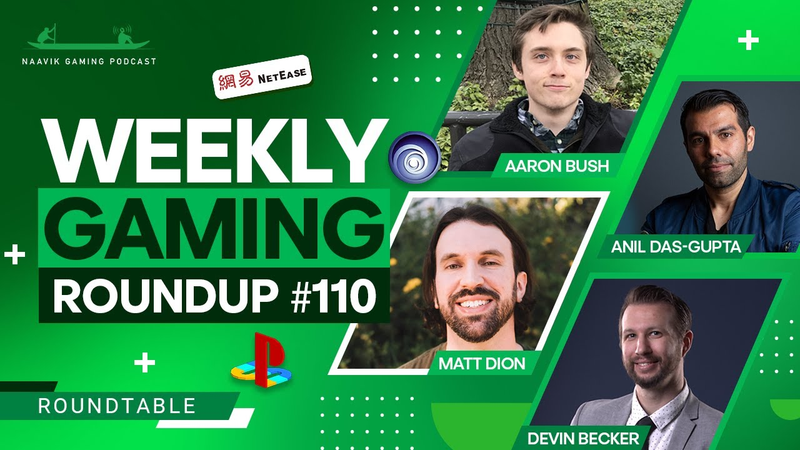
PlayStation Portal / Ubisoft Gets Microsoft’s Streaming Rights / NetEase Expansion
The global gaming industry is currently undergoing a period of significant structural realignment, characterized by shifting development strategies, complex regulatory concessions, and aggressive international expansion.
- Microsoft has transferred the cloud streaming rights for Activision Blizzard’s entire portfolio to Ubisoft for a 15-year term to satisfy UK regulatory requirements.
- Baldur’s Gate 3 achieved over 5.2 million PC sales, signaling strong consumer demand for premium RPGs that do not utilize microtransactions.
- NetEase is aggressively expanding into Western markets by acquiring and building AAA studios to move beyond its traditional mobile-centric model in China.

Gaming Report: VC Trends and Emerging Opportunities Q2 2023
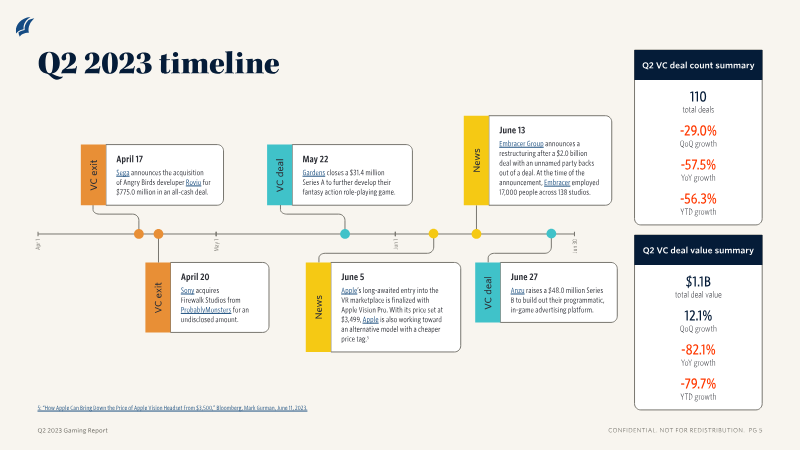
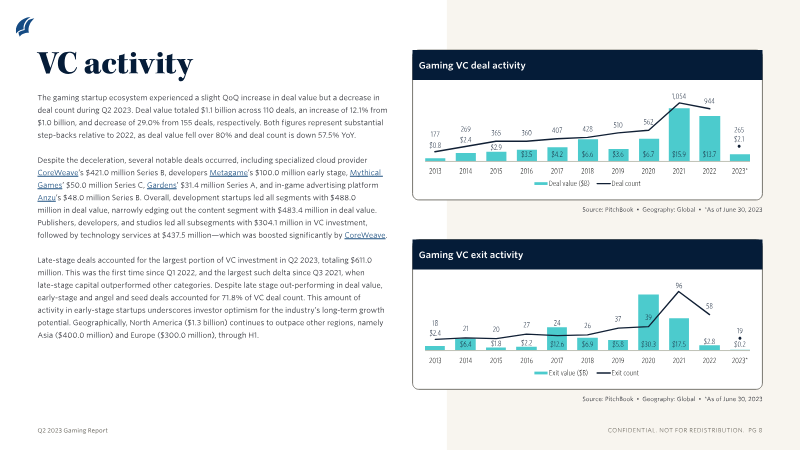
The gaming venture capital ecosystem experienced a period of significant transition in Q2 2023, characterized by a sharp decline in deal volume alongside a modest recovery in deal value.
- Q2 2023 gaming investment reached $1.1 billion across 110 deals, marking a 12.1% increase in total value from the previous quarter despite a 57.5% year-over-year decline in deal volume.
- Capital is increasingly concentrated in larger, late-stage investments, though seed and angel rounds still account for 71.8% of total deal activity.
- Development and content segments are the primary drivers of capital, attracting $488 million and $483 million in deal value respectively.
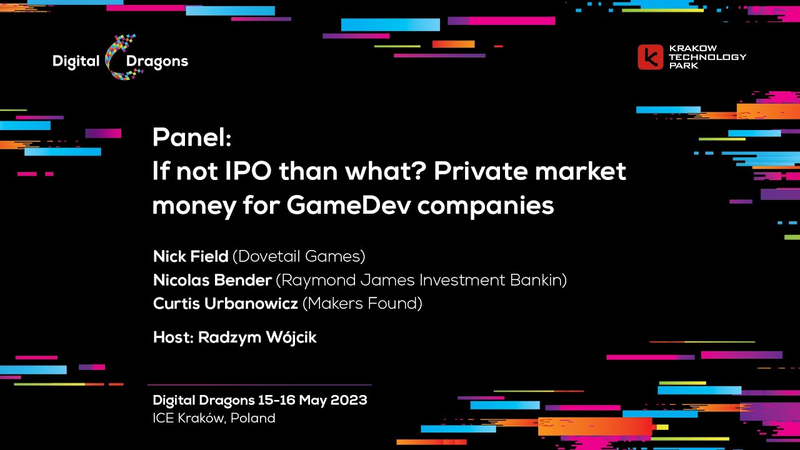
Panel: If not IPO than what? Private market money for GameDev companies
The Polish gaming industry is undergoing a significant structural shift, moving away from a reliance on public stock exchange financing toward more diverse capital sources, including venture capital, private equity, and corporate investment.
- The Polish gaming industry is shifting from public stock exchange reliance toward diverse private capital sources, including venture capital, private equity, and corporate investment.
- Founders must align their business models with investor mandates, specifically targeting venture capital for high-growth, scalable live-service titles or corporate acquirers for strategic product integration.
- Professional advisory services are critical for securing optimal valuations, as data from the past five years shows that specialized advisors consistently help founders exceed initial valuation expectations.

Zynga’s Web3 Launch / Netflix Cloud Gaming / Gran Turismo Movie Release
The gaming industry is currently undergoing a significant recalibration, shifting away from pandemic-era growth expectations toward a model defined by fiscal discipline and sustainable development.
- The gaming industry is shifting toward fiscal discipline and cash conservation, evidenced by the collapse of a $2 billion partnership between Savvy Games Group and Embracer Group that led to widespread studio restructuring.
- Investors are increasingly risk-averse, favoring sustainable development models over the speculative expansion strategies that defined the pandemic era.
- Studios are adopting cautious transmedia strategies by licensing secondary intellectual property for film adaptations rather than risking their most valuable franchises.

Inworld AI Raise / Playtika Acquires Youda / EA Earnings / BattleBit Remastered
The gaming industry is currently undergoing a structural transformation characterized by the rapid integration of artificial intelligence, the consolidation of legacy assets, and a definitive shift toward digital-only distribution.
- Inworld AI has reached a $500 million valuation, highlighting a significant industry-wide investment in generative AI tools to enhance NPC development and operational efficiency.
- The gaming industry is shifting toward a digital-only distribution model, effectively ending the viability of physical media as retailers prioritize shelf space for more profitable goods.
- The market is increasingly bifurcated into a barbell structure: high-budget, IP-driven blockbusters on one end and agile, low-fidelity hits like BattleBit Remastered on the other.
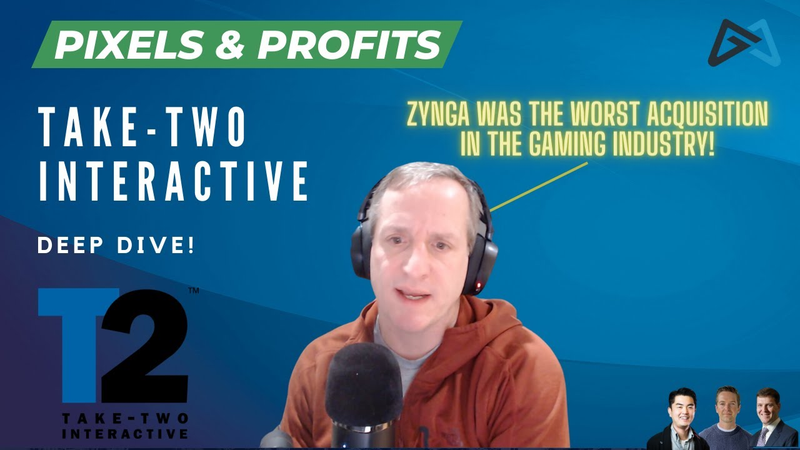
Take-Two Interactive Financial Deep Dive (Pixels & Profits #6) ft. Eric Kress
Take-Two Interactive currently occupies a precarious position within the global gaming industry, defined by a massive revenue gap between its fiscal 2024 performance and an ambitious $8 billion target for fiscal 2025.
- Take-Two Interactive’s fiscal 2025 growth target of $8 billion is almost entirely dependent on the release of Grand Theft Auto VI to bridge the significant revenue gap from fiscal 2024.
- The Grand Theft Auto franchise remains the company's primary valuation driver, having achieved over 400 million historical unit sales.
- The $12.7 billion acquisition of Zynga has underperformed, characterized by declining mobile revenues, leadership instability, and a failure to integrate high-fidelity console IP with mobile accessibility.
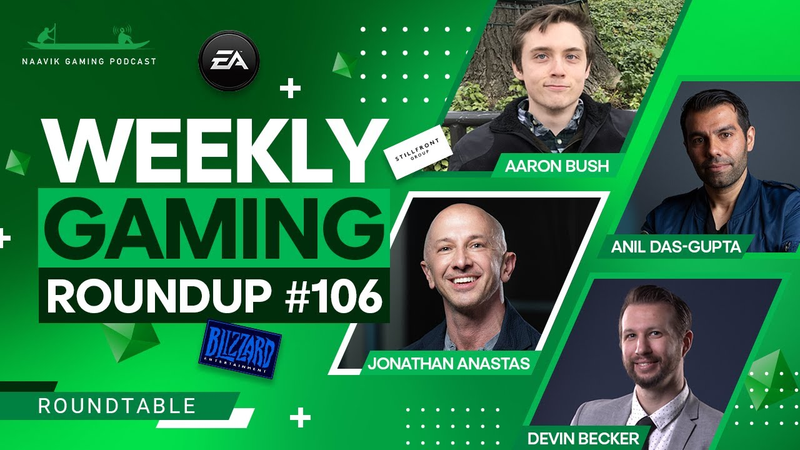
Blizzard On Steam / CD Projekt Cuts / EA Post-FIFA / Earnings Reports
The global gaming industry is currently undergoing a significant structural transition, moving away from the aggressive, growth-at-all-costs expansion that defined the 2021 market.
- The gaming industry is shifting from 2021's growth-at-all-costs model to a focus on operational efficiency, free cash flow, and the prioritization of core intellectual properties.
- Major firms are implementing workforce reductions and portfolio optimization, exemplified by CD Projekt's layoffs and the sunsetting of underperforming titles to maximize margins.
- Electronic Arts is actively reducing overhead by transitioning from the FIFA brand to EA Sports FC, effectively eliminating burdensome licensing costs while maintaining audience engagement.
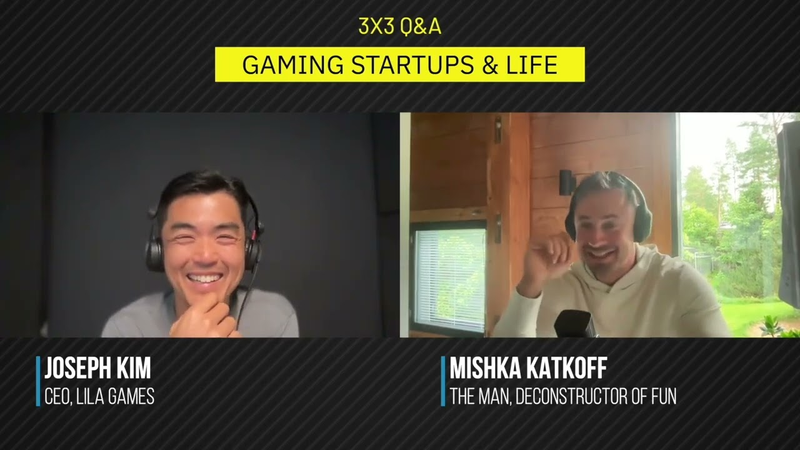
Game Startups & Life | 3x3 ft. Mishka Katkoff at Deconstructor of Fun
Building a successful game startup requires a fundamental shift in focus from product-centric development to organizational health and team cohesion.
- Internal interpersonal friction and poor communication, rather than a lack of market fit, are the primary drivers of game startup failure.
- Sustainable studio success relies on prioritizing organizational health and team cohesion over a singular focus on product development.
- Founders must treat talent acquisition as a core value-creation activity, prioritizing the recruitment of adaptable generalists to navigate volatile market shifts.
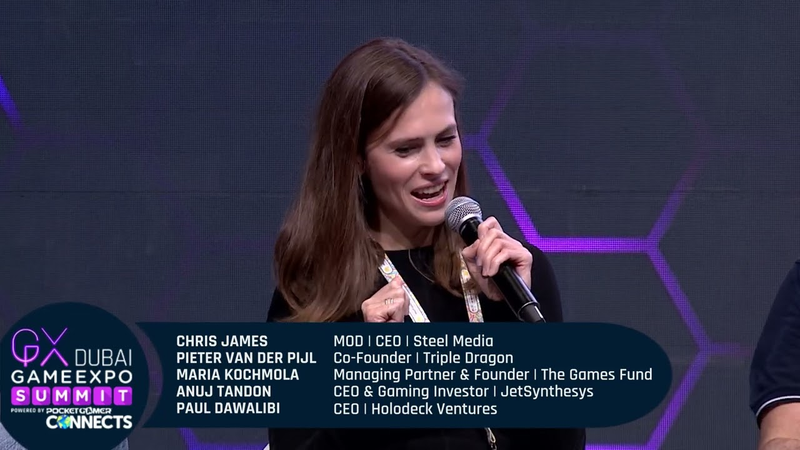
Panel: Consolidation in Gaming: The Impacts & Implications of Mergers & Acquisitions in the Industry
The gaming industry is currently undergoing a strategic recalibration, moving away from the speculative fervor of 2020 and 2021 toward a more disciplined era of consolidation.
- The gaming industry has shifted from the speculative growth model of 2020–2021 toward a disciplined focus on operational efficiency, long-term sustainability, and the acquisition of enduring intellectual property.
- Investors are prioritizing cash runway and burn rates over raw revenue metrics, leading to more rigorous due diligence and extended timelines for closing M&A deals.
- Privacy-related tracking restrictions have created significant headwinds for mobile gaming, driving a strategic pivot toward the perceived stability of PC and console platforms.
Microsoft Unblocked / FF16 Sales / Classic Game Archive Issues
The gaming industry is currently navigating a period of significant structural transition, marked by the consolidation of major publishers and the ongoing evolution of digital distribution models.
- The judicial clearance of Microsoft’s acquisition of Activision Blizzard is expected to trigger a new wave of large-scale industry consolidation.
- 87% of classic games released before 2010 are currently commercially unavailable, driven by poor internal asset management and the technical barriers of live-service infrastructure.
- Subscription services like Xbox Game Pass risk capping financial upside and altering game design incentives, likely pushing the industry toward a hybrid model of subscription and traditional retail.
What If? Game Company M&A Scenarios | Pixels & Profits #5
The current landscape of game industry mergers and acquisitions is defined by a cautious evaluation of high-profile targets and the lingering influence of regulatory scrutiny following the Microsoft-Activision deal.
- Large-cap technology firms remain the primary viable suitors for major publishers, as media conglomerates have proven unable to effectively manage the complexities of game development.
- Take-Two Interactive is considered a highly attractive, cash-generative acquisition target due to its high-value intellectual property and the anticipated commercial impact of the next Grand Theft Auto release.
- Ubisoft’s potential for acquisition is severely hampered by bureaucratic inefficiencies, poor revenue-per-employee metrics, and a restrictive ownership structure involving the Guillemot family and Tencent.
Niantic Layoffs / Square Enix’s Future / FTC Lawsuit Revelations
The global gaming industry is currently navigating a period of intense structural realignment, characterized by aggressive consolidation, technological pivots, and significant regulatory scrutiny.
- The FTC’s challenge to Microsoft’s acquisition of Activision Blizzard threatens the long-term viability of the Game Pass strategy, which depends on consistent IP acquisition to compete with Sony and Nintendo.
- Niantic has implemented a 25% workforce reduction and closed its Los Angeles office, signaling a cooling of market expectations for mainstream consumer augmented reality adoption.
- Square Enix is facing declining profitability and long production cycles, leading to pressure to refocus on core franchises like Final Fantasy and divest from speculative blockchain investments.