Match 3 reports and market data
Documents
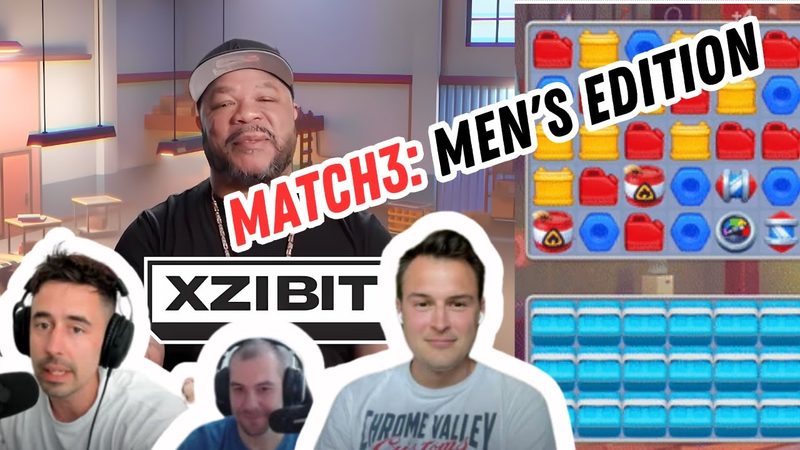
Chrome Valley Customs Live review: How to decrease CPI in Match3 genre? The Success of Xzibit in UA!
Chrome Valley Customs disrupts the traditional match-three landscape by successfully pivoting toward a predominantly male demographic, moving away from the genre’s historically female-centric market.
- Chrome Valley Customs successfully differentiates in the female-dominated match-three genre by targeting a male audience with a car restoration theme, resulting in a US player base that is 41% male.
- The integration of Xzibit from the TV show 'Pimp My Ride' as a brand ambassador was validated through market research and initial Cameo tests, proving highly effective at resonating with the target demographic.
- The development team utilized Facebook static ads and surveys to test marketability and player expectations, which directly informed the game's core concept and appeal.
Triple Tile vs. Triple Match 3D showdown! In-depth UA, creatives, Admon, Game design review (#65)
The tile-matching puzzle genre has evolved into a highly lucrative sector defined by two distinct monetization philosophies: pure ad-driven revenue and hybrid in-app purchase models.
- Triple Match 3D generates approximately $14 million in monthly revenue, significantly outperforming the original Triple Tile, which has seen its revenue decline from a $7 million monthly peak in early 2022 to roughly $2.5 million.
- Triple Tile exhibits a distinct platform split with 87% of its downloads and revenue originating from Android, whereas Triple Match 3D maintains a 60% iOS and 40% Android revenue distribution.
- Triple Tile demonstrates strong early retention with 50% Day 1 retention on Google Play, though it tapers to 24% by Day 7 and 10% by Day 30.
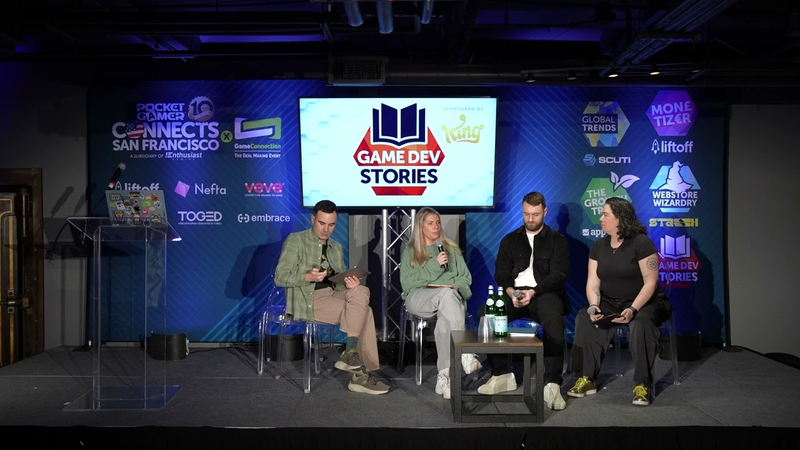
Panel: A Decade of Farm Heroes Saga: Reflecting on the Evolution, Impact, & Future...
Farm Heroes Saga maintains its position as a cornerstone of the mobile gaming industry by prioritizing a player-centric development philosophy that balances rigorous quantitative analysis with direct community engagement.
- Farm Heroes Saga became the first UK-developed mobile game to reach $1 billion in lifetime revenue in 2017.
- The development team prioritizes 'outcomes' over 'output,' focusing on player motivations and desired emotional experiences rather than simply increasing feature volume.
- Data-driven decision-making serves as the backbone of the design process, utilizing hypotheses based on metrics like daily active users, game rounds, and event funnels to guide pre-production and post-production.
How Candivore’s Match Masters Innovates in Match 3
Match Masters represents a strategic evolution of the traditional match-three genre by integrating competitive player-versus-player mechanics into a space historically dominated by single-player experiences.
- Candivore transformed the traditional match-three genre by replacing linear, single-player progression with a competitive, trophy-based PvP model inspired by Clash Royale.
- The studio maintains high operational agility and rapid feature deployment by keeping its total workforce under 70 employees, avoiding the bureaucratic inefficiencies of larger competitors.
- The company secured a $100 million investment to fuel aggressive user acquisition, treating marketing spend as a long-term capital asset rather than a short-term expense.
Narrative Breadcrumbs: Guiding the Player Experience with Live Events
The integration of narrative into live-service mobile games serves as a powerful tool for increasing player engagement, retention, and monetization.
- Integrate narrative as a core structural component rather than superficial flavor text to increase player engagement, retention, and monetization in live-service mobile games.
- Utilize a 'breadcrumb' narrative strategy to guide players through an ongoing, evolving journey instead of a static story with a definitive conclusion.
- Apply the 'context, characters, and conflict' framework to embed narrative directly into gameplay mechanics and event structures.

Making a Hit Mobile Match-3 Game | GenJoy's David vs. Goliath Story
The mobile match-3 market remains intensely saturated, requiring smaller studios to adopt highly disciplined, data-centric strategies to compete against industry giants.
- Success in the saturated match-3 market requires validating D1, D7, and D30 retention metrics via minimum viable products and fake store profiles before committing to full-scale production.
- Marketing expenditures for mobile match-3 titles typically dwarf initial development costs, necessitating a shift in resource allocation toward aggressive user acquisition.
- Smaller studios can compete with industry giants by utilizing lean, flat organizational structures that enable rapid decision-making and agile pivots based on real-time user data.
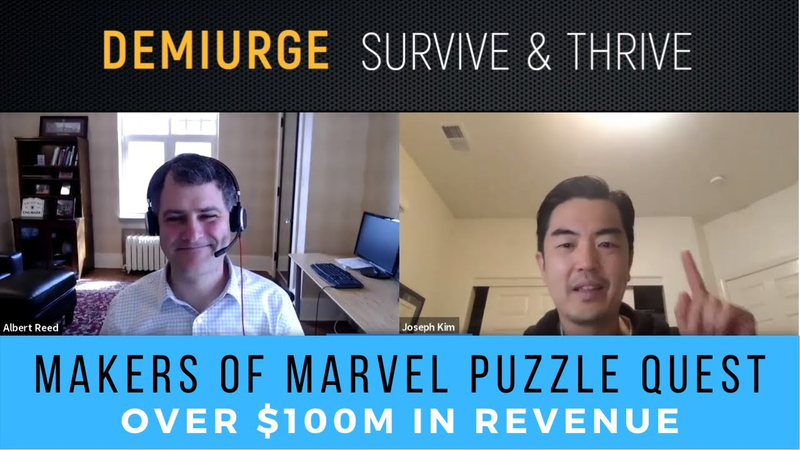
Surviving & Thriving in Games with Demiurge | Marvel Puzzle Quest ($100M+ in Revenue)
Demiurge Studios demonstrates that a successful transition from a work-for-hire service provider to a proprietary mobile developer requires an experimental culture and early investment in emerging platforms.
- Demiurge Studios achieved over $100 million in revenue with Marvel Puzzle Quest by successfully localizing Japanese card-battler mechanics for Western mobile audiences.
- The studio’s transition from a work-for-hire provider to a proprietary developer and its subsequent acquisition by SEGA in 2016 were driven by early investment in emerging platforms and scalable live operations.
- Long-term organizational resilience is achieved by prioritizing a talent-first recruitment philosophy and maintaining rigorous financial discipline to mitigate industry volatility.
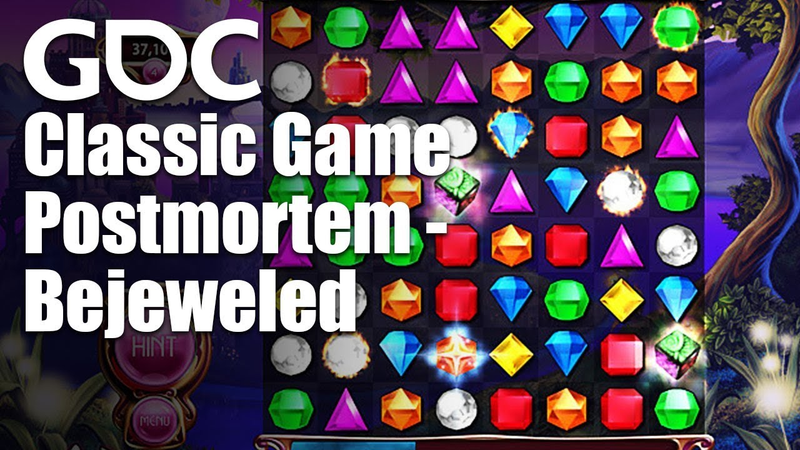
Classic Game Postmortem - Bejeweled
Bejeweled stands as a foundational pillar of the casual gaming industry, having evolved from a modest web-based experiment into a global phenomenon with over 500 million players and 7 billion hours of engagement.
- The original Bejeweled, initially titled Diamond Mine, was developed in under a month and was one of the last games small enough (1.4 MB) to be distributed on floppy disks.
- The game's most iconic feature, the untimed mode, was an accidental discovery; developers added a timer to make it a 'real' arcade game but included an untimed tutorial level that players preferred and played exclusively.
- PopCap initially failed to sell the game to publishers for a flat fee, eventually leasing it to Microsoft for $1,500 per month, which led to the name change from Diamond Mine to Bejeweled.
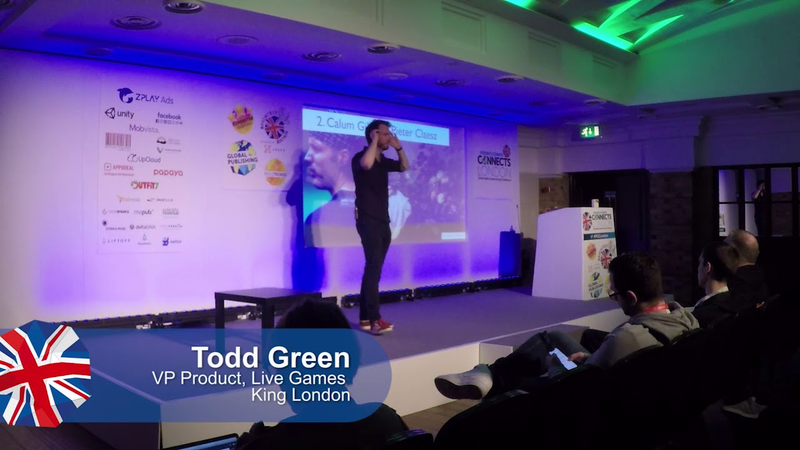
Candy Crush Saga and longevity and innovation
The modern gaming industry is undergoing a fundamental shift from a model defined by fixed, boxed product releases to one centered on long-term, living services.
- The gaming industry has shifted from a model of fixed, boxed product releases to a focus on long-term, living services where the majority of commercial activity occurs in established titles.
- Successful management of live-service games requires a shift in organizational philosophy from a 'movie director' focused on a single launch date to a 'television showrunner' managing a multi-season narrative.
- Studios must prioritize institutional knowledge over short-term 'rockstar' specialists by adopting collaborative models that emphasize mentorship and continuous internal expertise development.

FTUE: Futurama: Game of Drones
Futurama: Game of Drones, developed by Wooga, represents a strategic attempt to adapt a cult-classic animated intellectual property into the saturated mobile match-puzzle genre.
- Wooga differentiates Futurama: Game of Drones from the saturated match-three market by utilizing a core match-four puzzle mechanic.
- The game integrates the Futurama intellectual property by aligning progression and objectives with the show's intergalactic delivery company narrative.
- The user experience features a highly guided tutorial that introduces specialized power-ups, including line-clearing and bomb-drones.

Rovio on balancing luck and skill in Nibblers
The development of the mobile match-3 title Nibblers represents a strategic shift for Rovio, prioritizing the creation of a new intellectual property over leveraging the established Angry Birds brand.
- Rovio developed Nibblers as a strategic move to establish a new intellectual property outside of the Angry Birds franchise, targeting a female demographic aged 25 and older.
- The core design challenge involved integrating characters as active board participants rather than static UI elements, a process that required the creation of over 20 distinct prototypes.
- The development team prioritized a calibrated balance between luck and skill to ensure the gameplay loop remained fair and engaging for a casual audience.

Biz Daily: A Candy Crush Saga gap in King's profits
King’s financial performance for the second quarter of 2015 reflects a period of transition as its flagship Candy Crush Saga franchise enters a mature phase.
- King experienced a significant Q2 2015 downturn, with revenue falling 14% to $490 million and profits dropping 27% to $164 million compared to the previous quarter.
- The primary driver of the financial decline is the maturation and slowing momentum of the flagship Candy Crush franchise, which new releases like Candy Crush Soda Saga failed to fully offset.
- Despite the quarterly dip, King maintains a strong financial position with $800 million in cash reserves and derives 80% of its total revenue from mobile platforms.