Game Development reports and market data
Documents
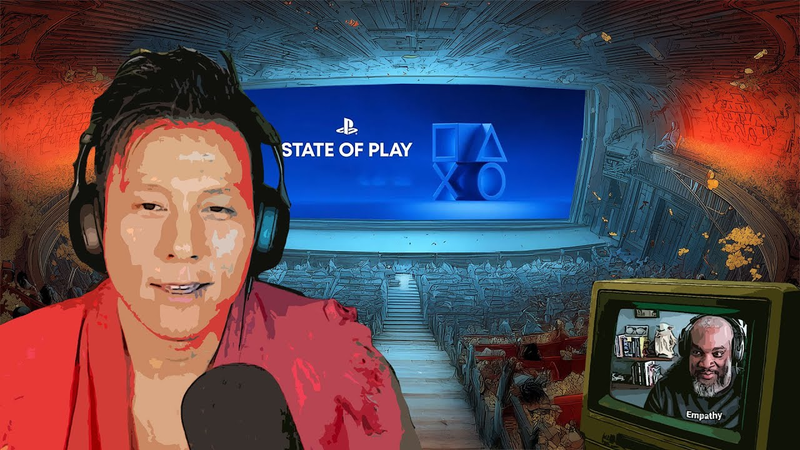
EA Goes Private and Playstation State of Play Review | Roundtable News | 369
The gaming industry is undergoing a fundamental structural transformation characterized by a shift toward private equity ownership and a retreat from experimental development.
- The potential acquisition of EA by a consortium including Saudi Arabia's Public Investment Fund, Silver Lake, and Affinity Partners is valued at approximately $55 billion.
- The gaming industry is experiencing a significant shift in development talent and cost efficiency, with Asian developers increasingly producing high-quality, competitive titles that challenge the dominance of Western studios.
- Major publishers like EA are facing intense scrutiny regarding their lack of recent hit titles and the ongoing impact of widespread industry layoffs on their workforce stability.

What Sells on Steam: You Don't Need a Hook
Successful indie game development on Steam does not require a unique gameplay hook—a specific mechanic designed to differentiate a title—but rather a focus on compelling player experiences and market appeal.
- Commercial success on Steam is driven by the player's desired experience and fantasy, rather than a unique gameplay mechanic or 'hook'.
- Developers should prioritize solving for 'appeal'—the visual or conceptual urge that makes a player want to engage with the game before they have even played it.
- Successful game development strategies include iterating on proven formulas (like Thronefall), finding market gaps (like Islanders), or translating successful media tropes into a game environment.
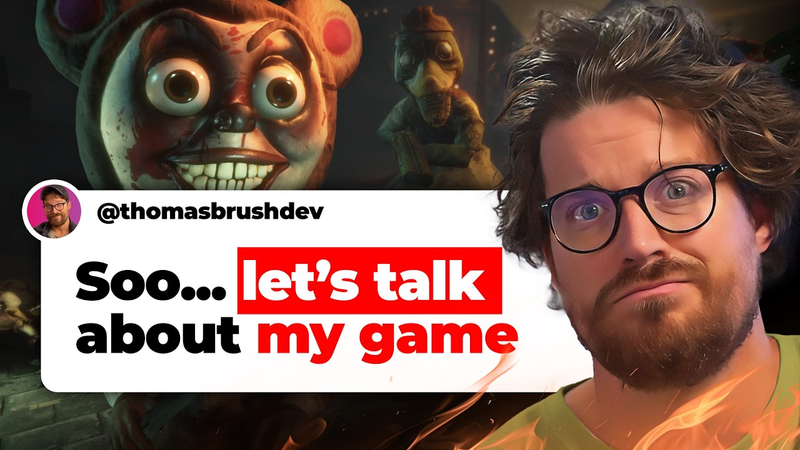
After 4 Years, We Need To Talk About Twisted Tower
The four-year development cycle of the horror title Twisted Tower serves as a case study in iterative refinement and the necessity of overcoming the sunk cost fallacy through strategic pivots.
- The four-year development cycle of Twisted Tower demonstrates that pivoting from a broad, self-directed vision to a focused, genre-aligned experience is essential for achieving commercial viability.
- Technical performance was significantly improved by replacing default real-time shadows with a minimal lighting setup, which simultaneously enhanced the game's horror aesthetic and ensured compatibility with hardware like the Steam Deck.
- Development shifted from melodic compositions to atonal, layered soundscapes to better manipulate player tension and improve atmospheric cohesion.
AI and Human Dignity
The integration of artificial intelligence into game development must be strictly governed by ethical considerations, specifically the preservation of human dignity and the protection of intellectual property.
- The developer prioritizes ethical AI integration, limiting its use to administrative tasks like meeting summarization to avoid potential copyright, authorship, and human rights violations inherent in current data-scraping models.
- Performance optimization is a core design philosophy for the project, with the team actively considering bypassing the Unreal Engine 5 (UE5) renderer in favor of a simpler, more lightweight solution to avoid excessive hardware requirements.
- The project emphasizes manual craftsmanship over automated tooling, with 100% of the level design currently being built by hand rather than relying on procedural generation or AI-assisted workflows.

The Frustration of Bad Level Design in Modern Games
Modern game design faces a critical challenge regarding spatial clarity and player experience.
- Modern game design suffers from poor level layouts that force players to manage too many sightlines simultaneously, leading to frustrating combat experiences.
- The developers of 'Project Rail' are targeting a 2026 release for their free demo, with current development focused on core combat, atmosphere, gore systems, and destruction mechanics.
- The 'Project Rail' team plans to launch a Steam page this year to begin gathering wishlists and building community momentum.
Mind-Blowing Recognition from Wolfenstein Art Director!
The development of a new game project often begins with a period of creative chaos, characterized by an influx of ambitious ideas and a lack of structural focus.
- The project transitioned from a chaotic, unfocused state to productive development after the two-month mark by implementing structured milestone planning and clear definitions of success.
- Defining a Minimum Viable Product (MVP) and establishing specific 'definition of done' criteria for short-term, two-week iterations were the primary drivers of consistent progress.
- Initial development phases suffered from 'feature creep' and lack of coordination, where team members prioritized individual tasks like destruction systems over core system requirements.
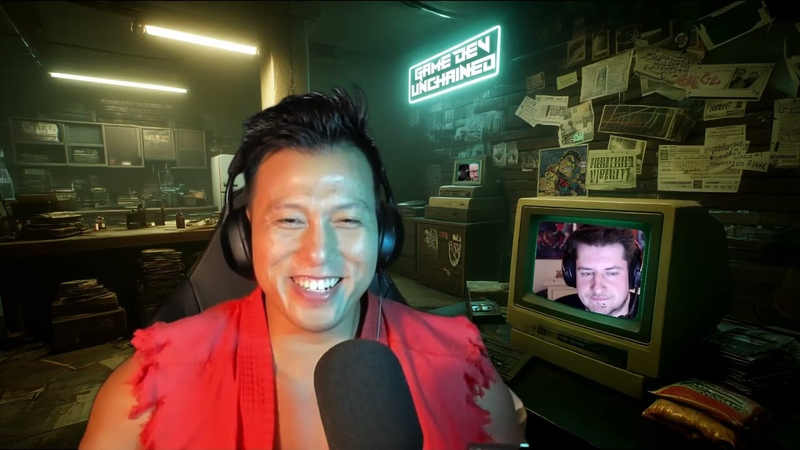
Debunking Crunch Culture: Is Overworking Really Necessary?
The debate surrounding crunch culture in the video game industry highlights a fundamental tension between the necessity of extended working hours to meet project deadlines and the growing movement toward sustainable work-life balance.
- Constant crunch is widely viewed by European developers as a failure of management that erodes trust in leadership and risks high turnover.
- The loss of experienced staff due to burnout results in the loss of critical institutional knowledge and forces companies to repeatedly reinvent internal development pipelines.
- While there is a strong cultural emphasis on work-life balance in regions like Spain, developers remain willing to put in extra hours when necessary to ensure project quality.
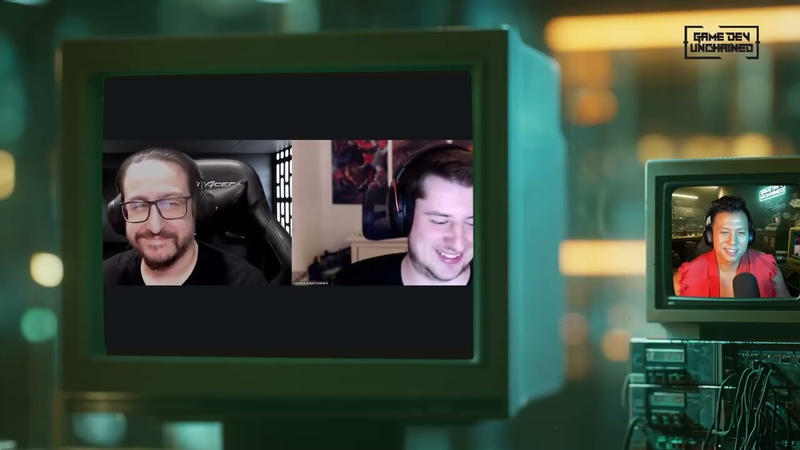
Living the Teenage Dream: Bringing Wolfenstein Back!
The development of a modern project inspired by the classic Wolfenstein franchise serves as a case study in collaborative game design, emphasizing the synergy between artistic vision and technical execution.
- The project originated from a collaborative partnership between an artist and a technical artist who met at a co-development studio around 2019-2020 while working on VR projects.
- The collaboration was solidified by a shared focus on performance optimization, a critical requirement for the high-demand rendering environments of VR development.
- The project's rapid initiation was characterized by a 3.5-hour brainstorming session that immediately resulted in the creation of a Git repository and a formal project setup.
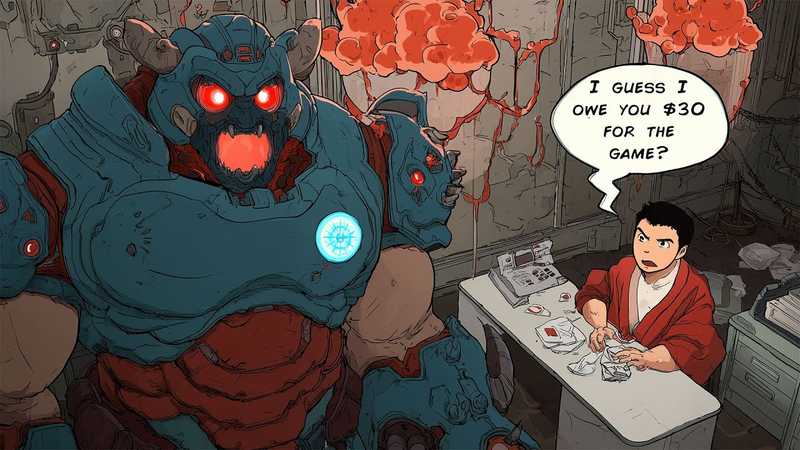
Confession Time: I Owe John Romero $30!
The current landscape of the video game industry is defined by a significant shift toward nostalgia, characterized by a surge in remakes and a growing appreciation for the development methodologies of the 1990s.
- The current game industry is experiencing a 'nostalgia period' characterized by a surge in remakes and a return to retro-style development, driven by a desire for the manageable, two-to-three-year development cycles of the past.
- Modern AAA development is viewed as having undergone an 'overcorrection' that has negatively impacted developer passion and team communication compared to the smaller, more collaborative team structures of the early 1990s.
- Successful side-project development while working full-time requires rigorous time-blocking, with developers often dedicating specific, limited windows (e.g., one to two hours) to tasks to maintain progress.
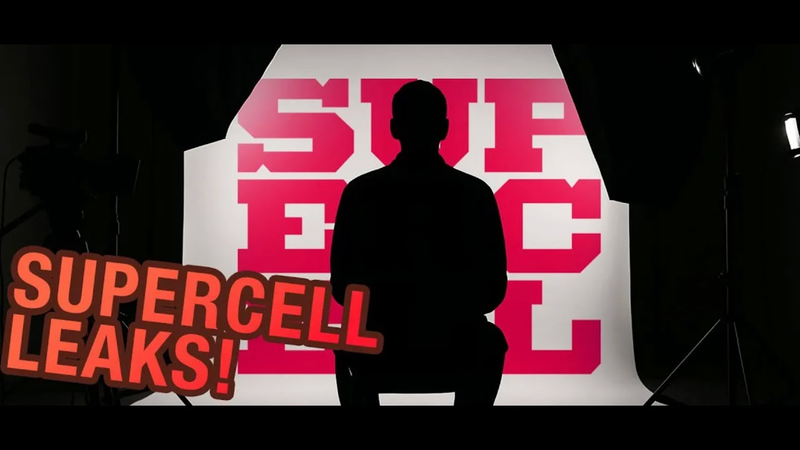
Inside Supercell: Old Guard, Rotating GMs, Sparks, Labs, and Silos.
Supercell faces significant internal and strategic challenges as it navigates a period of organizational transition and pressure to deliver sustainable growth.
- Supercell is currently dependent on legacy franchises like Clash of Clans, Clash Royale, and Brawl Stars to drive revenue, raising concerns about the long-term sustainability of its growth model.
- The company has struggled to launch new successful titles, leading to internal frustration regarding the handling of projects like Squadbusters and Clash Mini.
- Internal operations are hampered by a fragmented culture, geographic silos, and an entrenched old guard that is perceived as resistant to necessary organizational change.

Min-Maxing Your Steam Launch
Steam serves as a critical marketplace where long-term success is dictated by the efficiency of a store page’s conversion rate during the initial 72-hour launch window.
- Success on Steam is driven by the perception of value conveyed through store pages and trailers, as high-quality games can fail if they do not effectively communicate their appeal to the target audience.
- To identify emerging market trends, analyze the number of releases in a specific genre over 1–2 years; a consistent growth rate of 25% to 50% year-over-year indicates a viable momentum for new projects.
- The 'seed audience'—the initial group of players the Steam algorithm tests your game with—is critical for conversion; if the game is recommended to an incompatible audience, poor early sales data can negatively impact the algorithm's long-term visibility.

The Localization Secret 90% of Game Devs Get Wrong
Expanding into global markets is a fundamental growth strategy for game developers, as English speakers represent only 18 percent of the global population.
- Only 18% of the global population speaks English, meaning English-only games ignore 80% of the potential player base.
- Localization requires more than just translation; it necessitates regional marketing, customer support, and community management to be effective in new markets.
- Technical preparation is critical, specifically ensuring that game fonts support non-Latin character sets like Japanese or Chinese hieroglyphs to avoid broken text rendering.