Game Development reports and market data
Documents

The 6 game UX roles
The primary purpose of this analysis is to clarify the multifaceted nature of user experience (UX) roles within the game development industry.
- Effective UX requires evidence-based iteration through active user testing; without this, design remains purely aesthetic rather than functional.
- Studios should distinguish between six specific UX disciplines—User Researcher, Information Architect, UX Designer, Interaction Designer, UX Developer, and UI Artist—to avoid the common mistake of conflating UX with UI design.
- The six specialized UX roles can be consolidated into three core functions for most studios: research to understand the player, design to structure the experience, and visual artistry to execute the interface.

More Ways to Use Randomness - What is the Goal of RNG? - Extra Credits
Effective game design requires a nuanced approach to randomness, particularly when balancing the delta—the variance between a card’s potential power and its actual performance.
- The primary goal of incorporating randomness in game design is to prioritize player agency and skill in adapting to variables rather than allowing luck to determine the outcome.
- Cards featuring negative random effects must be positioned above the standard power curve to compensate players for the inherent risk involved.
- Negative effects should be integrated as core card characteristics that players can mitigate through strategic board management, rather than functioning as arbitrary punishments.
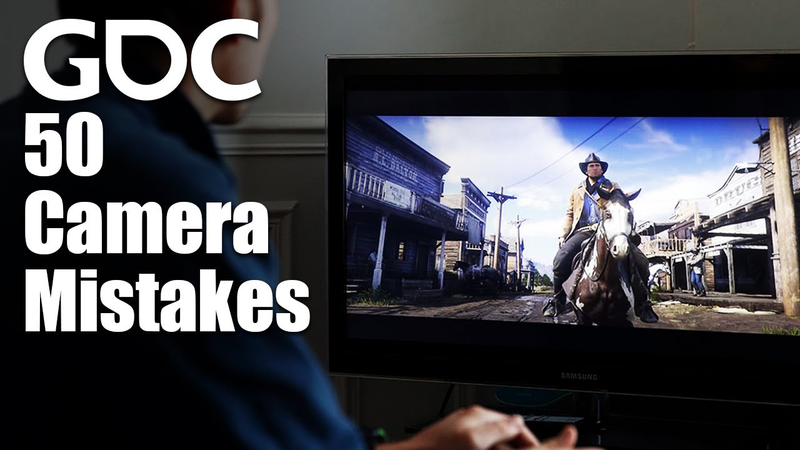
50 Game Camera Mistakes
Effective camera design in third-person and 3D gaming environments centers on the delicate balance between player agency and automated environmental navigation.
- Prioritize manual design iterations and diverse playtesting over automated constraint solvers to ensure a predictable and intuitive camera experience.
- Implement intelligent collision detection, such as sphere-based checks and ray casting, to maintain a clear line of sight and prevent visual clipping in complex environments.
- Mitigate simulation sickness by providing robust user customization, including inverted controls, adjustable fields of view, and the option to disable motion effects like screen shake or camera bobbing.
Game Developer Index 2015: Sweden
The Swedish game industry serves as a primary engine of national economic growth, characterized by a consistent compound annual growth rate of nearly 40% since 2006.
- The Swedish game industry achieved a turnover of €930 million by 2015, driven by a consistent compound annual growth rate of nearly 40% since 2006.
- The sector is almost entirely export-oriented, with 99% of its total earnings generated from international markets.
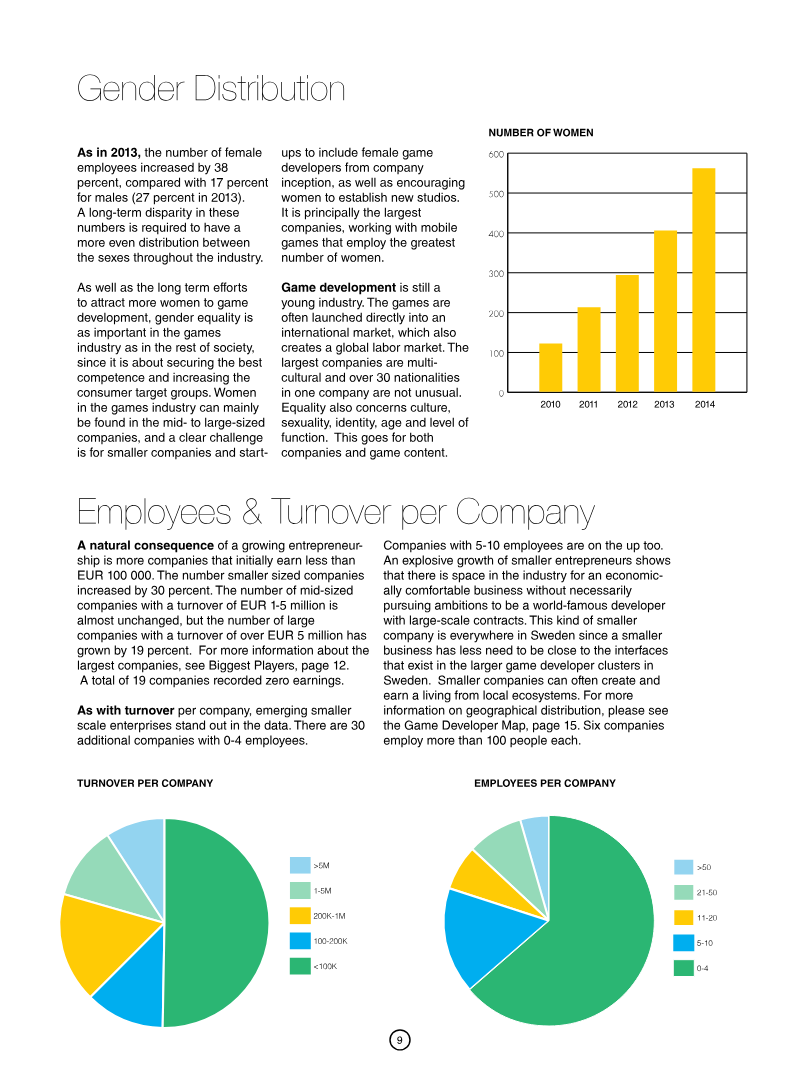
- By 2015, the industry supported over 200 active companies and employed more than 3,100 full-time staff, with female workforce participation increasing by 38%.

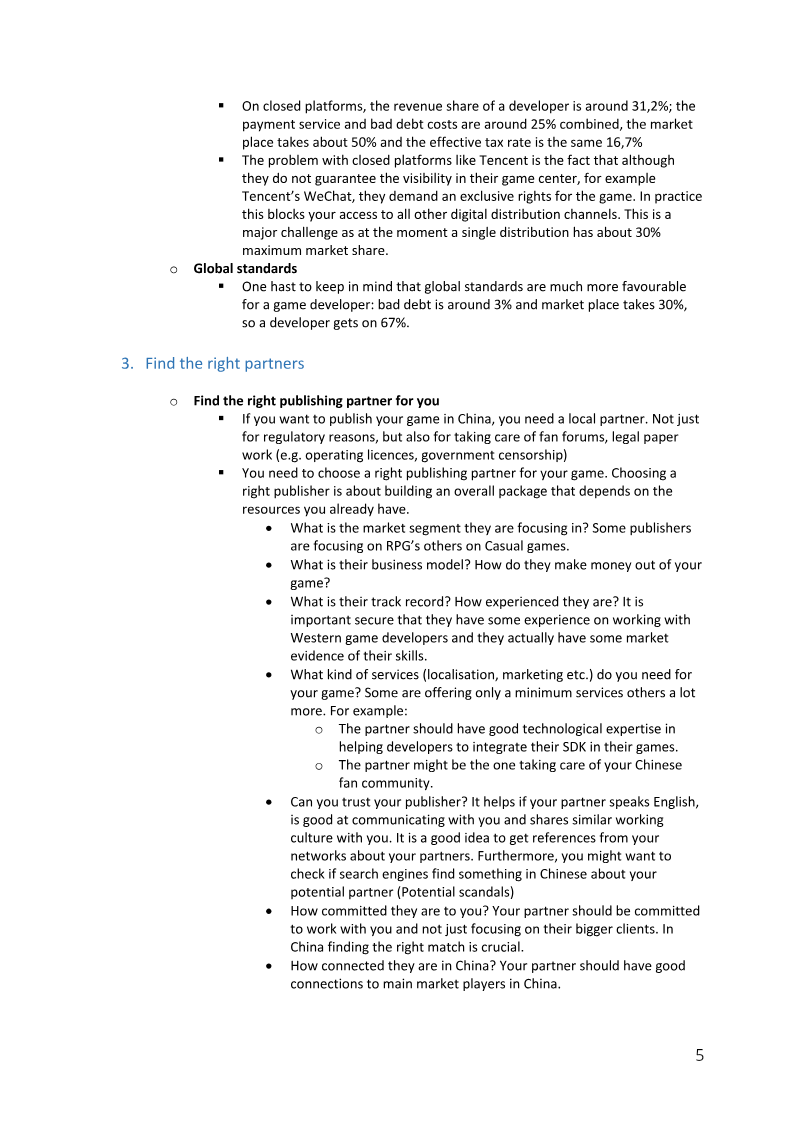
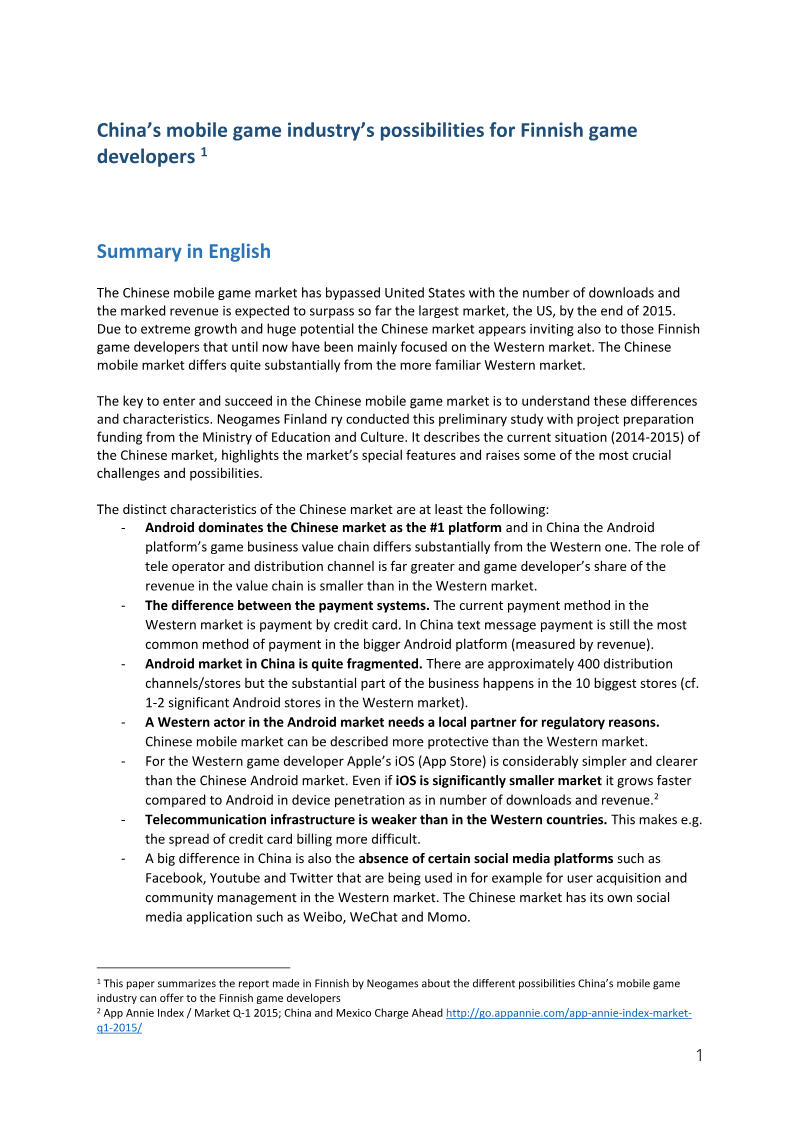
China's Mobile Game Industry's Possibilities for Finnish Game Developers
The Chinese mobile game market represents a significant growth opportunity for Finnish developers, having surpassed the United States in total downloads and approaching it in revenue.
- The Chinese mobile game market is a high-priority target that has surpassed the U.S. in total downloads and is approaching parity in total revenue.
- Market entry requires a local partner to navigate strict government censorship, licensing requirements, and the technical integration of disparate software development kits.
- The Android ecosystem is highly fragmented, necessitating distribution across approximately 400 different channels rather than a centralized store model.
Hearthstone: 10 Bits Of Design Wisdom
The development of Hearthstone centers on the philosophy that accessibility and emotional resonance are the primary drivers of long-term player engagement.
- Prioritize removing complexity over removing depth; if a simplification reduces strategic depth, introduce new mechanics to restore it, such as the addition of Hero Powers to compensate for simplified card interactions.
- Utilize paper prototyping early in development to iterate on design concepts cheaply before committing to full-team production or engineering resources.
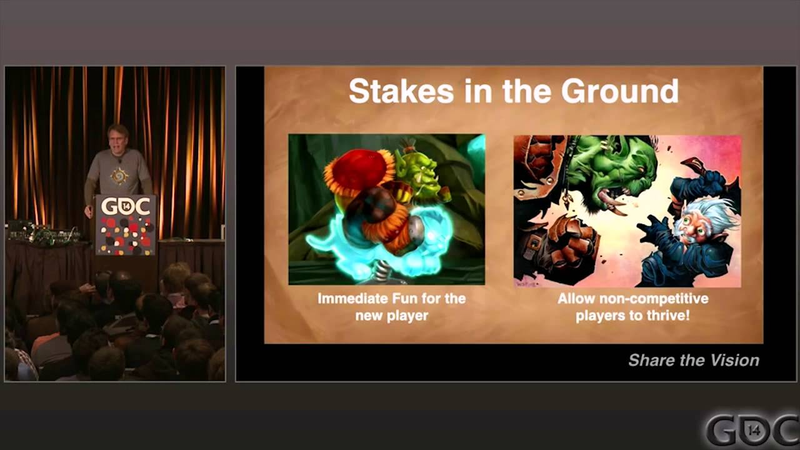
- Establish 'stakes in the ground'—a set of core design principles—early in development to ensure all team members, including artists and engineers, make consistent design decisions.
The Delta of Randomness - Can You Balance for RNG? - Extra Credits
Randomness in game design serves three primary functions: generating excitement, providing weaker players with a chance to succeed, and forcing players to adapt to shifting circumstances.
- The 'Delta of Randomness' represents the variance between an element's baseline power and its potential impact when a random effect is triggered.
- Designers must balance the delta to ensure random outcomes function as tactical opportunities rather than arbitrary disruptions that undermine player agency.
- Mechanics with random effects must offer an upside above the power curve to remain viable, but excessive potential upside forces the base version to be tuned significantly below the curve.
How Cameras in Side-Scrollers Work
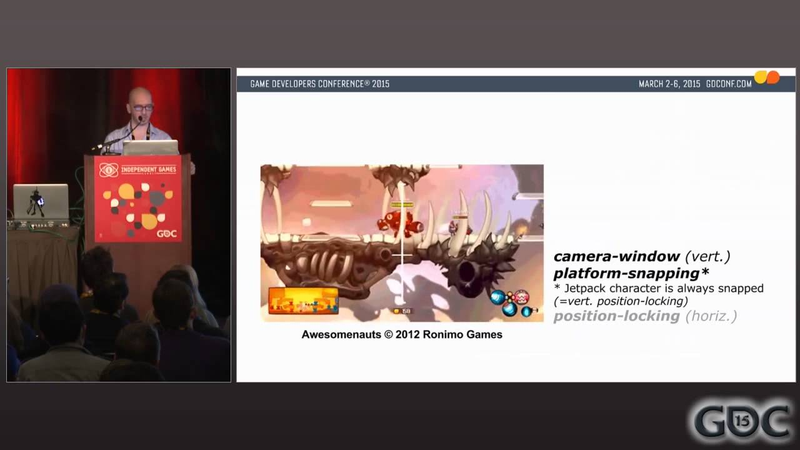
Camera systems in 2D side-scrollers function as a critical bridge between mechanical input and human visual perception.
- Camera systems function as a critical bridge between mechanical input and human perception, using techniques like linear interpolation and speed-up push zones to prevent motion sickness and jarring transitions.
- Foundational navigation relies on position locking and the camera window method, which allow characters to move within defined zones before the frame shifts.
- Modern camera design utilizes dual-anchor systems and projected focus to anticipate player movement based on velocity and input, creating a more responsive, cinematic experience.

How not to unbox an Apple TV
The Apple TV hardware experience emphasizes a premium, highly curated unboxing process that prioritizes tactile satisfaction and user guidance.
- Apple TV prioritizes a premium unboxing experience through deliberate tactile design and user-friendly features like clearly marked removal tabs for protective films.
- The device is engineered for a high-quality, substantial build that is intended to differentiate it from competitors such as the Nexus Player.
- The remote control utilizes a hybrid design with a matte-finish touchpad and integrates Siri to shift the primary user interaction toward voice-activated content discovery.
The Art & Inspiration of Dragon Age: Inquisition
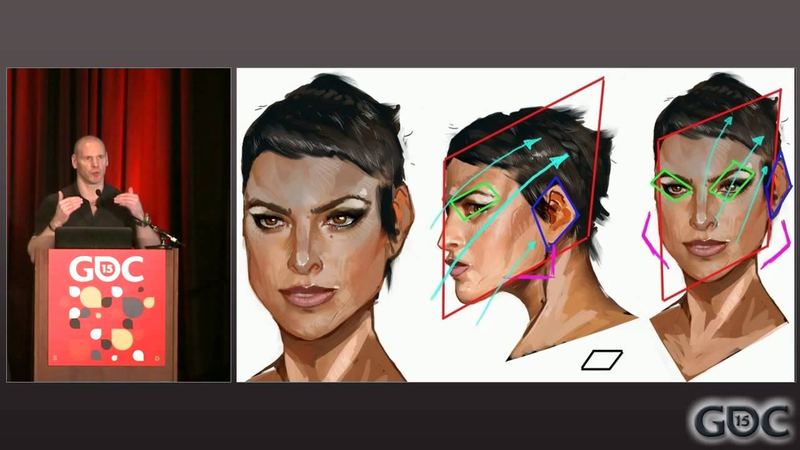
The art direction of Dragon Age: Inquisition centers on the core thematic premise that magic is a corrupting, dangerous force.
- The art direction for Dragon Age: Inquisition was heavily influenced by Northern Renaissance masters like Hans Holbein the Younger, focusing on realistic material representation—such as the texture of fur and skin—rather than pure photorealism.
- To maintain a cohesive visual identity, the team used character design to reflect personality, such as using sharp, angular facial features to convey Cassandra’s spiky, aggressive temperament.
- The development team utilized the Frostbite engine to achieve high-quality surface responses to light, while intentionally choosing to hand-craft character models rather than using the photorealistic scanning techniques common in other Frostbite-based titles.

Game Feel: Why Your Death Animation Sucks
Game feel, often described as the intangible quality that makes a game satisfying to play, is a critical component of player engagement and feedback.
- Game feel is a functional requirement rather than a cosmetic luxury, as it provides essential feedback that confirms player inputs and signals critical game events.
- Developers should integrate feedback mechanisms throughout the entire development cycle instead of relegating them to a final-stage polish phase.
- Effective game feel relies on a layered approach that combines visual polish—such as particle effects, screen shake, and chromatic aberration—with responsive sound design.
Future Proofing Your Design - Looking at Hearthstone and Planning Ahead - Extra Credits
Modern game development requires a strategic approach to long-term design, as titles—particularly collectible card games and MMOs—are increasingly expected to maintain a five-year lifecycle.
- Modern game titles, particularly MMOs and collectible card games, must be designed to support a minimum five-year lifecycle.
- Designers must proactively flag 'landmine' cards—those with extreme effects or high-variance mechanics—that could become game-breaking if future content mitigates their current drawbacks.
- To prevent power creep, teams should implement mandates requiring specific ratios of weak-to-strong units in future expansions, ensuring the average power level of card pools remains stable.