Game Design reports and market data
Documents
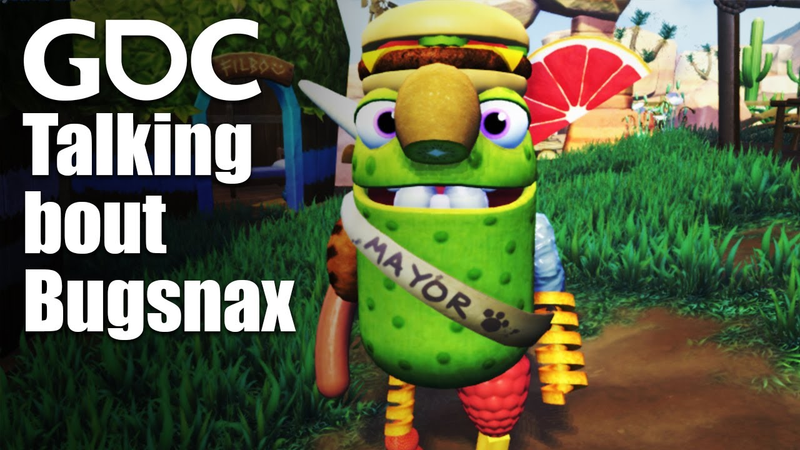
John Murphy, Kevin Zuhn and Adam Saltsman on 'Bugsnax'
The development of Bugsnax represents a deliberate pivot from a systemic, arcade-style prototype toward a character-focused narrative experience.
- The core narrative and mechanical theme of Bugsnax was built on the concept that the creatures are parasitic and harmful, despite the characters' desire to consume them.
- The development team spent the first year of production on a version of the game that was on-rails and featured a strict separation between town-based management and creature hunting, which they ultimately scrapped to allow for free-roaming exploration.
- Young Horses moved away from combat-based mechanics, instead focusing on a systemic approach where the player acts as a journalist and therapist helping Grumpuses resolve personal issues.
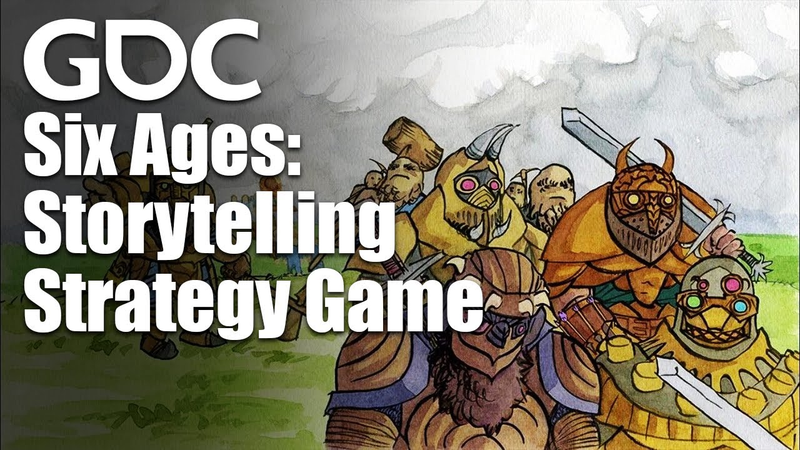
Designing 'Six Ages', a Storytelling Strategy Game
Six Ages: Ride Like the Wind functions as a sophisticated hybrid of strategy and interactive fiction, designed to immerse players in a mythology-driven clan management simulation.
- Six Ages uses a core loop that combines turn-based strategy actions, such as resource management, with emergent narrative events to create a 'strategy book' experience.
- The game utilizes a custom domain-specific language called 'Opal' to manage complex scripting, allowing writers to trigger conditional scenes, long-term story arcs, and time-limited bonuses.
- To maintain immersion, the game employs 135 unique tags to ensure that events and bonuses are context-sensitive, preventing irrelevant information from appearing to the player.
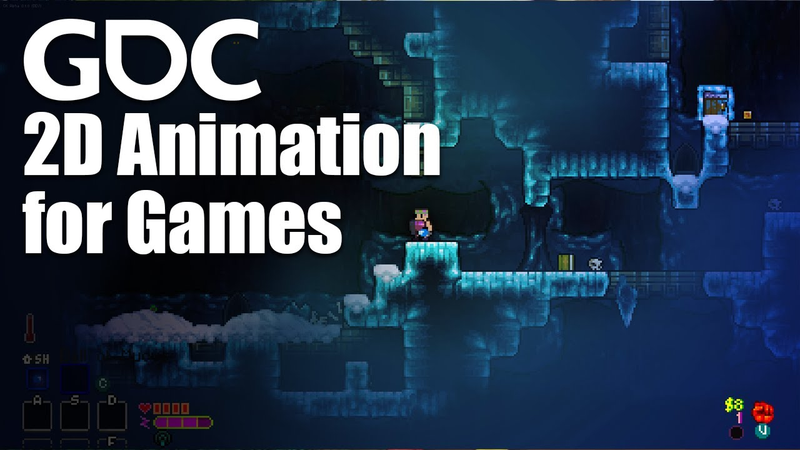
2D Animation for Games: A Primer
Effective 2D game animation functions as a critical bridge between aesthetic expression and technical performance.
- Effective 2D animation must prioritize gameplay readability—such as clearly communicating hitboxes and cooldowns—over purely aesthetic flair to ensure a responsive player experience.
- Animators should prioritize clear poses, strong silhouettes, and purposeful timing rather than high frame counts, which can introduce visual noise and input sluggishness.
- Techniques like squash and stretch, anticipation, and follow-through are essential for conveying character weight and intent while remaining subservient to game logic.

How Games Get Away With MASSIVE Environments
Optimizing performance in massive game environments requires effective rendering management to maintain high frame rates.
- Occlusion culling optimizes performance by preventing the engine from rendering objects that are outside the camera's field of view or obscured by geometry.
- By removing hidden meshes from the renderer, developers significantly reduce the computational load on hardware to maintain stable frame rates.
- In engines like Unity, occlusion culling is implemented by baking the scene to calculate visibility based on camera positioning and environmental barriers.

How to Represent Mental Illness in Games
The gaming industry holds a significant moral responsibility to refine the representation of mental health, given that up to half of the global population will encounter mental health challenges during their lifetimes.
- Media portrayals of mental illness often rely on harmful tropes—such as the 'terrifying' asylum patient or the 'evil' psychotic—which discourage individuals from seeking professional help due to fear of institutionalization or personality-altering medication.
- When writing about mental health, developers should prioritize accuracy by conducting basic research, as even simple fact-checking can prevent the trivialization of complex conditions like OCD or anxiety.
- Accurate representation in games provides a significant benefit by allowing players to identify their own vulnerabilities, which can serve as a powerful tool for self-recognition and validation.

I Made 10,000,000,000 Games! (World Record)
This project explores the feasibility of procedurally generating 10 billion distinct video games within a three-day development window using the Unity engine.
- A developer successfully created a system in Unity capable of generating 10 billion unique, deterministic video games within a three-day development window.
- The system uses a dual-seed numerical input to bypass integer variable limitations, ensuring that each specific seed consistently produces the same physics rules, object behaviors, and visual output.
- Core gameplay parameters—including gravity, mass, collision rules, and scoring conditions—are randomized to create distinct physics-based, high-score-oriented experiences.
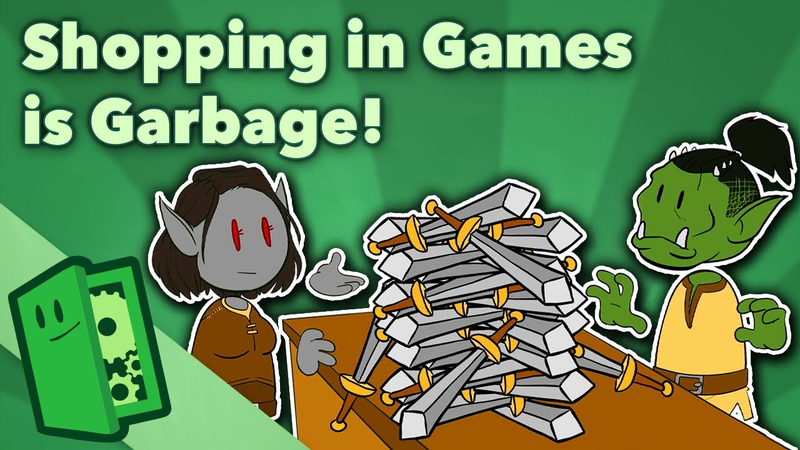
Shopping in Games is Garbage but it doesn't have to be! - Video Game Design - Extra Credits
Haggling mechanics in video games are currently underdeveloped, often functioning as superficial, zero-sum systems that resemble simple volume sliders rather than engaging gameplay.
- Current game haggling mechanics are largely underdeveloped, functioning as superficial, zero-sum systems that prioritize simple price adjustments over meaningful player agency.
- Developers should shift from hard positional bargaining to soft or principled negotiation models to transform store interactions into puzzle-like experiences.
- Titles like Potionomics demonstrate that integrating negotiation cards and social systems creates a multi-dimensional experience where NPC relationship history directly influences transaction outcomes.
Puzzle Game Magic Secrets
Effective puzzle game design centers on the strategic management of human cognition, specifically the limitations of working memory.
- Effective puzzle design requires managing human cognitive load by limiting working memory demands to facilitate a state of flow.
- Designers should act as curators who refine emergent solutions rather than building complex, multi-layered systems that overwhelm the player.
- Successful levels must be built around a single, core 'aha' moment or 'solution sentence' to ensure challenges remain unambiguous.

Making the Believable Horses of 'Red Dead Redemption II'
The development of Red Dead Redemption II prioritized the creation of a grounded, autonomous equine experience by abandoning traditional, rigid animation blend trees in favor of a sophisticated, data-driven locomotion system.
- Rockstar Games replaced manually authored state graphs with an automated locomotion system that extracts root motion and bone movement data to eliminate the need for human-intensive animation blending.
- The team implemented a 'drift' mechanic that uses indirect control, allowing horses to oversteer and skid naturally rather than relying on stiff, discrete turning animations.
- To ensure fluid movement across varying speeds, the developers moved away from fixed-range gait transitions in favor of a continuous control system that synchronizes foot strikes and playback speeds dynamically.
Costume in Games: Integrating a Costume Designer into the Character Pipeline
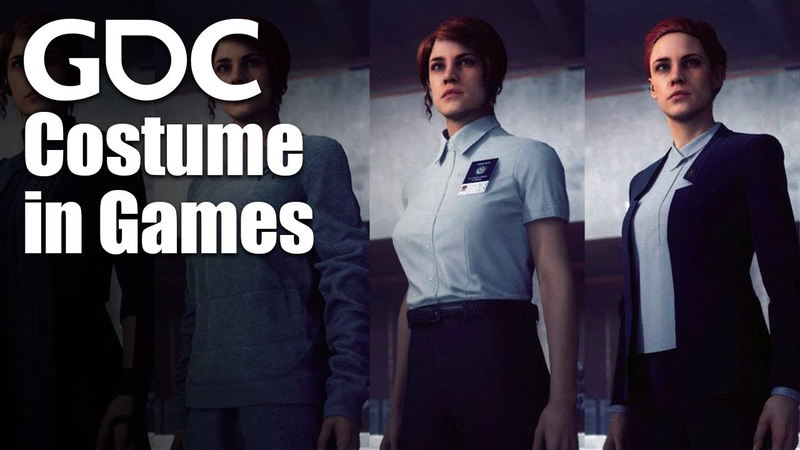
The integration of a professional costume designer into the character art pipeline offers significant benefits for narrative-driven, realistic game development.
- Integrating professional costume designers into the character pipeline enhances narrative depth by treating clothing as a functional storytelling element rather than purely aesthetic digital assets.
- The development of 'Control' demonstrated that pre-production phases for games and live-arts costume design align closely, both relying on script analysis, mood boards, and character bios.
- To bridge the gap between design and technical execution, the 'Control' team utilized physical garment testing and photo shoots to capture realistic motion and textile behavior for digital models.
The MOST IMPORTANT skill for Indie Game Devs
The primary thesis for achieving success as an independent game developer is the cultivation of follow-through, defined as the discipline to complete and release projects regardless of their perceived quality.
- The essential differentiator between a hobbyist and a professional indie developer is the discipline of follow-through, defined as the ability to finalize and release projects regardless of their perceived quality.
- Developers should prioritize shipping small, rudimentary projects on platforms like itch.io to build the mental resilience necessary for larger commercial endeavors.
- Treating game development as a skill to be practiced rather than an identity to be defended reduces the paralyzing pressure that often leads to burnout.
Games as Community Driven Care: A Case Study of Co-design for Aphasia
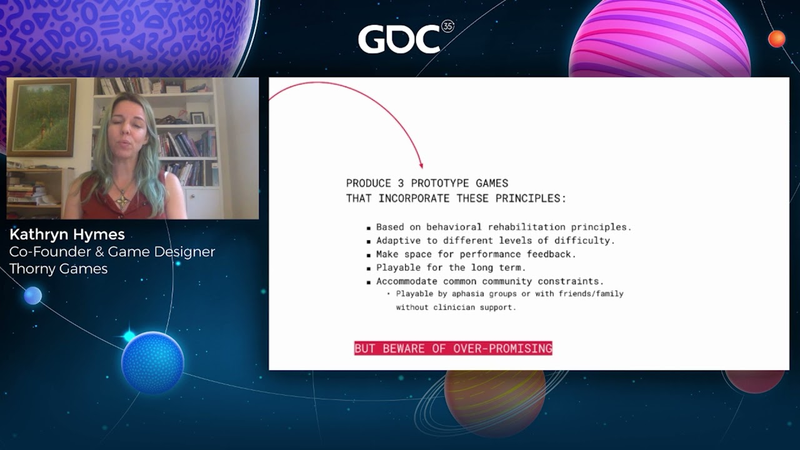
This analysis examines the potential for video games to serve as a community-driven, accessible form of therapeutic care, specifically through a case study of a co-design project for individuals with aphasia.
- Aphasia affects over 2 million people in the United States, yet access to traditional speech-language therapy often drops off significantly after the initial recovery period.
- The 'Aphasia Games for Health' project demonstrated that video games can provide a scalable, cost-effective, and social alternative to clinical therapy by allowing for home-based or group-based rehabilitation.
- The project utilized a year-long co-design methodology, including a three-month intensive phase of remote workshops and iterative playtesting involving speech-language pathologists, game designers, and patients.