Game Design reports and market data
Documents
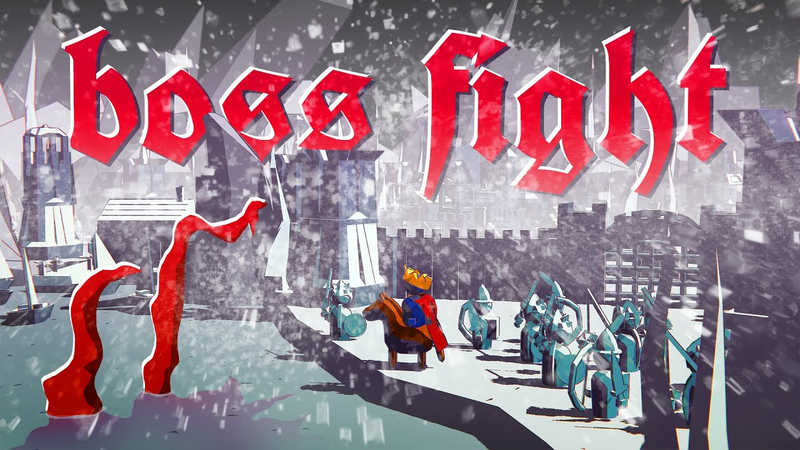
Making an Epic Boss For our Castle Builder Game (Devlog)
The development of the minimalist base defense game Thronefall focuses on expanding player agency and strategic depth through a series of iterative design updates.
- Thronefall transitioned from predefined building paths to a choice-based upgrade system, allowing players to specialize units like spearmen and archers for greater tactical depth.
- Developers replaced passive character scaling with active upgrade choices at the castle center to support diverse playstyles, ranging from aggressive to economic strategies.
- Technical adjustments were implemented to curb gameplay exploits, including the addition of spawn damage to prevent spawn camping and modified unit behavior to stop players from bypassing combat mechanics.
The Hidden Price of Changing a Game
The core thesis of this analysis is that every design change in the gaming industry carries an inherent cost, as users naturally resist deviations from established systems.
- Design changes inherently trigger user resistance, requiring developers to ensure the value of any modification outweighs the friction caused by disrupting established systems.
- Internal studio inertia, driven by the high costs of retraining staff and migrating legacy technology, frequently leads to the perpetuation of technical debt and outdated workflows.
- Developers should demonstrate the value of gameplay changes through immediate, contextual testing opportunities rather than relying on verbal explanations to gain player acceptance.
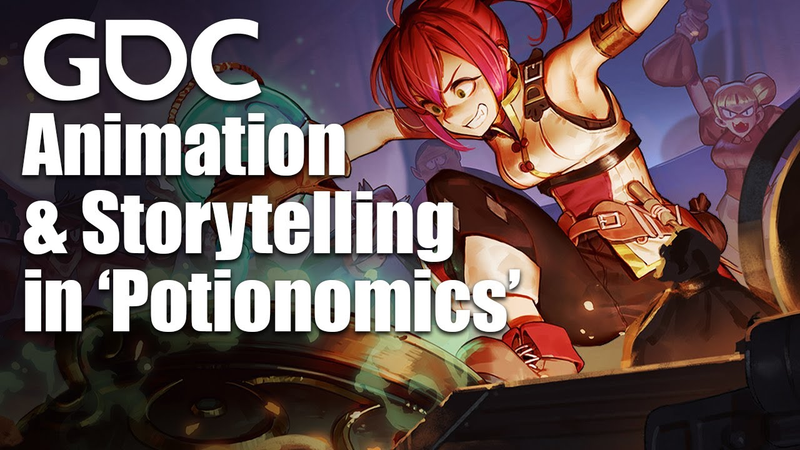
'Potionomics' Animation Show and Tell
The development of Potionomics centers on a philosophy that prioritizes emotional expression and character appeal over the rigid application of traditional animation principles.
- The Potionomics development team produced approximately 3,000 animations for the game, utilizing a workflow that prioritized character appeal and emotional expression over traditional animation principles like squash and stretch.
- To maintain visual quality while managing a high volume of assets, the team implemented a resolution hierarchy where polygon detail and joint density are concentrated in the characters' heads and hands, radiating outward to less expressive body parts.
- The team successfully subverted the traditional 'show vs. tell' design philosophy by focusing on 'showing the telling,' using character body language and emotional exchanges to drive gameplay mechanics rather than relying solely on action-based verbs.

How I Started Making Games with No Experience
The transition from an amateur hobbyist to a full-time independent game developer is driven primarily by the willingness to embrace creative imperfection and overcome social anxiety.
- Prioritizing consistent output over polished perfection is the primary driver for transitioning from an amateur hobbyist to a full-time independent game developer.
- Embracing 'shamelessness' by releasing unrefined work allows developers to bypass the paralysis of self-doubt and gain the practical experience necessary for long-term career sustainability.
- Early, low-quality projects serve as the essential foundation for building technical proficiency in coding, animation, music production, and storytelling.
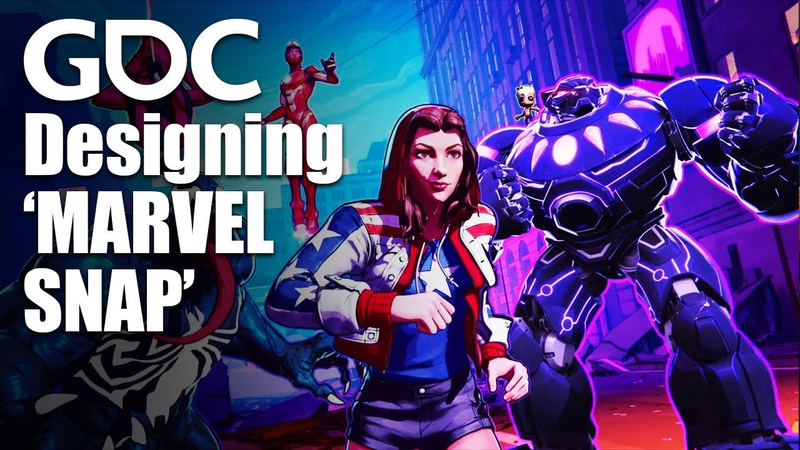
Designing 'MARVEL SNAP'
The design of Marvel Snap centers on the philosophy that true strategic depth is achieved not through complexity, but through the elegant refinement of core mechanics.
- Marvel Snap achieves strategic depth by integrating the high-stakes doubling cube mechanic from poker with unpredictable, location-based board game variables.
- The game design prioritizes accessibility through minimal card text and intuitive, self-descriptive mechanics, ensuring a low barrier to entry while maintaining a high decision-making ceiling.
- To optimize for mobile responsiveness, the development team removed manual targeting and relied on implied mechanics, a process refined over four years of iterative prototyping.

The Dev's Creed: Being Wrong is Essential
The core thesis of professional development in the game industry is that the ability to acknowledge and correct mistakes is a critical skill for both individual growth and project success.
- Normalizing the admission of errors is a critical professional skill that enables teams to pivot faster, avoid entrenched bad ideas, and maintain efficient production schedules.
- Leaders who openly admit their own mistakes foster team respect, dismantle imposter syndrome, and gain better visibility into the specific challenges faced by their staff.
- Junior employees should prioritize transparency regarding mistakes to build trust with leadership and secure necessary mentorship, as hiding errors typically results in greater project disruption.
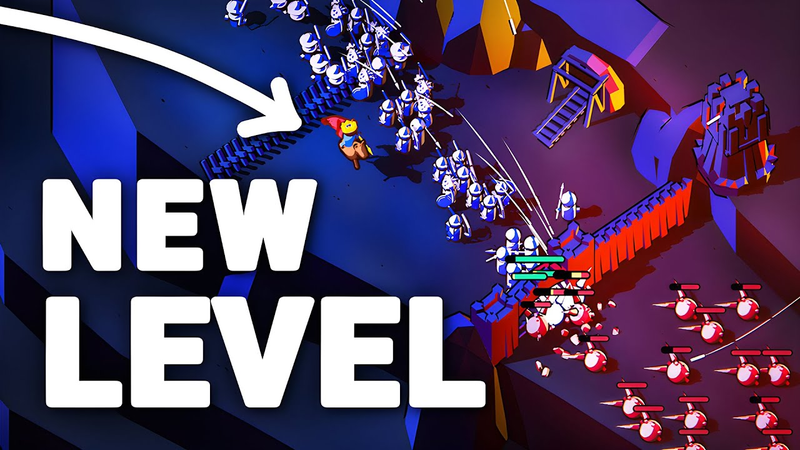
100 Days of Game Dev | Making of Thronefall (Devlog)
The development of Thronefall, a minimalist medieval base defense game, reached its 100-day milestone through an iterative process focused on balancing core mechanics, level design, and player feedback.
- The 100-day development milestone focused on transitioning from a conceptual prototype to a playable build by integrating core systems like save-load functionality, navigation meshes, and tutorials.
- Developers prioritized gameplay clarity by removing ambient elements like wandering villagers, concluding that visual clutter detracted from the core base-building and defense loop.
- The introduction of weapon-specific active abilities and a unit command system was implemented to address combat depth limitations and improve player control over troops.

30 Days To Make A $100,000 Indie Game
The pursuit of a six-figure indie game valuation centers on the strategic transformation of a prototype into a publisher-ready vertical slice within a 30-day timeframe.
- A 30-day development cycle focused on transforming a prototype into a polished vertical slice can successfully secure publisher funding exceeding $100,000.
- The pitch package must include a high-quality trailer, a playable demo, and a recorded playthrough to ensure accessibility and professional presentation for potential partners.
- Marketability is driven by procedural mechanics, such as shuffling room layouts and animated environmental platforms, which increase replayability and player engagement.
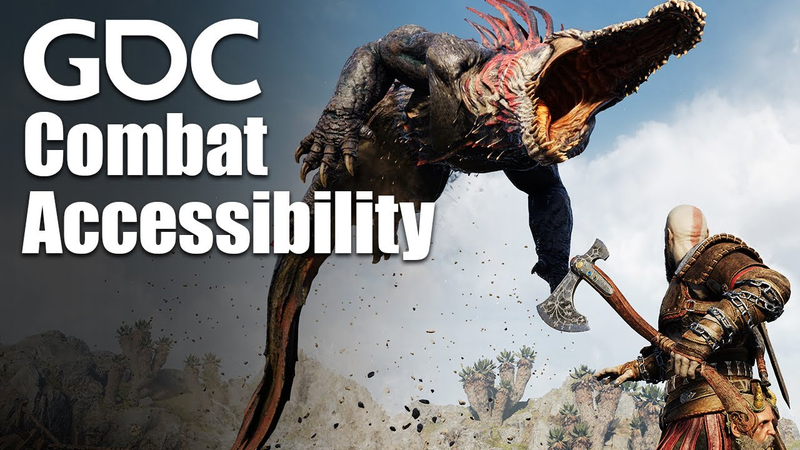
Breaking Barriers: Combat Accessibility in 'God of War Ragnarök'
The development of God of War Ragnarök prioritized the removal of unintentional barriers for players with motor and sensory disabilities, establishing a framework where accessibility features enhance rather than diminish the core combat experience.
- Accessibility features should be implemented by focusing on low-conflict, high-value tasks first, such as expanded control remapping and automating contextual traversal, to build internal confidence and demonstrate player value.
- Designers should avoid building overly specific 'assists' based on assumptions of player intent, opting instead for generic models that allow players to maintain agency, such as sub-target aim flicking that functions regardless of lock-on status.
- Accessibility features can conflict with intended design, such as mini-boss checkpoints that inadvertently trivialize combat; these should be placed in dedicated accessibility menus to ensure they are used by players who truly need them rather than those simply seeking an easier experience.

The Tabletop Renaissance
The tabletop gaming industry is currently experiencing a significant renaissance, driven by a widespread consumer shift away from digital fatigue toward the tangible, social rewards of in-person play.
- Tabletop gaming is experiencing a renaissance driven by a consumer shift away from digital fatigue toward the tangible, social rewards of in-person play.
- Tabletop studios are becoming prime acquisition targets for entertainment conglomerates due to their high-margin, evergreen business models that avoid the costly live-ops infrastructure required by video games.
- The industry prioritizes high-quality physical production and unboxing experiences to create a competitive moat against the ephemeral nature of digital entertainment.

Climate Games: The Developer's Field Guide
The video game industry possesses a unique capacity to address the climate crisis by balancing internal operational sustainability with the external influence of interactive media.
- Developers should integrate climate-conscious messaging directly into core game mechanics and narratives rather than relying on superficial carbon-offsetting initiatives.
- Effective environmental influence requires designing experiences that foster four psychological pillars: actionable knowledge, positive attitudes, self-efficacy, and hope.
- Studios can mitigate their environmental impact by prioritizing graphic sobriety and rigorous technical optimization of game development and distribution.
City Builders Breaking the Mold
Game genres are often defined by player actions rather than emotional resonance, creating a disconnect between player expectations and actual gameplay experiences.
- Reintroducing risk and failure states into city builders transforms the genre from a passive optimization exercise into a high-stakes, emotionally resonant experience.
- Genre labels often create a disconnect between player expectations and design intent, as traditional city builders are typically associated with risk-free growth.
- Games like 'Ixion' demonstrate that city building mechanics can effectively serve as a vehicle for narrative-driven, role-playing experiences.