1 free read left. Create a free account for unlimited reading + AI research.
Create free account
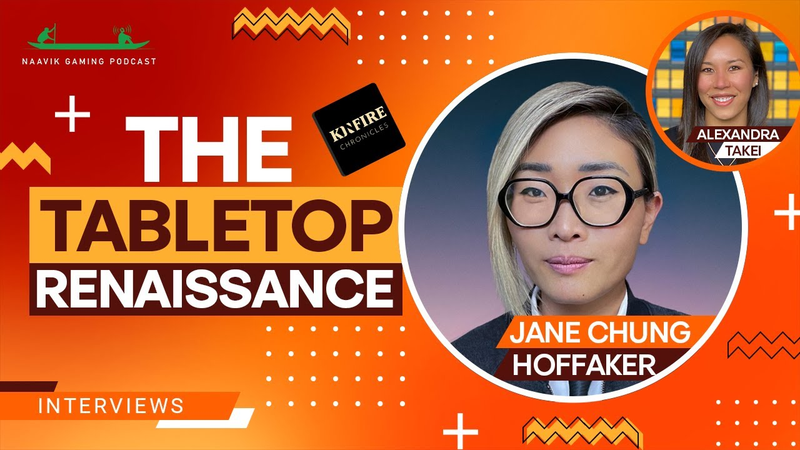
The Tabletop Renaissance
Key insights
6 takeaways- 01The industry prioritizes high-quality physical production and unboxing experiences to create a competitive moat against the ephemeral nature of digital entertainment.
- 02Tabletop platforms are used as incubators for intellectual property, allowing studios to build deep brand loyalty that can eventually be expanded into multi-platform entertainment ecosystems.
- 03Tabletop gaming is experiencing a renaissance driven by a consumer shift away from digital fatigue toward the tangible, social rewards of in-person play.
- 04Tabletop games generate organic growth through player evangelism, which serves as a more effective and sustainable customer acquisition strategy than traditional digital marketing.
- 05Developers are increasing market reach by reducing friction through streamlined rulebooks and faster setup times, making complex intellectual property accessible to broader audiences.
- 06Tabletop studios are becoming prime acquisition targets for entertainment conglomerates due to their high-margin, evergreen business models that avoid the costly live-ops infrastructure required by video games.
Ask AI about this video
Transcript
foreign [Music] gaming podcast where it is our mission to explore the business and future of video games we bring together the industry's brightest Builders investors and thinkers to keep a full sun current events dissect emerging Trends and games share Lessons Learned and have a great time this podcast is also part of novik's growing ecosystem which ranges from free and premium research to Consulting and advisory services for more information visit www.navic.com now let's jump into the episode hello everybody and welcome to the novik gaming podcast I'm your host Alexandra Takei and this is the interview and insight segment today we're taking a sojourn down memory lane to the origination of video games board games tabletop has been experienced a Renaissance of sorts partly spurred by the pandemic mass media shows like Queen's Gambit and of course critical role a TV web series that broadcasts on Twitch and YouTube
starring professional voice actors playing Dungeons and Dragons there have been Financial transactions of note in the board game space in December of 2021 embracer led a strategic acquisition of asmode for 3 billion a lead board gaming group that's responsible for a portfolio of over 970 games many of which you guys in the audience have probably played such as Katan pandemic and exploding kittens there are strategic questions for games that start digital like Wordle and Witcher that have gotten or in the process of getting physical counterparts and so today we're going to be talking about board games the similarities and design to video games business models and distribution strategies and board games and the broader strategy of franchising in AAA in order to do so I've brought on a longtime friend and Mentor Jane Chung hafiker the now current CEO and co-founder of incredible dream and formerly an emmy-winning EVP of League of Legends Arcane series welcome to the Pod Jane hi Alex thanks for having me and um how is the rest of your GDC I know
that we we caught up then and got some lunch and did you uh go to any interesting talks or sort of what was your GDC debrief it was It was kind of weird for me because like I don't think I actually spent much time at the convention itself it was just a lot of meetings outside of it a lot of dinners repeat breakfast and stuff like that um but it was it was just really fun and man the weather was crazy I think like oh my gosh yeah like seeing trees fall on cars and like our building was shaking and rattling like a like ship or something it was crazy it was so bad on the way to my um GDC panel I was walking and my hat blew off my umbrella turned inside out I showed up to the panel with like my hair like all misconstrued um it was a wild weather um just to say the least so uh and also cold very cold and wet and yeah yeah probably the worst weather I've seen at a convention but yeah but a ton of people but there's a lot of great people and a great turnout so um I was my first GDC so I had I had a ton of fun yeah but
you know what was not fun was like you come home and then also and all those like covered like little leaks and notifications it was like we have tested positive for covid um so but I've already had it so I think I stayed protected didn't didn't get it again so at least there was that um but Jane so I know a lot about you and your history and video games but um I was wondering if maybe you could share a summary of your story and and how you came to found incredible Dream Studios yeah awesome thank you uh so yeah I spent uh most of my career was built up in the video game industry um my early early career was actually in finance uh where I was a private Equity analyst uh working in in that field and then early life crisis moved over into video games because it was a gaming in general was always my lifelong passion and I just never thought of doing it when I was younger and so I just had an aha moment went in um worked as an indie game designer for a short bit and then eventually made my
way over to Activision uh where I worked on the Guitar Hero franchise and stuff like that and shipped way too many of them uh eventually the franchise closed down and then I was moved over to Skylanders um and then from Skylanders I just really wanted you know it was it was my moment really to like figure out what I wanted to do and then I I ended up joining a scrappy startup which turned out to be Riot games lucky me um and I was at Riot for like nine years and uh it was a crazy ride like first half of that career was really like building out the global footprint for for League of Legends and Riot games helping building out local offices and you know helping to bring League of Legends to different markets like Korea and turkey turkey and Brazil and then the latter half I got to build up Riot's animation and animated entertainment business uh don't ask me how or why like you know I explained the story and they just like I'm like man people must think I'm insane but like you know that's kind of a gross stage startup right you end up wearing a lot of different hats um but yeah I had that opportunity produced uh Arcane and then around then
was just sort of like you know my moment to Think Through like what I want to do next and just sort of um you know me too is happening in the background and I decided then that I really wanted to start my own game studio um and then you know that kind of kicked off my journey kind of searching like how how do I do this where do I find co-founders what kind of Studio it is and then I ended up meeting my co-founders who are already looking in board games and I thought that was so interesting um and I fell in love with the industry and here I am awesome um so I guess like I'm gonna I mean at least like first ask it sounds like your background is and this is maybe a good segue into sort of what what makes a good board game but it sounds like your background is obviously you said guitar Heroes Skylanders League of Legends those are all pretty like at least in an hour view of the world Triple A PC premium titles what made you starting to get passionate about board games and tabletop coming from the video game digital video game Space yeah I mean
part of this was born out of the pandemic like so many things right like you know I think a year into it I was feeling what everybody else was feeling you know you're kind of marathoning between that 10th cup of coffee and then that that 4 pm glass of wine and you know just sort of like you know it you spends during the pandemic it was a weird moment you I I found myself spending so much time on screens like between endless Zoom calls uh and then like going like trying to relax for my own entertainment all that stuff um you know our family we we ended up gravitating towards uh you know learning and trying DND for the first time and then like going back into our board game collection and even expanding it uh so for me the the key interest was really like hey this is something that's different it's um physical it's you know for me something like in my personal life I've been looking for and kind of fills a unique spot in my life and I see and I just I also felt like from a cultural perspective like as people were hopefully emerging from the pandemic and
lockdowns um I just felt like there was this big demand for meeting back in person right like I don't know if you remember but like back then like there were um just news stories about people just getting arrested uh losing their electricity bill because uh during the lockdowns they would still have House parties and that's how badly people wanted to connect back together again is that they would risk you know breaking the law in order to meet back in person so I felt like there was a real Trend there and um and then you know there were other factors too like the rise in mental health issues especially among jinsiers that like felt like you know I think part of that was driven by living so digitally uh and then last but not least just from like you know putting on the business hat like I do think uh there's fundamentals about the board game industry that really um I thought were interesting from a business perspective in terms of because originally you have to think back I was looking to build my own game studio and naturally I was thinking video games because I was more my bread and butter for the last decade when I saw board games it's so different
it's all physical print uh the you know the the types of hires that you make are slightly different you don't actually need a software engineering team because there's no software really um and so there were a lot of differences like that and distribution fulfillments its own thing but because of these differences like you can actually build um and ship a board game so much faster with and with less Capital because you know building infrastructure and all that stuff is capital and time intensive um which to me because my whole interest is in building and working with these uh big like gaming IPS and extending them uh I saw these as huge advantages for what I was trying to do in terms of I could start incubating fan communities faster right I can get my product out there I could start testing doing product Market fit tests with new IPS faster getting feedback from communities and just hopefully growing from there got it wow that was a great summary of um board games versus video game development actually one of my questions later on was sort of what's easier about board games versus making video games
and what's harder and so you sort of touched on a lot of those points of of different types of uh employee structures time to Market uh Etc and so I think though I want I kind of want to to rewind and talk about you know we a lot of video games start and originate in the paper prototyping phase we learned at Ben's broads GDC talk for example which I attended and was so awesome um Marvel snap spent a solid month's um solid couple months in paper prototype only and now obviously that that's already a natively a TCG and so it's synchronistic with being tabletop in the first place but you know video game designers probably start on paper Prototype all the time I know that we had briefly touched upon this when we've got lunch but what what what's got to happen after you do a paper prototype to turn that formally into a board game because I think in the Video Game World maybe like that would be your starting point whereas in board games you're already on the tabletop no matter what yeah I think that's really insightful
um with with board games what would happen after that sort of initial paper prototyping phase um it like the business models are very different uh which uh overly obvious statement there but um so with board games you're you're dealing with print runs and then you're dealing with uh distribution hopefully retail distribution um and uh you know inventory risk all these things like that physical products have that you don't deal with with digital video games um and you know it's a trade-off right because like uh you know part of part of all this calculus for me too is like I was staring at like Joe tongue raised a bunch for his firm you know and he was in LA hiring slim just started raid base he was in LA hiring and then we're all still competing potentially with Riot and Activision all these other major companies in La for the exact same like software engineering Talent like you know I think when you're doing digital games you have to really think about those things and just sort of that delivery mechanism and your first party
platforms and stuff like that uh for board games um so because you're thinking about a physical product um you know you have to you know I think after you develop the paper prototype it's a lot of testing so play testing um we actually play tested a bunch digitally so we used um a tool called tabletopia initially we use TTS but we tabletop simulator but we moved over to tabletopia so we did a lot of testing digitally which I don't know maybe your listeners might find ironic um but yeah I find it I find it ironic yeah I mean it was also pandemic time so it's like you know trying to get people to meet in person to play test was like not happening um but we did also take the step of like you know printing out a prototype early and then taking it to conventions and then testing in person as well because I will tell you the the amount of adjustments we had to make after taking it physical and testing that user experience out in person um you know it's just invaluable and we've and you kind of refine the physical product in that way uh just
through a ton of user testing feedback and then um after that it's like it's just it's production right you're you're producing the art you're working with the illustration team you're working on the narrative all the same things you would do on a video game but you don't have that step of the software and figuring out the infrastructure and then waiting for the tools engineer to do that one thing so you can do that one change to this particular level right so in many ways you can skip those steps and and Skip to just producing and testing which is great and very freeing and then after that it just becomes a lot of graphic design and product design and like uh you have to think about your product in 3D space what does it look like on a shelf these are these are skill sets that we used to do back in the Guitar Hero day when like you know our games were in shells like Best Buy or GameStop um I mean I'm sure that people still buy games that in those ways but like so much of it has shifted to digital that I don't I feel like most of the industry doesn't think about it anymore but it used to be very common for video games too but um but right now I just you know it's
it's my world because it's physical product but you think about packaging the opening uh box opening experience you think about the retailer relationships that you're building and hobby shops are so much different than your your mass Market or your big box retailers so you think about all those things you a lot of different you're dealing with a lot more Partnerships because there's a lot more people in the the value chain kind of interacting with it so it's just like I found that it like exercised a lot of different muscles that I hadn't done in a long time like ranging from like product design and stuff like that to you know just having to do a lot more more deals and Partnerships in order to get the product out yeah well I mean I totally forgot about the box opening process I mean even um for for card pack opening you think about the magic of opening card packs I guess it's you know I forgot for for board games yeah it's how the Box looks it's how it looks on the Shelf what's alluring when you go into um like you know small board game store on the side of a corner of a street in like San Francisco and you what makes you pick that up versus not pick up
something else um and that's a totally different skill and sounds like from the Guitar Hero days you actually have a ton of experience building something that's more of like a hardware physical component side with married with with the game and so with kinfire Chronicles and incredible Dream Studios um sorry just to rewind confiner Chronicles I believe is your first Co-op board game right how are you guys how did you guys think about designing that board game taking it from tabletop and and to into what it is today and maybe you can give our audience maybe a summary and of exactly what can fire Chronicles is so um campfire Chronicles night's fall is a Cooperative campaign game designed for one to four players um it's it's it's got a lot of different parts you know there's a little bit of story there's a little bit of exploration um there's some combat card based combat in there um the games designed by Kevin Wilson who's one of my personal favorite designers he's uh worked on a ton of things like Arkham para descent and then also Cosmic encounters which was a
personal favorite um but yeah I mean like our it's also our first original Ip that we've developed as a studio and we worked with Matt and Kuba who were a creative pair that worked on The Witcher 3 together um as well as cyberpunk um so we we worked with them to kind of develop the world of kinfire which we wanted to feel uh you know fantasy is one of the biggest genres out there as far as IPS go so we wanted to develop something in in the fantasy genre but we wanted to to get away from just like you know another Lord of the Rings kind of derivative feeling Western fantasy and so we were trying to develop something that would feel fresh to us but still have a lot of those familiar pieces like you know everybody's kind of familiar with an elf or like a dwarf and those Concepts and we've we've done some work to kind of put our own spin to those tropes to kind of offer a different experience um but yeah so Kim far is our first IP you know we also launched a webtoon comic along with it and we're working on
other kind of product Lines within it as well as other IP products as well and uh you know I think this leads back to what is incredible dream Studio I think more than just a board game Studio we are here incubating the next generation of entertainment franchises right so like Marvel came from comic books Hello Kitty came from coin purses IP can be developed from almost anything um you know and for us we're doing our product Market fit testing through board games essentially and our approach is really like how I think about it is like at the end of the day what we're trying to do is is build and incubate new fan communities through uh faster creative mediums like board games right it's like um you know as for all the things that we we said before like you know I can have more shots on goal just with a different cost and timing Dynamics um but it's also that board games I think from a consumer perspective and in terms of nurturing and building new fan communities has a lot of strengths um you know I think we're we're even though we're leveraging digital like play testing on tabletopia and stuff
like that and even like demoing through digital and we're on social media platforms and all that stuff at the end of the day we're really drawing people together in person right off their screens and from what I found I feel like in person in general is more engaging um it's also more memorable it's a lot less toxic which I think are all qualities that we need and want these days um and it's harder to do so it naturally creates a mode right like um I think the reason why you see so many uh like new games coming out every day I think there's something like 10 000 games apps mobile games coming out like every week um is because it's it's a lot simpler to do whereas what we're doing like trying to get people to meet up in person is quite hard but once you can do it the investment into that IP and that experience is so much higher got it okay so to summarize um incredible dream is um you have a you're building a board game uh called confire Chronicles this Co-Op campaign um and then but afterwards you sort of plan to leverage the physical IP and the
fan base may be built around your tabletop game to potentially create video games or some other media along the line so you gave that example of Marvel starting with Comics Hello Kitty starting with physical toys and that's sort of maybe like the and the larger ambition of the studio although you're starting with with product number one um can fire Chronicles is that relatively accurate yeah totally on the head and like you know I could go on with examples like Wizarding War World starting from like novels and books and stuff like that so like for me it's like you can start almost anywhere um since I understand the gaming audience better like you know board games seem like a natural fit and it was physical a thing that I really liked about it um but ultimately I think with success like if we can cultivate this audience and fan communities I think you can take an IP anywhere got it yeah and I think like also like this is a great segue to to ask some of like the broader more strategic questions about the business models of board games and the implications of starting physical versus starting digital
um I read an article the other day uh called um do digital board games outsell their tabletop counterparts and the author was essentially arguing that board game makers they they typically will license several games to digital developers and overall like the author actually stated that counter to one's intuition based on the analysis that they had done they were not making digital counterparts of the physical game to drive physical unit sales but rather to help people learn the rules because you can learn easier online than via a paper rule book you can play the game more often because it's faster to set up and you can play with strangers and friends all around the world and allow for like easier data collection and Analysis like in like the digital Escape so you could link into Tableau and Snowflake and you can collect this sort of play data they looked at games like Charter Stone Skype viticulture and wingspan and then the conclusion was kind of that digital game sort of like not outselling their physical counterparts um that's actually like kind of contrary to maybe like the initial supposition
that um people want to play in person and that it's once you can get people over the friction of coming together they that they retain sort of what's your reaction maybe to to that um uh aberration by that specific artist I'm author sorry yeah no I think those are all really great points and at the end of the day like we're all digital natives right like I think we're used to digital in terms of connecting with with frankly strangers off the internet to go do random things together there's a number of things that um you know digital does for us like the AI calculations behind a rules move and like helping to like set up the game faster because like you know just you know you just click a button and it just generates right um so there definitely are advantages to digital as a medium um I still think well I think the thing too is also when you look at a lot of those um digital versions of board games they're not actually they're not video games right like so I think the comparison to video games is off they're really digital simulations of a physical
product right so there's like even from an experience uh perspective like uh it's like VR like you're not like you're not actually playing a video game in certain VR setups you're actually just like you know if you're playing chess and VR you're simulating a chess game with simulated uh physical assets in a kind of 3D virtual world um I think many of us wouldn't consider that a video game in of itself right um so I think like you know that that comparison's kind of wonky too and my personal belief like for the IP that we're generating is like I wouldn't want to just do simulated board games we're already doing that with table Topia um you know I think the hope is is like once you kind of incubate the right IP you take that and you adapt it to a different medium like we did with like League of Legends and Arcane Arcane is not League of Legends the the TV show like nobody would want to watch that it's a little bit too deep you know Arcane is its own kind of expression of the IP universe and I look at video games in the same way there yeah I mean what do you but for for League of Legends uh you could definitely you
already have the Twitch streaming categories for that so tyler1 is is League of Legends TV show I guess um but yeah I think those are those two components right there's a distinct full of like I'm recording you playing something versus ticking something and um ideating and making an entirely new creative medium out of it and I think like that's actually a great a great distinction I'm glad you brought that up between what is a video game and what's a um full AI digital version of the board game um which is like where the AI knows the rules of the game so like when you would decide to attack a player the computer knows um yeah I actually have so many fond memories of a non-ai digital version of Yu-Gi-Oh um on it was called the Dueling Network I don't know if you've ever come across this but it was the greatest website ever basically you've got all the cards for free you just had to like obey the ban and restriction rules of like not having three pot of greeds in your deck but like there was no AI that like actually restricted you from having it it was just like all on the community to like be like you got three cards you've got
three pots of Greens in your deck and like I just attacked you for 2 000 life points like you should really reduce your life point counter so it's very much like a board game mechanic except with strangers on the internet and so you were fighting in the chat all the time about like what the rules were um and so I think like that's why I think you got that and you've got the digital AI version and then you've got a video game and so there's like almost there's three categories of of games yeah absolutely and like I think like at the end of the day I think digital digital versions of board games are are useful for all the reasons that the author points out right like it is a easier way in an ice you know if you're trying to learn the rules it's easier to do that in a digital setting um where like the way you kind of learn the rules can be kind of paced out differently and all that stuff um and it's also like yeah if you can't meet in person having the opportunity to be like hey let's let's play that game we normally play in person online like I think these are all advantages but I think time and time again like even playing Catan online versus like in
person like in person so much better it's because of the house rules that you're kind of describing like when we play at my house like we may adjust or play with the rules a little bit or you know and stuff like that and like there's something you can't replace about like personal presence like like being with somebody at the same table eating the same food and drink like you know dealing with the same Ambiance like you it's a dramatically it's a little dramatic but it's a very different experience and a richer experience uh which is why I find that people still when given the option all things equal will prefer the in-person experience I see got it I mean that makes a a ton a ton of sense and I know that I've personally enjoyed a lot of board game setups with with my family and my friends in person and also just like sometimes sort of deciding the rules for yourselves when they're confusing there's definitely been like well like does the damage happen after the like does the damage step happen after the action or does it happen before and then like in the way that you guys play the board game it's almost like you're creating your own ugc rules around the construct of how how the game is played
and sometimes you just ignore rules that are inconveniently hard and so like well we'll just toss that out the window which is only going to play this this way so I think you're totally right in calling out that there's a lot of creativity in how you construct the board game for yourself um but in that I think you know you're you're kind of referring that people will prefer the physical um aggregation in person together but I think there's also probably a good amount of friction on the adoption side right so I'm super unfamiliar right now with like you know what today what do board games cost the consumer and what's sort of the distribution strategy for those board games I know we mentioned a couple minutes ago the idea of hobby shops Etc but um you know one could assume that it's a you know it's similar to the retail business and video games where you sell into a wholesaler like Walmart and GameStop and you assume some sort of like sell through rate you put Contour revenues against that and then your consumers go and buy this box right and the margins may be on a box might be a
lot lower than on on the game so for the consumer side how do you think about driving driving unit sales and getting this getting games into the households of the people so they can have that physical um experience yeah a great question I think for us um you know first of all I think because uh we have I don't know we have as a team some unique um advantages that I think help us to to look at the space in a unique way which is that like you know of course it's my team so I'm gonna brag that like I I think I have the best team in the industry naturally I put it together um but you know we have we have a a really unique executive team uh all award-winning Executives like coming from places like Riot or Netflix or CD projekt Red and places like that so like um you know and we have an amazing network of advisors um and personal networks and also investors that kind of give us opportunities I think a lot of new board game companies starting out uh don't have the opportunity to kind of capitalize on so um you know so much of a retail and
physical business is about relationships and just sort of that kind of networking and um you know you know being interesting I think to answer your question about like how do we drive consumers to go and buy this um I think that's where like having some some added Capital helps because we can be more strategic and think more bigger picture like we're not like constantly trying to just min max the immediate profit we can think about things like hey at the end of the day like driving bigger reach towards our product is more relevant and when you think about board games the Dynamics of board games versus video games with video games everybody is downloading a file onto the computer a lot of the models are free to play so not everyone's paying money necessarily it's kind of similar with board games where um if let's say the average table is four four people at the table only one of those people have bought that board game and it's a lifetime purchase it's you know they can Replay that as many times as they want they're not going to spend additional funds but for that one person that bothered buying the board game you have to kind of get into the psychology of why did they buy it and
like what are they hoping to do and what are they you know they bought the game with the hope of playing with other friends right like one thing that I think is fascinating is like two out of every three game board game played is played with other people right so you after you you sell that first initial unit you have this evangelist who's now incentivized because they paid what is it 60 80 maybe even up to 250 if you're buying Frost Haven but they paid a lot of money investing in this product and now they're gonna go evangelize that because naturally they want to get some Roi out of it they want to like convince their friends to go play so now you have this Army of people that have invested into your experience that are going out there and convincing their friends to come over and invest in that experience too and to a point you brought up earlier it's kind of tough because like there's no Tableau link you can't like measure sort of that level of Engagement afterwards um but so like our our philosophy has been like Let's help that board game player that whale if you will that purchased the experience Let's help them Market the experience to their friends right like
and what are those things that make it easier to convince people to play with you I think you know having a recognizable IPA definitely helps um having uh making and when you're developing original Ip in the space it's like how do you make the IP accessible to people that haven't bought the game because again like it's it's kind of hard convincing people to play your game if they're not even buying in the first place so we've done things like um extensive social media we're doing things like webcomic we're where you put out a world Bible and World Anvil so and we use a lot of digital to kind of increase that exposure to rip help people get familiar with our world and you know the ROI on that is not great because like you know we're not monetizing in a lot of those places most of the spaces um but again the idea is like we're all making that board game purchaser's job a little bit easier because now you know chances are higher that more people have heard about kenfire may be interested in playing it so that makes it job a little bit easier and then from a product design standpoint too we thought long and hard about like okay why don't a lot
of board games get played like the the core hobby board games and it tends to be that like you know setup is very long and learning the rules is very long because it's it's just a ton of friction um like some games like I've sat down and tried to read the rulebook couldn't get there I went to a conference to get taught how to play the the board game it took like 90 minutes and I got there but not confident enough to set it up by myself um but like you know and then like you know to even go play that game in person would take me 90 minutes just to lay out the board set things up uh map A2 to B3 and not like all this stuff and like if you think about trying to convince people to interact with your your brand and franchise repeatedly I'm not going to do that if the setup and learning takes me three hours like me personally there are people that will um and so you that starts to narrow your audience and so for a lot of the games that we're designing we're trying to think about like not about making them easier but just making those aspects more accessible like quicker setup and quicker cleanup you know more straightforward rules how do we Pace out
the rules so that you can learn as you go versus having to sit down with a massive Bible and encyclopedia and reading through it yeah I mean that's exactly actually the um I forgot if it's the acronym it's like Nui or whatever like new user experience um and uh it's basically what you're describing to me sounds exactly like the spectrum of Hardcore Elden Ring versus very easy to access Candy Crush um and so you're you're also dealing with that same Dynamic where you've got a ton of Hardcore board game players who are willing to drop like a million pieces and stack them all in a row and play this and learn this really complicated like fat rulebook and then you have the people that kind of just want to play um Apples to Apples and think they're serving a board game there's a board game probably for everybody in that in that range and you guys seem like you're squarely kind of you want to make that Co-Op campaign which you want to sort of simplify it a little bit so it's not like overly burdensome on the on the consumer themselves and I'm super glad that she mentioned actually using digital to reinforce physical I was going to ask you like you know what role do you think twitch and YouTube have in
this last mile distribution of board games and is it as pleasant an impact as it is with video games you know I notice online that kinfire has playthroughs online they've got shout casting and segmenting similar to critical role um is that and obviously we know about how valorent and Apex really heavily utilized twitch as part of their marketing campaigns and distribution do you think that the best core practice for board games and does do you think it applies to all board games or only maybe the DND type um like that critical role has made popular I think there's a big opportunity in terms of more board game streaming uh because I do think it's it's fascinating because like again you're dealing with physicality and I think for the streamer what's interesting is like a lot more emphasis is on you versus the digital screen and kind of what the digital Avatar is going through uh which I mean maybe not for every every like creators uh wheelhouse or anything or things that they want but I think it kind of presents a different kind of video conf content for viewers to watch even right so you get to see a lot more of the
Creator less of the like actual digital video game in that way um but yeah I think like for YouTube and twitch um yeah I do I do believe there's a big opportunity for that especially as many people try to learn how to play a board game by watching a video um there's actually a a pretty large community of content creators just in the board game Space who specialize in things like explainer videos and play through videos um and reviews and stuff like that to help people learn and I I feel like I've seen kind of a big growth in this especially through the pandemic as you know both interest in purchasing board games had grown but also like less people were able to make it out to their friendly local game store where like in the past like a lot of that burden was on that that sales rep at the game store who would you know kind of like a bartender and know what you like drinking and then kind of figure out like okay you're into like whiskey let me offer you some old Fashions and here's a nice one with a nice aged bourbon that we hand kind of like aged and you know it's just like that's the kind of relationship you you usually have with a game store owner and I do
see some of that coming back and I see the digital stuff the streaming staying because I think again we're all digital natives we're used to having this the access to this content so I do think that more board game companies can go to digital it's not a a must yet I think if you have strong retailer relationships with those hobby shops um it's not like a must but but yeah got it and do you think that that is actually also an added dimension of a revenue driver for for a potential Revenue driver for board games I know that you had mentioned that uh it's not necessarily like an Roi positive investment because you're driving people from the digital itself to the physical so it's more basically like digital that kind of like streaming or twitch twitch show is actually more of like a um an acquisition cost and then you're basically looking whether or not your your CAC is offset by your LTV but I think like in my mind the immediate Revenue drivers or board games that pop up are licensing obviously physical sales maybe some sort of like franchising Alternatives basically what you guys are talking about doing which
would be taking your board game IP making into TV show making it into a video game and then maybe also like there's some sort of a digital Revenue stream of twitch drops and stuff like that um how do you see like those drivers at least for for kinfire and an incredible dream I think because we are a IP development kind of uh I view us as as creating IPS less so much any particular expression of it right and with the hope that we kind of continue building out our original Ip catalog as well as of different product lines and extensions that we have within it um today we're starting with board games and hopefully that goes into more um so because of that the way I look at it like I look at it more as like in terms of asset value right like all these different Expressions that we're creating even if we're not generating direct Revenue off of it like I think it adds into the overall app brand asset value and what I'm paying more attention to is just like you know look at the Acquisitions that have gone over IPS in the recent years right like um like MGM was acquired by Amazon Studios that was like a 8.5 billion dollar purchase right
and so that's a purchase of assets it's not so much a purchase of the teams right you can look at other models like you know how much did Disney acquire Marvel or Star Wars for I think those were about four billion dollars each right and again yes people are involved but largely that was for the library the assets that they were purchasing I think an interesting point of an interesting point to be made is like you know embracer you mentioned them earlier they acquired asthma day for something like three billion dollars they you know more of your listeners may be familiar with Crystal Dynamics who's done Tomb Raider among other like more known like video game franchises um as my day has a huge portfolio embracerbot and Asthma day for three billion they bought um Crystal Dynamics or something like 300 million right so just think about like that differential it's kind of interesting when you sit back and think about it and arguably a lot of what embracer was buying with asthma days is their portfolio their catalog of Ip you know and you know I think that that kind of changes your
perspective on like you know how does one kind of generate more value in board games got it and you mentioned some differentials between the financial outcomes the 300 million for Crystal Dynamics the three billion for asmidi um I'm curious about the maybe challenges um or process of raising money to to fund a board game Studio given like these Financial outcomes that you just mentioned I think as many is probably one of the um maybe I a little bit naive on the space but it's probably one of the few board game type Acquisitions we've heard about for such a big check size and so for an incredible dreams sort of like what are the Ambitions there and also what was the process of kind of encountering um challenges and fundraising either from venture or from Kickstarter I think you did a Kickstarter campaign and when you're building a board game because you know you obviously have that fatter Mar um sorry that a fatter margin um or sorry like lower margin um because of the cogs
and the significant physical side of board games yeah raising money was challenging for sure uh also this Market really sucks so anybody raising right now my heart goes out to you um but yeah I would say um a lot of it came down to education right because we didn't fit the mold of like what was on Trend to invest in at the time I think at the time you know it was web 3 nft I literally had investors saying to me like Jane uh we're gonna decline but if you had just said web3 we would have been in I'm like okay you know it was you know we were just not the mold and so we had to look for investors that like you know understood media understood like asset value and like could could get behind the vision that we had for the company um and you know it just was education after that right like uh you mentioned there's not too many Acquisitions a lot of people keep that information private into the chest because these are private companies being sold into other private companies for the most part and also board games can be so lucrative like you know why would you give it up you're kind of just you know once you have a
monopoly every time and you know that retailers will want like hundreds of thousands of units you know over a given a period of time you know it's just math then you're just planning okay I'll print out this many copies I will sell it in this quarter and it's just the cost of printing and so the margins on an evergreen product like that gets super good because they're not unlike a live service game you're not paying the live Ops Team you're not paying for infra ongoing you know your ongoing margins on Evergreen are really attractive right so like there's there's no reason to sell but um again it goes down to education though because like Call of Duty League of Legends these are one billion dollar Revenue per year uh products right and IP franchises uh when you look at Wizards of the Coast which is a subsidiary of Hasbro they're a one billion dollar Revenue right and so like the the board game companies actually do get as big as as video game companies it's just a matter of how you're building it I got it I actually like that's really interesting I've always been like kind of under the presumption that the margin is smaller
um with gross profit margin for board games is had to be smaller just based on like my physical my experience in the video game side for retail which was always less than digital um just because of the cogs but obviously across those two the live Ops teams are still the same right whether or not you pick it up and it's a disc and um GameStop or you download it directly from Battlenet um you still have the live up team doing live doing the servers and your your entire um server engineer server engineering team and you're as you said your tools guy and and so it's actually really interesting to hear your position on the Evergreen franchising in board games being oh yeah you just print it and then you just sell it to a retailer and obviously some retailers taking some sort of percentage cut um but it can actually be pretty lucrative so that's actually a thank you for sort of correcting my my stereotype of physical a physical brick and mortar and actually it's funny that you mentioned Wizards of the Coast because I know that for a lot of video games that maybe go physical and build board games that that's that's a licensing model right where you're going to say
like okay hey Hasbro or hey Lego or hey whoever else as midi will you make me a board game off of this IP that's maybe already Uncharted a Witcher Etc make me Gwen I don't know um and what are your thoughts kind of on the recent wizards of the um Coast like sort of license ogl debacle um and so for the audience in our who doesn't doesn't know a few months ago the DND publisher which is what's with the coast tried to change its existing um ogl which is stands for their open game license that was created in 2000 um this is a public copyright that allowed tabletop role-playing game developers to modify copy and redistribute content design for d d games and the changes would basically make the previous versions unauthorized and introduce rules that for anyone earning money from the games that they used the ogl4 would need to report those earnings back to Wizard and so this caused a massive kerfuffle Wizards basically retracted their changes and said that they'd work with the community to come up with something better and um I'm not up to date exactly
on what they've decided but one could suppose that the decision was made under the context of shows like critical role and stranger things um exhorting a surge in popularity for d and d and wizards probably being a little butt hurt about missing out on licensing revenues that they could have been accretive to their bottom line um since you're a board game expert sort of like what's happening here and do you see this as a potential problem maybe incredible dream might have to tango with oh spicy question super spicy um yeah and you know I will admit to to you and your audience like I'm gonna take a generous view on this because uh you know I feel like I can I can see sort of maybe the decisions that Wizards might have been up against and again it's all speculation like and you know this is observation speculation and taking a generous view on Wizards of the Coast and what they were trying to do um but yeah at the end of the day I think um I when you own an IP asset um you know I think you have to be very
thoughtful about how you are protecting that asset um you know there's there's whole businesses that go into there's agencies that for any given product will just scour Amazon making sure that they catch any fraudulent product versions of yours and then request takedowns and you know it may seem like ah why are you squabbling over like this random person in some other part of the world making a little a quick Buck off of your product uh for a major IP they have to take that stuff seriously because you know if you're trying to sell Like A League of Legends plushie for example and somebody else on that's official license and then somebody else is online so they're trying to sell Hawk the same thing for a similar thing for like one tenth of your cost and like you're it's pushing it's putting pressure on your products down um it's also you know when you try to license that that IP to someone else they see that other other people are Hawking it so they're not willing to pay as much for that um same license and stuff like that so like um that's not to say that that's what was happening to wizards Coast but like I think in general when you're managing an IPI so you have to be very be
thoughtful about those those aspects of it and pay attention to those things because it is it is the value of your asset the desire of people to want to use it they'll desire people to want to buy it and so you have to manage and curate that over time so I think with Wizards what was probably happening is like you know I think they're they're doing fine on a revenue and profit thing I don't think like my my general my generous view on that was like I don't think that they were really necessarily trying to squeeze every last dime over the community members that were making money off of the Wizards properties I think more or less it was because they they had greater Ambitions with the franchises that they're working on as evidenced by the wonderful movie that came out really enjoyed it um and you know I think it I can only imagine that having those conversations with Hollywood Studios or other potential licensees um it gets tough to kind of justify a hard a bigger like license um for it because there's so many other creators out there building off of your IP that is sort of like okay well you know what what story am I going to tell
that someone over there isn't already telling and Publishing on YouTube right so it can be a little bit of a conundrum and you know I think some of the reasons that they had cited in their post the community was just reasons around like you know there are some bad actors out there where if you freely give out your IP they will do things that you don't want them to do with it and you know how do you protect the community from those Bad actors and the content that gets put out that way so I think there are a lot of like good like good for the community reasons for wizards to want to try and do this because again by being able to license to bigger bigger Studios and stuff like that they can bring out these bigger more cooler like audience experiences for the community which I think we all want um but it feels bad for for the people that are affected by the ogl you know you know so I think like yeah it's It's Tricky um and I you know uh in my personal view I think the ogl was a factor in in Wizards early success I think that wizard did a lot of things that was very Community Centric like organizing play groups for magic and stuff like that that like you know a lot of other
Publishers weren't doing but it was that early commitment and dedication to community that helped them grow and got a lot of people bought into them um so you know I think it's hard they're kind of in a weird spot in their growth and that trade-off is hard I think implications for a credible dream it's like you know we're we're still trying to figure out the right balance right like we're I looked a lot at what Wizards was doing and trying to figure out what is the right call here because I appreciate the ability of communities to build their own content over it like to feel ownership within the IP and um really want to engage in it that way you really want to unlock that as a as a young IP um so the question is just like how do you navigate this over time so that when you are in a place to be able to take the IP to bigger places you're not kind of hamstrung by these things that suddenly become sub-optimal I see yeah it's definitely a tricky uh a tricky um kind of tightrope to straddle because I think obviously the beauty of DnD is the collectivism and the ugc component
of making up your own rules and at the same time though you know if you wanted to do something stronger with the franchise which I think you actually I might I might ask you about next is you know you have to have some sort of control or guard rails around how that IP gets used what stories you're telling what is Canon what's not canon and times you can't control that if you have this massive sprawling license and so I I totally hear you on the the tauren because you know there's like probably some members in the community who are like we would want more protection we want to be like a little bit more confined and there's other members in the community who are like well like I built this story I built this game and mine's really popular and this like section of North America somewhere I have like a rapid fan base in this random Town um and so now actually like you're kind of messing up this business that I that I've built off of this um and so you know I'm actually this is a great segue and just sort of asking you know you've done work in PC and Triple A um in your gaming services at Riot and it's their incredible expansion of their IP over the past few years years into other video games into other sorry other genres
um so Lor and some other even the narrative games that were made by like Airship Syndicate as well as the new IP and valorant could you sort of shade um some of your current work Under The Willow Tree of um the role of franchising um from the past experiences you've had ad at trip and Triple A is there something that you think AAA should be doing more in board games than what they're doing right now ah absolutely like to me it was a like for a lot of the reasons why I got attracted to building a startup in board gamings I think that there's similar reasons why it ought to be more attractive to AAA video game companies out there who by the way I think okay just to take you on a side right now like I feel like um I've always been fascinated by kind of this question of like you know if you look at this chart of the top grossing IPS out there right like you'll have like Marvel Cinematic Universe the Batman uh the Call of Duty Pokemon all the stuff like the ones at the top are these consumer product Brands and when
you look at how their revenue is divided like you know yeah video games is a sliver but like you know a significant chunk is consumer products is board games as these other is TV films and whatever when you look at something like a Call of Duty it's like 99.9 of it is just video games you know that Revenue chunk and there's like a tiny sliver is anything outside of that so I always scratch my head like is it like AAA companies are just leaving a ton on the table why why aren't they kind of looking if other companies are kind of like you know seeing sixty percent of their revenues coming in from anything other than digital like why aren't video game companies looking into these other forms um and it kind of made me realize that for for video game companies it's like um they're they're they have a lot more advantages in sort of like post hype whereas a lot of these other franchises it's more uh advantages in pre-hype like you know when a movie launch launches you want to line up um all the consumer products all these other expressions of it to kind of lead up to that box open um and then so that's like pre-hype that
you're building in and so a lot of those Partnerships come into play and then like you know the rising tide lifts all boats everybody kind of benefits from that one moment I think with board games you there's so much investment to even just build that community in the first place um and you don't even know what the product is like once out that like you don't even you can't even plan 18 months in advance to partner with so many people um so you really have to work with an audience once you have it and so it's really post the hype that you're kind of driving it's less about hyping to a moment it's more about like fan engagement so that brings me back to why should AAA care about things like board games and stuff I think you know I I think the number one argument against doing anything other than video games for a triple a studio is like oh it's a rounding error right it's that common uh comment of like oh you know I make 100 million dollars in a month like why do I need this little board game that's gonna make like sub that right or do anything outside of video games um right and focus yeah it's a question of focus and like I think because of the pre-post hype difference that I was kind
of describing um when you're post hyping something you're really more about engaging your fan base in like you know you have a loyal following already there's a lot more to disappoint there when you're pre-hyping something no one knows what you're about to give them so it could be anything like is anyone going to get upset about a Band-Aid for an IP that they don't know about not really are are Gamers going to get upset about a Band-Aid about their favorite character and the game that they're playing maybe and so I think like um video game companies are more hyper aware to those differences but um I think at the end of the day for them it's a lot more about post type which is a lot more about loyalty and fan engagement and offering their existing fans new ways to kind of engage with the IP I think like yeah you can you can do that digitally you can keep offering new digital offerings to kind of vary it up or new packs or whatever but I think like it's um true fandom begins when people bring that into their real lives and their personal lives right like it's when they they feel like they can own a piece of it on their table or when they can talk about it with their friends it was part of the
magic that we saw in League of Legends uh with Arcane just to share a quick beautiful story but like I remember when we screened it for the first time uh you know somebody had walked up to me and told me how like you know I finally get it I get why my brother loved this this franchise so much right and that person never played League will never play league right but like it was because we were able to express the IP in a different medium that it formed this connection point between a fan and their family and friends and that's what consumer products and board games and these other Expressions outside of video games can do and I think more are more AAA Studios should look at that because the ROI I for them may not be in profits but it is in in engagement and reach yeah that's a really powerful example and I think that that's happened with a lot of um franchises even uh I actually didn't play The Witcher which is now one of my favorite games until The Witcher show came out and I was like oh I kind of like this universe let me give this a go and I think maybe I'm on the rare
side and you know I already have video game aptitude definitely my mom who watched who also loved League of Legends Arcane is definitely not going to summoner's Rift she literally cannot like jump out of a window even in like something like becoming Detroit becoming human she like which is the slowest game ever so she's like you know mechanically challenged in terms of what she can do because of just how she grew up um with what game she played but I think it is a there's some point to under utilization of the Physical Realm for digital products like a Call of Duty or like League or OverWatch or whatever um and obviously you know there's sometimes you have your like cpg kind of clothing lines but there's other questions about like what else could could you make and even I know that we I don't want to go down the web through rabbit hole but even in the web 3 world there's a lot of digital um nfts that are basically allowing you to redeem physically backed tokens because that's how Full Circle web3 has gone um is that now we have nfts that have
pbts literal physical back tokens behind them um but you know as a as a concluding thought you've mentioned um you know the story with Arcane you've accomplished a ton of your career and you know you know especially with the Emmy on our on for Arcane can you share some lessons that you are um that you have taken from working at a behemoth like Riot and cross-collaboration with an institution like Netflix on such a tectonic show like Arcane what are two things on that project that you guys are using today an incredible dream or lessons only two things wow two things two things okay I don't know I mean I think the the big lesson coming from AAA and by the way a lot of uh I've been in a lot of arguments with other Founders they're like all these X AAA Studios getting made like you don't even need a trip like AAA it's meaningless whatever I disagree I think you know you don't need it sure but like it does help coming in from having this experience I know Alex you're also taking a similar Journey you're going from like AAA also to
smaller Studio I think you'll find like there's a lot of that experience that just helps you having seen uh you know how the sausage is made so to speak and like what it looks like in success and like the challenges that you see like yeah a lot of those those problems and success you'll never see as a startup right but just knowing just how the the decision tree Matrix like where it can end up I think is very informative in these early decisions and just helps me has helped me make decisions faster and with more confidence ranging from hiring decisions all the way to Staffing and then all the way to like you know IP management like I just described like there's a lot of ways to mess up IP management early days by making the wrong kind of decisions but like if you were at the end of that and saw all the mistakes and the problems that challenges of dealing with it you can avoid some of that in the early part of the decision tree um so yeah I think like for me it was largely just you know seeing how it's made and seeing the complexities of what in success looks like that I've taken away a ton of lessons
um I think the other lesson has really been like from Arcane specifically like I think my lesson in that was like the worst thing you can do to a fan is embarrass them for their their fandom right like you know and I think that that's what a lot of video game companies kind of that probably is what holds them back from doing um any kind of expression outside of their company which I still argue you need to get used to and do better um but you know I think like the worst thing you can do is disappoint a fan and so like you know I think like understanding your audience is so important and it's true for any startup right like for any startup the number one thing you should be hyper focused on is finding your audience and nurturing the heck out of that relationship and that is the most crucial relationship you will have um not just in the beginning but throughout your life and so I think like you know Riot has always been a player first company I've always really that was what attracted me to it the first place and and you know I've always carried that lesson in my heart to like everything we're doing because I do think fans and players matter so much awesome yeah I thank you for those
insights I think those are incredibly valuable and I love the idea of like the biggest thing your biggest mistake could be disappointing a fan and how do you build that first like 100 customers that golden cohort in that relationship um because those are the people that are really going to be your evangelists for the product from for you for years to for years to come and so um Jane it was it was such a pleasure um and thank you for giving us a brief glimmer into the world and business of board games um as always I've learned a lot and I'm sure that our audience has to um if there are folks in the audience that are interested incredible dream how can they get in touch with you in your studio yeah sure uh just go to kinfirechronicles.com uh to check out the game uh we have a pre-order discount happening now that's gonna expire in like a week or so um but you know the games coming out in August so you can pre-order anytime or just buy direct once it's out as well you can also hopefully go to your local game store and find us or just ask about us to uh that would be much appreciated and then to find out about the studios just incredibledream.com um or just find me on LinkedIn that
maybe I shouldn't offer that but yeah find me on LinkedIn uh always happy to help if I can awesome okay and on that note uh we'll be concluding a big thank you again Jane for coming thanks to our listeners I'll be back in two weeks until next time friends and feel free to hit me up at Alexandra novik.co if you have any questions comments or concerns we'd love to hear your feedback and with that au revoir see you next time if you enjoyed today's episode whether on YouTube or your favorite podcast app make sure to like subscribe comment or give a five star review and if you want to reach out or provide feedback shoot us a note at podcast navic dot Co or find us on Twitter and Linkedin plus if you want to learn more about what novik has to offer make sure to check out our website www.navic.com there you can sign up for the number one games industry newsletter navic digest level up your insights with our premium research platform navic Pro or contact us to learn about our wide-ranging Consulting and advisory
Services again that is www.navic.com thanks for listening and we'll catch you in the next episode
Summary
The tabletop gaming industry is currently experiencing a significant renaissance, driven by a widespread consumer shift away from digital fatigue toward the tangible, social rewards of in-person play. By bypassing the immense capital requirements and complex infrastructure inherent in video game development, tabletop creators can bring original intellectual property to market with greater agility. This model prioritizes the physical unboxing experience and high-quality production values, which serve as a competitive moat against the ephemeral nature of digital entertainment.
Strategic development in this space focuses on incubating intellectual property through board games that foster deep brand loyalty. Because tabletop games rely on players to act as evangelists who recruit others, they generate organic growth that is difficult to replicate in digital environments. To maximize this reach, developers are actively reducing friction by streamlining rulebooks and setup times, ensuring that these experiences remain accessible to broader audiences. While digital tools and streaming platforms are utilized for marketing, they function primarily as long-term brand-building investments rather than immediate revenue streams.
The industry is increasingly moving toward an evergreen model characterized by high margins and the absence of costly live-ops infrastructure. This financial stability, combined with the ability to build robust, cross-media intellectual property, has positioned tabletop studios as prime acquisition targets for larger entertainment conglomerates. Ultimately, the success of these franchises rests on the strength of the player relationship. By treating the community as a core asset and balancing user-generated content with careful brand stewardship, studios can leverage physical tabletop experiences to create enduring, multi-platform entertainment ecosystems that transcend the limitations of traditional digital gaming.










Comments