Game Design reports and market data
Documents
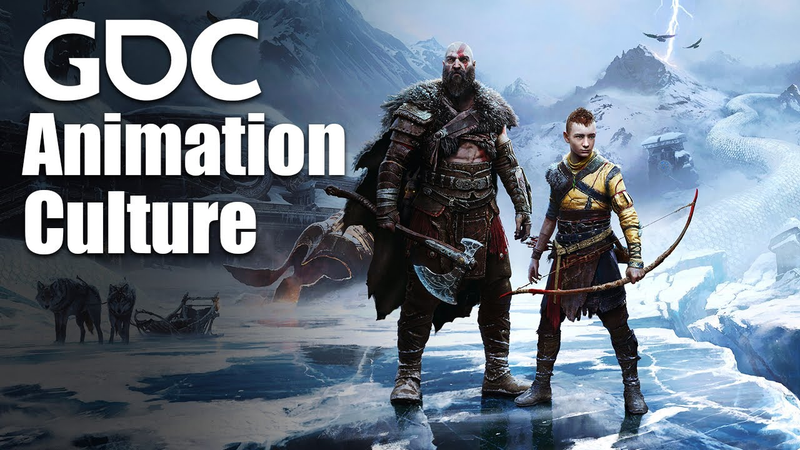
GDC Animation Microtalks
The game animation industry is currently navigating a period of significant transition, defined by the tension between rapid technological advancement and the need for sustainable creative practices.
- The animation industry must balance technological efficiency with human-centric creativity to preserve the emotional resonance and quality of interactive experiences.
- Small-scale creative flourishes, such as weapon inspections and character-specific gags, serve as essential tools for both world-building and maintaining animator morale during intense production cycles.
- Career sustainability requires professionals to adopt flexible career paths and remain open to roles that deviate from their original specializations.

PGC Live Special w/ John Wright: Hybrid casual is a stepping stone! Quality over quantity
The mobile gaming industry is undergoing a fundamental transition as studios move away from the high-volume, rapid-prototyping model of hyper-casual gaming toward the more sustainable, long-term potential of hybrid-casual titles.
- Hybrid casual games now require a more robust development process than hypercasual, shifting from rapid three-day prototypes to a 2–3 month timeline for a Minimum Viable Product (MVP).
- Commercial success in the current market is defined by long-term retention rather than high initial IPM or CPI, with a target Day 7 retention of 14–16% and Day 30 retention of 8–10%.
- The industry is seeing a shift toward PC gaming for free-to-play titles, as it offers easier mediation setups, fewer 'walled gardens' than mobile, and more efficient private auction/pre-bid processes.
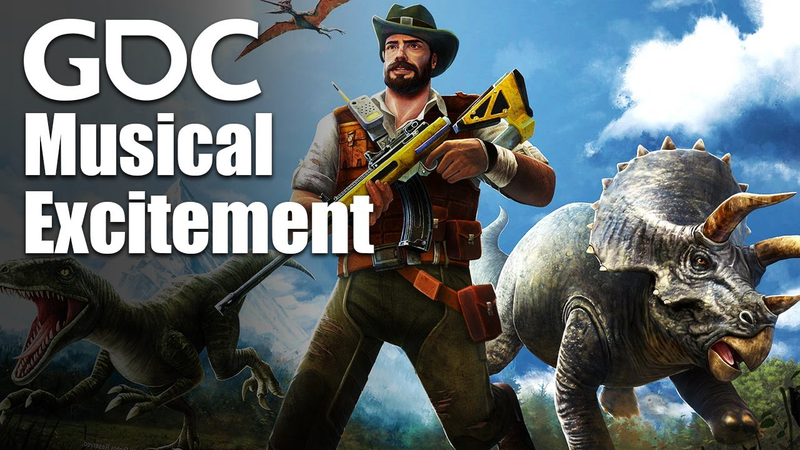
Chaos Theory in Game Music
The application of chaos theory to game music serves as a sophisticated method for heightening player tension and mirroring the inherent instability of high-stakes action environments.
- Composer Winifred Phillips utilized tonal ambiguity, chromaticism, and unconventional harmonic progressions to create a sense of chaotic excitement for the Jurassic World Primal Ops score.
- The score employs polytonality by layering unrelated key signatures simultaneously, allowing for complex harmonic structures while maintaining traditional melodic elements.
- Phillips incorporated the 12-tone technique to inject atonality into lead lines, intentionally avoiding a defined harmonic center to heighten tension.
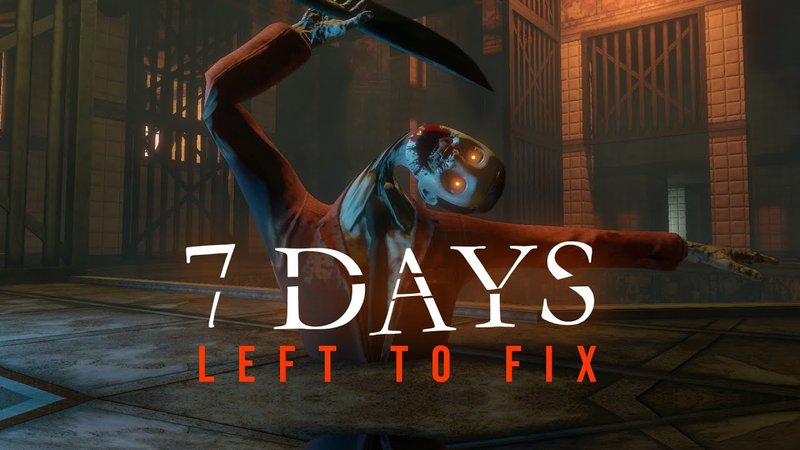
7 Days Of Indie Game Dev - Devlog
This account details a seven-day development sprint focused on refining the visual aesthetic of an indie first-person shooter, Twisted Tower, to align with publisher expectations.
- The developer successfully completed a seven-day sprint to overhaul the visual aesthetic of the first-person shooter 'Twisted Tower' to meet publisher quality standards.
- Publisher 3D Realms approved the visual redesign, which successfully blended a 1930s industrial tone with whimsical, fairy-tale elements.
- The project prioritized efficient asset management by sourcing low-poly models from external marketplaces rather than creating original 3D assets.
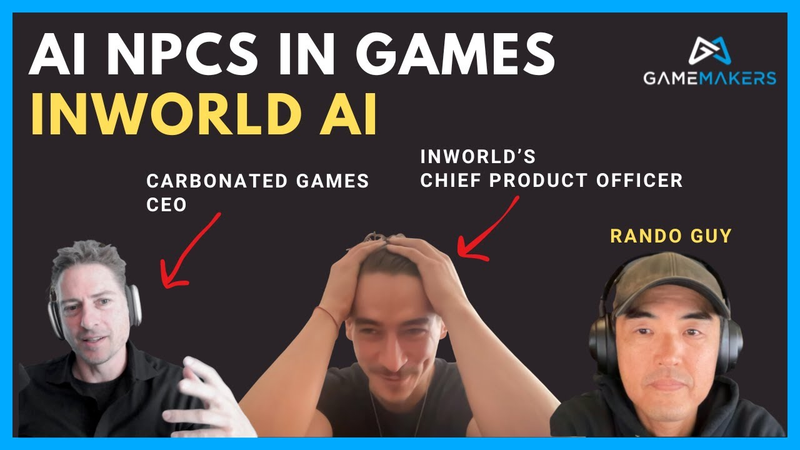
AI NPCs in Gaming with Inworld AI ft. Travis Boatman, Carbonated
The integration of conversational artificial intelligence into game development marks a fundamental shift from rigid, scripted dialogue trees toward the creation of living, emergent worlds.
- Conversational AI is shifting game design from rigid, scripted dialogue trees to emergent, dynamic narratives driven by large language models that manage character memory and emotional states.
- The integration of AI NPCs reduces production bottlenecks by eliminating the need for developers to manually map every potential dialogue outcome.
- Developers are adopting specialized, low-latency infrastructure providers to manage the technical complexities of machine learning while maintaining economic viability.
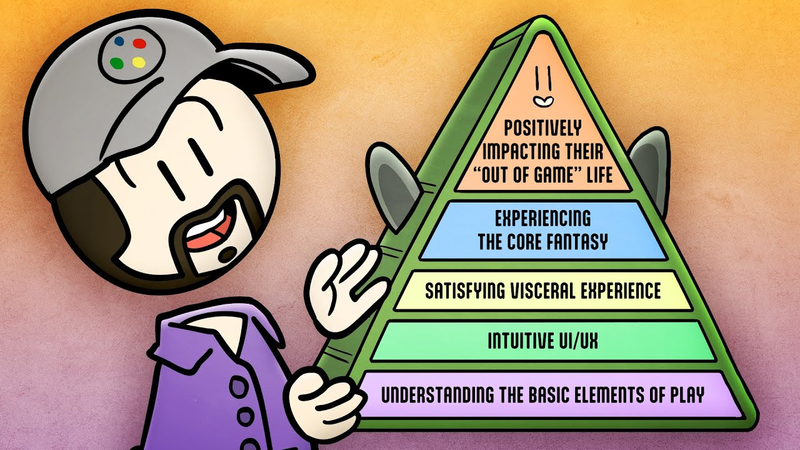
Why Game Designers use Maslow - Extra Credits Gaming
The Player Hierarchy of Needs provides a structured framework for game designers to understand and enhance player satisfaction by adapting Abraham Maslow’s psychological model to the gaming experience.
- Game designers should utilize the Player Hierarchy of Needs to systematically address requirements, as failing to meet lower-level needs prevents players from reaching deeper, more immersive layers of engagement.
- The base of the hierarchy requires accessible tutorials and intuitive onboarding, as a failure to explain basic play mechanics often leads to early player abandonment.
- Technical friction caused by poor user interface and cumbersome menus acts as a barrier to immersion, necessitating a seamless UX to maintain player retention.


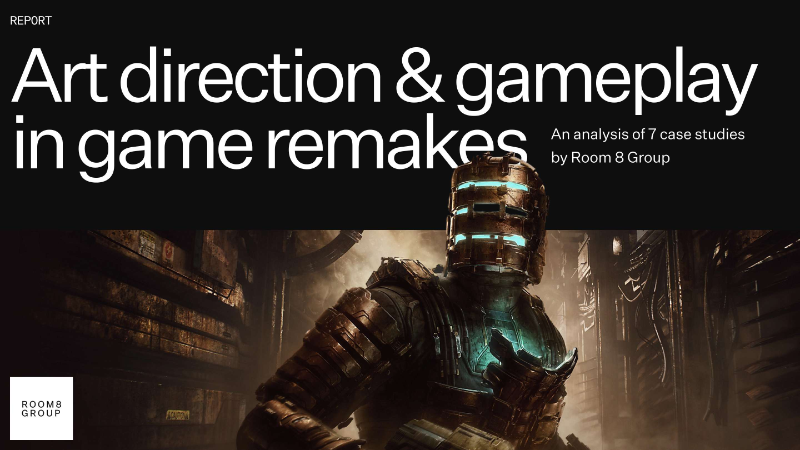
Art Direction in Game Remakes: An Analysis of 7 Case Studies
The pursuit of a successful game remake requires a delicate equilibrium between honoring the original creative spirit and meeting the heightened technical expectations of modern audiences.
- Successful remakes prioritize the recreation of a game's original 'spirit' and atmospheric intent over simple increases in visual resolution.
- Critical and fan reception serves as the primary metric for quality in modern remakes, often outweighing raw financial performance.
- Developers achieve the highest success by rebuilding visual assets from scratch to leverage contemporary lighting and 3D environments, overcoming the technical constraints of original releases.


Guide to Game Literacy: Improving Understanding of Games
The guide establishes game literacy as the capacity to comprehend, critique, and responsibly engage with video games, extending traditional media-literacy to encompass rules, interactive systems, cultural influence, and self-control.
- Parental involvement is a critical determinant of healthy gaming habits, as 78.5% of adaptive gamers have informed parents compared to only 60.2% of those classified as problematic.
- The UK gaming market is projected to grow from £4 billion in 2022 to £10 billion by 2030, with the national gamer population expected to reach 38.5 million by 2025.
- A 2023 Korean survey indicates that 86% of adolescents play video games, with the user base segmented into 71% general users, 12% adaptive users, and 3% problematic users.
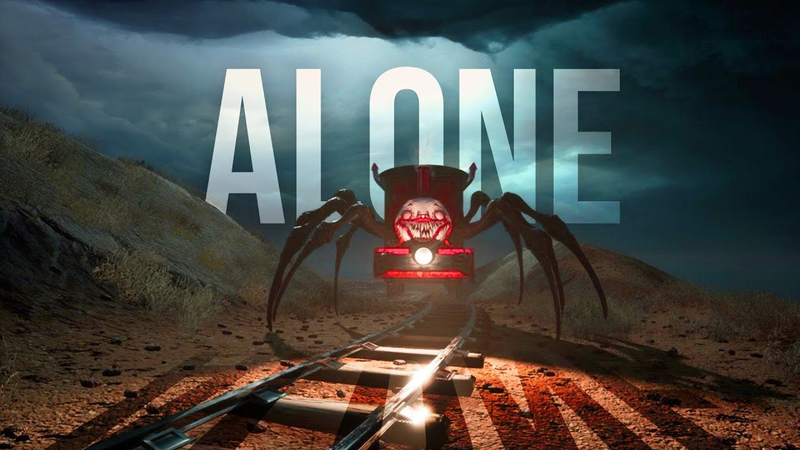
How To Make A Game Alone (In 2024)
The development of the viral indie title Choo Choo Charles serves as a case study for solo game development, emphasizing the importance of rapid prototyping, strategic asset utilization, and aggressive pre-launch marketing.
- Prioritize early market validation by creating a trailer and Steam page within the first month of development to gauge interest and accumulate wishlists, which reached 550,000 for Choo Choo Charles.
- Maintain a 'tools down' policy one month before launch, finalizing the game build early to dedicate the final weeks exclusively to marketing, press releases, and influencer outreach.
- Utilize a Game Design Document (GDD) to organize core mechanics and scope, focusing on a unique, viral hook—such as a horror-themed train—while leaving specific mission and AI details to be developed during production.
Zynga’s Yaron Leyvand On The Secret To Making A “Forever Franchise”
The creation of a forever franchise in the mobile gaming sector relies on a disciplined, data-driven approach that prioritizes long-term player engagement over short-term monetization.
- Zynga defines a 'forever franchise' as a game designed to entertain players at scale for many years, a strategy that has contributed to the company achieving over 4 billion downloads and 200 million monthly active players.
- New game launches in established categories typically require a 12- to 24-month period to reach feature and content parity with market competitors.
- Zynga maintains player engagement through a three-tiered content strategy: core gameplay enhancements, major system updates introduced several times per year, and short-term 'snackable' live events.
How Roguelites Are Taking Over Games - Extra Credits Gaming
Roguelite mechanics are increasingly becoming a foundational element of modern game design, mirroring the industry-wide integration of RPG systems observed in the early 2000s.
- Roguelite mechanics are becoming a foundational industry standard, mirroring the widespread integration of RPG systems seen in the early 2000s.
- The roguelite structure enables smaller studios to generate hundreds of hours of gameplay from a limited set of assets, significantly increasing content reuse efficiency.
- By breaking long experiences into short, repeatable sessions, developers can maintain player engagement without requiring the heavy time commitments typical of 60-hour titles.
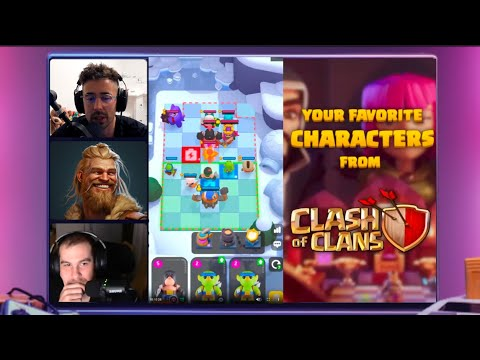
Supercell's Clash Mini Softlaunch: Game design, UA & Creative review (#90)
Clash Mini represents a strategic attempt by Supercell to capture the mobile auto-battler market, a genre that has historically demonstrated significant revenue potential in Asian territories compared to Western regions.
- Supercell’s Clash Mini faces a high probability of cancellation or fundamental restructuring due to its inability to meet the company's rigorous internal benchmarks for a global release.
- Since its November 2021 soft launch, the game has generated $2 million in revenue from 4.7 million downloads, failing to demonstrate the revenue depth required for long-term viability.
- The game’s monetization strategy, which locks high-impact units behind binary gacha systems, has created a pay-to-win dynamic that alienated players and hindered revenue performance.