Game Design reports and market data
Documents

Why Hard Games Feel Great - Extra Credits Gaming
Effective game design requires a deep understanding of velocity (V) and the change in velocity (delta V) to maintain consistent player progression.
- Game balance relies on managing both velocity (V), the current rate of player progress, and delta V, the rate of change in that progress.
- The 'jerk principle' refers to the second derivative of velocity, representing sudden, noticeable shifts in gameplay pacing that players perceive as jarring or unfair.
- Poorly planned progression curves often force designers to use 'kludge math' or disjointed equations to force balance, which frequently introduces bugs, exploits, and inconsistent player experiences.
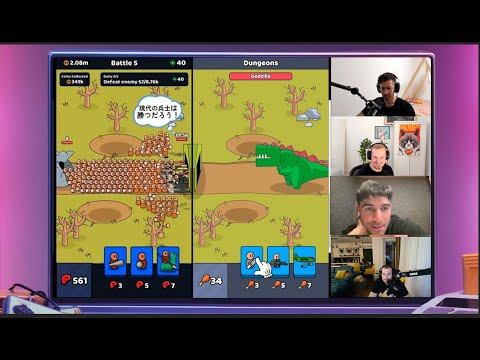
We are Warriors live Review: Ad juggernaut, creative depth, balancing difficulty & progression, UA
We Are Warriors represents a highly successful hybrid-casual title that synthesizes auto-battler mechanics with idle RPG progression.
- We Are Warriors generates approximately $200,000 in daily revenue, with 75% to 80% of that income derived from rewarded ads.
- The game maintains an 81% rewarded ad viewer rate by capping placements to prevent user burnout, which supports high daily active user counts.
- The title has surpassed 10 million global downloads, with its primary market traction concentrated in the United States and South Korea.
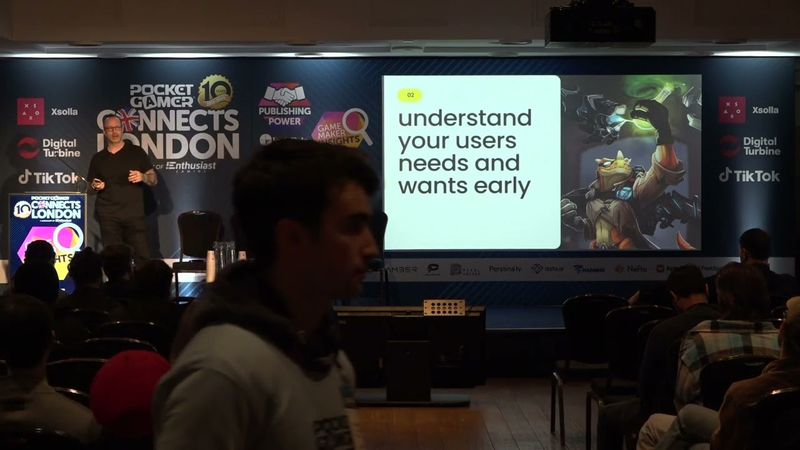
Keynote: Embracing Change & Innovation in Game Development: A new era of Flexibility & Creativity.
The gaming industry is currently navigating a period of significant structural transition following the post-pandemic market correction, characterized by reduced investment and widespread layoffs.
- Studios should replace rigid production pipelines—such as the traditional vertical slice model—with direct-to-market prototyping to prioritize early user feedback and reduce financial risk.
- Financial sustainability requires validating core mechanics and art styles with audiences before committing resources to extensive meta-features or long-term infrastructure.
- The industry is currently undergoing a structural transition characterized by reduced investment and widespread layoffs following the post-pandemic market correction between 2020 and 2024.
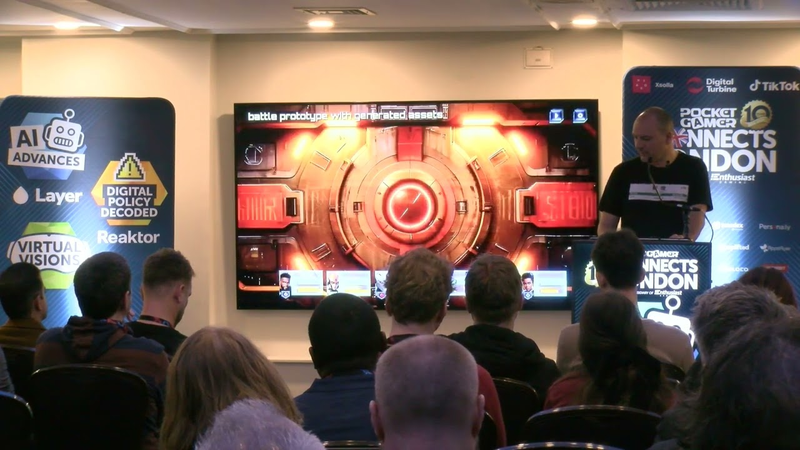
Gen AI First Leap to Generating Game Content, Stop Producing It! - Davy Chadwick, PopScreen Games.
The primary objective of this presentation is to demonstrate how generative artificial intelligence can transition from a brainstorming tool to a core production engine for mobile game development.
- Generative AI can function as a core production engine rather than just a brainstorming tool, enabling studios to automate the creation of complex assets like battlegrounds, character sheets, and narrative elements.
- Integrating generative workflows significantly reduces production costs, exemplified by promotional teaser creation costs dropping to approximately 2,000 euros through internal automation.
- Maintaining stylistic consistency across thousands of game units requires senior artists to fine-tune custom models, such as LoRAs, to ensure high-quality output.
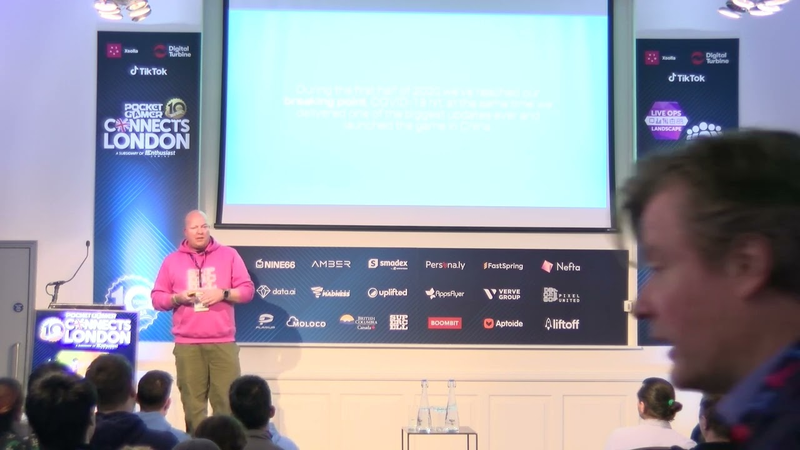
Keynote: Evolving Culture for Player Centric Games - Frank Keienburg, Supercell
Supercell’s evolution from a rigid, small-team structure to a more scalable, player-centric model highlights the necessity of adapting organizational culture to meet modern live-service demands.
- Supercell transitioned away from its long-standing 'small, independent team' model (typically 10–20 people) to accommodate the high content demands of live-service titles like Brawl Stars.
- The Brawl Stars team expanded from approximately 20 people to 45, with plans to add 10–15 more, to address burnout and the unsustainable pressure of maintaining complex, content-heavy updates.
- Supercell’s historical success was built on four major titles that each generated over $1 billion in lifetime revenue, with Clash titles exceeding $10 billion and Hay Day surpassing $2 billion.
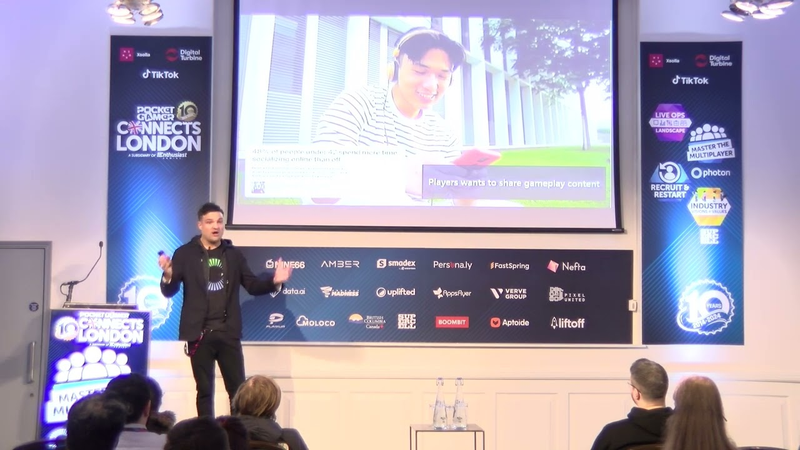
Multiplayer to Maximize Creativity & Revenue - Mark Val, Photon
Multiplayer functionality serves as a foundational pillar for success in the contemporary gaming landscape, acting as a primary driver for both player retention and long-term revenue.
- Multiplayer titles dominate the top-performing games across download volume, consumer spend, and monthly active users, as evidenced by the fact that the most popular games on Steam and mobile app stores are predominantly multiplayer-based.
- Successful multiplayer implementation requires deep community integration; developers must treat their player base as a board-level stakeholder to avoid negative feedback and maintain long-term engagement.
- AI tools, such as those integrated into Photon Quantum, provide essential support for multiplayer development by offering out-of-the-box bot systems that balance match difficulty to ensure players experience both wins and losses.
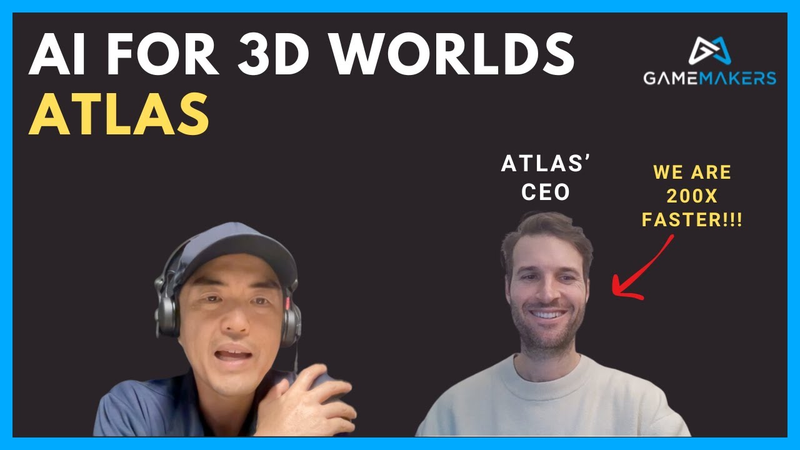
Gaming x AI: How Atlas makes models for 3D worlds 200X faster! (ft. CEO Ben James)
The integration of generative AI into 3D asset production marks a significant shift in game development, enabling the creation of complex, game-ready environments up to 200 times faster than traditional manual modeling.
- Generative AI tools can accelerate 3D asset production by up to 200 times compared to traditional manual modeling methods.
- The technology converts 2D inputs, such as sketches and photographs, into structured 3D geometry that integrates directly into Unity and Unreal Engine pipelines.
- AI-driven workflows are designed to be non-destructive, providing artists with editable, clean assets that allow for rapid iteration rather than replacing human designers.
Why You Might NOT Want To Make A Game Alone...
The primary objective of this discussion is to evaluate the strategic advantages of collaborative game development over solo production.
- Successful game development relies on a 'three-pillar' framework to anchor all creative decisions, preventing scope creep and ensuring a consistent player experience.
- Collaborative development acts as a synergistic multiplier, allowing teams to elevate product quality beyond the limitations of a solo developer's individual output.
- Potential partners should be vetted through small, iterative projects before committing to a long-term business structure to ensure alignment in vision and work style.

Chrome Valley Customs level balancing talk, from Space Ape's Geoff Gilles
Chrome Valley Customs, a match-three puzzle and car restoration game launched globally in June 2023, serves as the primary case study for a data-driven approach to campaign balancing.
- Space Ape’s Chrome Valley Customs, launched in June 2023, utilizes a data-driven balancing strategy to manage a library of 2,000 levels with a release cadence of 200 new levels per month.
- The development team reduced manual rebalancing time from half-day sessions to a few minutes by implementing a proprietary, automated Google Sheets-based tool that integrates directly with their data warehouse.
- The balancing strategy centers on the 'Target APS' (Attempts Per Success) metric, which acts as a proxy for difficulty to ensure every level aligns with an optimal, pre-defined difficulty curve.

The State of UGC Gaming in 2024
The user-generated content gaming market has achieved unprecedented scale, with platforms like Roblox commanding 350 million monthly active users and 70 million daily active users, effectively eclipsing the reach of traditional console ecosystems.
- Roblox has achieved a scale that eclipses traditional console ecosystems, currently commanding 350 million monthly active users and 70 million daily active users.
- The UGC sector is shifting toward higher-fidelity content as a new generation of developers, who matured within these digital environments, enters the professional workforce.
- Platform monetization strategies are pivoting away from low-engagement branded experiences toward high-efficiency advertising formats, specifically rewarded video and playable ads.
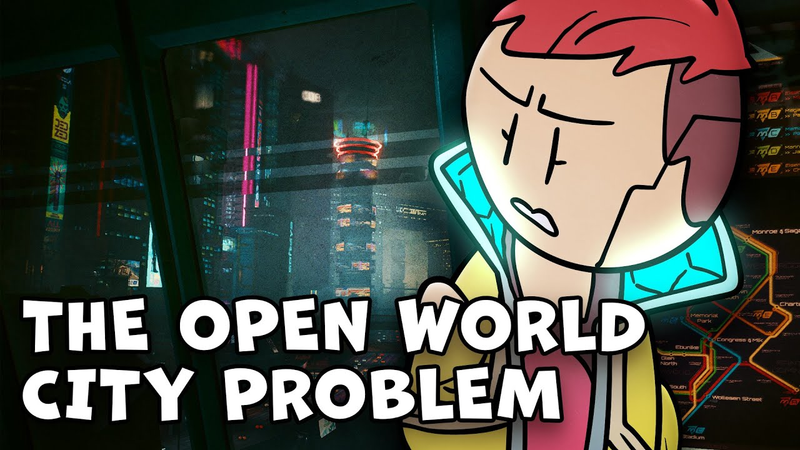
Why You Missed Cyberpunk's Sidequests - Extra Credits Gaming
The design of open-world urban environments presents a unique challenge for game developers, specifically regarding the implementation of landmarks to guide player exploration.
- Dense urban environments often fail to foster organic exploration because repetitive architecture and limited vertical sightlines obscure the visual cues necessary for navigation.
- Unlike open-world games such as Skyrim or Elden Ring, which use distinct landmarks to guide players, urban settings frequently force a reliance on map markers over environmental discovery.
- Cyberpunk 2077 illustrates the failure of massive, high-density skyscraper design, which creates visual monotony at street level and encourages players to bypass the world via fast-travel systems.
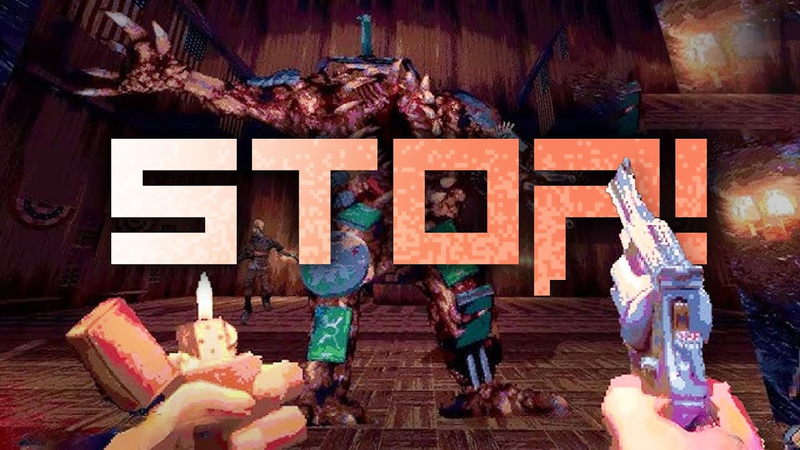
Watch THIS Before Making Your First Game!
This discussion explores the critical challenges faced by solo game developers, emphasizing the necessity of disciplined scope management and strategic planning for commercial success.
- Avoid the trap of attempting to build a massive 'dream game' as your first project; instead, start small with simple mechanics to ensure you actually finish a product.
- Strictly control project scope by cutting features that require complex tutorialization or narrative justification, as these often bloat development time and dilute the core gameplay loop.
- Develop games that play to your existing strengths rather than attempting to learn complex new skills like professional voice acting or scriptwriting during your first commercial release.