First-Person Shooter reports and market data
Documents
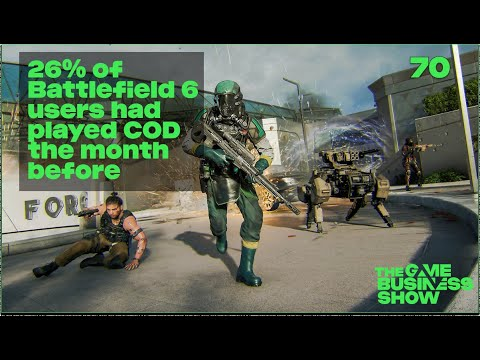
Call of Duty under attack, but who is winning (and losing) in the battle of the shooters?
The gaming industry is currently undergoing a period of intense volatility and structural realignment, characterized by shifting player loyalties and evolving development strategies.
- Call of Duty: Black Ops 7 is experiencing a softening in performance as competitors like Battlefield 6 and Arc Raiders successfully capture segments of its shooter audience.
- Established franchises like Destiny 2 are facing declining engagement and resource constraints, forcing studios to pivot toward new genres like extraction shooters such as Marathon.
- Major publishers are shifting away from traditional annual release models, exemplified by EA’s decision to move the F1 series toward a long-term DLC expansion strategy.
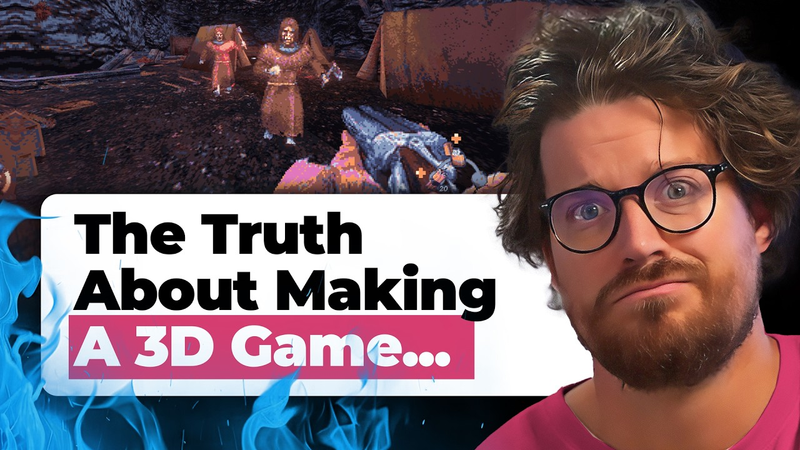
The Truth About Making 3D Games (In Unity)
Achieving high-fidelity visuals in Unity while maintaining optimal performance requires a strategic departure from traditional light-baking workflows.
- Real-time lighting is preferred over light baking to preserve specular and metallic material values, which are typically lost during the baking process.
- Performance optimization in Unity is achieved by consolidating multiple light sources into single, shared point lights to reduce the rendering load on meshes.
- To maintain high frame rates in complex scenes, developers should use occlusion volumes to block the rendering of objects outside the player's immediate view and clamp shadow render distances (e.g., to 50 meters).

Jason Smith: How He Sold 100,000 Copies Of His Game (w/ Overwhelmingly Positive Reviews) | Ep. #056
The development of the boomer shooter Cultic serves as a case study in the challenges of scaling a solo-led project into a multi-chapter experience.
- Jason Smith achieved success with the boomer shooter 'Cultic' by focusing on long-term project viability rather than short-term trends, aiming for a game with multi-year staying power.
- To address player feedback from Chapter 1, Smith expanded the scope of Chapter 2 by increasing level variety and length, despite the original game already holding a 97-98% positive rating.
- Smith and his collaborator Nick utilized a collaborative level design process where they traded maps back and forth, leading to distinct design styles that were occasionally criticized, such as the open-ended nature of the 'Fairgrounds' level.
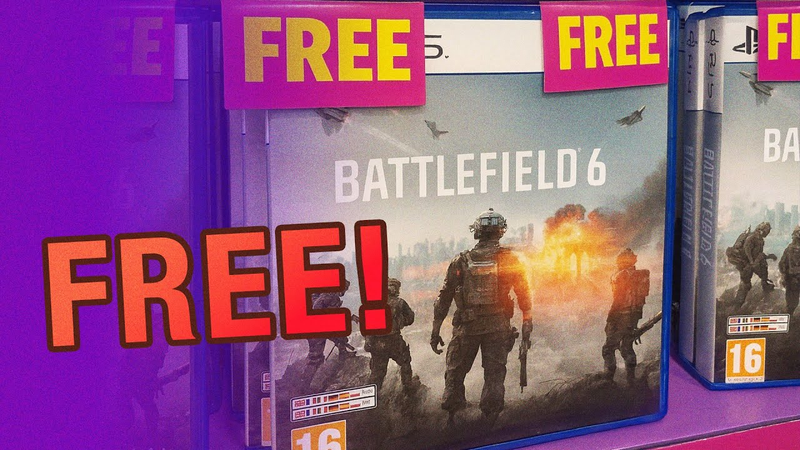
Battlefield 6 Goes Free-to-Play
Battlefield 6 is undergoing a strategic pivot by adopting a free-to-play model for its new RedSec mode, a move designed to compete directly with Call of Duty’s Warzone.
- Battlefield 6 is adopting a free-to-play model for its new 'RedSec' mode, featuring a 100-player battle royale format to compete directly with Call of Duty: Warzone.
- Monetization for the new mode will center on a 'Battlefield Pro' pass and a weapon blueprint system, both designed to increase average revenue per user (ARPU) and improve long-term player retention.
- Modern shooter success is increasingly dependent on rapid content pipelines, with studios turning to machine learning and AI to meet the high production demands of live-service models.
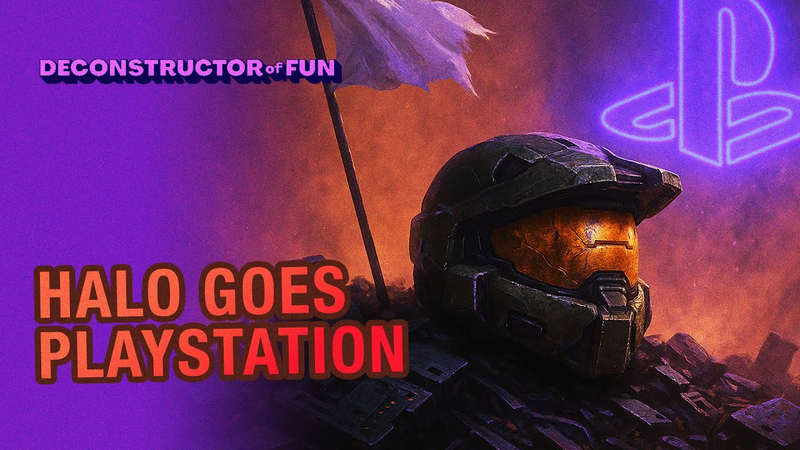
HALO JUMPS TO PLAYSTATION! Has Xbox Officially Lost the Console War?
The gaming industry is currently witnessing a significant strategic shift as Microsoft transitions its flagship Halo franchise to a multiplatform model.
- Starting in 2026, the Halo: Combat Evolved remake will launch on PlayStation 5, Xbox Series X, and PC, ending 25 years of Xbox franchise exclusivity.
- Microsoft is shifting its gaming strategy from a hardware-centric console model to a global publishing approach that prioritizes distribution across consoles, PC, mobile, and cloud platforms.
- The transition to a multiplatform model is driven by a corporate mandate to achieve 30% profit margins within the gaming division.
Shooter Monthly #1: Battlefield Revolution, Arc Raiders Evolution, and the ABI Mystery
The tactical shooter market is currently undergoing a significant evolution, characterized by a widening strategic divide between Western premium models and Eastern free-to-play approaches.
- The extraction shooter genre is shifting away from hardcore, punishing mechanics toward accessible, PvE-focused gameplay and forgiving progression systems to attract a broader audience.
- Eastern free-to-play models, exemplified by Arena Breakout: Infinite, are successfully challenging Western premium shooters by offering more accessible entry points.
- Arc Raiders demonstrated significant market demand for extraction-adventure hybrids by attracting over 115,000 concurrent players during its initial testing phase.
Halo comes to PlayStation, The AWS outage, and Counter-Strike's Market Crash! | Games For Breakfast
The gaming industry is currently navigating a period of significant structural instability, characterized by a reliance on centralized cloud infrastructure and shifting corporate strategies.
- Microsoft is shifting its strategy toward third-party publishing, including porting flagship titles like Halo to PlayStation, to meet an internal mandate for 30% profit margins.
- A recent widespread AWS outage caused total connectivity failures for major titles like Fortnite and Roblox, highlighting the industry's vulnerability to centralized cloud infrastructure.
- Valve is attempting to stabilize the Counter-Strike 2 cosmetic market and curb third-party gambling influence by introducing new trade-up mechanics, leading to a significant market correction.
Living the Teenage Dream: Bringing Wolfenstein Back!
The development of a modern project inspired by the classic Wolfenstein franchise serves as a case study in collaborative game design, emphasizing the synergy between artistic vision and technical execution.
- The project originated from a collaborative partnership between an artist and a technical artist who met at a co-development studio around 2019-2020 while working on VR projects.
- The collaboration was solidified by a shared focus on performance optimization, a critical requirement for the high-demand rendering environments of VR development.
- The project's rapid initiation was characterized by a 3.5-hour brainstorming session that immediately resulted in the creation of a Git repository and a formal project setup.
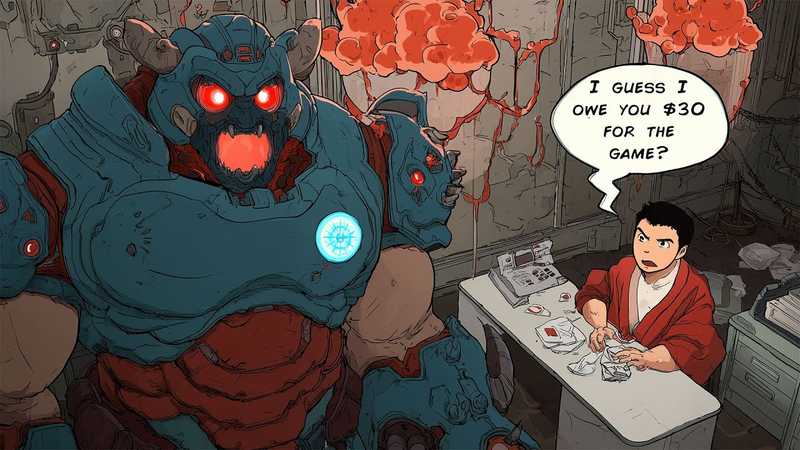
Confession Time: I Owe John Romero $30!
The current landscape of the video game industry is defined by a significant shift toward nostalgia, characterized by a surge in remakes and a growing appreciation for the development methodologies of the 1990s.
- The current game industry is experiencing a 'nostalgia period' characterized by a surge in remakes and a return to retro-style development, driven by a desire for the manageable, two-to-three-year development cycles of the past.
- Modern AAA development is viewed as having undergone an 'overcorrection' that has negatively impacted developer passion and team communication compared to the smaller, more collaborative team structures of the early 1990s.
- Successful side-project development while working full-time requires rigorous time-blocking, with developers often dedicating specific, limited windows (e.g., one to two hours) to tasks to maintain progress.
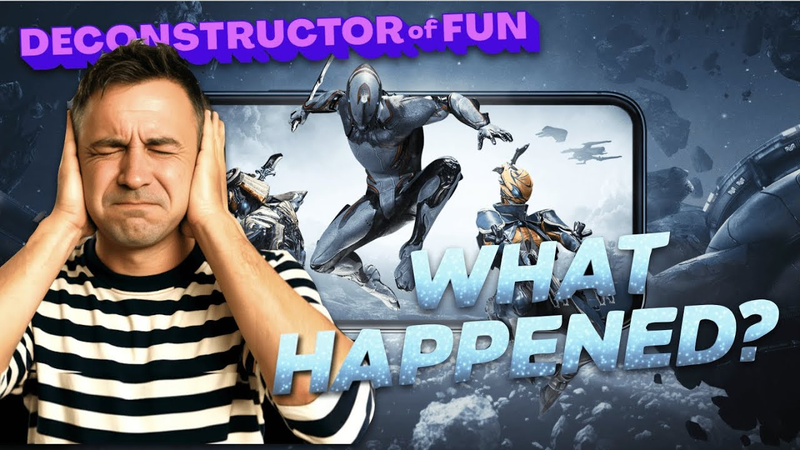
Why Warframe (and Other AAA Shooters) Struggle on Mobile
The mobile gaming market presents significant challenges for established PC and console shooters, as evidenced by the performance of titles like Warframe.
- The global games market reached $188.8 billion in 2025, a 3.4% year-over-year increase, though the mobile segment is experiencing a slowdown in the Asia-Pacific region.
- While the number of paying players rose 5% to 1.6 billion, the average spend per payer is declining, forcing developers to navigate higher user acquisition costs and shifting monetization dynamics.
- Porting complex, hardcore shooters like Warframe to mobile has proven ineffective, as these titles often fail to achieve market fit or the necessary polish when outsourced to smaller studios.
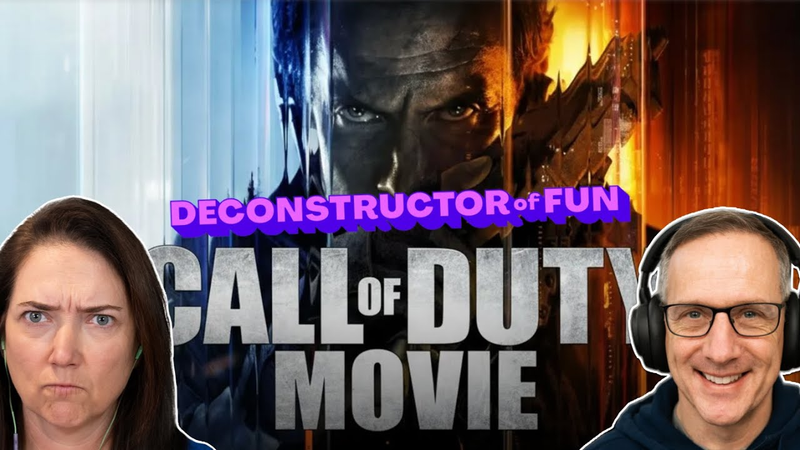
Call of Duty Movie Is Finally Happening!
The announcement of a live-action Call of Duty film, developed in partnership with Paramount, has sparked significant debate regarding the viability of transmedia strategies for mature, multiplayer-focused gaming franchises.
- Paramount is developing a live-action Call of Duty film, a move critics view as a reactive attempt to address the franchise's declining market share and internal studio instability.
- The project faces significant skepticism because the Call of Duty brand lacks the character-driven narrative depth and consistent identity found in successful adaptations like Super Mario or Sonic the Hedgehog.
- Industry analysts argue that the franchise's core appeal is rooted in competitive multiplayer mechanics and a 'military action hero' fantasy, which does not translate well to cinematic storytelling.
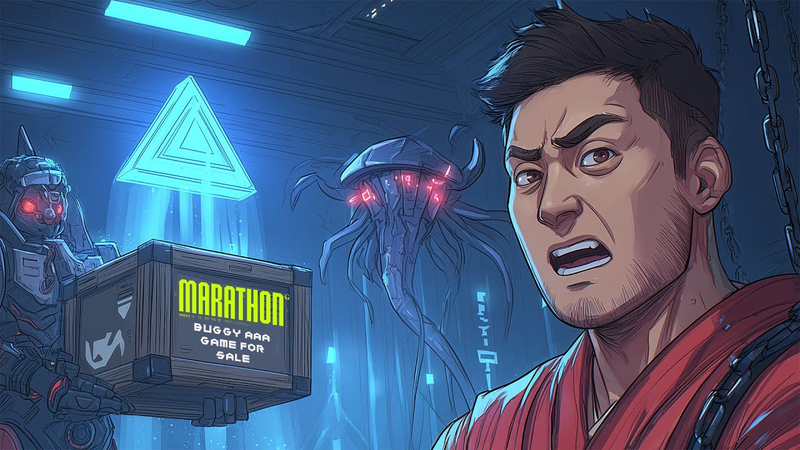
Marathon, Mayhem, and the State of AAA | 363
The contemporary AAA gaming landscape is undergoing a profound crisis characterized by bloated budgets, protracted development cycles, and a systemic loss of institutional knowledge.
- The AAA gaming sector is suffering from a systemic crisis defined by bloated budgets, protracted development cycles, and a loss of institutional knowledge that results in generic, risk-averse titles.
- Investor confidence in traditional high-budget, long-term development is waning, forcing a structural shift toward smaller, more agile teams and iterative, fun-focused projects like Astro Bot.
- A clear geographic divide has emerged, with studios in Japan, China, and Eastern Europe increasingly outperforming legacy Western publishers in creative cohesion and quality standards.