Finland reports and market data
Documents

Inside Supercell: Old Guard, Rotating GMs, Sparks, Labs, and Silos.
Supercell faces significant internal and strategic challenges as it navigates a period of organizational transition and pressure to deliver sustainable growth.
- Supercell is currently dependent on legacy franchises like Clash of Clans, Clash Royale, and Brawl Stars to drive revenue, raising concerns about the long-term sustainability of its growth model.
- The company has struggled to launch new successful titles, leading to internal frustration regarding the handling of projects like Squadbusters and Clash Mini.
- Internal operations are hampered by a fragmented culture, geographic silos, and an entrenched old guard that is perceived as resistant to necessary organizational change.
The Game Industry of Finland 2024
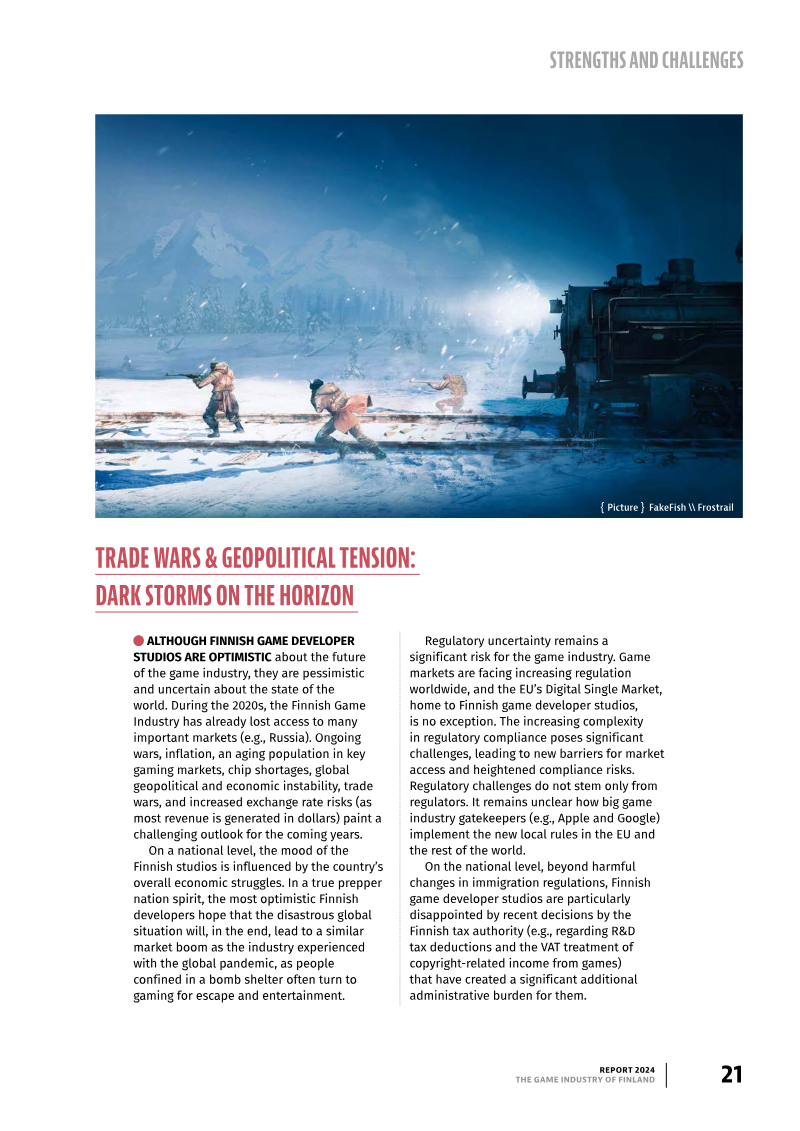
The Finnish game industry serves as a resilient, export-driven pillar of the national economy, currently navigating a complex global market transition.
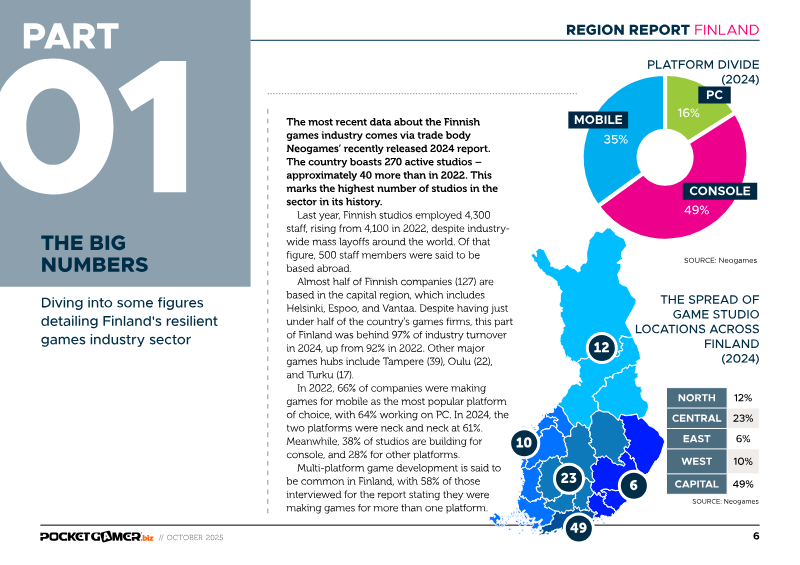
- The Finnish game industry reached a record 270 active studios employing 4,300 professionals by the end of 2024.
- Annual industry turnover contracted to €2.85 billion, with private investment slowing to €128 million.
- Studios are diversifying away from a mobile-first model, with PC development now reaching parity and increased exploration of console and VR platforms.
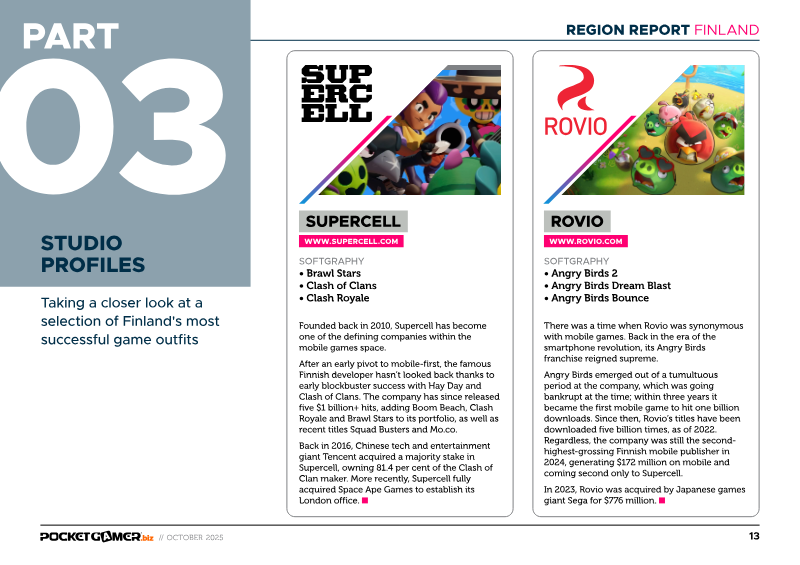
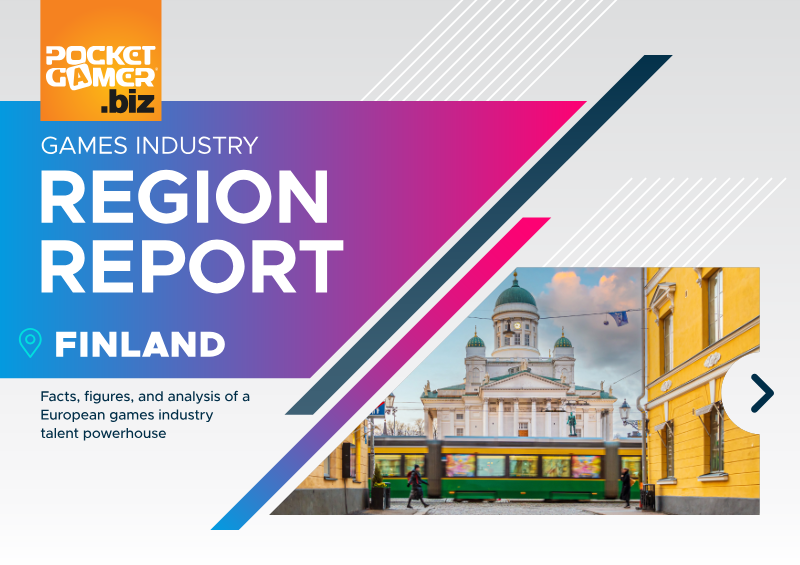
Finland Games Industry Report 2025
The Finnish games industry maintains a position as a global powerhouse, demonstrating significant resilience despite broader economic headwinds and a contraction in investment.
- The Finnish games industry generated €2.85 billion in 2024, supported by a record 270 active studios and a workforce of 4,300 professionals.
- The industry has set an ambitious growth strategy to double its total annual turnover by 2030 despite a current contraction in investment.
- Consumer spending in Finland is shifting toward consoles, which now capture 49 percent of the market, followed by mobile at 35 percent and PC at 16 percent.
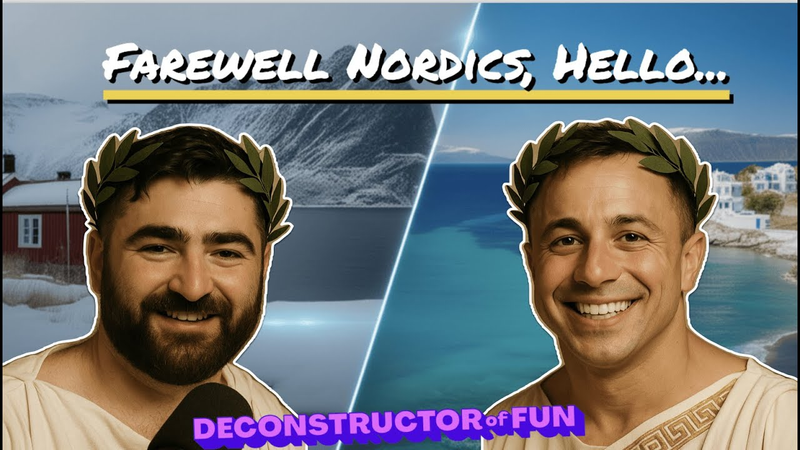
Why Scandinavia Makes You So Happy? And Why We Chose To Leave.
Scandinavia offers a high-functioning welfare state characterized by stability, efficient infrastructure, and a strong social fabric, yet these benefits often come at the cost of high tax burdens and a cultural emphasis on modesty that can stifle individual ambition.
- High-skilled professionals are increasingly leaving Scandinavia for more dynamic regions due to high tax burdens, cultural constraints on individual ambition, and concerns over the long-term quality of public services.
- While Sweden maintains a strong economic position with a high density of unicorns and multinational corporations, other Nordic nations like Finland face economic stagnation and a political climate that prioritizes equality over merit.
- The global nature of the gaming industry enables high-skilled talent to prioritize professional mobility, allowing them to optimize their careers by transitioning between international hubs.
Week in Mobile Games E57 - The solitaire gold rush and Finland's new immigration rules bite
The mobile solitaire genre has undergone a period of rapid expansion, with global player spending climbing to $470.2 million in 2023, nearly double the figures recorded in 2019.
- The SAG-AFTRA strike in the games industry has ended with a deal that includes a 15.17% pay increase, guaranteed minimums for digital replica use, and protections regarding AI-generated voice and performance work.
- Mobile solitaire games generated $470.2 million in gross player spending in 2024, a figure that has roughly doubled since 2019 despite a slight decline from the 2023 peak of $564.7 million.
- Disney Solitaire has significantly outperformed Candy Crush Solitaire in revenue, generating $25 million compared to $8 million despite both titles sharing a similar download volume of approximately 7.7 million.
The Finnish Game Industry Is in Trouble — Here’s Why No One’s Talking About It
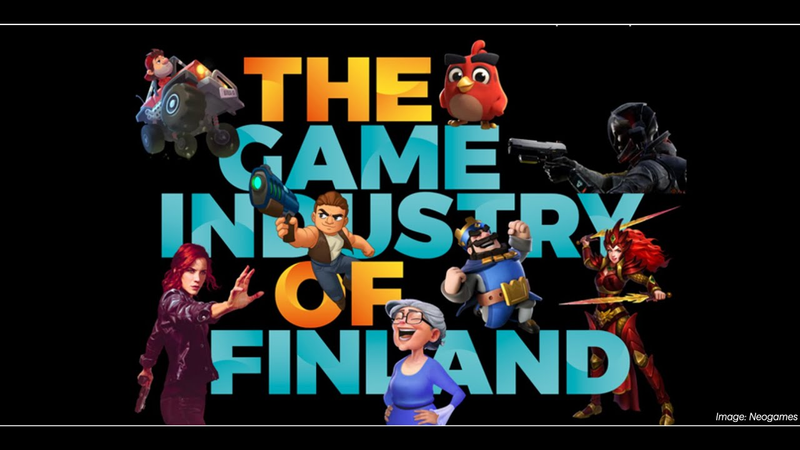
The Finnish game industry is currently facing a period of significant instability, characterized by a decline in venture capital funding, a stagnation in new studio formation, and the closure of established developers.
- The Finnish game industry is experiencing systemic instability marked by a decline in venture capital, a stagnation in new studio formation, and the closure of established developers.
- High-budget transmedia projects, such as animated series based on mobile IP, are increasingly viewed as costly distractions that fail to generate reliable revenue or drive significant in-game spending.
- Industry analysts argue that resources currently diverted to transmedia expansions should be redirected toward improving live operations, production quality, and management to ensure business sustainability.

TWIG #332 Finland’s Game Industry Woes, Supercell's Transmedia Moves and Roblox's Commercialization
The global gaming industry is currently navigating a period of significant structural realignment, characterized by the decline of established regional hubs and the aggressive pivot of major platforms toward monetization.
- Take-Two Interactive recorded a $6.2 billion write-down on its Zynga acquisition, highlighting the significant financial risks associated with large-scale industry consolidation.
- Finland’s game development ecosystem is contracting, with talent and investment shifting toward emerging hubs like Istanbul due to widespread layoffs and studio closures.
- Roblox is pivoting toward a business-centric model by integrating physical e-commerce and Shopify support to meet investor demands for increased commercialization.

GOAT: Jani Torppa aka Fashion FRIDAY
The mobile gaming industry is currently navigating a critical transition, moving away from a period of stagnation toward a more dynamic and experimental future.
- The mobile gaming industry is shifting toward a decentralized model, with a positive growth outlook projected for 2025 driven by the integration of data-informed creativity.
- The Turkish market is emerging as a high-potential ecosystem for mobile gaming due to favorable government incentives, lower operational costs, and a high volume of agile startups.
- Finland’s gaming sector is currently undergoing a structural renewal, moving away from rigid legacy operational models to regain its competitive edge in innovation.

Supercell Investments: Vision or Vanity?
Supercell Investments, the corporate venture arm of the Finnish gaming giant, functions primarily as an early-stage investor in independent game studios.
- Supercell Investments, active since 2016, functions as an early-stage venture arm focusing on pre-seed and seed-stage startups without clear strategic alignment to Supercell’s core business operations.
- The investment arm has failed to capitalize on a decade of significant market growth, notably missing opportunities to back major industry unicorns.
- Portfolio founders report that Supercell’s mentorship is often inapplicable, as the operational playbooks of a global powerhouse do not translate to the resource-constrained environments of nascent studios.

Supercell's Record Year: Crushing It, But At What Cost?
Supercell experienced a record-breaking fiscal year in 2024, reporting €2.8 billion in revenue, a 77% year-over-year increase. EBITDA also saw significant growth, rising 78% to €876 million.
- Supercell achieved a record-breaking 2024 fiscal year with €2.8 billion in revenue and €876 million in EBITDA, representing year-over-year growth of 77% and 78% respectively.
- The company’s financial resurgence was driven by a strategic pivot from organic user acquisition toward increased marketing expenditures and expanded live operations.
- Brawl Stars served as a primary revenue engine through aggressive updates, though the title is now showing signs of revenue deceleration that may create difficult year-over-year comparisons.

Remedy Capital Markets Day 2024: Portfolio and Production
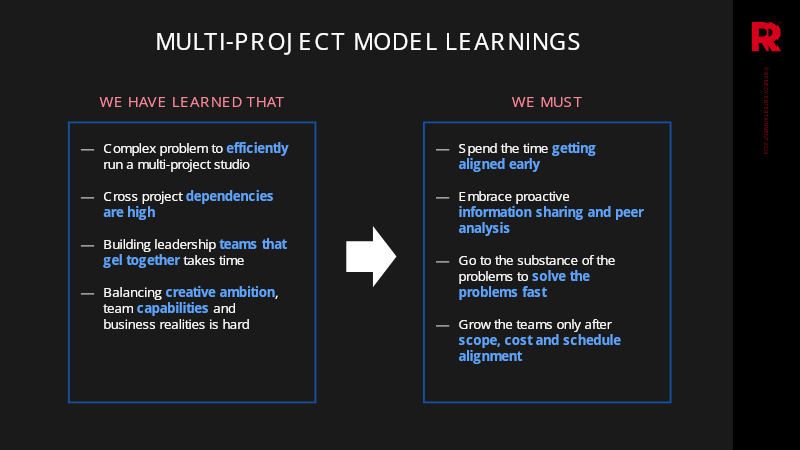
Remedy Entertainment is transitioning toward a self-publishing model, necessitating a strategic shift in portfolio management and production efficiency.
- Remedy Entertainment is transitioning to a self-publishing model, requiring a strategic shift toward more rigorous project steering and production efficiency.
- The studio operates a multi-project model supported by 365 internal staff and over 250 external contributors, all utilizing the proprietary Northlight engine.
- A new five-phase stage-gate framework mandates strict alignment on scope, cost, and schedule before scaling team sizes to mitigate financial and creative risks.


Remedy Capital Markets Day 2024: Business Logic and Value Creation
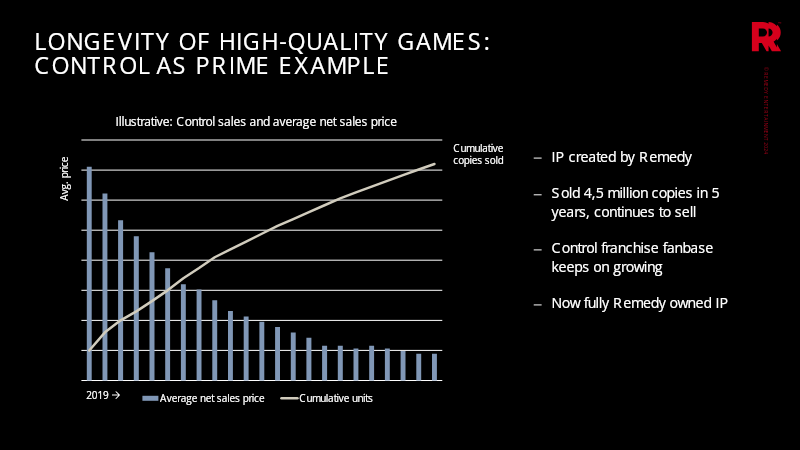
The Remedy Capital Markets Day 2024 presentation outlines a strategic pivot toward self-publishing as the primary engine for long-term value creation and profitability.
- Remedy is shifting to a self-publishing model to capture higher margins, targeting a 30% EBITDA margin by 2027.
- The company aims to double its 2024 revenue by 2027 through a portfolio of self-published titles and partner-funded projects.
- Financial modeling indicates that self-publishing creates non-linear returns, with potential ROI increasing from 75% to 250% if game sales double from 100 million to 200 million euros.