Report80 pages
European Video Games Industry Insight Report: 2021
By European Game Developers Federation (EGDF) Supported by Video Games Europe European Video Games Industry Data 5 Number of game developer studios 7 Number of game publishers 8 Number of people working in the video games industry 9 Percentage of women working in the industry ...
- In 2021, the EU video game industry comprised 5,500 game developer studios and over 250 game publishers, employing 85,000 people and generating a turnover of €18.3 billion, up from 78,000 employees and €15.1 billion in 2020.
- Many European countries offer cultural aid for video game production, with common forms including grants (e.g., Austria, Denmark, Finland), loans (e.g., Belgium, France), and tax credits (e.g., Belgium, France, Germany, Greece).
- Europe has a robust educational infrastructure for game development, with numerous institutions offering study programs; for example, Austria has 13 institutions, Belgium 8, and the Czech Republic 8.
- Individual European countries show varying industry sizes and growth; for instance, Denmark had 168 studios and 911 employees in 2021, while Norway had 17 studios and 368 employees in the same year.
- The report defines a game developer studio as a sole trader or company whose main turnover comes from developing games, including one-man teams and those using external publishers, and an active company as one registered, employing people, and generating turnover.
+2
European Games Developer FederationJan 2021
Report66 pages
Serbian Gaming Industry Report 2021
In 2021 Serbia’s gaming ecosystem emerged as a rapidly expanding, export‑oriented sector that combined a sizable studio base with a vibrant indie community. Roughly 130 development studios employed 1,548 people, of whom 30 % were women, and produced about 2,200 titles that generated an estimated US$125 million in revenue. The majority of earnings—between 75 % and 100 %—derived from markets outside the country, and 64 % of games relied on a free‑to‑play model supplemented by advertising.
Mid‑sized studios such as Nordeus and Playrix RS demonstrated strong user bases, while larger contributors including Ubisoft Belgrade and the VFX house Bunker underscored Serbia’s capacity to support AAA‑level production and international client work. The esports landscape, led by Fortuna’s Balkan League, attracted roughly half a million viewers and distributed €220 k in prize money, highlighting the sector’s growing competitive dimension. Indie developers, ranging from solo creators to teams of forty, pursued diverse platforms—PC, mobile, VR/AR—and increasingly leveraged tools like Epic’s MetaHuman Creator, signalling a shift toward high‑fidelity, narrative‑driven experiences.
Policy initiatives reinforced this momentum. The “Serbia Innovates” super‑cluster, backed by U.S. assistance, positioned gaming, VR, and Web3 technologies as a multidisciplinary hub, while tax‑incentive reforms such as the IP‑Box and double R&D deductions attracted capital and talent. Educational collaborations, exemplified by new university programs and industry‑led training platforms, created a pipeline that bridges skill gaps and sustains growth.
Sustainable development is viewed as dependent on three pillars: compelling IP, robust publishing partnerships, and cross‑sector cooperation, suggesting that continued alignment of studio capabilities, policy support, and talent development will cement Serbia’s role as a notable exporter in the global games market.
- In 2021, Serbia’s gaming sector comprised approximately 130 studios employing 1,548 people, generating $125 million in revenue with 75% to 100% of earnings derived from international exports.
- The industry is heavily reliant on the free-to-play model, which accounts for 64% of all games produced, while the total output reached roughly 2,200 titles.
- The ecosystem supports a diverse production scale, ranging from indie developers using high-fidelity tools like MetaHuman Creator to major contributors such as Nordeus, Playrix RS, and Ubisoft Belgrade.
- Government policy has actively fostered growth through tax incentives like the IP-Box and double R&D deductions, alongside the 'Serbia Innovates' super-cluster initiative.
- The esports sector is a significant competitive pillar, with the Fortuna-led Balkan League attracting 500,000 viewers and distributing €220,000 in prize money.
+1
SGAJan 2021
Report17 pages
Diversity and Inclusion in Gaming: Insights and Opportunities 2021
This analysis examines the state of representation and accessibility within the United States gaming market, challenging the misconception that the gaming audience is primarily composed of young, white males. Based on a 2020 study of 1,824 gamers aged 10–65, the research argues that the industry’s future growth depends on its ability to cater to a diverse global population of 2.7 billion players. The thesis posits that strengthening diversity and inclusion (D&I) requires a dual approach: improving the representation of marginalized groups in software and increasing the affordability of hardware.
Key findings indicate that 47% of U.S. gamers avoid titles they feel are not made for them, while over half believe it is important for games to feature diverse characters. This sentiment is particularly strong among LGBTQIA+ players and people with disabilities. Data shows that players of color are often more "serious" gamers than their white counterparts; for instance, Black and Asian PC players skew younger and more female. Furthermore, the popularity of the fighting game genre among Black players is linked to historical arcade accessibility, suggesting that low barriers to entry foster long-term community engagement.
The research highlights a significant correlation between socioeconomic status and gaming habits. Black and Hispanic/Latinx players are more likely to use standard laptops or consoles rather than expensive high-end desktops and are more inclined to use subscription services like Xbox Game Pass to manage costs. Ultimately, the analysis concludes that brands taking active stances on social issues and prioritizing inclusive character design can drive higher engagement and revenue, as gamers increasingly prefer companies that reflect their values and identities.
- 47% of U.S. gamers avoid titles they perceive as not designed for them, indicating that inclusive character representation is a critical factor for market reach.
- Over half of the gaming audience considers the presence of diverse characters important, with particularly high demand for representation from LGBTQIA+ players and people with disabilities.
- Socioeconomic barriers significantly influence platform choice, as Black and Hispanic/Latinx players are more likely to utilize standard consoles or laptops and subscription services like Xbox Game Pass rather than high-end desktops.
- The gaming audience is highly diverse, with Black and Asian PC players skewing younger and more female than their white counterparts.
- Historical accessibility, such as the low barrier to entry provided by arcades, directly correlates with long-term genre engagement, as seen in the popularity of fighting games among Black players.
+1
NewzooJan 2021
Report152 pages
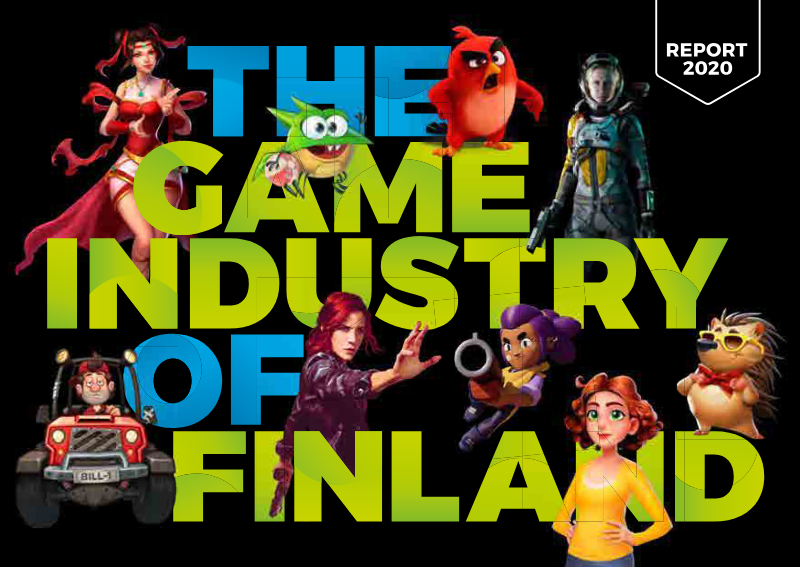
The Game Industry of Finland 2020
The Finnish game industry has transitioned from a hobbyist niche into the nation’s largest cultural export, maintaining an annual turnover exceeding €2 billion for six consecutive years. By 2020, the sector reached a turnover of €2.4 billion, driven by a maturing "middle class" of 46 studios generating over €1 million in annual revenue. While the total number of active studios decreased to approximately 200 due to global competition and regional funding shifts, employment reached a record 3,600 professionals. The industry demonstrates increased stability through a decreasing reliance on its largest player, Supercell, whose share of total turnover fell to 54% as other studios scaled.
Geographically, the industry remains highly concentrated in the Capital Region, which accounts for 96% of turnover and nearly 80% of the workforce. However, vital regional hubs in Tampere, Oulu, and Turku provide specialized support through incubators and university programs. While mobile gaming remains the dominant sector—anchored by global giants like Rovio and Fingersoft—there is a notable shift toward a "post-mobile" era. This evolution is defined by growth in multiplatform console and PC development, led by studios such as Remedy Entertainment and Housemarque, as well as emerging interests in cloud gaming, the metaverse, and AI integration.
The ecosystem is supported by a robust infrastructure, including over €150 million in R&D funding from Business Finland and a proactive private investment climate that attracted over €100 million between 2019 and 2020. Despite this strength, the industry faces challenges such as a global shortage of senior talent, increased protectionism in foreign markets, and platform volatility. Future growth is expected to stem from strong intellectual property, significant M&A activity, and a commitment to workforce diversity and social responsibility. The industry remains a resilient economic driver, characterized by high professional organization and a collaborative culture that sustains its status as a premier global hub for game development.
- The Finnish game industry generated €2.4 billion in turnover in 2020, marking six consecutive years of exceeding the €2 billion threshold.
- Industry stability has improved as Supercell’s share of total turnover declined to 54%, supported by a maturing 'middle class' of 46 studios each generating over €1 million annually.
- Despite a consolidation in the number of active studios to approximately 200, the sector reached a record high of 3,600 professional employees.
- The industry is diversifying beyond its mobile-first foundation, with significant growth in console and PC development led by studios such as Remedy Entertainment and Housemarque.
- The Capital Region remains the dominant economic hub, accounting for 96% of total industry turnover and nearly 80% of the workforce.
+1
Finnish Game Developer Studios AssociationJan 2021
Report3 pages
The Video Game Industry in France: 2020 Edition Economic Context and Production
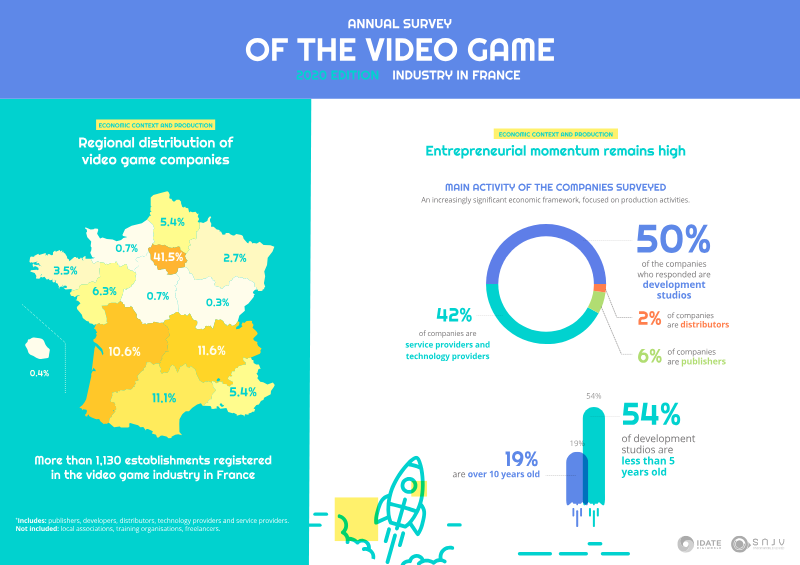
The French video game industry demonstrates robust entrepreneurial momentum and a strong focus on production, characterized by a diverse ecosystem of over 1,130 establishments. The sector is primarily composed of development studios, which account for 50% of industry entities, followed by service and technology providers at 42%, publishers at 6%, and distributors at 2%. This landscape is marked by a youthful demographic, with 19% of development studios having been established within the last five years, while another 19% have operated for over a decade.
Production output remains stable, with 530 titles marketed in 2019 and a significant pipeline of projects in development. Notably, 63% of these titles are based on new intellectual properties, reflecting a strong commitment to original content. Employment trends are equally positive, with 75% of employees working under permanent contracts. The industry is actively expanding, with projections indicating the creation of 800 to 1,200 new jobs by the end of 2019. Despite this growth, gender diversity remains a challenge, as women and non-binary individuals comprise only 16% of the workforce, with women holding just 11% of management roles.
The findings are based on a comprehensive survey conducted between June and September 2019, targeting 1,131 industry entities, including both members and non-members of the French Video Game Trade Association. The data highlights a strong educational pipeline, with a 26% growth in student enrollment and a high placement rate, as one in two graduates secures employment within the video game sector within a year. These metrics underscore the industry's role as a vital economic engine, supported by a specialized talent pool and a clear focus on sustainable, long-term production.
- The French video game industry comprises over 1,130 establishments, with development studios representing 50% of the sector and service/technology providers accounting for 42%.
- The industry demonstrates a strong commitment to original content, with 63% of the 530 titles marketed in 2019 based on new intellectual properties.
- Employment is characterized by stability and growth, with 75% of the workforce on permanent contracts and projections for 800 to 1,200 new jobs created by the end of 2019.
- Gender diversity remains a significant industry challenge, as women and non-binary individuals make up only 16% of the total workforce and women hold just 11% of management positions.
- The sector benefits from a robust talent pipeline, evidenced by a 26% growth in student enrollment and a 50% placement rate for graduates within the industry one year after completion.
+1
Syndicat National du Jeu VidéoJan 2020
Report4 pages
Game Developer Index: Sweden 2020
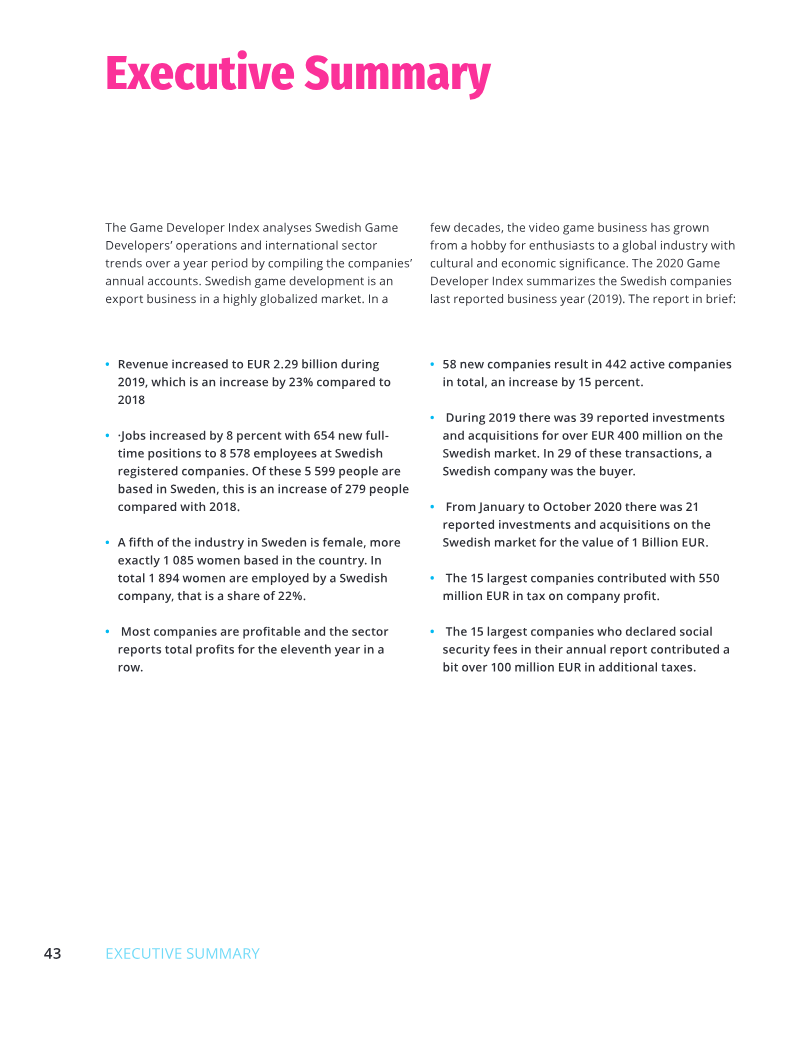
The Swedish game development industry demonstrates robust economic expansion and sustained profitability, functioning as a highly globalized export sector. By analyzing annual accounts from Swedish-registered companies, the industry reports a significant revenue increase to EUR 2.29 billion in 2019, representing a 23 percent growth over the previous year. This marks the eleventh consecutive year of total sector profitability, supported by a 15 percent increase in the number of active companies, which reached 442 by the end of 2019.
Employment trends reflect this upward trajectory, with the workforce growing by 8 percent to a total of 8,578 full-time positions. Of these, 5,599 employees are based within Sweden. While the industry continues to scale, gender diversity remains a focal point, with women comprising 22 percent of the total workforce. The sector’s economic impact extends to significant tax contributions, as the 15 largest companies alone provided EUR 550 million in corporate profit taxes and over EUR 100 million in additional social security fees.
Investment activity highlights the industry's maturity and attractiveness to capital. During 2019, the market saw 39 transactions involving investments and acquisitions totaling over EUR 400 million, with Swedish firms acting as the primary buyer in the majority of cases. This momentum accelerated into 2020, with 21 transactions recorded between January and October valued at EUR 1 billion. Despite these successes, the industry identifies ongoing challenges, particularly regarding the access to specialized talent and the navigation of complex digital market regulations. Future growth is expected to rely on regional clusters, incubators, and a continued commitment to increasing workforce diversity to maintain global competitiveness.
- The Swedish game industry generated EUR 2.29 billion in revenue in 2019, marking a 23 percent year-over-year increase and the eleventh consecutive year of sector-wide profitability.
- Investment activity surged significantly, with 39 transactions totaling over EUR 400 million in 2019, followed by 21 transactions valued at EUR 1 billion between January and October 2020.
- The industry workforce grew to 8,578 full-time positions by the end of 2019, with 5,599 of those employees based in Sweden and women representing 22 percent of the total headcount.
- The sector’s 15 largest companies contributed EUR 550 million in corporate profit taxes and over EUR 100 million in social security fees during 2019.
- The number of active game development companies in Sweden reached 442 by the end of 2019, representing a 15 percent increase from the previous year.
+2
DataspelsbranschenJan 2020
Report14 pages
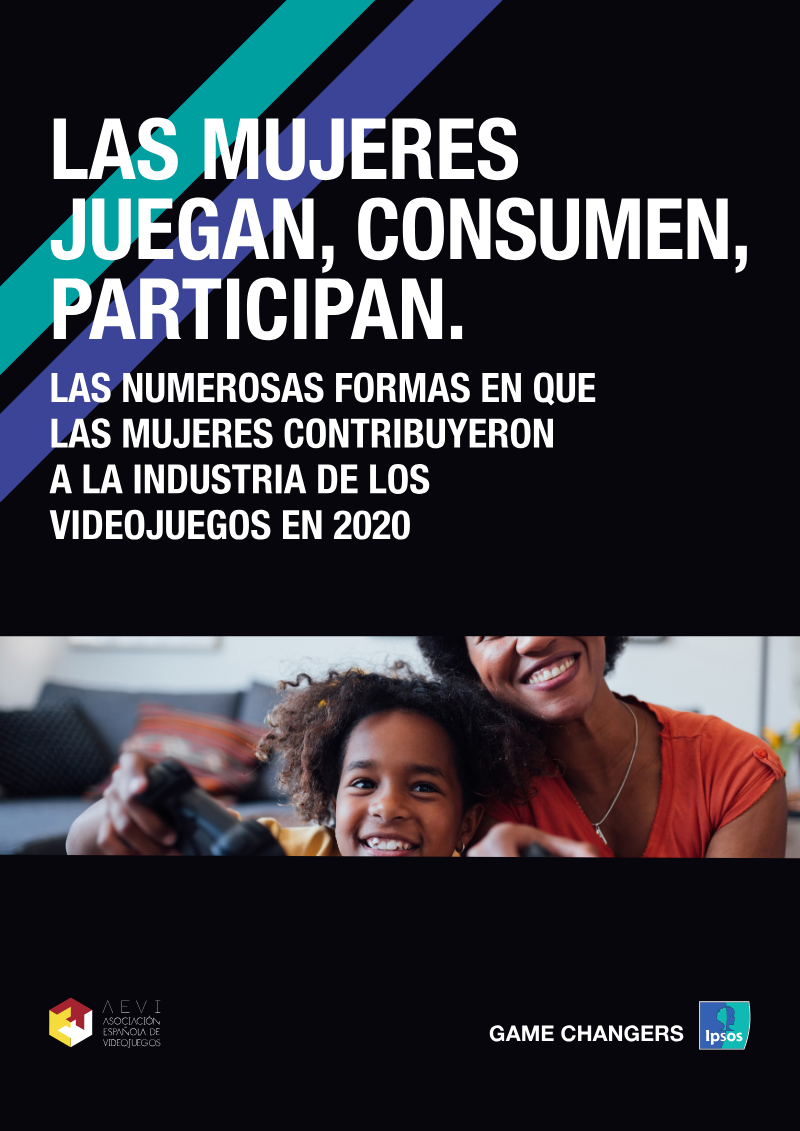
Las Mujeres Juegan, Consumen, Participan: Contribución a la Industria de Videojuegos en 2020
The analysis highlights how women have become a decisive force in the European video‑game market in 2020, both as players and as consumers. By the end of the year 118 million people aged 6‑64 were active gamers across Spain, France, Germany, Italy and the United Kingdom, with women accounting for 47 % of that base—up from 45 % in 2019. During the second‑quarter lockdown a record 60 million women played, and their average weekly playtime rose to 8.8 hours, with console sessions increasing by roughly one hour compared with the previous year. Mobile gaming proved especially important, as smartphone and tablet usage among women grew 3 % between Q1 2019 and Q4 2020.
Financially, women generated 38 % of total video‑game spending in the five markets, translating into approximately €6.8 billion of the €17.8 billion industry revenue—a 31 % year‑on‑year increase. Their purchases were split evenly between console titles and mobile apps, each contributing about €3 billion. The sector’s overall revenue rose by €3.2 billion in 2020, underscoring the economic impact of the expanding female audience.
Work
- Women accounted for 47% of the 118 million active gamers across Spain, France, Germany, Italy, and the UK in 2020, up from 45% in 2019.
- Female gamers generated €6.8 billion in spending in 2020, representing 38% of total industry revenue and a 31% year-on-year increase.
- During the 2020 Q2 lockdown, 60 million women played video games, with average weekly playtime rising to 8.8 hours and console sessions increasing by approximately one hour.
- Spending by women was split evenly between console titles and mobile apps, with each category contributing approximately €3 billion to the total.
- Smartphone and tablet usage among female gamers grew by 3% between Q1 2019 and Q4 2020, highlighting the rising importance of mobile platforms.
+1
AEVIJan 2020
Report16 pages
Rapport Annuel 2020 de l’ALD
Canada’s video‑game sector continued to function as a high‑growth engine in 2020, supporting roughly 48 000 full‑time‑equivalent positions, of which 27 700 are direct industry jobs, and generating about C$4.5 billion in GDP. The number of development studios expanded by 16 percent to approximately 700, and sales increased despite the disruptions of the COVID‑19 pandemic. A remote‑work guide and a targeted outreach campaign helped maintain employment levels, while an economic‑impact study of 185 respondents confirmed a favourable policy and investment climate for the industry.
Leadership within the sector is exemplified by senior figures such as Tania, a veteran with more than 15 years of experience and a champion of diversity through the EA Women’s Employee Resource Group, and Éric Martel, director of AI and machine‑learning at Eidos‑Montréal, who oversees research for flagship franchises. Their profiles underscore the growing technical sophistication and inclusive culture emerging across Canadian studios.
Strategic initiatives in 2020 focused on talent development and cultural recognition. Partnerships with the Conseil des technologies de l’information et des communications launched the Integrated Work‑Based Learning program to place students in industry roles, while the inaugural Canadian Game Awards moved to a digital format. Support for the Canadian Screen Awards introduced three new video‑game categories, signalling the medium’s expanding cultural relevance despite modest submission volumes. Financially, the association reported a solid position, reinforcing its capacity to sustain growth‑oriented programs and diversity‑focused pipelines throughout the Canadian gaming ecosystem.
- Canada’s video game sector generated approximately C$4.5 billion in GDP and supported 48,000 full-time-equivalent positions in 2020.
- The number of development studios in Canada grew by 16 percent in 2020, reaching a total of approximately 700 studios.
- The industry maintained employment levels throughout the COVID-19 pandemic by implementing remote-work guides and targeted outreach campaigns.
- Strategic talent development was bolstered by a partnership with the Conseil des technologies de l’information et des communications to launch an Integrated Work-Based Learning program for students.
- The Canadian Screen Awards increased the cultural recognition of the sector by introducing three new video-game categories.
+1
ESAC – Entertainment Software Association of CanadaJan 2020
Whitepaper2 pages
Good Conduct Guidelines for the Danish Games Industry
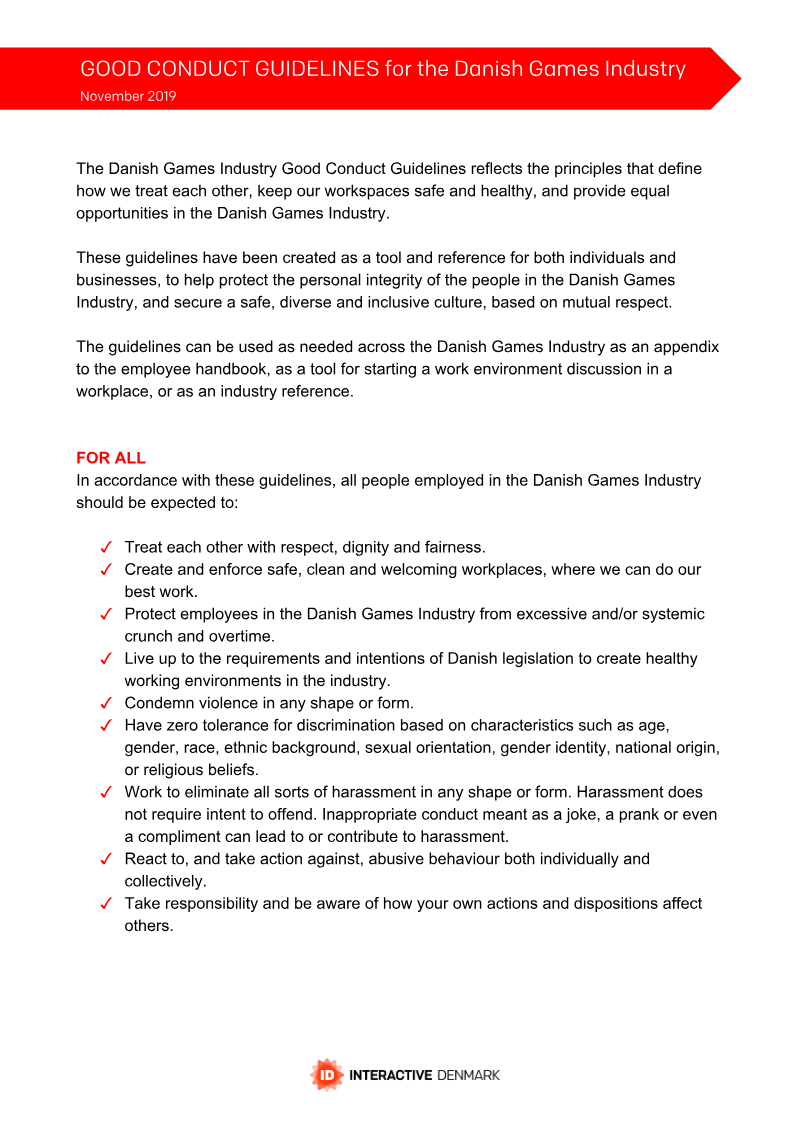
The Good Conduct Guidelines for the Danish Games Industry, published in November 2019, establish a standardized framework for fostering a safe, inclusive, and professional work environment across the Danish game development sector. The primary objective is to protect the personal integrity of industry professionals by promoting a culture of mutual respect, diversity, and accountability. These guidelines serve as a foundational reference for businesses to integrate into employee handbooks or internal policy discussions, ensuring that workplace practices align with both ethical standards and Danish labor legislation.
The guidelines mandate that all industry participants uphold principles of dignity and fairness, with a specific emphasis on eliminating systemic crunch, excessive overtime, and all forms of harassment or discrimination. The policy adopts a zero-tolerance stance toward abusive behavior, noting that harassment is defined by its impact rather than the intent of the perpetrator. Furthermore, the framework places a heightened responsibility on management to act as ethical role models, proactively prevent unsafe conditions, and ensure that employees can report grievances without fear of retaliation.
To support enforcement, the guidelines outline clear procedures for addressing workplace misconduct. Employees are encouraged to engage with internal representatives, such as HR or management, while also being reminded of their rights to seek external support through labor unions, occupational health providers, or the Danish Working Environment Authority. By formalizing these expectations, the industry aims to standardize professional conduct and ensure that all developers and staff operate within a healthy, sustainable, and welcoming environment.
- The Good Conduct Guidelines, published in November 2019, establish a standardized framework for professional behavior and workplace safety across the Danish game development sector.
- The policy mandates the elimination of systemic crunch and excessive overtime to ensure a sustainable working environment for all industry staff.
- Harassment is defined by its objective impact on the victim rather than the intent of the perpetrator, and the industry maintains a zero-tolerance stance toward all forms of abusive behavior.
- Management holds a heightened responsibility to act as ethical role models, proactively prevent unsafe conditions, and guarantee that employees can report grievances without fear of retaliation.
- The guidelines align internal workplace practices with Danish labor legislation to promote a culture of mutual respect, diversity, and accountability.
+1
Danish Games IndustryNov 2019

Report48 pages
Swedish Game Developer Index 2019
Published by the Swedish Games Industry Illustration, cover: Pontus Ullbors Text & analysis: Johanna Nylander The Swedish Games Industry is a collaboration between trade organizations ANGI and Spelplan-ASGD. ANGI represents publishers and distributors and Spelplan-ASGD represents Dataspelsbranschen Swedish Games Industry Magnus Ladulåsgatan 3, SE-116 35 Stockholm Contact: [email protected] KEY FIGURES 2018 2017 2016 2015 ...
- The Swedish games industry experienced significant growth in 2018, with a 33% increase in value to EUR 1.87 billion, marking its tenth consecutive profitable year with total profits exceeding EUR 335 million.
- The industry is expanding, with 41 new companies and over 600 new employees added in Sweden in 2018, an increase of 12% in new companies.
- The corporate landscape has shifted, with seven companies now having revenues over EUR 100 million; Embracer Group, after acquiring Koch Media, is the largest Swedish games company, surpassing previous dominators Mojang and King.
- Swedish game companies contribute significantly to the economy, with the 25 largest companies paying EUR 114 million in tax on profits and the 15 largest contributing over EUR 100 million in wage taxes.
- Swedish game developers are expanding globally, with 31 Swedish-owned studios employing 2,604 people outside Sweden in 2018, and notable acquisitions and investments by Swedish companies in international firms.
+1
Swedish Games IndustryJan 2019
Report136 pages
Finnish Game Industry Report 2018
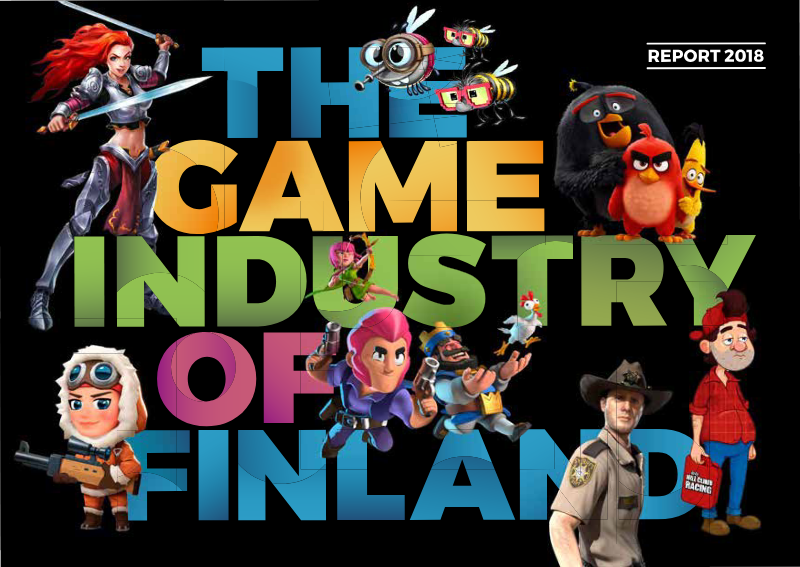
Fingersoft • Ηill Climb Racing 2 Futureplay • Battlelands Royale Next Games • Τhe Walking Dead: Our World Rovio Εntertainment • Angry Birds 2 Small Giant Games • Εmpires & Puzzles Supercell • Brawl Stars, Clash Royale, Clash of Clans and Ηay Day Remedy Εntertainment • Control Rival Games • Τhief of Τhieves: Season One Superplus Games • Ηills of Steel Nitro Games • Ηeroes of Warland Κukouri Mobile Εntertainment • Pixel Worlds Publisher Neogames Finland ry (2019) 2.
- The Finnish game industry has a strong history of significant international investments and acquisitions, including Softbank acquiring 51% of Supercell (2012-2014) and Tencent acquiring 80% of Supercell (2016), alongside numerous game studio acquisitions.
- Helsinki is a global leader in mobile game development, hosting over 80 companies, 1,600 employees (28% non-Finnish), and generating a 2018 turnover of 1.7 billion EUR, with 98.4% from exports.
- Finnish developers are rapidly adopting Nintendo (Switch) as a target platform, with its popularity growing from 4% in 2016 to 20% in 2018; chat games also emerged as a new focus (5% in 2018).
- Multiplatform development is common, with Android (75%), iOS (71%), and PC/PC online (50%) being the most popular platforms in 2018, while Windows mobile and Facebook are no longer targeted.
- Finnish game developers are actively exploring new market disruptions like blockchain, cross-platform games, cloud gaming, subscription models, HTML5 (including chat games), and XR technologies, demonstrating a strong ability to adapt.
+1
Neogames Finland ryJan 2019
Report66 pages
Corporate Responsibility Report 2019
The 2019 corporate‑responsibility effort positions Modern Times Group (MTG) as a dedicated gaming and esports holding that integrates environmental, social and governance (ESG) considerations into its core strategy. By framing responsible practice as a source of competitive advantage for millennial and Gen Z audiences, the company seeks to mitigate material risks—discrimination, event security, exploitation of minors, corruption, occupational and mental‑health concerns, irresponsible marketing and gaming addiction—while driving profitability.
A comprehensive materiality analysis informed a three‑tier priority pyramid that places health‑and‑well‑being and gender equality at its apex. Nine new group policies, including a Code of Conduct, whistle‑blower, anti‑bribery and data‑protection frameworks, achieved a 94 % employee
- Modern Times Group (MTG) has integrated ESG considerations into its core business strategy to mitigate material risks and drive profitability among millennial and Gen Z audiences.
- The company identified health and well-being and gender equality as the top-tier priorities within its three-tier materiality analysis.
- MTG implemented nine new group policies, including frameworks for anti-bribery, data protection, and whistle-blowing, to standardize corporate governance.
- The newly implemented group policies achieved a 94% employee adoption rate during the 2019 reporting period.
- Key risk mitigation efforts focus on addressing discrimination, event security, exploitation of minors, corruption, occupational health, mental health, irresponsible marketing, and gaming addiction.
+1
Modern Times GroupJan 2019
Report41 pages
Corporate Responsibility Report 2018
The 2018 corporate‑responsibility overview for Modern Times Group (MTG) reflects a year of strategic realignment following the spin‑off of its Nordic Entertainment and Studios businesses into the newly listed Nordic Entertainment Group. The core thesis is that MTG’s renewed focus on esports, gaming and broader digital ventures can be pursued responsibly through four pillars—media responsibility, social impact, business ethics and environmental care—underpinned by materiality analyses for both entities and a suite of stakeholder‑driven priorities such as gender diversity, inclusion, GDPR compliance and the protection of minors.
Financially, MTG reported net sales in the range of 15‑20 billion SEK and achieved an 89 % completion rate for mandatory ethics e‑learning. Risk management was strengthened by publishing event‑security guidance adopted by eight of twenty‑one partners, and by prioritising attendee safety at esports tournaments. Social contributions included a $18 k donation to UCSF, multi‑million‑dollar fundraising for Save the Children and the Diabetes Foundation, and the launch of education programmes targeting young gamers. Governance was reinforced through board oversight, external audits and memberships in more than a dozen industry bodies—including the IGDA, Esports Integrity Coalition and MESA—facilitating continuous stakeholder engagement via surveys, focus groups and board‑level dialogues.
Environmental reporting showed a total carbon footprint of 25,215 t CO₂e, a 7 % year‑on‑year increase, while energy intensity fell sharply from 66 GJ per employee in 2016 to 40 GJ in 2018. Scope 3 emissions from events are now being captured, and no fines were recorded for direct energy use,
- Following the spin-off of Nordic Entertainment Group, MTG realigned its corporate responsibility strategy to focus on esports, gaming, and digital ventures.
- MTG reported net sales between 15 and 20 billion SEK for the 2018 fiscal year.
- The company’s total carbon footprint reached 25,215 t CO₂e, representing a 7% year-on-year increase, despite a reduction in energy intensity to 40 GJ per employee from 66 GJ in 2016.
- Governance and compliance efforts included an 89% completion rate for mandatory ethics e-learning and the implementation of GDPR-focused policies.
- MTG strengthened event safety by publishing guidance adopted by eight of its twenty-one partners and prioritizing security at esports tournaments.
+1
Modern Times GroupMar 2018
Report48 pages
Spelutvecklarindex 2018
Framsida (collage) & fristående illustrationer: Anna Nilsson Text & analys: Johanna Nylander Dataspelsbranschen är en samarbetsorganisation för ANGI och Spelplan-ASGD. ANGI representerar förlag samt distributörer och Spelplan-ASGD representerar utvecklare Dataspelsbranschen | Swedish Games Industry Klara norra kyrkogata 31, Box 22307 SE-104 22 Stockholm Kontakt: [email protected] NYCKELTAL Förändring 2012-2017 Oms.
- The Swedish game industry's revenue reached 14,695 MSEK in 2017, continuing a strong growth trend from 3,715 MSEK in 2012.
- Employment in the Swedish game industry increased by 24% (1,047 full-time positions) in 2017, nearly doubling the 558 new positions from 2016, but companies still face recruitment challenges and a shortage of skilled developers.
- The number of women in the Swedish game industry has quintupled in six years, with women now making up 20% of all employees, and more women are taking leadership roles, such as Ebba Ljungerud becoming CEO of Paradox in August 2018.
- Swedish game companies are active in mergers and acquisitions, with notable examples in 2017 including THQ Nordic acquiring Black Forest Games and Pieces Interactive, and Starbreeze acquiring Dhruva Interactive and Enterspace AB.
- The industry benefits from diversified revenue streams like 'games as a service' (GaaS), microtransactions, and subscription models, leading to more stable income and higher valuations for publicly traded game companies.
+1
DataspelsbranschenJan 2018
Report47 pages
Corporate Responsibility Report 2017
Modern Times Group (MTG) presented a comprehensive overview of its corporate responsibility performance for 2017, positioning itself as a global digital‑entertainment leader with approximately 3,700 employees and net sales of €16‑17 billion SEK. The report emphasizes MTG’s commitment to “media for good,” detailing initiatives that safeguard children through parental controls, audio‑description (covering 15 % of output) and subtitles (89 % of output), and noting a decline in broadcast‑compliance complaints to 49, with none upheld by Ofcom. Recognition of its children’s programming was underscored by a Kristallen award.
Diversity and inclusion formed a central pillar of the strategy, with the workforce representing 59 nationalities and achieving near‑gender parity in Sweden and Finland (48 % women). The company set a 50/50 gender‑balance target for 2020, yet disclosed a persistent gender‑pay gap—women earned 66‑67 % of men’s basic salary, and female representation fell to 20 % at senior‑executive levels. Employee engagement remained high, reflected in an 84 % satisfaction rate and an 88 % sense of pride, while turnover stood at 16.5 %, driven primarily by male departures.
Environmental performance revealed a 49.7 % increase in total greenhouse‑gas emissions versus 2016, largely attributable to the inclusion of MTGx operations and air travel, which accounted for roughly 70 % of emissions. Excluding air travel, emissions declined 12 % year‑on‑year, and overall energy consumption dropped from 71,782 GJ in 2015 to 51,459 GJ in 2017. The group’s external gaming arm, alongside its esports and digital‑entertainment divisions, contributed to a diversified portfolio spanning Europe and North America.
Independent assurance by Ethos International confirmed compliance with GRI Core “in‑accordance” standards, identifying minor calculation errors and recommending enhancements in materiality analysis, equality and diversity focus, supplier code enforcement, and HR system integration. Stakeholder surveys and user testing were highlighted as effective mechanisms for aligning responsibility initiatives with customer expectations.
- MTG reported a 49.7% increase in total greenhouse-gas emissions in 2017 compared to 2016, with air travel accounting for approximately 70% of the company's total emissions.
- While MTG achieved near-gender parity in Sweden and Finland at 48%, female representation at the senior-executive level remained low at 20%, and women earned only 66–67% of the basic salary of their male counterparts.
- The company set a formal target to achieve a 50/50 gender balance across its workforce by 2020.
- MTG demonstrated strong broadcast compliance in 2017, recording 49 complaints with zero upheld by Ofcom, while 89% of output included subtitles and 15% included audio-description.
- Total energy consumption across the group decreased significantly from 71,782 GJ in 2015 to 51,459 GJ in 2017.
+1
Modern Times GroupJan 2017
Report72 pages
Finnish Game Industry Report 2016
16 | The State of The Finnish Game Industry 22 | Location of Companies and Clusters 36 | Trends and Future / Platforms and Genres 43| Trends and Future / Industry Framework 48 | The Industry Support and Networks 49 | Suomen Pelinkehittäjät ry 55 | IGDA Finland ry 4 72 | Studio Profiles (separate file) ABOUT THIS REPORT Cities: Skylines have conquered the world, and well over a billion people FOR almost a decade, our game all over the globe...
- The Finnish game industry employed 2,750 people in 2016, a steady increase from 2,500 in 2014 and 2,700 in 2015. The industry's turnover reached €2.5 billion in 2016, up from €2.4 billion in 2015 and a significant rise from €87 million in 2008.
- The number of active Finnish game companies grew from 2 in 2002 to 250 in 2016, with a notable acceleration in new studio founding years after 2010.
- Key challenges for Finnish game developers include the high cost and difficulty of user acquisition for Free-to-Play games, the unpredictability of the industry, and the need for professional management as companies grow.
- Mobile e-sports showed faster progress than VR in 2016, with VR remaining a niche market due to immature technology. Wargaming and Zynga established mobile development operations in Helsinki.
- Rovio's 'The Angry Birds Movie,' released in spring 2016, became the most successful film based on a mobile game. Secondary platforms like AppleTV and Android TV are gaining importance for mobile developers due to easier discoverability.
Neogames FinlandJan 2016
Report116 pages
Finnish Game Industry Report 2014
17 | The Founding Years of Studios 29| Financial Outlook ob 40 | Finnish game developer studios assn. Fingersoft • Hill Climb Racing Rovio Entertainment • Angry Birds, Supercell • Clash of Clans, Hay Day Two Men and a Dog • Zombie Catchers THE OLDEST Finnish game companies still in existence are turning 20 this year (2015).
- The Finnish game industry experienced explosive growth in 2014, with turnover reaching approximately €1.8 billion, a 100% increase from the previous year, though accounting practice changes affect direct comparability.
- The industry's turnover per employee significantly increased, from €75,850 in 2008 to €720,000 in 2014, largely due to digital distribution and the Free-to-Play (F2P) model in mobile games.
- Employment in the Finnish game industry has grown steadily, reaching 2,500 people in 2014, up from 1,147 in 2008.
- The concentration of game developer studios in the capital area (Helsinki, Vantaa, Espoo) has decreased from 64% in 2009 to 38% in 2014, with regional clusters emerging in cities like Turku and Tampere.
- The Finnish game industry has a history rooted in the late 1990s 'Internet bubble,' with Nokia's investment in WAP protocol influencing its direction into the next decade.
+1
Neogames FinlandMar 2015
Report62 pages
MTG Corporate Responsibility Report 2015
In 2015 the media group placed corporate responsibility at the core of its strategy, integrating ethical governance, sustainability and gender‑parity objectives across a global operation that spans 165 countries and includes broadcast, content localisation and e‑sports segments. The company achieved a 96 % compliance rate among 514 new hires—drawn from 38 nationalities—who signed a unified code of conduct, whistle‑blower and anti‑bribery policies aligned with the UN Global Compact and OECD guidelines, while stakeholder engagement was overseen by a dedicated board committee.
Environmental performance showed mixed results: total carbon emissions rose 13 % since 2010, driven largely by travel that accounted for 61 % of emissions, and overall energy use increased 3 %. Nevertheless, the firm earned a 95 C rating on the Dow Jones Sustainability Index for the third consecutive time, a CDP disclosure score of 95 C, and operates a “green” office equipped with more than 200 solar panels. Targets for 2016 include a 23 % reduction in employee energy use (baseline 2010), expansion of renewable energy, and comprehensive data‑privacy training in response to upcoming EU legislation.
Social impact was highlighted by a 91 % accessibility rate for
- MTG achieved a 96% compliance rate among 514 new hires across 38 nationalities regarding its unified code of conduct, anti-bribery, and whistle-blower policies.
- Total carbon emissions increased by 13% since 2010, with business travel accounting for 61% of the company's total emissions footprint.
- The company maintained a 95C rating on the Dow Jones Sustainability Index and a 95C CDP disclosure score for the third consecutive year.
- Energy use rose by 3% overall, prompting a 2016 target to reduce employee energy consumption by 23% relative to 2010 levels.
- Governance and stakeholder engagement were formalized through a dedicated board committee overseeing operations across 165 countries.
+2
Modern Times GroupJan 2015

Report45 pages
MTG Corporate Responsibility Report 2013
In 2013 the media group embedded sustainability within its core strategy, aligning business growth with responsible practices and earning inclusion in the Dow Jones Sustainability Europe Index and FTSE 4Good. Financially, the company generated €14.1 billion in net sales and €1.9 billion in operating profit while employing 3,361 staff and expanding into new European markets through the launch of its digital platform MTGx. Its corporate‑responsibility framework is built on four pillars—media responsibility, employees and workplace, environment and community, and business ethics—each supported by concrete actions and measurable targets.
Compliance and societal impact were central to operations. A dedicated “C‑Team” ensured that broadcast and on‑demand content met EU, UK (Ofcom, ASA) and local regulations, with 85 % of programming already adapted for regional standards. The group leveraged its TV, radio and digital assets for charitable campaigns, delivering more than €4.3 million in media‑time value for Typhoon Haiyan relief, €438 k for the “Angels over Latvia” tour, €115 k for a Lithuanian zoo‑elephant project, and additional support for health, education and wildlife initiatives across Ghana, Estonia, Sweden, Bulgaria and other markets.
Environmental performance improved markedly. The new London headquarters attained a BREEAM “Excellent” rating and installed roof‑mounted solar panels that now supply the majority of its electricity, producing a quantifiable reduction in CO₂ emissions. The company’s CDP climate‑change score rose to 88, reflecting stronger governance and disclosure. A materiality analysis highlighted data integrity, privacy and child‑online‑safety as top concerns, prompting new internal policies, anti‑corruption training completed by all staff, and an updated Code of Conduct with 78 % e‑learning uptake.
Gender equity showed progress
- MTG achieved €14.1 billion in net sales and €1.9 billion in operating profit in 2013, supported by a workforce of 3,361 employees and the launch of the digital platform MTGx.
- The company earned inclusion in the Dow Jones Sustainability Europe Index and FTSE4Good by integrating sustainability into its core business strategy.
- MTG utilized its media assets to provide over €4.3 million in value for Typhoon Haiyan relief, alongside significant charitable contributions for various health, education, and community initiatives.
- A dedicated 'C-Team' ensured regulatory compliance across broadcast and on-demand content, with 85% of programming adapted to meet specific EU, UK, and local standards.
- The company’s London headquarters achieved a BREEAM 'Excellent' rating and transitioned to solar-powered electricity, contributing to an improved CDP climate-change score of 88.
+2
Modern Times GroupJan 2013
Report51 pages
Corporate Responsibility Report 2012
The 2012 Modern Responsibility report positions sustainability as a central driver of long‑term growth for MTG, outlining a strategic agenda that integrates environmental, social and governance objectives across its broadcast, radio and digital operations. The company set 2012 targets that focus on benchmarking training, revising supplier policies and tightening anti‑corruption controls, while maintaining net sales of roughly SEK 13 billion and seeing operating income decline to SEK 2.1 billion.
Corporate responsibility is organized around four pillars—Business, Community, Colleague, and Broadcast & Marketing—and is anchored in the UN Global Compact, OECD guidelines and local legislation. A publicly available Code of Conduct, anti‑corruption and whistle‑blower policies, and supplier principles support implementation across more than 30 broadcast markets. Content accessibility is emphasized, with 85 % of programming offered in subtitles, dubbing or voice‑over, and continuous e‑learning, including the MTG Academy’s sales and leadership programmes, is provided to staff.
Environmental performance improved markedly: CO₂ emissions fell 6 % per employee, surpassing the 5 % reduction goal, and 80 % of employees completed green‑thinking training. Power‑down measures limited standby consumption to under 0.5 W, while the Carbon Disclosure Project score rose from a D‑grade to a B‑grade. Partnerships with NGOs such as London Wildlife Trust, Earth Hour and Latvia’s “Big Clean‑up” mobilised 210 000 volunteers and removed 100 t of litter, illustrating the use of MTG’s media reach to promote greener consumer behaviour.
External assurance by Ethos International under AA1000AS granted a C+ rating, confirming overall confidence in the self‑reported data while noting minor data‑entry errors, incomplete site‑level reporting and a need for deeper stakeholder engagement and materiality analysis. The report therefore concludes that MTG largely met its 2012 sustainability targets, identified climate‑related risks, and instituted processes to mitigate them, reinforcing its commitment to responsible growth across a global, multi‑segment media portfolio.
- MTG maintained net sales of approximately SEK 13 billion in 2012, though operating income declined to SEK 2.1 billion.
- Environmental initiatives exceeded targets as CO₂ emissions per employee fell by 6%, surpassing the 5% reduction goal.
- The company improved its Carbon Disclosure Project score from a D-grade to a B-grade through power-down measures and staff training.
- MTG leveraged its media reach to mobilize 210,000 volunteers for environmental NGO partnerships, resulting in the removal of 100 tonnes of litter.
- Accessibility efforts resulted in 85% of programming being offered with subtitles, dubbing, or voice-over.
Modern Times GroupJan 2012