Updated Apr 30, 2026 by Modern Times Group
Report
Published by Modern Times Group
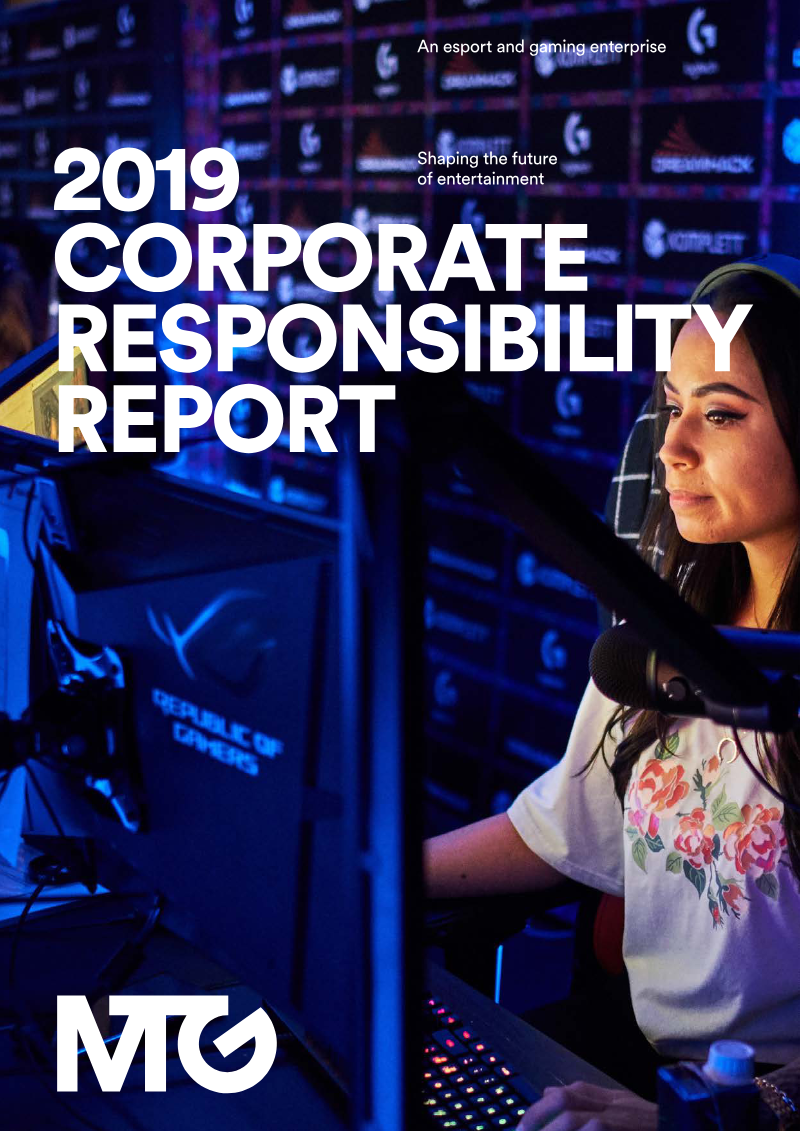
Following its 2019 corporate spinoff, MTG established a comprehensive environmental, social, and governance framework to align its operations with the unique risks and opportunities inherent in the global gaming and esports sectors. The primary objective of this strategy is to foster long-term profitability and sustainable entertainment by prioritizing ethical conduct, the protection of minors, and the mitigation of industry-specific hazards. By implementing a revised Code of Conduct, which achieved a 94% adoption rate among employees and contractors, the company has successfully reinforced its commitment to anti-corruption, privacy compliance, and standardized governance across its international operations. Social responsibility efforts center on improving diversity and inclusion within a historically male-dominated industry, where women currently comprise 22% of the workforce. To address these disparities and combat toxicity, MTG utilizes targeted recruitment, mentorship programs, and strategic partnerships with organizations like AnyKey and UNICEF. Furthermore, the company maintains a rigorous focus on event safety, employing standardized security protocols and risk assessments at its global tournaments and festivals. These initiatives are complemented by community-focused programs, including support for computer science education and hospital-based gaming initiatives for children. Environmental stewardship remains a critical operational challenge, as 95% of the company’s 27,390-tonne carbon footprint is attributed to travel associated with global esports events. In response, MTG has established a new carbon emissions baseline and implemented digital tracking tools to monitor environmental impact more effectively. While the spinoff of the Nordic Entertainment Group complicates year-over-year comparisons, the company is actively transitioning toward sustainable event practices, including the use of eco-certified venues. Moving forward, MTG intends to refine its supply chain oversight and continue its commitment to transparent, GRI-compliant reporting to ensure the ongoing integrity of its corporate responsibility initiatives.
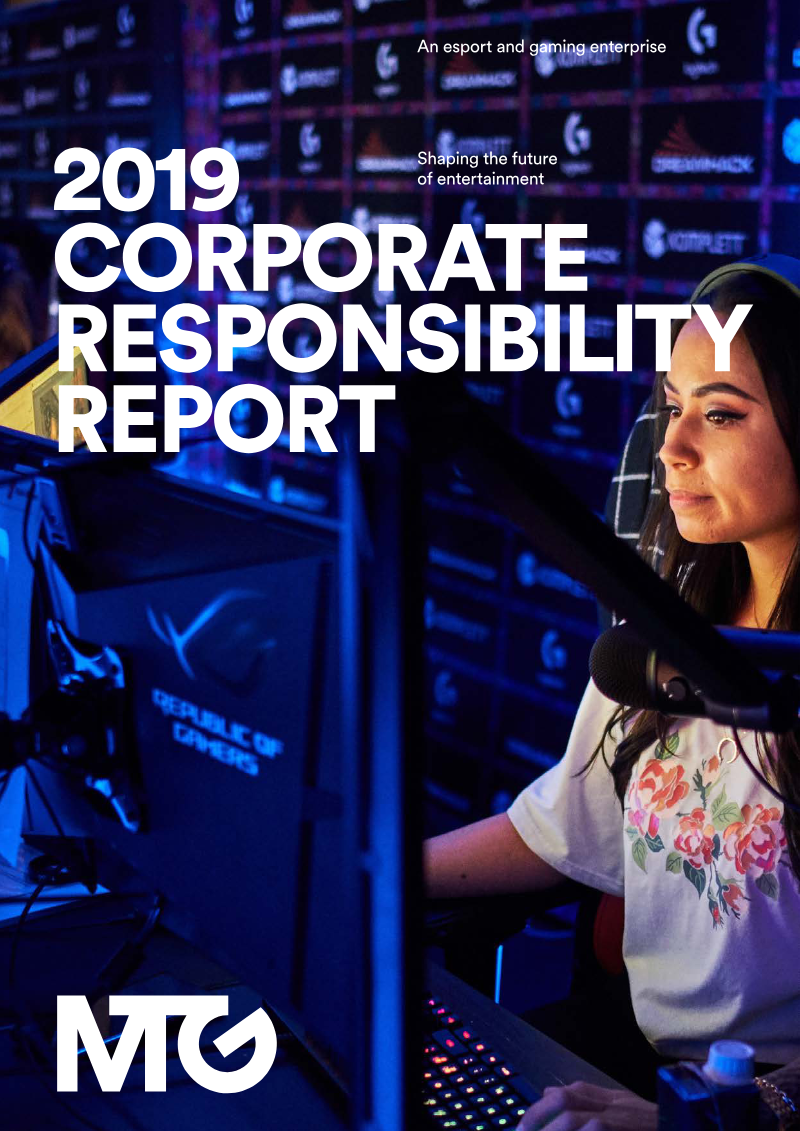
2019 Shaping the future of entertainment Shaping the future of entertainment CORPORATE RESPONSIBILITY REPORT DEPRULIC F CAHERS
01 LETTER FROM THE HEAD OF 02 CORPORATE RESPONSIBILITY 06 LETTER FROM THE CEO 06 CR STRATEGY AND RISK MANAGEMENT 12 MTG OVERVIEW SO CIAL IMPACT 12 Overview 13 Highlights 14 Protection of minors and responsible 18 gaming for all 22 Gender equality, diversity and inclusion 24 Event safety and security 28 B Giving back to society 2 USINESS ETHICS 8 Overview 29 Highlights 30 Compliant business 34 How we govern 36 Strategic association memberships 40 Stakeholder Engagement 46 42 Our Value Chains E NVIROMENT 46 Overview 48 47 Environmental Work ABOUT THE REPORT 50 Workforce Data 57 Corporate Giving Data 58 Environmental Data 59 Financial Data 60 Compliance Data 61 GRI Index 64 Report Boundaries and Scope 65 Independent Assurance Statements
LETTER THE FROM HEAD OF CORPORATE RESPONSIBILITY Welcome to our 2019 Corporate Responsibility Report. The past year has been both eventful and challenging – but it is just the beginning of a new and exciting journey ahead! 2019 was the year we became the new MTG – a strategic operational and investment holding company with a sharpened focus on gaming and esport entertainment. As we make a fresh start, we have been roll ing out our refined Corporate Responsibility strategy and building new foundations together with our subsidiaries. This year’s report will give you an initial insight into the new basis for our sustainability work going forward. As sustainability gains importance in gaming and esport, we want to proactively turn risks into opportunities, and be part of building a more sustainable industry with our partners, suppliers and peers. It is our ambition to ensure that everyone playing our games, visiting or participating in our events feels both welcome and safe. Keeping in mind that both the esport and gaming industry are young, still developing and fast paced, we need to acknowledge that the implementation and incorporation of Corporate Responsibility will take time. Our subsidiaries need to fully embrace Cor porate Responsibility and the fact that when done in the right way, it will not only make us more compliant or sustainable, but will also create a competitive advantage and boost our bottom line. Besides, our core tar get groups, millennials and GenZs, expect nothing less of us. The path we have marked out ahead of us will require commitment, teamwork, struc ture and dedication. But we are ready to embrace this journey – join us!
o create a competitive advantage and boost our bottom line. Besides, our core tar get groups, millennials and GenZs, expect nothing less of us. The path we have marked out ahead of us will require commitment, teamwork, struc ture and dedication. But we are ready to embrace this journey – join us! Christin Hertzberg Head of Corporate Responsibility, MTG
LETTER FROM GRI ₁₀₂₋₁₄ GRI 102-15 THE CEO Following a year that was both exciting and challenging, our Corporate Responsibility journey continues as we shape the future of entertainment. A new beginning Following the spinoff of the Nordic Enter tainment Group from our business, we have developed and are implementing a new Corporate Responsibility strategy. The strategy is designed to cope with and focus on the main risks we are faced with. It will also enable us to be at the forefront of developing the sustainable entertainment of tomorrow in our fast-paced industry. During the year, we rolled out the new strat egy in the MTG group and are now working on fully implementing and integrating it into our everyday business. We understand that a more sustainable business is a more profita ble business. However, refining how we man age our business is a journey and as we reboot our business after the spinoff, we will continue to develop our sustainability efforts and structures. We will continue to report according to GRI Standards, as it provides a clear framework and approach to sustainabil ity as well as providing comparability to peers who follow the same framework. We have identified the risks we need to miti gate, but we also have significant opportu nities to further improve and develop our business. In addition, we have implemented a new policy framework headed by an updated Code of Conduct, and I am pleased to report that 94% of our employees have signed it to date.
tified the risks we need to miti gate, but we also have significant opportu nities to further improve and develop our business. In addition, we have implemented a new policy framework headed by an updated Code of Conduct, and I am pleased to report that 94% of our employees have signed it to date. My 2019 highlights I am very proud of the collaboration we established with UNICEF during the year. This involved participating in UNICEF research on children’s rights in a digital world and online gaming, which looked into the challenges as well as the opportunities. Another highlight for me, and for our work with gender equality and inclusion in par ticular, was the launch of DreamHack Show down Valencia that was an all-women CS:GO tournament with the same prize pool, support and facilities as a male tourna ment. We believe that women and men should be able to compete on equal terms, we want to pave the way for a unified esport environment, and this event was certainly a step in the right direction. The importance of sustainability for gaming and esport The gaming and esport fan bases predomi nately comprise of millennials and Gen-Zs. These generations not only value sustainabil ity – they have high expectations on it. They want to work for responsible employers and consume sustainable products, which high lights the importance of continuing our focus on sustainability. We think that it is equally important to keep an eye on the broader trends of the industry such as the commer cialization of esport and the increasing com petition of the gaming industry in a globaliz ing world, in which Corporate Responsibility becomes as stronger factor.
Modern Times Group (MTG) navigated a pivotal digital transformation in 2016 by embedding corporate responsibility into its core business strategy. The organization focused on four primary pillars: media responsibility, social impact, business ethics, and environmental stewardship. By aligning its operational evolution with these values, the company secured recognition in the Dow Jones Sustainability Indices and established a framework for long-term growth. This strategic shift prioritized the integration of ethical standards into digital entertainment services, ensuring that the company’s transition remained consistent with its commitment to regulatory compliance and stakeholder accountability. Operational performance throughout 2016 reflected a dual focus on internal culture and external resilience. The company successfully reduced its total carbon emissions by 7% and increased its reliance on renewable energy to 16.6%. Simultaneously, MTG bolstered its cybersecurity and anti-corruption frameworks, achieving an 81% completion rate for mandatory information security training and maintaining a record of zero confirmed corruption incidents. Governance was further strengthened through the Corporate Responsibility Advisory Group, which oversaw the implementation of rigorous data protection measures and preparations for upcoming regulatory shifts like GDPR. Human capital management and social engagement remained central to the company’s mission, despite a workforce reduction to 3,805 employees. MTG actively pursued gender parity in leadership through the "Women Up" initiative, aiming for a 50/50 management split by 2020. Furthermore, the company leveraged extensive consumer research and partnerships, such as "Reach for Change," to ensure content alignment with viewer preferences and broader social impact. While the company acknowledged limitations in HR data granularity, its disclosures adhered to the GRI G4 Core level guidelines, confirming a transparent and disciplined approach to corporate governance across its international operations.
Everplay maintains a zero-tolerance stance toward modern slavery and human trafficking across its global operations and supply chains. As a UK-centered video games developer and publisher, the organization identifies as having a relatively low inherent risk due to the nature of the digital entertainment industry. The operational scope covers the financial year ending December 31, 2025, and encompasses approximately 370 employees working across the United Kingdom, Ireland, Germany, the United States, and Canada. The primary supply chain expenditures involve milestone and royalty payments to third-party development partners, alongside work-for-hire contracts for game development, localization, and quality assurance testing. While the overall risk profile remains low, the organization identifies localization and quality assurance as areas carrying a slightly higher risk. To mitigate these concerns, all new and renewing contracts include mandatory compliance clauses regarding the Modern Slavery Act 2015, granting the company the right to terminate agreements in the event of a breach. Governance is managed through the Audit Committee, which reports to the Board of Directors at least twice annually. Due diligence efforts include a risk-based approach to supplier assessment and the implementation of internal policies such as whistleblowing, anti-bribery, and grievance procedures. Employees and third parties are provided with confidential reporting channels, including an external hotline. The effectiveness of these measures is tracked through an annual risk register assessment, which currently reports zero incidents of modern slavery. Training and awareness initiatives are provided to ensure that employees and stakeholders can identify and report potential risks effectively.
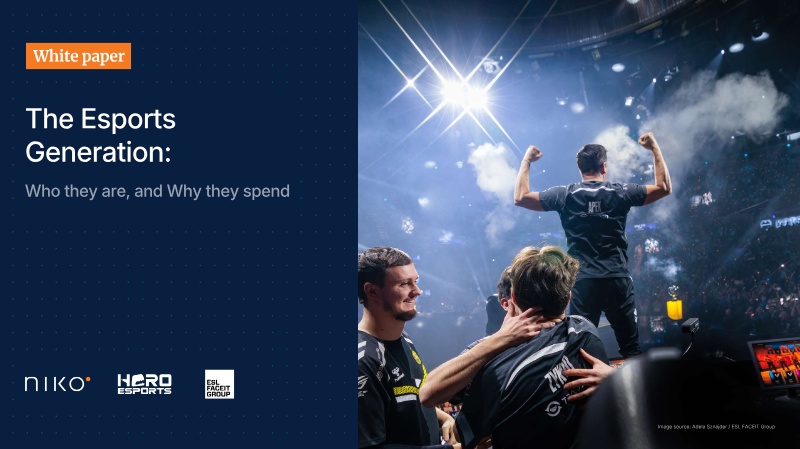
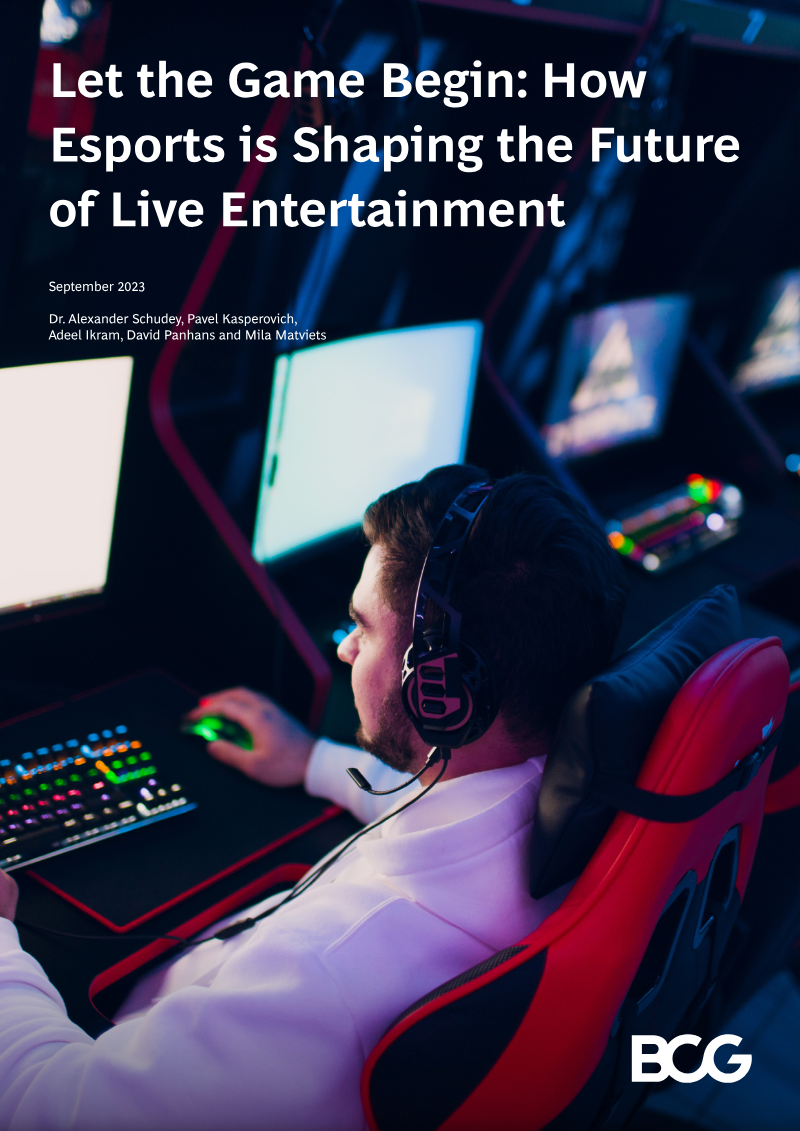
Esports is rapidly evolving into a mainstream live‑entertainment sector, with viewership surpassing 100 million hours and prize pools doubling since 2018. The industry’s growth outpaces traditional sports, registering a 10 % year‑over‑year increase while leagues such as the NFL and NBA stagnate. Core titles—League of Legends, CS:GO, Mobile Legends: Bang Bang, Dota 2 and Valorant—concentrate 70 % of total viewing hours, yet an estimated $2.5 billion in untapped gamer audiences remains available, underscoring significant scalability potential. Geographically, governments across France, Denmark, China and Japan are investing in infrastructure, tax incentives and athlete support, while the International Esports Federation seeks Olympic recognition. Sponsorship penetration has reached 45 % of non‑gaming brands, and universities now offer esports scholarships, indicating a blending of traditional sports support structures with the unique dynamics of game publishers. However, media‑rights monetisation remains constrained by fragmented licensing arrangements. The absence of a unified regulatory body creates volatility for players; games and prize pools can collapse abruptly, as seen with Fortnite and Heroes of the Storm. Coordinated regulation, career pathways, post‑career support and state investment are identified as essential for legitimising esports as a sustainable profession. In sum, the sector demonstrates explosive growth and high engagement among younger, tech‑savvy audiences, but requires cohesive governance and media‑rights frameworks to unlock its full economic potential.
Take-Two Interactive Software establishes a comprehensive framework for maintaining ethical business practices and safeguarding human rights across its global operations as of October 2025. The primary objective is to eliminate modern slavery, forced labor, and human trafficking within the organization and its extensive supply chains. This commitment extends across all major publishing labels, including Rockstar Games, 2K, Private Division, and Zynga, covering the development and distribution of interactive entertainment for console, PC, and mobile platforms. The policy outlines rigorous hiring and employment standards, mandating that all employees be at least 16 years of age and that employment is strictly voluntary. Compensation and benefits are reviewed annually to ensure they meet or exceed legal minimums and market standards. Furthermore, the company enforces a strict non-discrimination policy, ensuring that recruitment and career advancement are based solely on ability and merit rather than protected characteristics. These internal standards are reinforced by a Global Code of Business Conduct and Ethics that applies to all directors, officers, employees, and contractors. To ensure compliance throughout the supply chain, which includes disc replicators, printers, and logistics providers in regions such as North America, Europe, and Japan, the company utilizes a dedicated Supplier Code. This requires third-party partners to represent that they do not utilize child, prison, or slave labor. Oversight is maintained through biennial training for employees and targeted training for consultants. Additionally, the company provides a confidential reporting hotline managed by an independent third party, protecting whistleblowers from retaliation. Key suppliers are also expected to conduct periodic internal or independent audits to verify adherence to labor, health, and safety standards.