Article
2025 Mobile Ad Creative Index
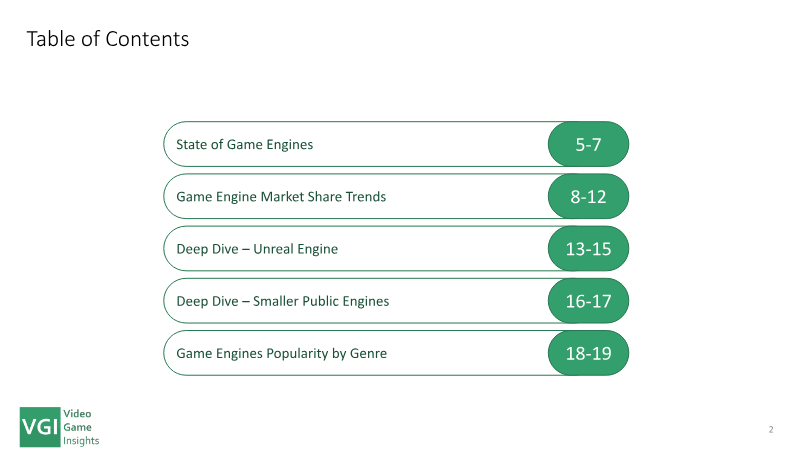
The 2025 Mobile Ad Creative Index examines the evolving landscape of mobile advertising, focusing on how artificial intelligence and interactive formats are reshaping user acquisition and engagement. The analysis highlights a significant shift toward AI-enhanced creative production, which has allowed developers to scale asset variety while maintaining lower production costs. Data indicates that playable ads and interactive end cards continue to outperform static formats, particularly within the gaming sector, where they drive higher conversion rates and better long-term user retention. Geographically, the study covers global trends across North America, EMEA, APAC, and LATAM, providing a comprehensive view of regional performance variations throughout the 2024 calendar year. Industry segments analyzed include casual gaming, midcore titles, and non-gaming apps such as e-commerce and finance. Findings suggest that while video remains the dominant medium for initial impressions, the integration of gamified elements within those videos is essential for capturing the shortening attention spans of mobile users. Methodologically, the insights are derived from an extensive dataset encompassing billions of ad impressions and millions of installs across diverse mobile platforms. The results underscore a growing necessity for hyper-personalization, as creatives tailored to specific player motivations—such as competition or social connection—show a marked increase in return on ad spend compared to generic messaging. Ultimately, the transition toward automated creative optimization and immersive ad experiences represents the primary driver for growth in the increasingly competitive mobile marketplace.
LiftoffJan 2025


Report
Newzoo's Generations Report: How Different Generations Engage with Games
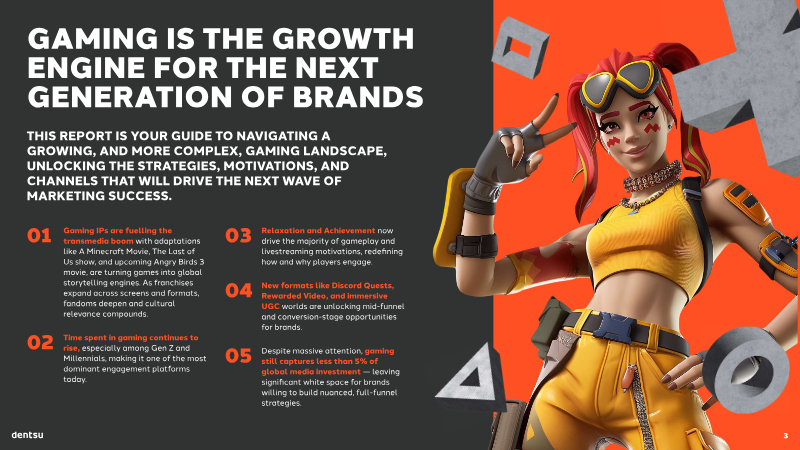
The report examines how gaming engagement varies across generational cohorts, drawing on a representative online sample of 72,068 respondents from 33 global markets (North America, EMEA, APAC). Data were collected via Computer Assisted Web Interviewing between January and April 2021. Findings show that younger generations devote a larger share of leisure time to gaming, with Gen Z and Millennials spending 11–12% of their free time on games versus 18% for Baby Boomers. Weekly playtime averages 7 hours and 20 minutes for Gen Z, 6 hours and 30 minutes for Millennials, dropping to just over 2 hours for Baby Boomers. Gaming remains the dominant entertainment medium across all ages, though motivations shift: younger players cite competition, socializing and achievement, while older players prioritize relaxation. Platform preferences differ markedly; Gen Z spends 77% of gaming spend on mobile, whereas Baby Boomers allocate 73% to PC. Younger gamers also engage more with game‑related content, with 71–67% of Gen Z and Millennials both playing and watching games, compared to 44–51% for older cohorts. Persona segmentation reveals that “Ultimate Gamers” and “Community Gamers” dominate among Gen Z, whereas older groups are more likely to be “Time‑Fillers” or “Bargain Buyers.” The report highlights the metaverse as a growing trend, with 70% of Gen Z and 63% of Millennials expecting to spend more time in virtual worlds. Overall, the study underscores a generational shift toward immersive, social gaming experiences and signals expanding opportunities for brands to reach diverse gamer audiences.
NewzooJan 2025