Untitled Goose Game
GameBy House House
Documents about Untitled Goose Game
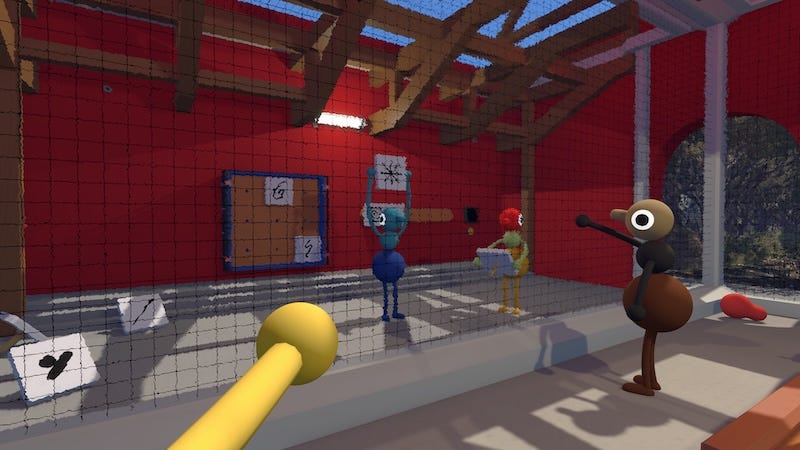
Will Big Walk’s 1m+ Sales Usher in a ‘Co-op Only’ Game Era?
The recent commercial success of the cooperative multiplayer game Big Walk, which achieved over one million sales within its first week of release, serves as a catalyst for examining the viability of the "co-op only" genre.
- House House and Panic’s 'Big Walk' achieved nearly 1 million Steam wishlists at launch without the use of pre-release demos or betas, relying instead on high-profile trailers at The Game Awards and Day of the Devs.
- The game demonstrates the strength of the 'friendslop' genre, with player overlap exceeding 50% for titles like Lethal Company, Risk of Rain 2, and Helldivers 2, despite having only a 6% player overlap with the developers' previous hit, Untitled Goose Game.
- U.S. video game market data for July 2026 shows a 10% year-over-year decline in total spend to $4.5 billion, with console hardware units dropping 39% and spending falling 29% to $282 million, the lowest July total since 2020.
Cultivating a Culture of Experimentation
True innovation within the game development industry necessitates a fundamental structural commitment to organizational conditions that prioritize intrinsic motivation over superficial corporate initiatives.
- Original game studios like FromSoftware, Klei, and Supergiant cultivate innovation through six mutually reinforcing conditions, rather than superficial programs like hackathons or 'creative time'.
- Studio independence is a structural precondition for innovation, allowing studios to kill prototypes, change major systems, or extend production cycles without publisher pressure, as seen with FromSoftware's early Souls games and Klei's self-funded period until 2021.
- Consistently original studios tend to maintain small, clearly led teams (e.g., Klei had 11 people in 2009, House House made Untitled Goose Game with 4), defending against growth to minimize coordination overhead and allow teams to 'hold the game in their heads'.
Interview: Panic's Decade-Long Journey to Build a Handheld
The development of the Playdate handheld console represents a decade-long, unconventional hardware project for Panic, Inc., a company historically focused on software and indie game publishing.
- Panic, Inc. developed the Playdate over a decade, starting in 2012 as a 15th-anniversary project inspired by vintage Nintendo Game & Watch hardware.
- The Playdate ecosystem currently supports over 300 official games and approximately 1,300 third-party titles.
- Financial stability for the hardware project was primarily sustained by revenue from Panic's successful publishing of Untitled Goose Game.

Honk! Inside the Untitled Goose Game Exhibition
The exhibition Honk! at the Australian Centre for the Moving Image (ACMI) in Melbourne serves as a case study on the development of the independent hit Untitled Goose Game.
- The ACMI exhibition 'Honk!' documents the development of House House’s 'Untitled Goose Game' to demystify game design by showcasing raw artifacts like early sketches, design documents, and git commit logs.
- ACMI serves as a significant industry hub for local developers, leveraging co-working spaces and play-testing programs to support commercial successes such as 'Cult of the Lamb'.
- The museum attracts over one million visitors annually, positioning itself as a bridge between technical industry practices and public understanding of digital culture.
How Little Kitty, Big City Purred into Millions of Homes!
This analysis examines the commercial success of the indie title Little Kitty, Big City and evaluates recent structural changes to the Xbox Game Pass subscription model.
- Little Kitty, Big City reached over two million unique players on Xbox Game Pass since its May 2024 launch, ranking as the fourth most-played new title on the service this year.
- On paid platforms, the game achieved a Nintendo Switch to Steam sales ratio of 2.4 to 1.8, indicating a strong consumer preference for handheld play.
- Microsoft’s recent Game Pass restructuring, which includes price hikes and the removal of 'Day One' releases from the Standard tier, aims to increase yield as subscriber growth plateaus.
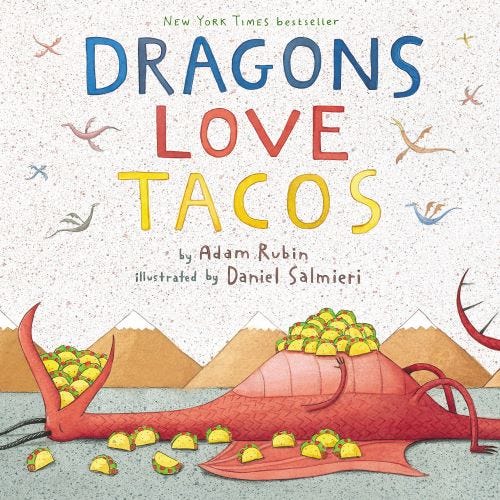
What 'Dragons Love Tacos' Taught Me About Game Discoverability
Effective game discoverability relies on balancing immediate conceptual appeal with long-term gameplay depth.
- Game discoverability requires balancing an immediate, high-concept hook with a substantial, feature-rich core to ensure both initial interest and long-term engagement.
- An 'instant hook' must pass a two-second reaction test, using absurd or high-concept premises to capture attention in a crowded market.
- The 'anchor' provides the foundational genre elements and features necessary to justify the game's price point and reassure players of its value.