ArticleGame Discovery Now
Will Big Walk’s 1m+ Sales Usher in a ‘Co-op Only’ Game Era?
21 Aug 20261 pages~9 min full read
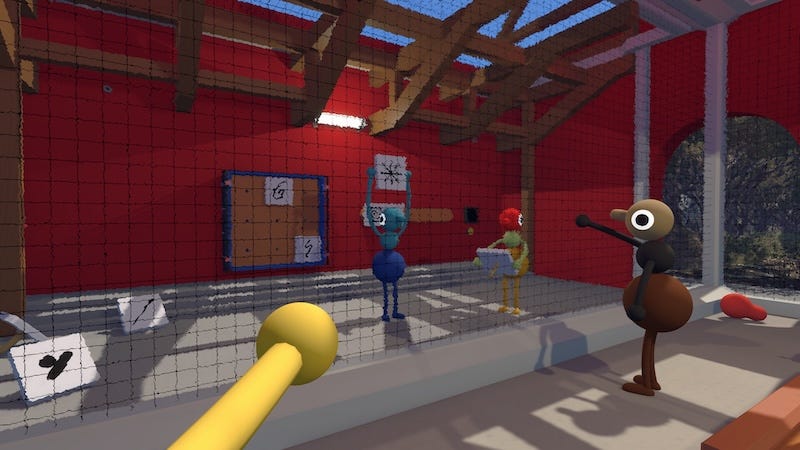
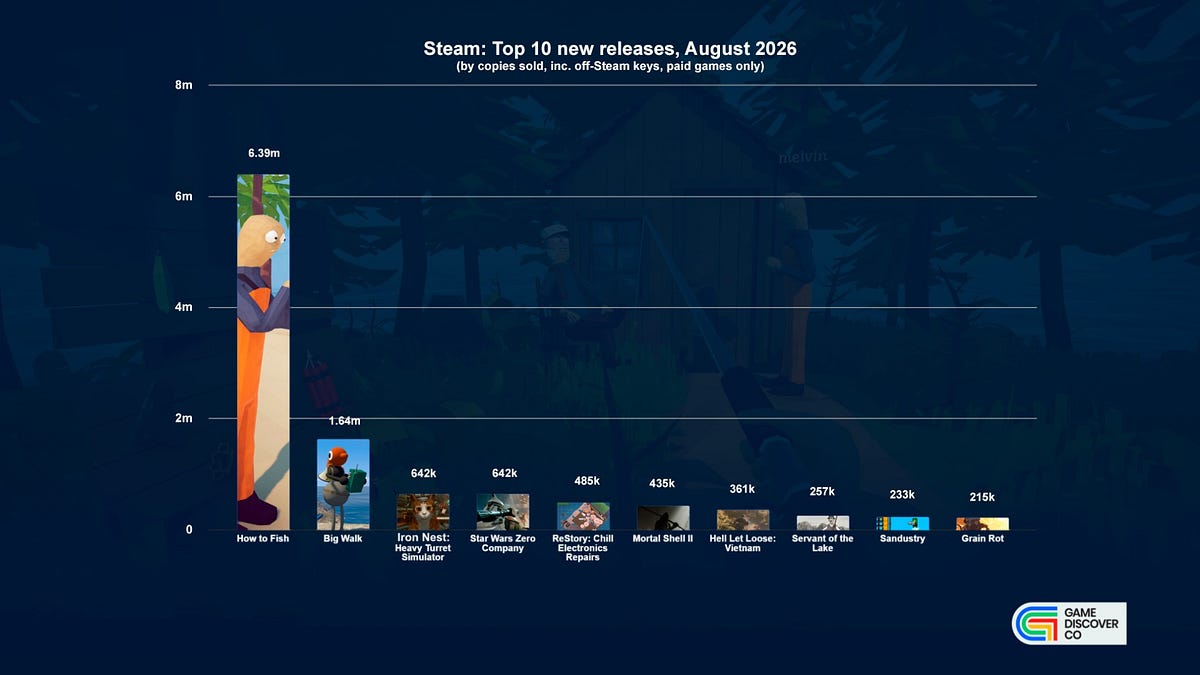
The recent commercial success of the cooperative multiplayer game Big Walk, which achieved over one million sales within its first week of release, serves as a catalyst for examining the viability of the "co-op only" genre. The analysis posits that despite a post-COVID landscape favoring social gaming, developers have been hesitant to fully commit to strictly cooperative experiences, often opting for "co-optional" titles that prioritize more aggressive gameplay loops. The success of Big Walk suggests a significant, underserved market for games designed specifically for social interaction, voice chat, and shared discovery.
Data indicates that Big Walk’s audience overlaps heavily with established cooperative titles like Lethal Company and the We Were Here series, confirming that players are actively seeking games that facilitate social connection. While the game benefited from high-profile trailers and a strategic inclusion in the PlayStation Plus monthly subscription service, its core appeal lies in its ability to foster a sense of wonder and teamwork. The analysis highlights that successful co-op only titles—such as those from Hazelight Studios—consistently perform well, yet the genre remains under-designed and under-represented in the current market.
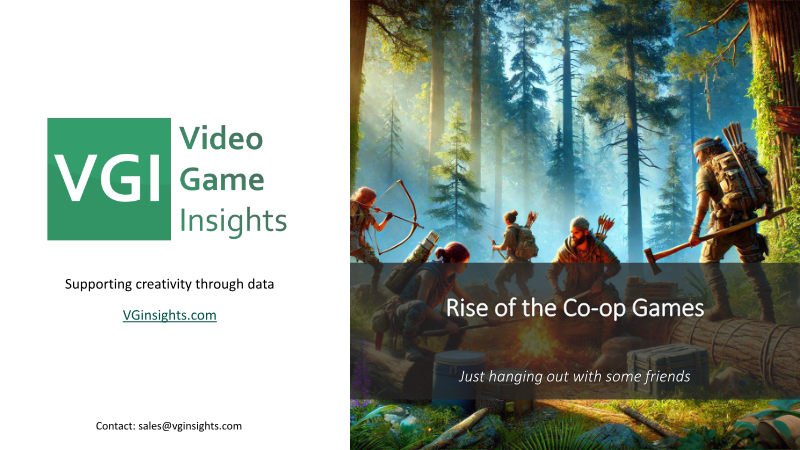
The findings emphasize that co-op only games are inherently highly streamable due to the organic voice interactions between participants and are often more accessible to a broader audience due to lower requirements for manual dexterity. By moving beyond the "friendslop" trend toward more intentional, cooperative-only design, developers can tap into a highly active and engaged buyer market. The evidence suggests that players are not only receptive to these experiences but are actively waiting for deeper, more sophisticated cooperative adventures that prioritize social cohesion over traditional competitive mechanics.
Game Discovery Now · 2026
Game Discovery Now · 2026
Game Discovery Now · 2026

Game Discovery Now · 2026
Game Discovery Now · 2026
Game Discovery Now · 2026
Game Discovery Now · 2026
Game Discovery Now · 2026
Game Discovery Now · 2026

Game Discovery Now · 2026
Game Discovery Now · 2026
Game Discovery Now · 2026
Video Game Insights · 2024

BITKRAFT Ventures · 2026

AppMagic · 2025

Rokky · 2025

Sensor Tower · 2025

Sensor Tower · 2025

Video Game Insights · 2025

Facebook Gaming · 2025

Sensor Tower · 2025

VG Insights · 2025

Video Game Insights · 2025

AppMagic · 2024