Teamfight Tactics
GameBy Riot Games · Released Jun 26, 2019
Documents about Teamfight Tactics
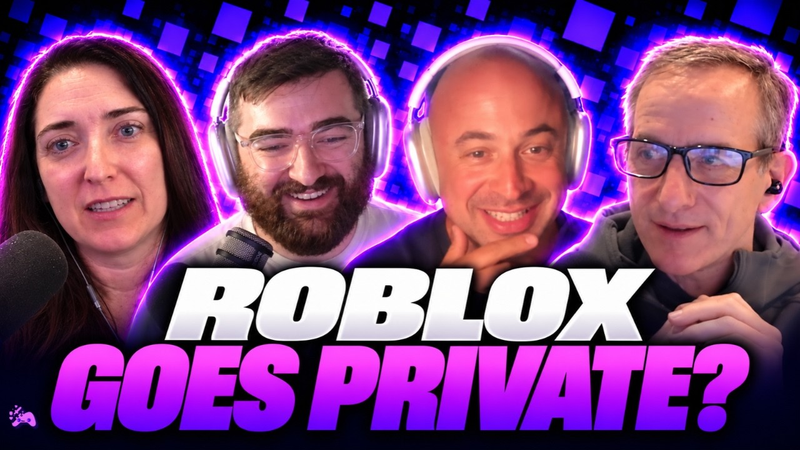
TWIG #406: What if Roblox Goes Private and Which Games Get Kicked by GTA VI
The global gaming industry is currently navigating a period of intense structural adjustment, characterized by a shift toward sustainable development models and the challenges of balancing creative ambition with public market expectations.
- Grand Theft Auto VI poses a significant market threat, with 69% of adult gamers intending to play the title at launch, likely displacing competitive shooters and sports games.
- Roblox may need to transition to a private company to escape quarterly earnings pressure and resolve the conflict between its low-fidelity content model and public market demands for AAA-quality experiences.
- The gaming industry is shifting away from high-frequency content models toward system-driven designs to improve player retention and operational efficiency.

How Riot Went From One Game to Five Hits | Mark Sottosanti, Riot Games
Riot Games has successfully transitioned from a single-title developer into a diversified, multi-platform publisher by prioritizing long-term ecosystem health over short-term financial gains.
- Riot Games transitioned from a single-title developer to a multi-platform publisher by prioritizing long-term ecosystem health and player mastery over short-term financial gains.
- The company maintains a global operational footprint of approximately 20 regional offices to ensure cultural relevance and balanced revenue distribution across North America, Europe, China, and Korea.
- Riot avoids inorganic growth, choosing to retain strict internal stewardship over its intellectual property rather than pursuing acquisitions or third-party licensing.
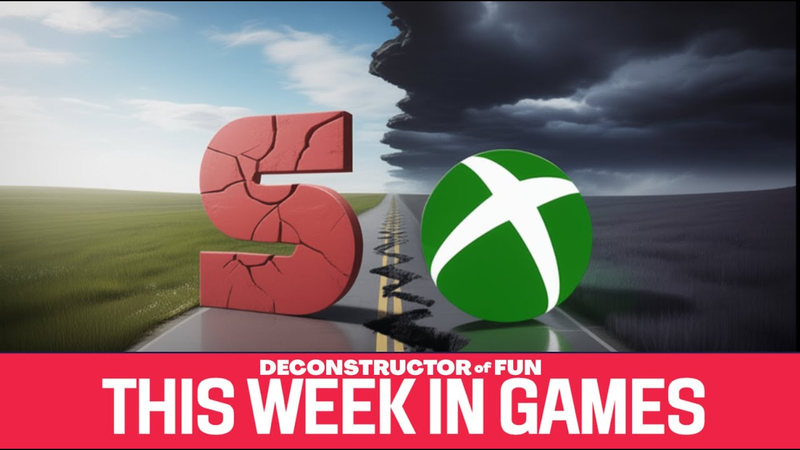
TWIG #337 Supercell's AI Ruse and Microsoft’s Muddled Xbox Strategy
The global gaming industry is currently navigating a period of significant structural instability, characterized by widespread layoffs and a strategic pivot among major players.
- Microsoft’s Xbox division faces a critical strategic impasse characterized by stagnant Game Pass subscriptions, declining hardware market share, and shrinking software margins.
- Supercell is experiencing revenue declines in flagship titles like Brawl Stars and Clash of Clans, leading to concerns that its pivot toward AI-driven innovation is a distraction from core operational challenges ahead of a potential IPO.
- Netflix is pivoting away from high-budget gaming ambitions to adopt a casual, low-engagement model similar to Apple Arcade.
TWIG 144: Riot makes $100M on mobile. Micenuts?
Riot Games has generated over $100 million in global mobile player spending across its portfolio, a figure that, while significant in isolation, represents a modest contribution relative to the publisher’s annual PC revenue of $1.5 billion to $2 billion.
- Riot Games has generated over $100 million in total mobile player spending, led by League of Legends: Wild Rift ($65 million), Teamfight Tactics ($28 million), and Legends of Runeterra ($16 million).
- Despite the $100 million mobile milestone, these earnings remain a modest fraction of Riot’s annual PC revenue, which typically ranges between $1.5 billion and $2 billion.
- Mobile adoption remains limited, with Wild Rift reaching 50 million installs, while Teamfight Tactics and Legends of Runeterra have only achieved 6 million and 3 million installs, respectively.
Product Management at Riot Games | Paul Belezza
Riot Games maintains a player-centric philosophy that prioritizes long-term user experience and community engagement over immediate monetization.
- Riot Games prioritizes long-term player engagement and personalization over pay-to-win mechanics to maintain a sustainable free-to-play business model.
- Product management at Riot functions as a hybrid role, requiring close collaboration between development managers, researchers, and revenue strategists to balance creative and business goals.
- The company has shifted to a holistic operational model that integrates live operations and infrastructure planning into the initial research and development phase.
Companies behind it


As the documents state it.