Super Mario
Game
Documents about Super Mario

Why Sound Design is Crucial for Your Game
Sound design serves as a fundamental pillar in game development, acting as a primary driver for player immersion, emotional resonance, and functional feedback.
- Sound design is a primary driver of player immersion and emotional resonance, often proving more effective than visual fidelity at creating a sense of presence within a game world.
- Auditory cues serve as essential functional feedback, signaling critical gameplay mechanics such as menu navigation, item collection, and combat interactions.
- High-quality ambient sound and sound effects can construct a compelling atmosphere even in projects with limited graphical resources, demonstrating that melodic content is not a requirement for deep engagement.
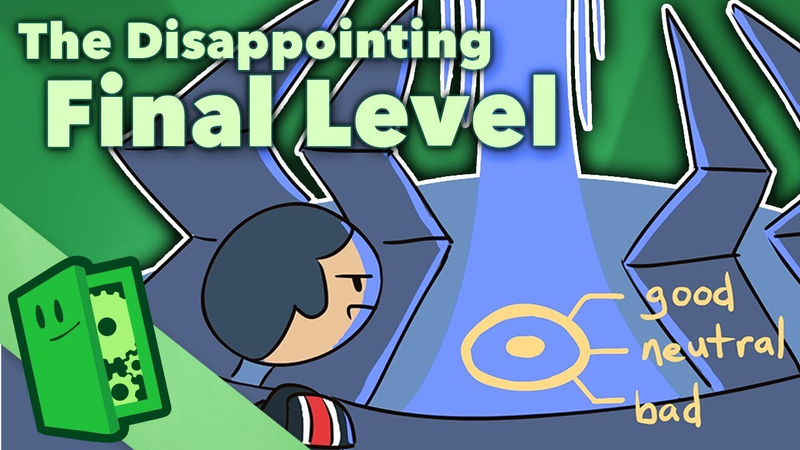
The Disappointing Final Level - Making Better Endings For Better Games - Extra Credits
The game industry frequently struggles to produce satisfying conclusions, often treating the final level as an afterthought due to development time constraints, resource allocation, and the difficulty of playtesting content that requires a full playthrough to experience.
- Game endings must be treated as a critical, planned component of the development cycle rather than an afterthought to ensure they validate the player's time investment.
- A successful conclusion requires the integration of three distinct layers: the narrative ending for emotional resolution, the mechanical ending for skill mastery, and the ethos ending for thematic reflection.
- Developers should prioritize early planning of the final level to avoid the common pitfalls of rushed development, resource depletion, and the difficulty of playtesting content that requires a full playthrough.
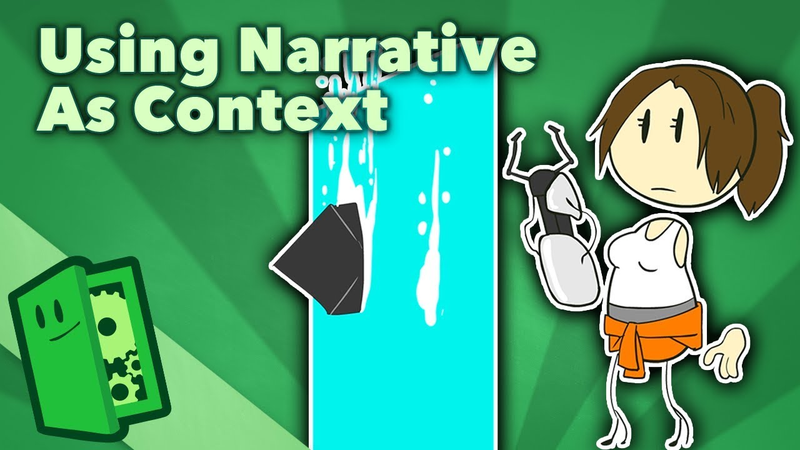
Using Narrative as Context - Balancing Gameplay and Story Elements - Extra Credits
Effective game design does not require a choice between deep narrative and mechanical focus; rather, narrative serves as a vital tool for providing context, setting tone, and fostering player engagement.
- Narrative functions as a critical tool to provide context and meaning, transforming abstract mechanical obstacles into a cohesive player journey.
- Integrating narrative elements helps mask technical limitations by framing engine constraints as intentional, immersive world-building choices.
- Thematic storytelling acts as a necessary bridge to maintain player retention in repetitive genres, such as sports simulations or tile-matching games, by providing emotional stakes.
This is a Talk About Tutorials, Press A to Skip
The primary objective of this analysis is to define effective tutorial design in video games, arguing that the most successful instructional phases are those that are seamlessly integrated into the gameplay experience.
- Effective tutorial design prioritizes seamless integration into gameplay, replacing intrusive elements like pop-up windows and walls of text with organic, experience-based learning.
- Developers should leverage universal game literacy, such as color-coding for danger and established control schemes, to guide players intuitively without explicit instruction.
- Games like Half-Life 2 and the Super Mario series serve as benchmarks for success by introducing mechanics within safe, experimental environments that encourage organic discovery.
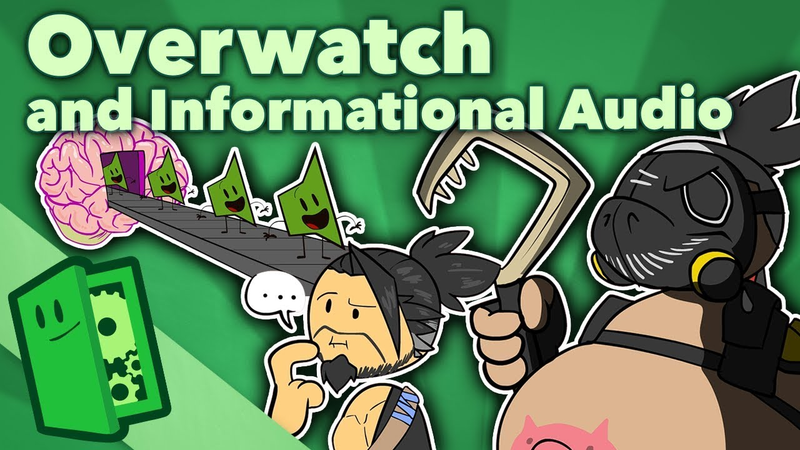
Overwatch and Informational Audio - Sound Design in Games - Extra Credits
Effective game design relies on audio as a critical tool for information delivery, extending beyond atmospheric immersion to provide players with essential gameplay data.
- Game audio functions as a critical informational layer that must be prioritized to prevent cognitive overload and ensure players can react to essential gameplay data.
- Overwatch utilizes a dynamic audio mixing system that automatically adjusts volume levels during high-chaos, 12-player team fights to ensure critical cues like ultimate abilities and enemy footsteps remain audible.
- Effective sound design requires a strict hierarchy where high-impact threats are consistently prioritized over ambient or less critical background noise.
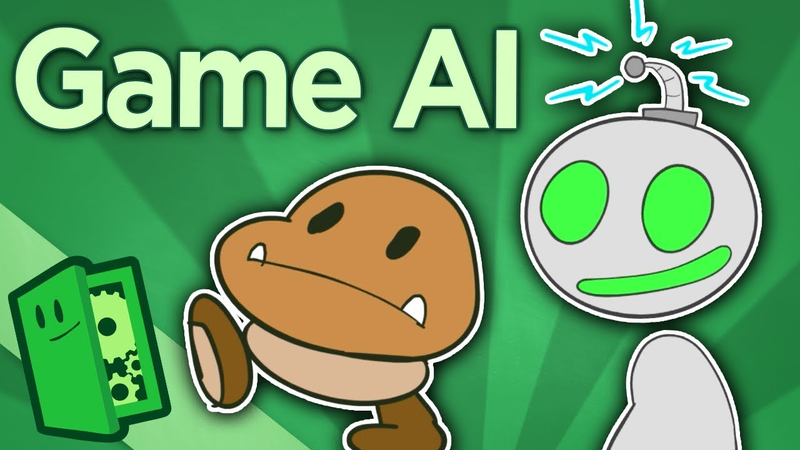
Game AI - Funtelligence - Extra Credits
Effective game artificial intelligence is defined not by technical complexity, but by its ability to foster player engagement through predictable or intuitive NPC behaviors.
- Effective game AI is defined by its ability to foster player engagement through predictable and intuitive behaviors rather than technical complexity.
- Developers should prioritize three core vectors: ensuring behaviors are learnable or intuitable, creating meaningful decision-making opportunities for the player, and maintaining resource efficiency.
- Simple, consistent scripts—such as those used in Super Mario Brothers—are superior to complex simulations because they allow players to master mechanics and refine strategies over time.
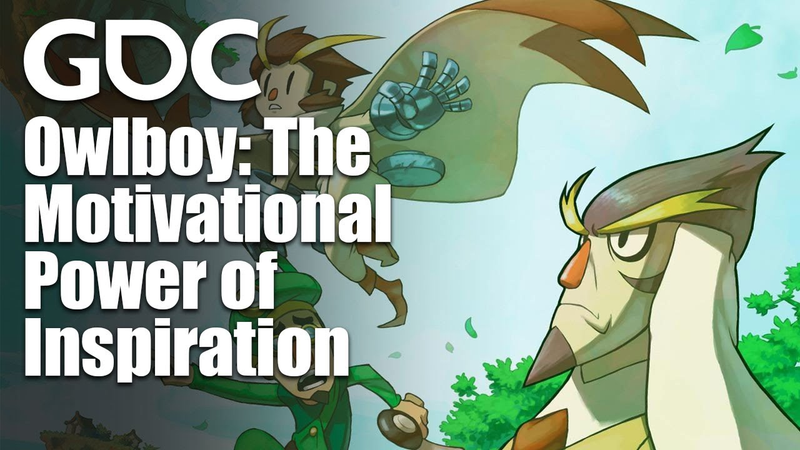
Owlboy: The Motivational Power of Inspiration
The nine-year development cycle of the indie title Owlboy serves as a case study for the critical role of sustained creative inspiration in long-term game production.
- Maintaining long-term motivation over a 9-year development cycle requires a team-wide commitment to a core vision, even when faced with significant financial hurdles and the need for secondary employment.
- Design inspiration can be sourced by internalizing experiences from other media, such as architectural elements observed during travel, and by allowing the mind to wander during periods of boredom.
- Iterative design is more effective when moving from small, rough sketches to pixel art sprites, which helps developers focus on essential shapes and silhouettes rather than getting stuck on minute details.
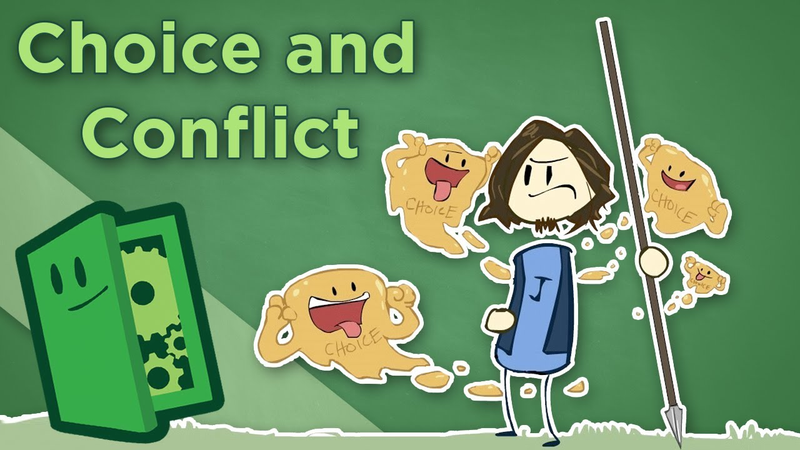
Choice and Conflict - What Does Choice Mean in Games? - Extra Credits
The core thesis of this analysis is that meaningful choice in game design is defined by the presence of internal conflict, rather than simple decision-making or logical calculation.
- Meaningful choice in game design is defined by internal conflict between competing objectives, rather than simple logical decision-making.
- Decisions based on clear, optimal outcomes—such as choosing the cheapest price or avoiding damage—are categorized as problem-solving calculations rather than genuine choices.
- Effective design forces players to weigh incomparable options, such as balancing immediate survival against long-term progress, where no single path is objectively superior.