Squad
GameBy Offworld
Documents about Squad
Managing and Avoiding Content Treadmills
The gaming industry is currently navigating a period of profound structural transformation, characterized by the integration of generative AI, shifting monetization models, and a tightening investment climate.
- Supercell's 'Squad Busters' failed to meet expectations despite a $150 million budget, the use of Hollywood talent, and a strategy that bypassed traditional soft launching.
- Mobile game marketing is shifting toward AI-driven ad creative with costs under $10 and an increased reliance on loyalty programs to drive retention and revenue.
- LiveOps strategies in mobile gaming, such as those implemented by 'Clockmaker', remain a critical lever for growth and can be significantly improved through structured, player-centric updates.
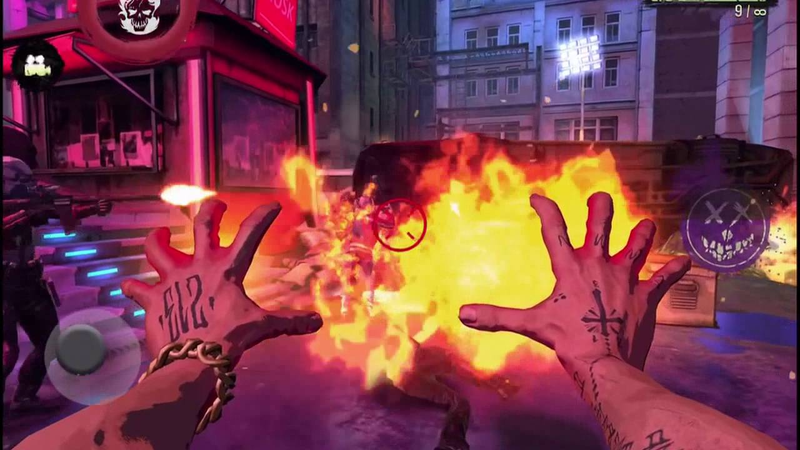
FTUE: Suicide Squad: Special Ops
Suicide Squad: Special Ops serves as a promotional mobile tie-in for the Warner Bros. film, functioning primarily as a high-fidelity but shallow first-person shooter.
- Triggering the iOS push notification prompt immediately upon launch is a critical design flaw that risks permanent loss of re-engagement capabilities if the user denies the one-time system request.
- Best practices for mobile retention dictate using an internal, non-system splash screen to gauge user interest before triggering the irreversible system-level permission prompt.
- The game prioritizes high-fidelity visual presentation over mechanical depth, resulting in a shallow experience that lacks the long-term engagement hooks required for the competitive mobile shooter market.
Mapping the Shooter Genre
The shooter genre is often viewed through a monolithic lens, but analysis of player motivation reveals significant diversity in how gamers engage with these titles.
- The primary differentiator in the shooter genre is a strong negative correlation between competition and story, meaning games typically prioritize either high-stakes competitive play or narrative-driven experiences.
- Shooter games are defined by three core axes of motivation: competition versus story, community versus competition, and strategy versus competition.
- Counter-Strike stands out as a significant outlier in the genre, demonstrating a much higher level of competitive intensity compared to other shooter titles.
Indie Dimepiece: Super Tribes
The gaming industry has undergone a profound transformation between late 2021 and mid-2026, characterized by shifting monetization models, the integration of artificial intelligence, and a volatile investment climate.
- AppLovin has established itself as the dominant force in mobile ad tech by rewriting industry rules and creating a dependency model that forces competitors to rely on its infrastructure.
- Microfun successfully scaled 'Gossip Harbor' to the second-highest position in the US merge game market, demonstrating that significant growth is still achievable in highly competitive genres.
- Leading game studios are increasingly integrating AI to maintain live service operations, as evidenced by InnoGames using AI to extend the lifecycle of 'Sunrise Village'.
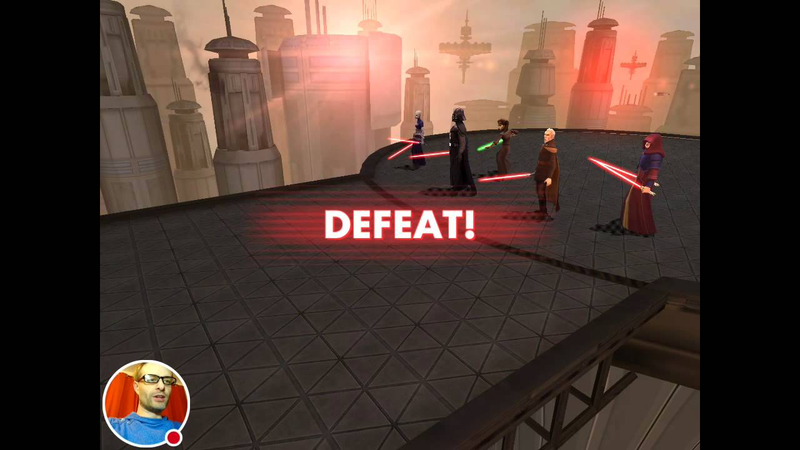
Why you should choose the hardest opponent in SW: Galaxy of Heroes' Squad Arena
In Star Wars: Galaxy of Heroes, players are encouraged to intentionally challenge the most powerful opponents in the Squad Arena mode, even when defeat is likely.
- Intentionally challenging the strongest Squad Arena opponents allows players to send ally requests to high-level users, facilitating access to powerful borrowed characters.
- Borrowing high-power units from an curated ally list significantly increases combat effectiveness and success rates in difficult PvE mission content.
- Targeting superior opponents in the Arena serves as a long-term progression strategy to bypass power gaps in mission-based modes rather than focusing solely on immediate leaderboard rank.
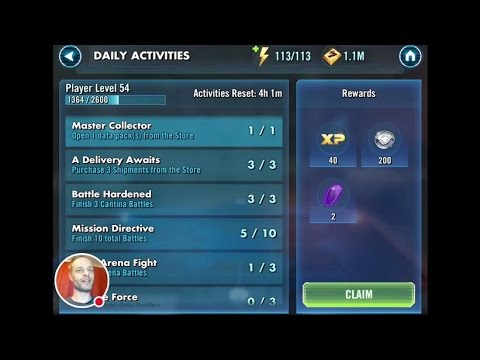
Speedtest: How long does it take to complete SW: Galaxy of Heroes' Daily Activities?
This analysis examines the time investment required to complete the full suite of daily activities in the mobile game Star Wars: Galaxy of Heroes.
- Completing all daily activities in Star Wars: Galaxy of Heroes in a single, uninterrupted session requires approximately 25 minutes.
- The total completion time is primarily constrained by mandatory cooldown timers between Squad Arena battles, which extend the session length for free-to-play users.
- While simulation cards allow for the instant completion of previously mastered missions, active engagement is still required for content like Galactic War and specific daily challenges.
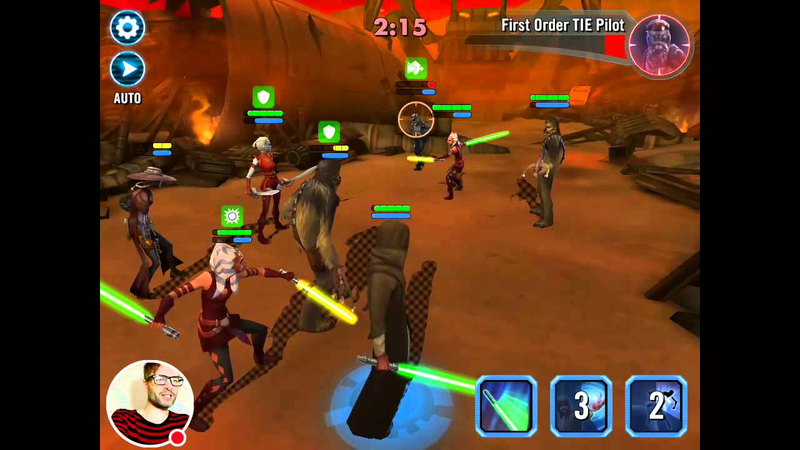
Winning battles in Star Wars: Galaxy of Heroes
Star Wars: Galaxy of Heroes is a card-based mobile strategy game centered on character collection, squad management, and tactical combat.
- Success in Star Wars: Galaxy of Heroes is primarily driven by tactical execution and strategic squad management rather than resource expenditure alone.
- Combat effectiveness relies on target prioritization, specifically neutralizing high-value enemy units like healers to prevent them from sustaining the opposing team.
- Squad longevity is maintained by utilizing tanks to absorb damage through taunt mechanics while balancing offensive maneuvers with defensive support skills.
IAP Inspector: Star Wars: Galaxy of Heroes
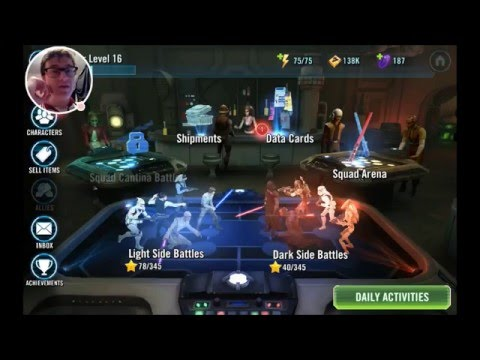
Star Wars: Galaxy of Heroes employs a monetization strategy that prioritizes long-term player retention over aggressive, immediate conversion.
- Star Wars: Galaxy of Heroes prioritizes long-term retention by delaying paid offers and starter bundles until players reach higher levels, avoiding aggressive early-game monetization.
- The game utilizes a dual-currency system where hard currency (crystals) is frequently earned through daily activities and achievements, reducing the necessity for real-money spending.
- A seven-day daily crystal booster is employed as a strategic retention tool to incentivize consistent daily logins.