RuneScape
GameBy Jagex
Documents about RuneScape
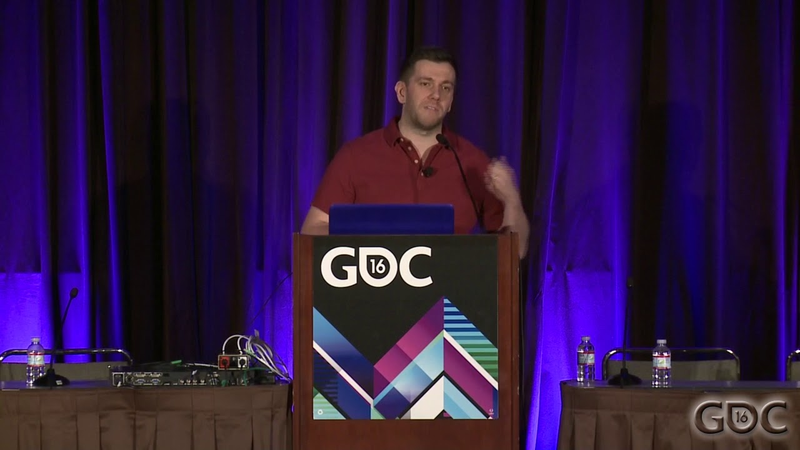
Tales From a Crowdsourced Game Design
Jagex employs a sophisticated crowdsourced design model for the long-running title RuneScape, structured around three distinct tiers of player integration: feedback, collaborative decision-making, and full content creation.
- Jagex utilizes a structured polling system for RuneScape that requires a 75% majority vote from the player base to approve new content.
- The crowdsourced design model is categorized into three tiers: feedback, collaborative decision-making, and full content creation.
- Radical transparency is maintained through regular dev blogs, live streams, and the public release of detailed design documents to align developer intent with user expectations.
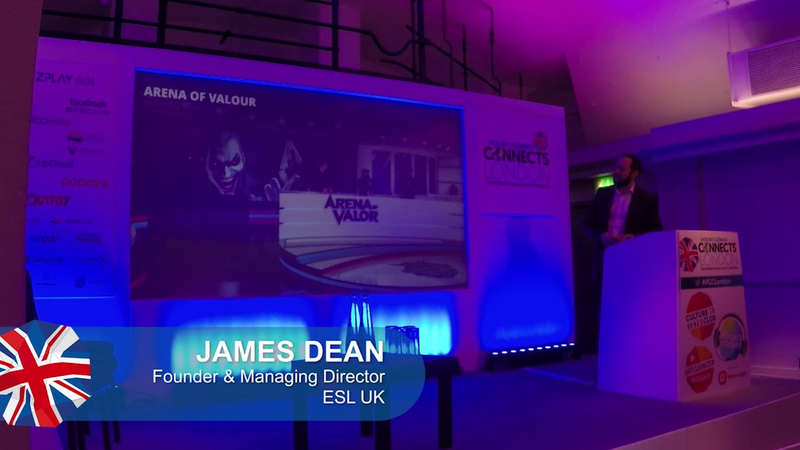
An update on mobile esports progression and opportunities
Mobile esports represents a rapidly evolving sector characterized by high accessibility, a massive global user base, and a unique capacity for rapid community engagement.
- Mobile esports currently accounts for less than 10% of global esports viewership, representing a significant growth opportunity due to its high accessibility and lower hardware barriers compared to PC gaming.
- Mobile titles achieve financial sustainability by moving away from pay-to-win models toward monetization strategies centered on in-game purchases, licensing, and high-production-value tournaments.
- Mobile esports tournaments often achieve immediate cost recovery through in-game microtransactions, a financial efficiency rarely seen in traditional PC-based competitive gaming.
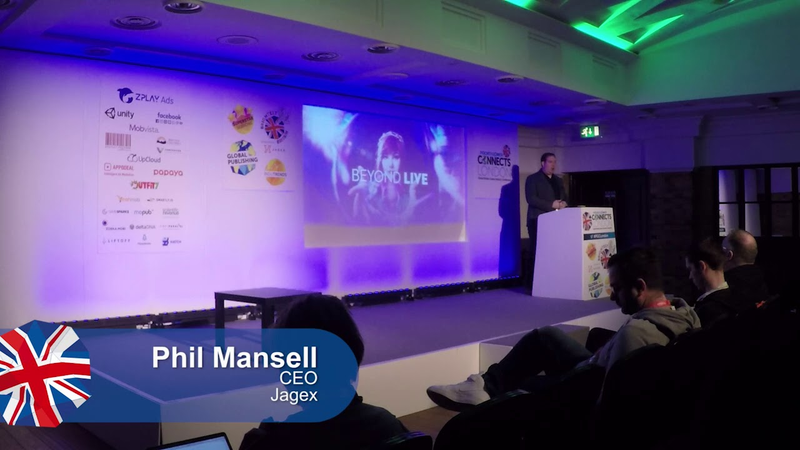
Living games: Jagex, RuneScape and the evolution of live games
The evolution of the gaming industry has shifted from traditional product launches toward the "living game" model, characterized by persistent, social, and service-oriented experiences.
- The 'living game' model prioritizes long-term retention over traditional product launches to offset rising user acquisition costs and capture player investment in deeper, persistent experiences.
- Jagex achieved an average player lifespan exceeding seven years for the RuneScape franchise by restructuring operations to focus on core intellectual property and service-driven engagement.
- Developers can drive long-term retention by integrating RPG mechanics—such as progression, collections, and leveling—into diverse game genres.
Making Release Day Just Another Monday
The transition to a high-frequency update model for RuneScape centers on replacing rigid, siloed waterfall development with a decentralized structure of autonomous, cross-disciplinary scrum teams.
- Jagex transitioned the RuneScape development process from a traditional waterfall model with functional silos to six autonomous, cross-discipline scrum teams to maintain a high-frequency update schedule.
- The studio implemented a strict, centralized release process that ensures game updates are deployed every Monday, allowing the team to avoid the common pitfalls of delayed releases.
- To maintain coherence across autonomous teams, Jagex utilizes 'councils' of interested individuals who focus on specific game aspects like lore, combat, and balance, alongside shared resources like a centralized analytics team.
Games You Might Not Have Tried - ep 10 - Find New Games - Extra Credits
This analysis explores a curated selection of video games that offer unique design perspectives, ambitious mechanics, or unconventional genre blending.
- Game design innovation often requires balancing mechanical experimentation with overall polish, as seen in titles like The Way where variety can compromise execution.
- Genre-mashing, such as combining deck-building with city planning in Concrete Jungle or card mechanics with roguelike shooters in Forced Showdown, creates novel experiences but carries significant execution risks.
- Some innovative mechanics, particularly in games like Forced Showdown, require a substantial time investment from the player before the core design intent becomes fully apparent.
Companies behind it
As the documents state it.