Overwatch
Documents about Overwatch
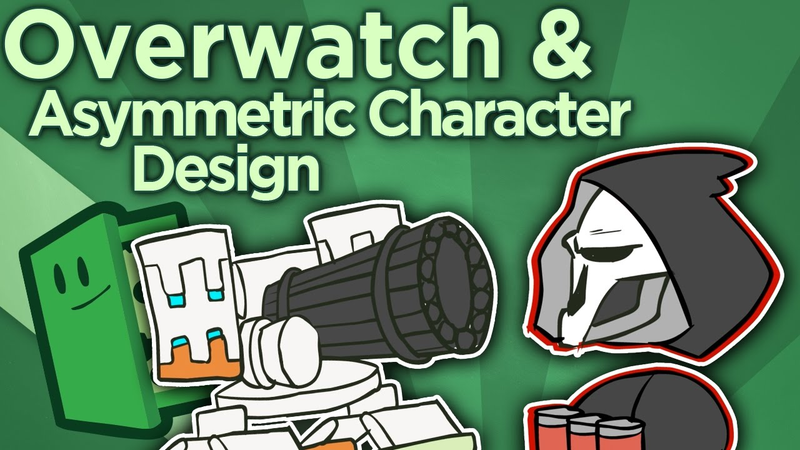
Overwatch and Asymmetric Character Design - The Challenge of Varied Playstyles - Extra Credits
The design of Overwatch centers on the complex interplay between asymmetric map layouts and highly diverse character abilities.
- Overwatch’s design relies on extreme asymmetry, requiring maps to feature specific tactical infrastructure like vertical traversal points and sniper perches to accommodate diverse character abilities.
- The commitment to high-level character and map diversity creates a perpetual design cycle where every new addition requires a comprehensive balance review of all existing game infrastructure.
- The need to ensure unique movement styles do not break game balance significantly increases development costs and slows the overall pace of content releases.
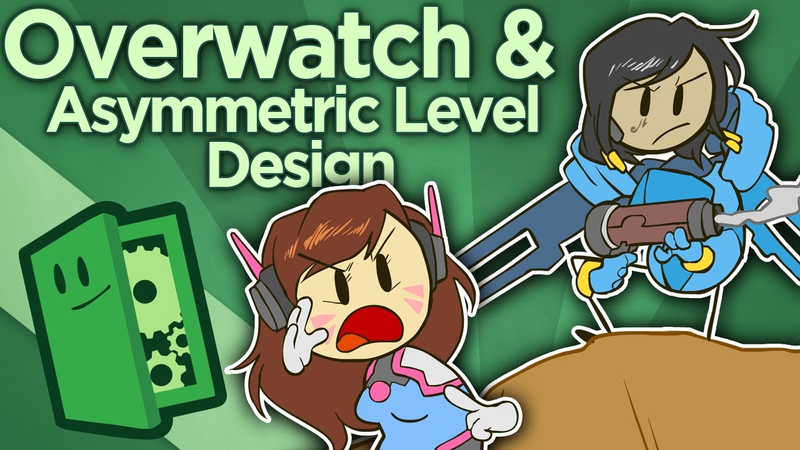
Overwatch and Asymmetric Level Design - What Makes the Maps Fun? - Extra Credits
Asymmetric level design in competitive multiplayer first-person shooters presents a significant challenge: balancing variety and tactical depth against the risk of perceived unfairness.
- Asymmetric level design in competitive shooters balances tactical depth against fairness by rotating advantages in cover, height, and lines of sight to prevent permanent environmental dominance.
- Overwatch utilizes intentional asymmetry to create a narrative of progress, where map geometry and spawn distances shift to favor attackers early on and defenders as the match reaches the final objective.
- The design of attacker and defender roles in Overwatch relies on a specific interest curve, using shorter respawn times to facilitate forward momentum for attackers and constrained, defensible positions for defenders.
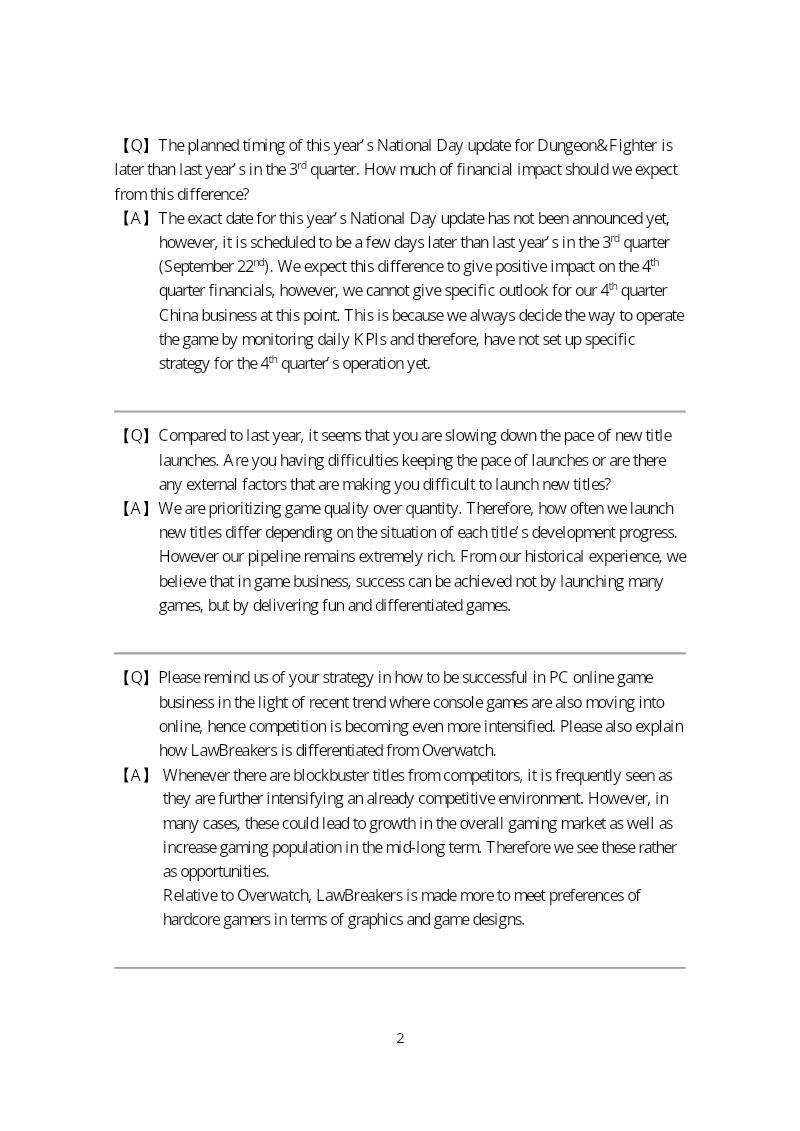
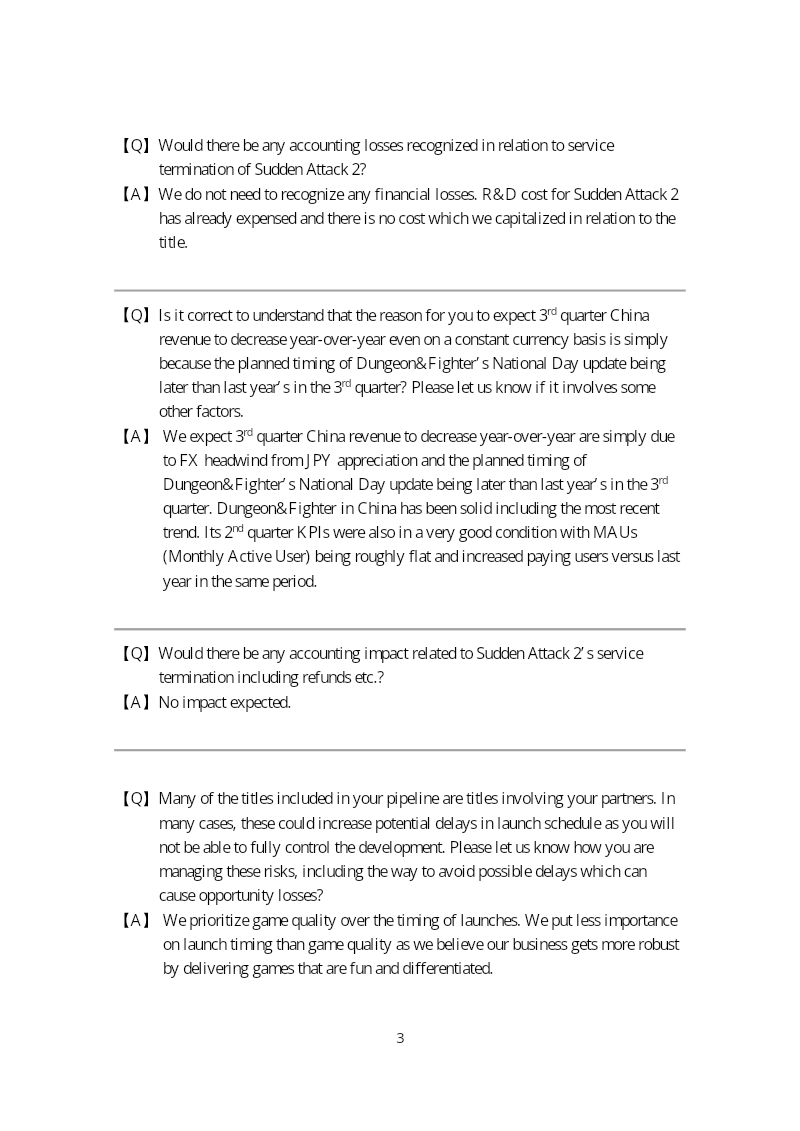
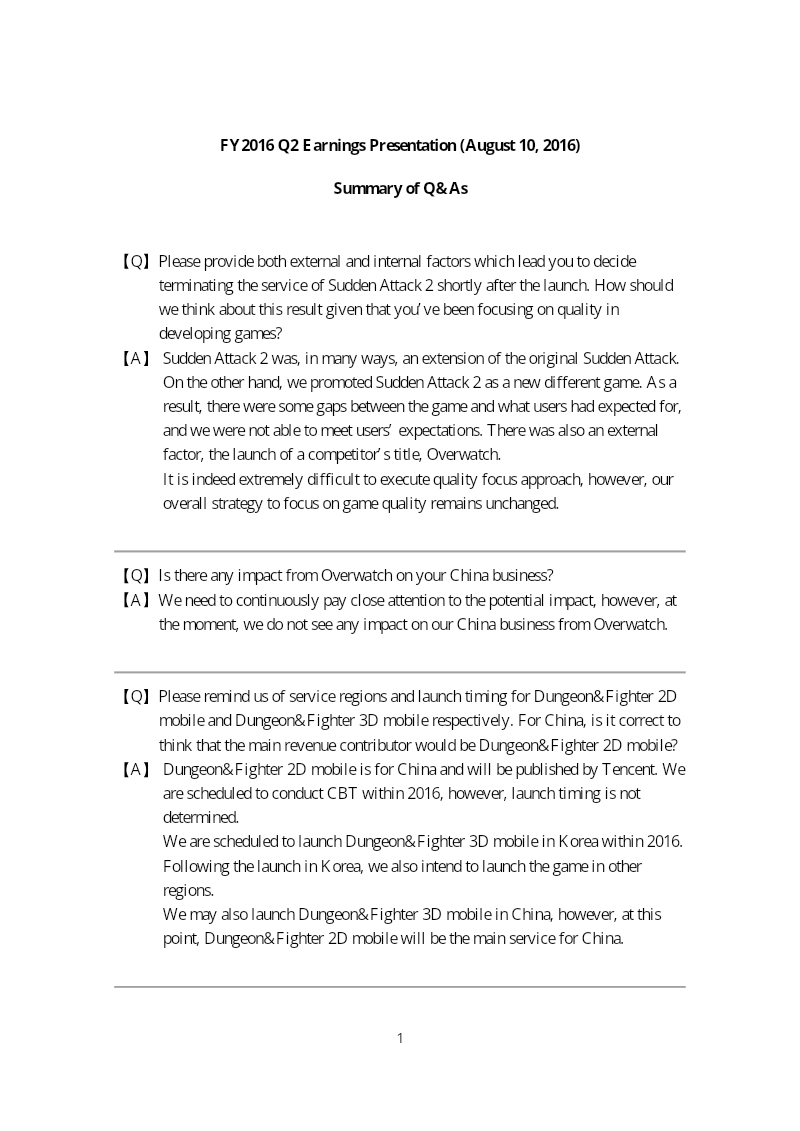
NEXON FY2016 Q2 Earnings Presentation: Summary of Q&As
The August 2016 earnings discussion provides a strategic overview of Nexon’s operational priorities, specifically addressing the recent termination of Sudden Attack 2 and the company’s long-term approach to game development.
- Nexon is shifting its corporate strategy to prioritize game quality and differentiation over the volume or speed of new title launches.
- The cancellation of Sudden Attack 2 resulted in no significant accounting losses or impairment charges, despite the title failing due to misalignment with user expectations and competition from Overwatch.
- Dungeon&Fighter remains the primary revenue driver in the Chinese market, showing stable monthly active user counts and growth in the number of paying users.
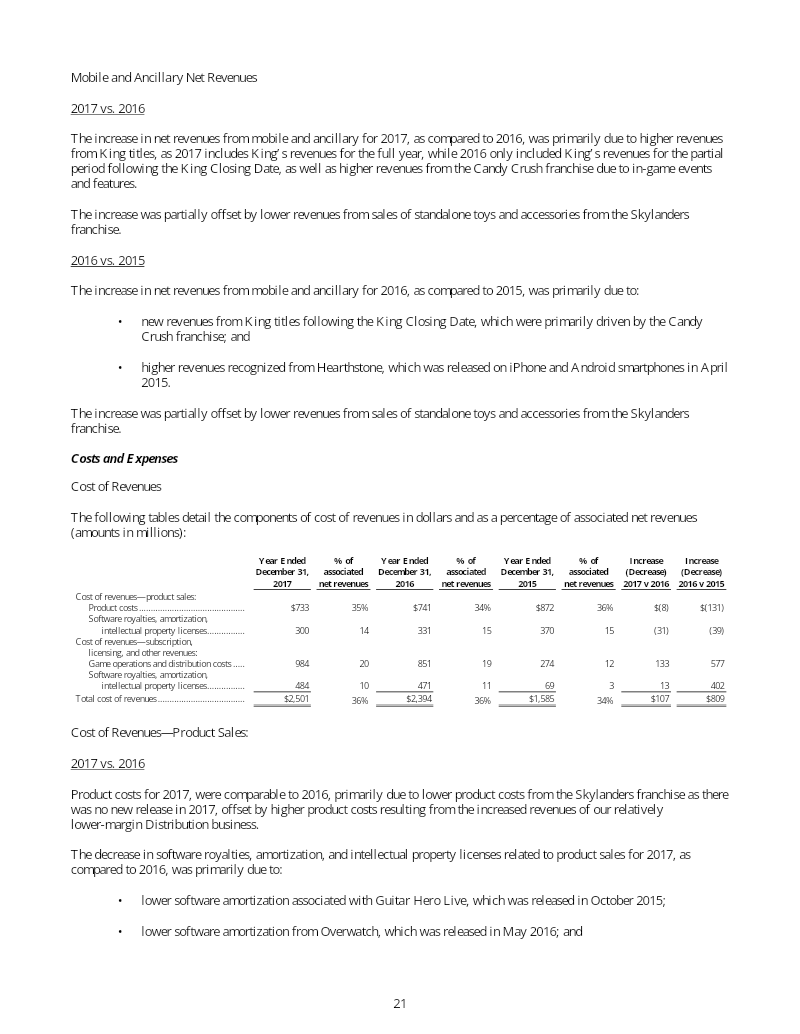
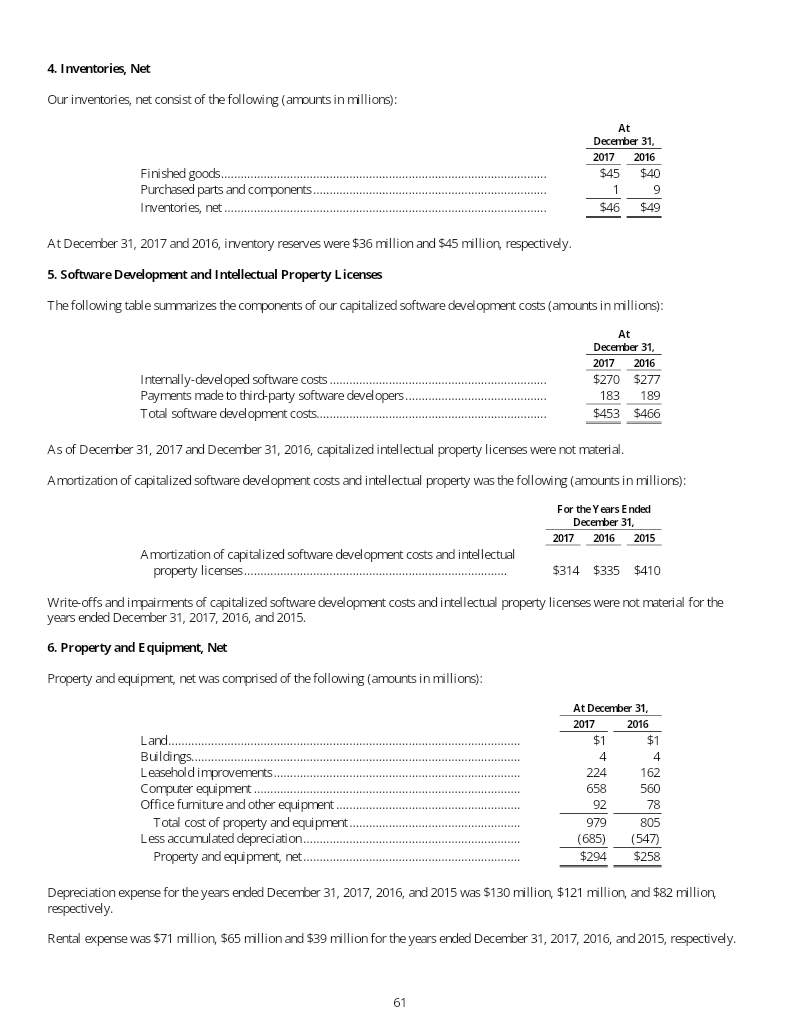
Activision Blizzard 2017 Annual Report
Activision Blizzard’s 2017 fiscal year was defined by a strategic transition toward a recurring, digital-first revenue model.
- Activision Blizzard generated $7.02 billion in net revenue in 2017, a 6% increase driven by digital online channels which accounted for 78% of total revenue.
- Net income dropped to $273 million from $966 million in 2016, primarily due to a $636 million one-time tax charge from the U.S. Tax Reform Act and increased operational and marketing costs.
- Monthly active users declined by 14% year-over-year, a trend attributed largely to the maturity of titles within the King segment.

Most Popular Esports Events of May 2026
The May 2026 esports landscape was dominated by Mobile Legends: Bang Bang and League of Legends, with the MPL Indonesia Season 17 topping overall viewership at 1.8 million peak viewers and the MPL Philippines Season 17 following closely with 1.7 million during its grand final.
- Mobile Legends: Bang Bang dominated May 2026 viewership, with MPL Indonesia Season 17 reaching 1.8 million peak viewers and MPL Philippines Season 17 hitting 1.7 million.
- Creator-led esports events demonstrate high viability, evidenced by Jynxzi’s League of Legends tournament peaking at 921,000 viewers.
- The CHZZK LCK broadcast emerged as the most-watched channel overall, highlighting the strength of South Korea’s local streaming ecosystem.
2026 OWCS Champions Clash: Most Popular Overwatch Event
The 2026 OWCS Champions Clash established itself as the most viewed Overwatch tournament in more than two years, with peak concurrent viewership reaching 1.2 million—an increase of 35% over the previous year’s record of 900,000.
- The 2026 OWCS Champions Clash reached a peak concurrent viewership of 1.2 million, marking a 35% increase over the previous year's record of 900,000.
- Total watch hours exceeded 5.4 million, doubling all key performance metrics from the prior year and establishing the event as the most-watched Overwatch tournament since late 2023.
- Community engagement played a critical role in the event's success, with over 250 unique channels providing coverage and significant growth in English, Japanese, and Arabic language streams.
Overwatch World Cup 2026: Qualifiers, Teams, Schedule & How to Watch
The Overwatch World Cup 2026 is structured around a comprehensive qualification process that spans from late May to early July, with regional qualifiers scheduled across Asia, the Americas, and EMEA.
- The Overwatch World Cup 2026 features 52 national teams competing for 30 spots in the main event, which begins with a group stage on August 21.
- The tournament concludes with a single-elimination playoff bracket held at the Anaheim Convention Center Arena on September 12–13.
- The qualification process runs from late May to early July, utilizing regional Conference Cups to determine 11 wildcard spots for the online qualifiers held from May 29 to June 7.