Hero Shooter reports and market data
17 game industry reports, presentations and talks about hero shooter from writers such as Extra Credits, Naavik and Deconstructor of Fun, newest from 2026. Every document has a summary and key insights with the page they come from.
Documents
Overwatch vs. Call of Duty: The Battle Pass War
The current landscape of Western first-person shooters is defined by a struggle to optimize monetization and player retention through evolving battle pass structures.
- Western AAA studios are struggling to balance battle pass monetization with player retention, as current models fail to generate the ARPU necessary to sustain high-quality live service teams.
- Major FPS titles are pivoting their progression mechanics: Call of Duty is implementing permanent boosts, Overwatch is adopting tiered unlock tracks, and Battlefield is introducing a three-month blackout period before rotating content into the store.
- The industry is currently stifled by a risk-averse culture where AAA developers prioritize avoiding negative community sentiment on platforms like Reddit over testing innovative monetization strategies.
Subnautica 2 Devs Win Day One, ALL CAPS XBOX & Fortnite is Over(watch) | Games For Breakfast
The video game industry is currently defined by a rapid transition toward digital distribution and the strategic evolution of legacy platforms.
- Capcom’s digital sales now account for 93% of its total volume, with PC titles representing over 50% of all units sold, marking a definitive shift away from physical media.
- Subnautica 2 achieved commercial success with over 2 million sales and high player approval ratings despite internal legal disputes between Unknown Worlds and Krafton.
- Physical game retailers are facing a terminal decline in traditional sales, forcing a strategic pivot toward community-focused 'third place' models that incorporate tabletop gaming and social amenities.
Overwatch Drops the 2, Baldur’s Gate on HBO & Discord’s Face Scan Plan | Games For Breakfast
The gaming industry is currently navigating a period of significant strategic pivots and ethical challenges, characterized by attempts to reclaim brand identity and the contentious implementation of new technologies.
- Overwatch 2 is undergoing a strategic course correction, moving away from its previous branding and structure to return to a more traditional hero-shooter model.
- Discord is implementing new age-verification measures that may utilize existing user data, such as linked Steam account information, to infer if a user is at least 18 years old.
- The Magic: The Gathering community successfully raised $600,000 for the Trans Lifeline through a recent social media fundraising campaign.
Shooter Monthly #3 Marathon vs the Market, Valorant Goes Massive, Marvel Rivals Misreads Progression
The shooter genre is currently navigating a period of significant strategic recalibration as developers struggle to balance live-service retention with evolving player expectations.
- Valorant Mobile has doubled the franchise's total monthly active users, proving that mobile-first design paired with established IP is the most effective strategy for international expansion.
- Bungie has delayed the launch of Marathon to March 2026, reflecting the industry-wide challenge of timing high-stakes releases against established extraction shooter benchmarks.
- Call of Duty is shifting its strategy away from rapid-fire sequel releases to combat player fatigue and prioritize long-term engagement over iterative product cycles.
PC/Console Gaming Index: 2025
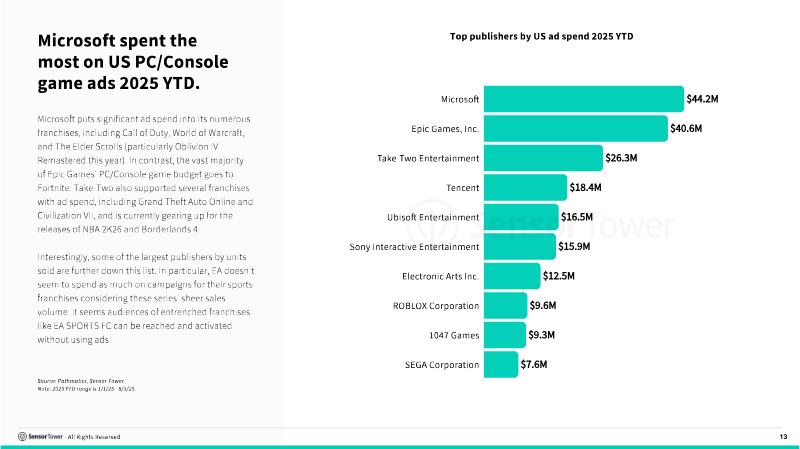
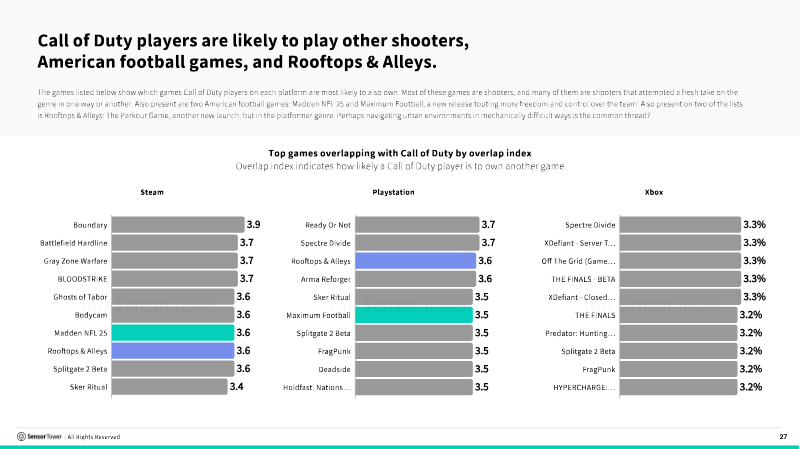
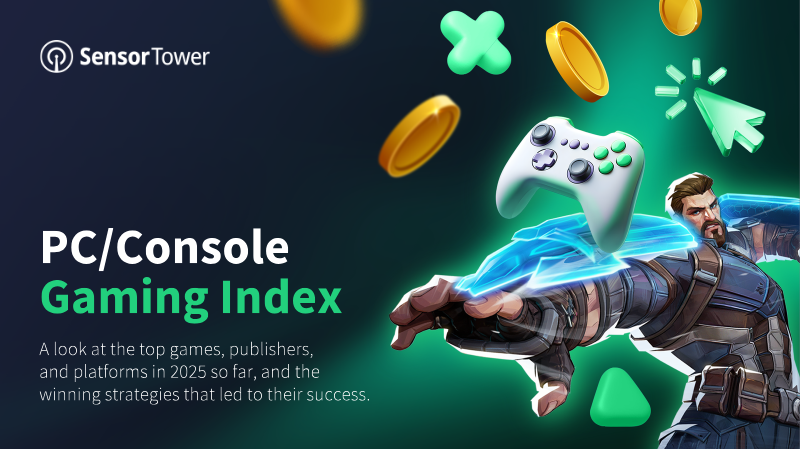
The 2025 PC/Console Gaming Index demonstrates that action titles dominate the market, with approximately 262 million downloads year-to-date.
- Steam remains the dominant platform for PC/console gaming, generating approximately 450 million downloads year-to-date, which is nearly four times the volume of PlayStation.
- Monetization strategies are platform-specific: 79% of Steam downloads and 83% of PlayStation downloads are premium, while 39% of Xbox downloads are free-to-play, largely driven by Game Pass.
- Indie and AA developers drive the majority of the 262 million action-genre downloads, with indie titles accounting for 60% of total downloads on Steam.
From Imagine Dragons Fame To Night Street’s Shooter: Last Flag
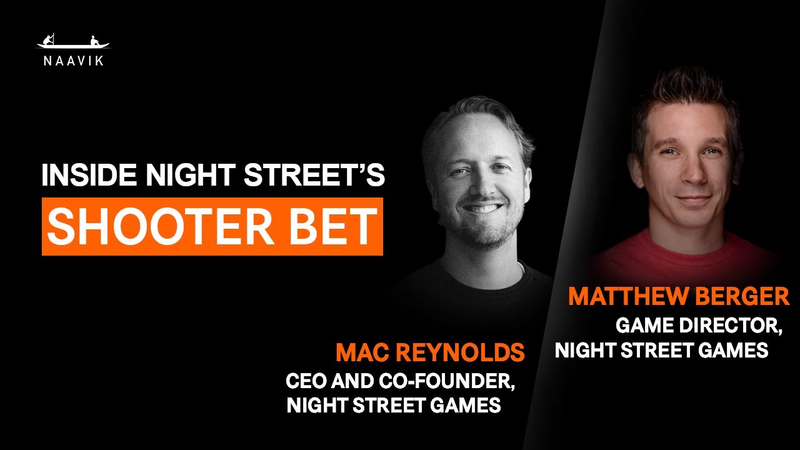
Night Street Games is carving a distinct niche within the competitive 5v5 hero shooter market through the development of its flagship title, Last Flag.
- Night Street Games has scaled from a small prototype team to a 50-person studio by fully integrating their outsourced partners into the core company structure to maintain cultural and creative alignment.
- The studio differentiates its 5v5 hero shooter, Last Flag, by prioritizing a capture-the-flag core loop over traditional shooter mechanics and embedding music into the gameplay to drive immersion.
- To compete in the oversaturated PC shooter market, the studio follows a strategy of avoiding direct competition with established titles like Overwatch, instead focusing on unique mechanics that appeal to a specific core player segment.
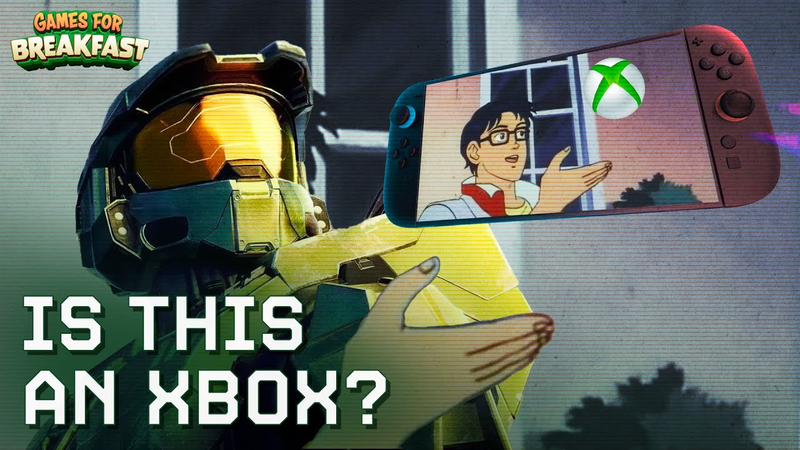
Xbox’s Switch 2 Support, Oblivion’s Remaster & Marvel Rivals Swimsuit Edition | Games For Breakfast
The gaming industry is currently undergoing a significant strategic pivot, moving away from traditional hardware-locked exclusivity toward platform-agnostic growth.
- Xbox is shifting toward a platform-agnostic strategy by committing to support the upcoming Nintendo Switch 2, which is expected to launch at a $450 price point.
- Major gaming companies are moving away from hardware-locked exclusivity to combat market saturation and reach broader, multi-platform audiences.
- Free-to-play titles like Marvel Rivals are facing backlash for aggressive monetization tactics, including complex currency systems and deceptive marketing for premium cosmetic content.
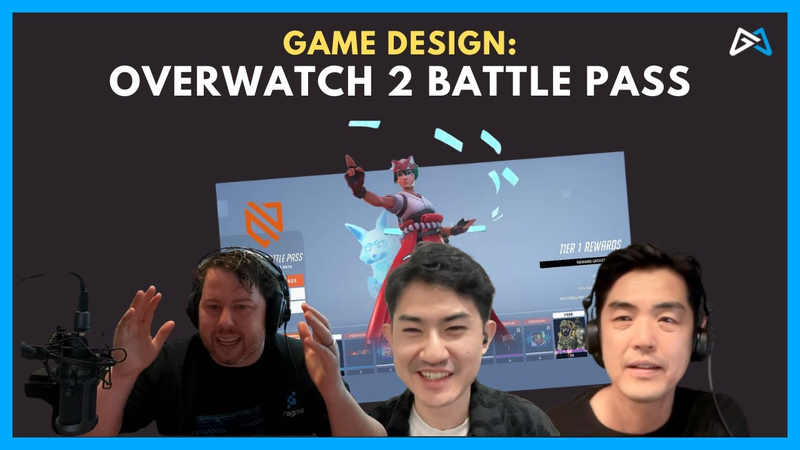
Is the Overwatch 2 Battle Pass Design Broken?
The current battle pass model in competitive shooters like Overwatch 2 faces significant friction due to its rigid, linear progression structure.
- Battle passes are estimated to generate between 30% and 60% of total revenue for modern shooter games.
- Overwatch 2 has surpassed 100 million total users since its October 2022 launch, with an estimated 20 million monthly active users.
- Successful battle pass designs are evolving from static, linear tracks toward page-based systems that offer players more choice in which content to unlock.
Concord and AAA games Failure to Launch | 353
The contemporary gaming landscape is defined by a crisis of identity and sustainability among high-budget AAA titles.
- The commercial failure of Concord highlights the inability of high-budget, premium-priced hero shooters to compete in a market saturated by established free-to-play titles like Overwatch and Marvel Rivals.
- Lengthy AAA development cycles are increasingly unsustainable, as they often result in derivative products that are disconnected from current market trends upon release.
- Industry success now relies on operational agility, the strategic use of recognizable intellectual property, and the integration of community feedback via early access rather than relying solely on massive development budgets.
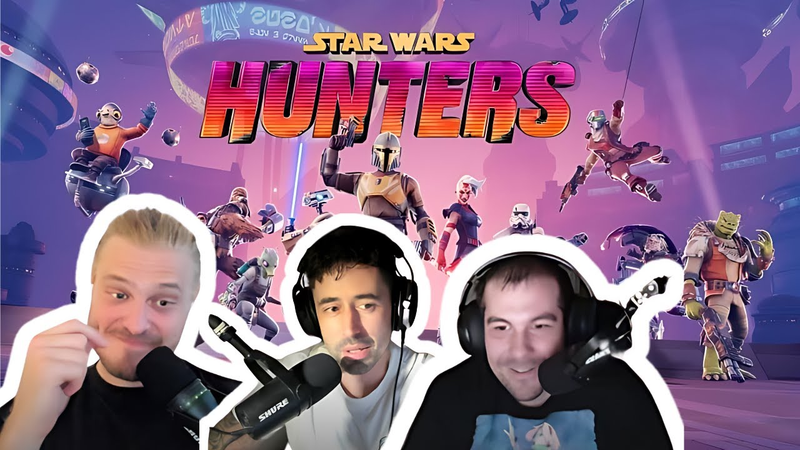
Star Wars: Hunters - The Waste of potential & Flaws A.K.A the honest review
Star Wars: Hunters functions as a high-production 4v4 hero shooter that struggles to translate its significant brand equity into sustainable financial performance.
- Star Wars: Hunters currently generates approximately $70,000 in daily revenue and 200,000 daily downloads, figures that are heavily reliant on aggressive marketing spend rather than organic player retention.
- The game lacks the robust gacha mechanics and power progression systems necessary to effectively monetize its user base in the competitive mobile market.
- Licensing constraints prevent the inclusion of iconic characters like Darth Vader, forcing the game to rely on generic archetypes that diminish the appeal of its cosmetic-focused monetization model.
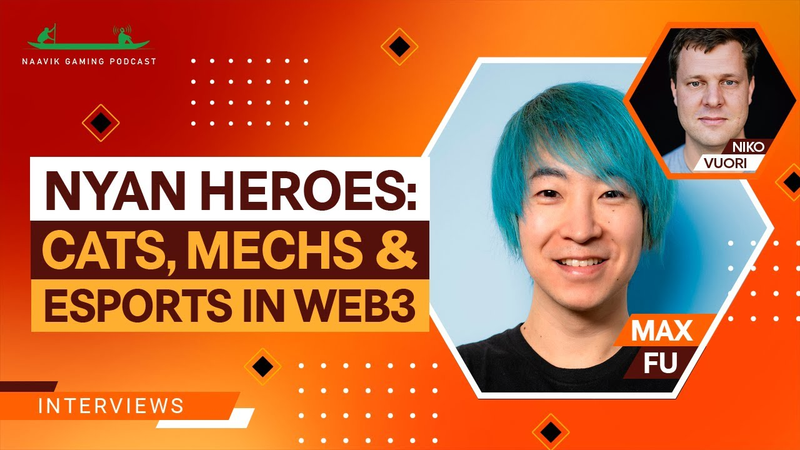
Nyan Heroes: Cats, Mechs & Esports in Web3
Nyan Heroes is a competitive, team-based movement shooter that combines cat-themed intellectual property with high-agility mech combat.
- Nyan Heroes is a team-based movement shooter built on Solana that prioritizes a 'Web2-first' user experience to ensure accessibility for mainstream gamers.
- The project has achieved significant pre-alpha scale, recording 1.3 million registered users and 600,000 connected Solana wallets.
- The studio is actively building a competitive esports ecosystem through strategic partnerships with major organizations including G2, Fnatic, and Evil Geniuses.
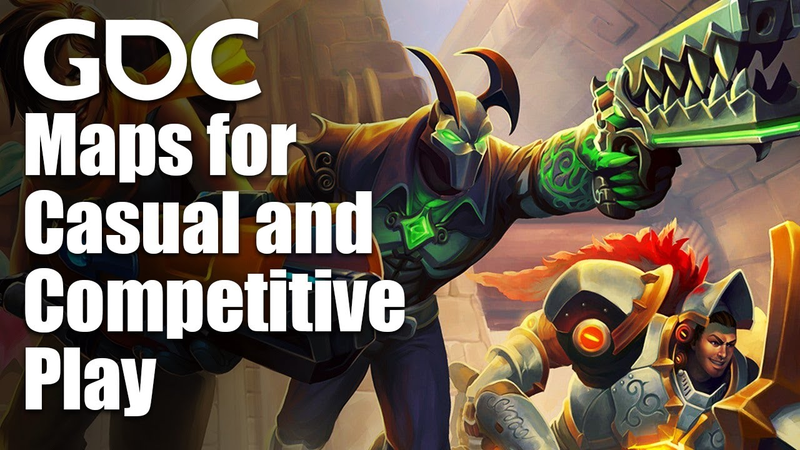
The Holy Grail of Multiplayer Level Design: Casual and Competitive Maps
The design of multiplayer maps requires balancing the distinct needs of casual and competitive players, a challenge often referred to as the pursuit of a "holy grail" map.
- Successful multiplayer map design requires balancing the needs of casual players, who seek recreational play, with competitive esports players who prioritize strategic depth and tournament viability.
- Designers should categorize player skill progression into layers: basic mechanical movement and shooting, map-specific tactical knowledge, and high-level meta-game strategy such as character bans and team compositions.
- Casual-friendly maps often rely on 'single-scan' layouts that allow players to process the entire environment quickly, whereas competitive maps require complex, multi-option layouts that prevent stale gameplay.