Hyper Light Drifter
Game
Documents about Hyper Light Drifter
Gorillaz, Monkees, K/DA, and OFK: Creating Virtual Identity
The creation of virtual bands like OFK represents a strategic shift toward prioritizing relatability and creative honesty over the high-gloss, corporate-driven models exemplified by K/DA or Hatsune Miku.
- Virtual identities require a clear ethical boundary; creators should avoid manipulating audience emotions for product sales and must be transparent about the distinction between the character and the human behind it.
- When building a virtual band, creators should prioritize authenticity by anchoring the character's emotional state in the creator's genuine experiences, even if the narrative events are fictional.
- Virtual characters serve as a versatile marketing tool, allowing teams to generate content like award show appearances or public disclaimers using pre-recorded motion capture when budgets for new animation are limited.
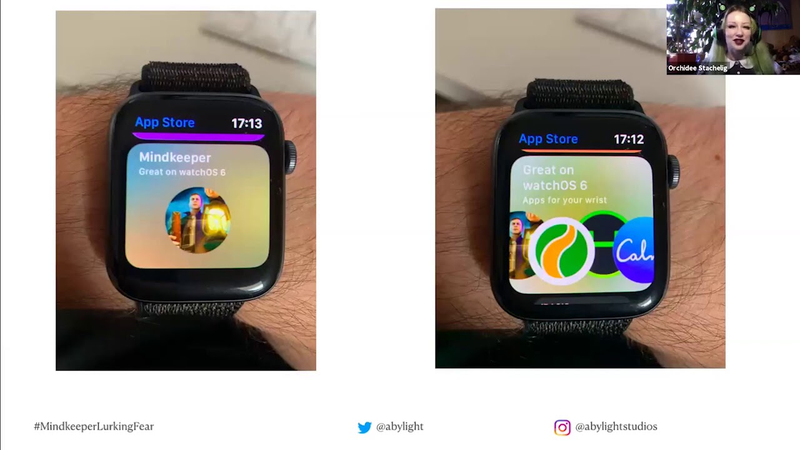
Got Games on Your Apple Watch? PG Connects Digital #2
Abylight Studios, a Barcelona-based developer established in 2004, highlights the potential for high-quality 3D gaming on the Apple Watch through the development of their title, Mind Keeper: The Lurking Fear.
- The Apple Watch represents an underutilized market for standalone 3D gaming, offering indie developers a less crowded platform to reach dedicated audiences.
- Abylight Studios developed the 'Providence Engine,' a custom lightweight visual editor, to bypass the limitations of standard tools like Unity when building for the Apple Watch.
- Successful Apple Watch game design requires building standalone experiences that do not rely on an iPhone, specifically optimizing for the device's unique hardware constraints.
High Resolution Pixel Art and Animation
This presentation outlines a professional workflow for creating high-resolution, fluid pixel art animations, emphasizing the integration of traditional animation principles into the digital medium.
- Integrate traditional animation principles—such as silhouette clarity, frame spacing, and smears—into pixel art to achieve fluid motion within limited-frame constraints.
- Leverage existing skill sets like 3D modeling and vector-based planning to inform pixel art, using vector software for initial rotation and scaling before final pixel-level refinement.
- Optimize production efficiency by 'cheating' through asset reuse, such as 360-degree turnarounds and motion blur, to avoid the labor-intensive process of drawing every frame from scratch.
Set this Game in Order: Organizing Hundreds of Levels and Mechanics
Effective level design for complex games requires a structured approach to managing mechanics, difficulty, and spatial organization.
- Prioritize the development of custom tools for tracking game data, as these systems are essential for maintaining quality and polish in projects with hundreds of levels.
- Implement a 'heartbeat' difficulty curve that alternates between gentle learning phases and periodic spikes in challenge to maintain optimal player engagement.
- Isolate new mechanics within dedicated, low-stakes environments to ensure player mastery before integrating them into complex, multi-mechanic scenarios.
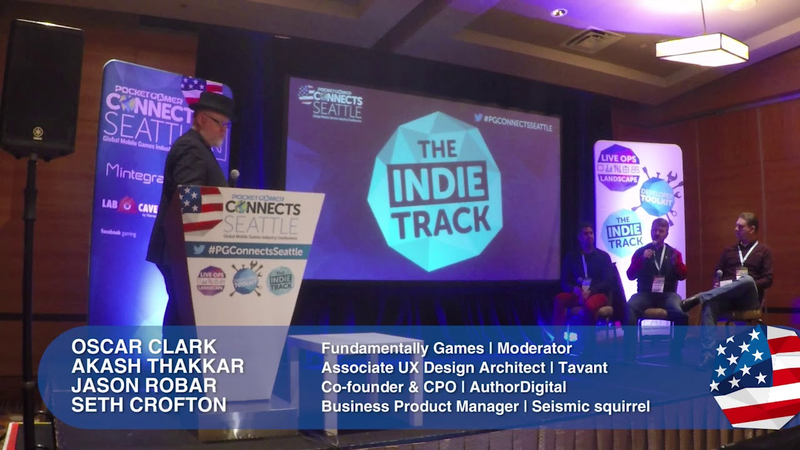
Keep talking and no-one explodes – Tips for smooth teams
Effective team communication is a critical, often overlooked component of game development success.
- Prioritize the human element of collaboration by building trust and empathy to move beyond transactional interactions.
- Implement 'Fight Club' sessions as dedicated, safe spaces for team members to address interpersonal conflicts and misunderstandings immediately.
- Focus on identifying and resolving root causes of disagreements rather than arguing over symptoms, a process referred to as avoiding the 'red table, blue chair' phenomenon.
Successful Freelancing in Game Audio
Building a sustainable career in game audio requires transitioning from a creative mindset to a disciplined business framework.
- Transition from a creative mindset to a disciplined business framework by implementing systematic, reproducible habits rather than relying on sporadic effort.
- Prioritize face-to-face networking at industry events and game jams, as personal trust is a more effective acquisition tool than a polished portfolio or website.
- Enforce a strict 24-hour follow-up policy after every initial contact to ensure memory retention and build professional rapport.
FRAMED: A Recipe for Critical Success
The primary objective of this analysis is to outline a strategic framework for positioning premium indie titles for success in the mobile market.
- Strategic participation in the global festival and awards circuit can secure long-term commercial viability for premium indie titles, even when initial launch performance is underwhelming.
- The game FRAMED achieved 400,000 paid unit sales despite an initial launch that failed to meet expectations relative to its $500,000 development budget.
- Developers should structure production around ten-week milestones that align with major industry events to ensure a constant, high-quality, submission-ready build.
Game Maker Studio 2 - Make a Game Before This Video Ends! (Tutorial)
GameMaker Studio 2 serves as a highly efficient and accessible engine for independent developers aiming to produce professional-grade 2D titles.
- GameMaker Studio 2 is a 2D-focused engine designed for rapid prototyping and deployment, as demonstrated by commercial titles like Hotline Miami and Risk of Rain.
- The engine utilizes an event-driven architecture where Create events define initial variables and Step events manage real-time input responsiveness, friction, and acceleration.
- Standardizing the frame rate at 60 FPS is a core practice for maintaining technical stability and a smooth user experience.
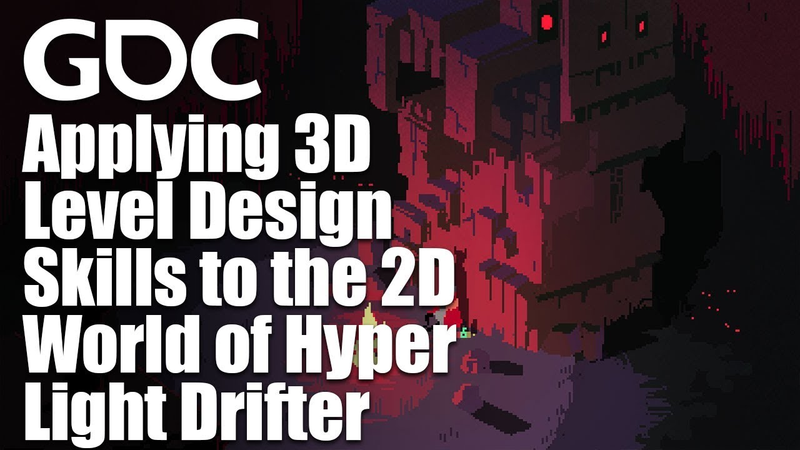
Applying 3D Level Design Skills to the 2D World of Hyper Light Drifter
Core level design principles are fundamentally universal, transcending the technical divide between 3D action titles and 2D environments.
- Level design principles are highly transferable between 3D and 2D; core concepts like 'prospect and refuge'—the contrast between vulnerable open areas and safe, enclosed spaces—remain effective regardless of the game's dimensionality.
- Instead of using a subtractive 'sculpting' method to block out levels, designers can use a metrics-driven approach by establishing fixed distances for movement and combat, then growing the level outward from those connected pieces.
- In 2D overhead games like Hyper Light Drifter, designers can effectively use camera locks to isolate combat encounters, forcing player focus and creating distinct, self-contained pacing beats.
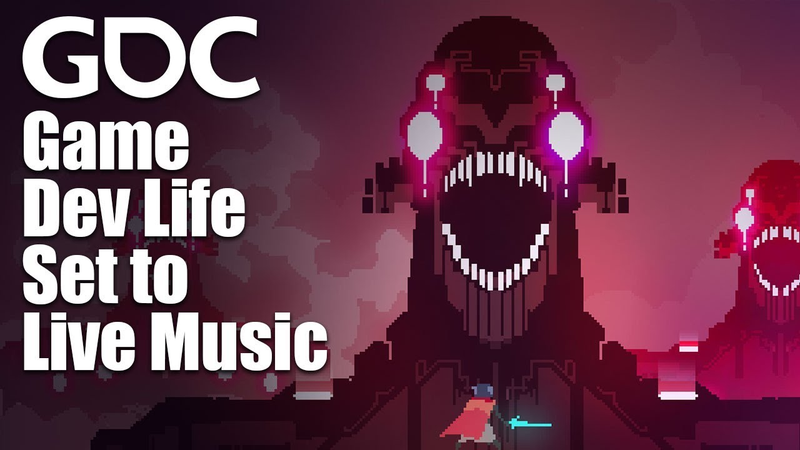
Still Grooving: Game Dev Life Set to Live Music
This presentation explores the emotional and professional realities of independent game development, focusing on the lifecycle of the title Hyper Light Drifter.
- Developers should prioritize creative 'love' and thematic resonance over exhaustive perfectionism, as the core player experience is defined by atmosphere rather than just mechanical systems.
- The labor invested in game development acts as a value multiplier, where thousands of hours of team effort can generate hundreds of years of collective engagement for the global player base.
- A sustainable career requires rejecting rigid work-life balance models in favor of a fluid, rhythmic approach to productivity that emphasizes intentionality and variety.
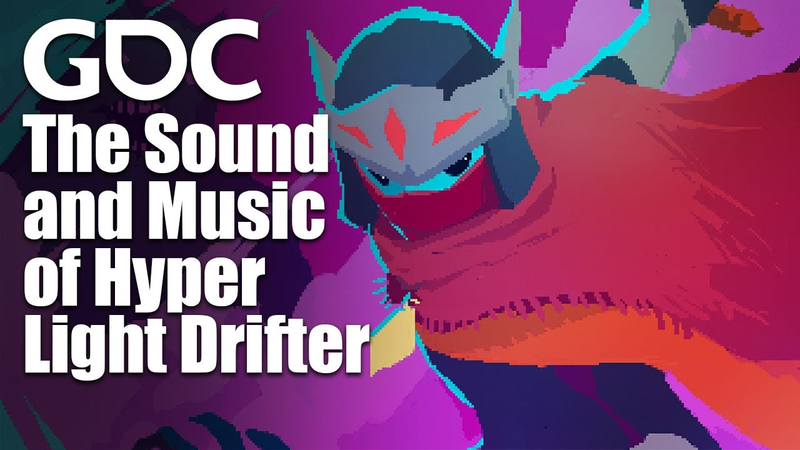
The Sound and Music of Hyper Light Drifter
The audio development of Hyper Light Drifter centers on the creation of a unique, immersive sonic identity through experimental recording techniques and a highly iterative collaborative process.
- The audio team utilized unconventional field recording techniques, such as using a stethoscope modified with a garden hose spigot to record internal body sounds like blood flow, which were then processed and distorted to create ambient textures for boss battles.
- To achieve a unique, 'nightmarish' aesthetic, the developers used a 1950s wire recorder—purchased for $250—to capture and manipulate raw, historical audio, creating distorted textures that predated modern digital recording artifacts.
- The sound design process relied heavily on extreme processing of organic sounds, such as recording the creator's own voice squealing like a pig or using wolf vocalizations, which were then pitch-shifted and layered to create distinct, terrifying creature audio.
The 2017 Game Developers Choice Awards
The 2017 Game Developers Choice Awards served as a comprehensive celebration of the industry’s evolution, balancing commercial blockbusters with innovative independent titles.
- Overwatch was named Game of the Year at the 2017 Game Developers Choice Awards, reflecting its significant cultural impact during that period.
- The 2017 awards ceremony formally recognized the industry's expansion into new platforms by establishing a dedicated virtual reality category, with Job Simulator winning the inaugural award.
- Pokémon Go was highlighted for its role in driving mobile innovation, underscoring the industry's shift toward diverse and accessible gameplay experiences.
Companies behind it

As the documents state it.