
Boom Beach
GameBy Supercell · Released Mar 26, 2014
Documents about Boom Beach

Cross-promotion in Candy Crush Soda Saga
King Limited's global launch of Candy Crush Soda Saga on November 11, 2014 shows the company pursuing more than a brand extension.
- King is using the high-traffic Candy Crush Soda Saga (CCSS) to aggressively cross-promote its less successful titles, such as Diamond Digger Saga and Papa Pear Saga, to non-paying users.
- Cross-promotional ads in CCSS appear as early as level 12, which can be reached within 30 to 45 minutes of gameplay, indicating a strategy to leverage the franchise's gravitational pull to boost other games' user bases.
- The cross-promotion strategy is specifically targeted at non-payers; testing showed that players who made an in-app purchase early in the game were not presented with these promotional ads.

24 monetization tips in 15 minutes
This analysis outlines a framework for optimizing monetization in free-to-play mobile games, drawing on industry observations from 2015.
- Developers should shift away from generic monetization mechanics toward sophisticated retailing strategies that leverage psychological triggers like reciprocity, social incentives, and permanence.
- Implement specific gating mechanics, such as third-builder slots, to drive initial player purchases and establish a spending habit early in the user lifecycle.
- Utilize VIP status tiers to reward long-term engagement and integrate gacha or wheel-spin mechanics to leverage the psychological appeal of randomness.

3 Reasons Why Kim Kardashian: Hollywood Has Exploded
Glu Mobile's Kim Kardashian: Hollywood, released on the App Store and Google Play on June 25, 2014, rapidly became a commercial hit, and this July 2014 analysis argues its success rests on three factors rather than the celebrity license alone.
- Kim Kardashian: Hollywood achieved a Top 10 grossing position on the US App Store within days of its June 25, 2014, release, outperforming established titles like Hay Day and Farm Heroes Saga.
- Analysts at Cowen & Co. project the game could generate $200 million in annual revenue, a figure not captured in Glu Mobile's initial 2014 guidance of $161.5 million.
- Glu Mobile's stock price rose more than 58% following the game's launch, reaching a 52-week high of $6 per share on July 11, 2014.
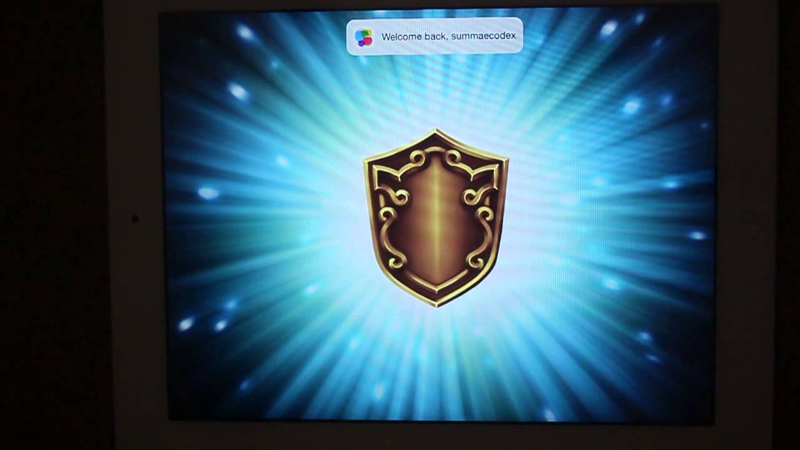
Moneti$er: Comparing the load times of F2P mobile games
This analysis examines the impact of boot times on user engagement within the free-to-play (F2P) mobile gaming market.
- Rapid boot times are directly correlated with higher session frequency in F2P mobile games, particularly for casual and resource-management titles.
- Minimizing the time between app launch and gameplay is a critical factor for user retention, as short-burst players are sensitive to entry barriers.
- Boom Beach and Royal Revolt 2 serve as industry benchmarks for high-performance, near-instant access, whereas Dungeon Keeper and FarmVille 2 exhibit poor user experience due to prolonged loading.

What Is Supercell’s Strategy with Boom Beach?
Supercell's decision to release Boom Beach, a near-clone of its blockbuster Clash of Clans, reflects a deliberate strategy of preserving its most valuable users rather than building a broad portfolio of diverse games.
- Supercell is prioritizing the retention of its existing high-value user base over portfolio diversification by releasing Boom Beach as an improved, structurally similar alternative to Clash of Clans.
- The strategy aims to mitigate the rising costs of re-acquiring churned players by keeping them within the Supercell ecosystem through familiar but refined gameplay mechanics.
- Boom Beach introduces several mechanical shifts from Clash of Clans to improve long-term retention, including automated resource harvesting, non-consumable troops, and a more complex four-currency economy.
Companies behind it


As the documents state it.