1 free read left. Create a free account for unlimited reading + AI research.
Create free accountArticle Journal of Games, Game Art, and Gamification
1 free read left. Create a free account for unlimited reading + AI research.
Create free accountArticleJournal of Games, Game Art, and Gamification
The game reframes historical trauma through an allegorithmic structure. It blends narrative allegory with specific gameplay mechanics.
Valkyria Chronicles functions as a sophisticated digital site of memory that reframes the historical trauma of World War II through an allegorithmic structure. By blending narrative allegory with specific gameplay mechanics, the game navigates the complexities of global conflict while maintaining a culturally distinct Japanese perspective. The central thesis posits that the game’s aesthetic choices and design architecture act as a form of reflective nostalgia, allowing players to engage with the gravity of war through a softened, stylized lens that avoids the traditional, binary depictions of heroism and villainy.
The game utilizes a deliberate cute anime aesthetic to establish a controlled distance from the horrors of the Holocaust and other wartime atrocities. This design choice functions as a double screen memory, simultaneously catering to international market expectations while addressing Japan’s internal disillusionment and historical trauma following the mid-twentieth century. By deconstructing standard war tropes, the game’s algorithmic design encourages a nuanced exploration of military conflict, effectively reshaping how collective memory is produced and consumed within the interactive medium.
This analysis covers the intersection of Japanese cultural memory and the global military-entertainment complex, focusing on the period following the Second World War. By employing a close-playing methodology, the study highlights how hybrid design elements transform the game into a space for historical reflection. Ultimately, the work demonstrates that digital games serve as vital, evolving archives that allow societies to process traumatic legacies by mediating historical reality through the lens of contemporary popular culture.
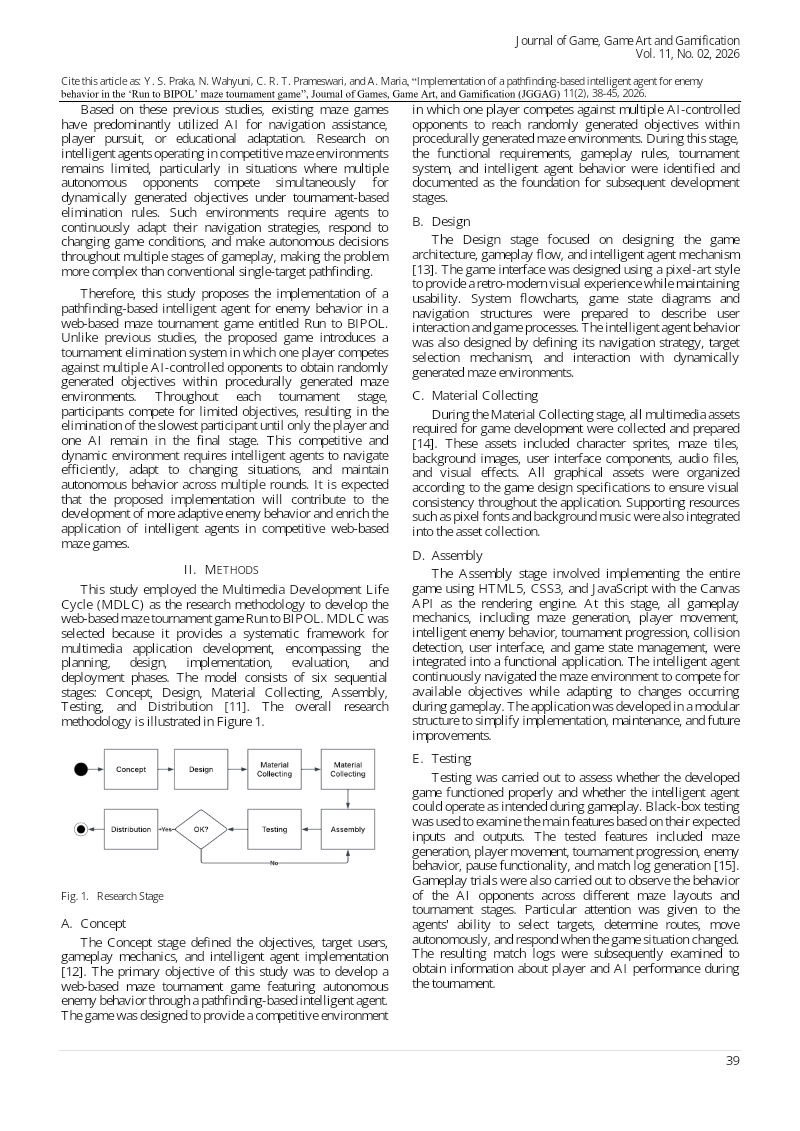
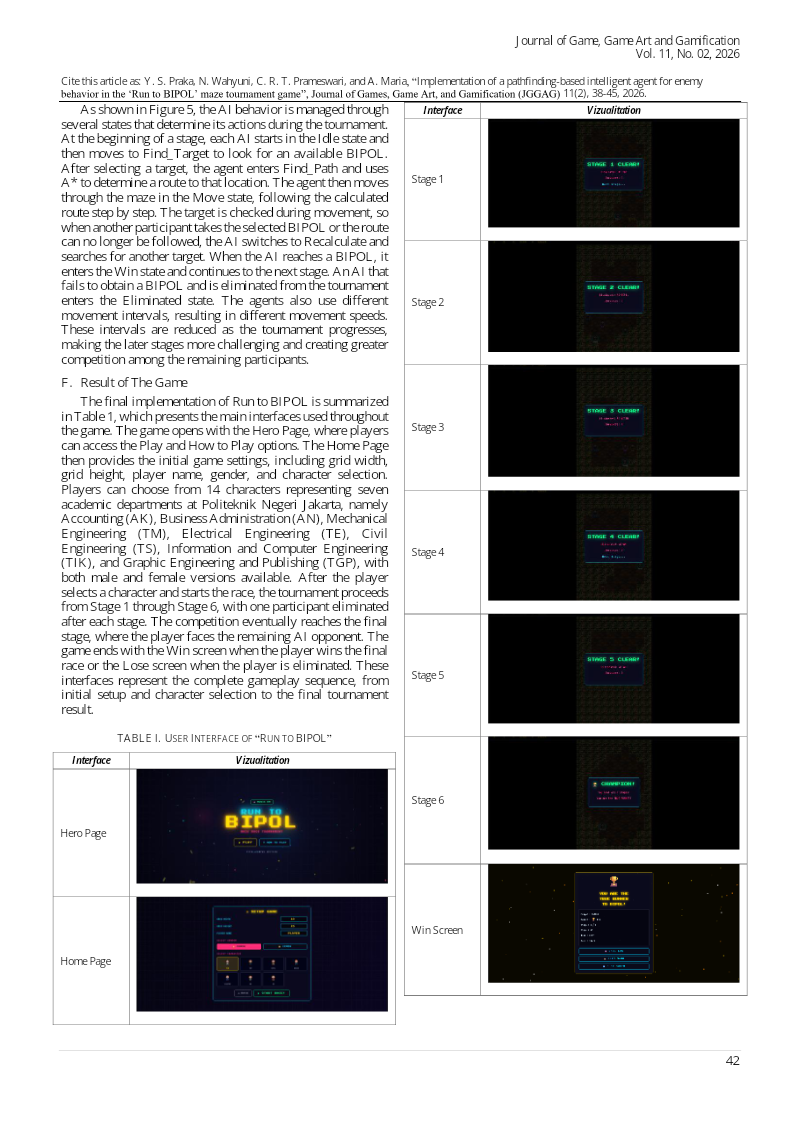
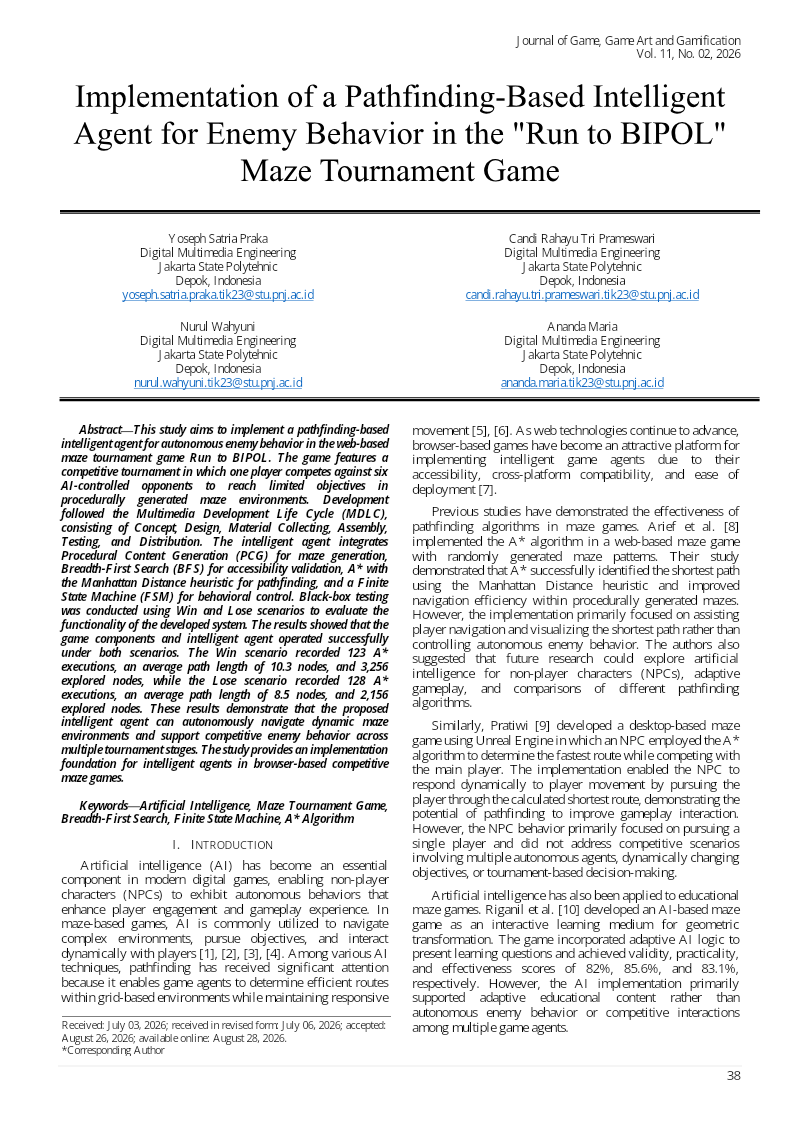
Journal of Games, Game Art, and Gamification · 2026
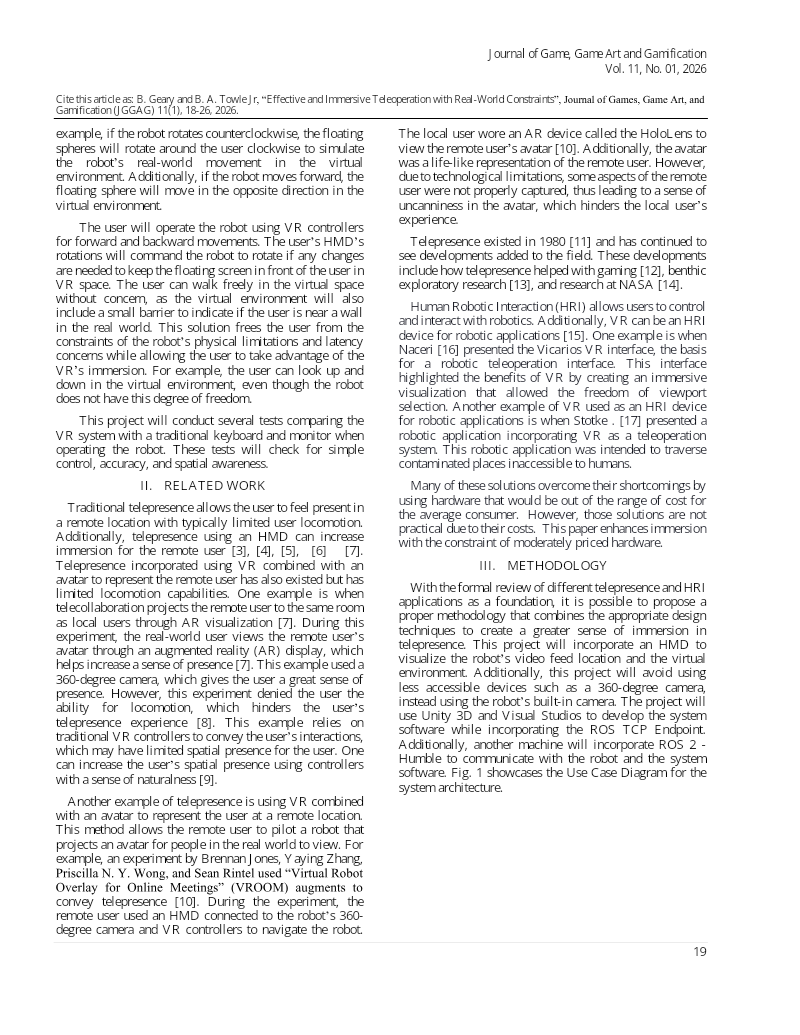
Journal of Games, Game Art, and Gamification · 2026
Journal of Games, Game Art, and Gamification · 2025
Journal of Games, Game Art, and Gamification · 2025
Journal of Games, Game Art, and Gamification · 2025
Journal of Games, Game Art, and Gamification · 2025
Journal of Games, Game Art, and Gamification · 2025
Journal of Games, Game Art, and Gamification · 2025
Journal of Games, Game Art, and Gamification · 2025
Journal of Games, Game Art, and Gamification · 2025
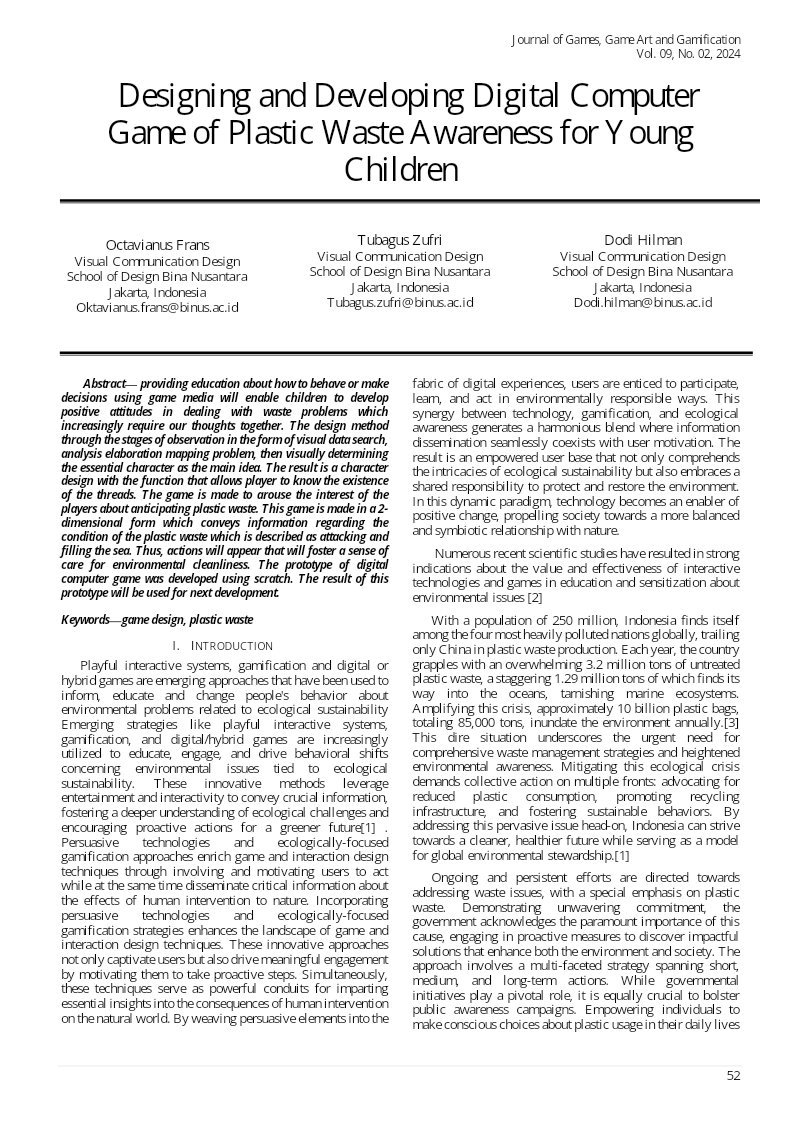
Journal of Games, Game Art, and Gamification · 2024
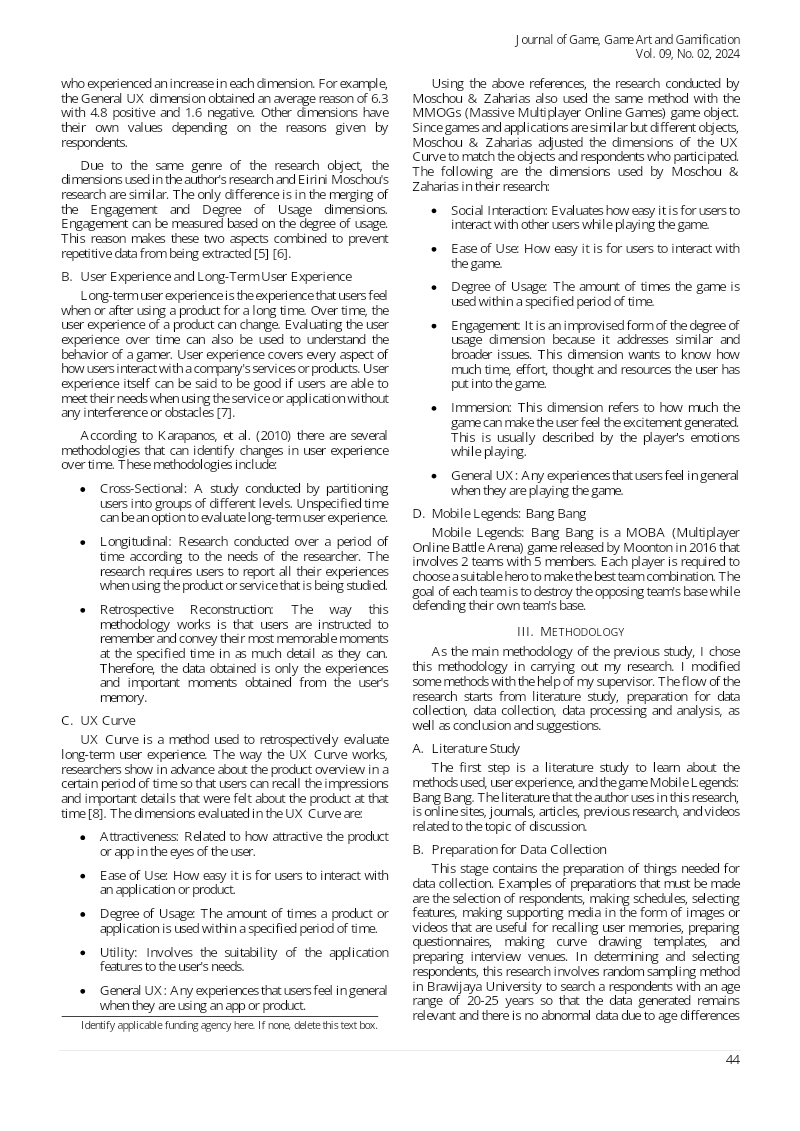
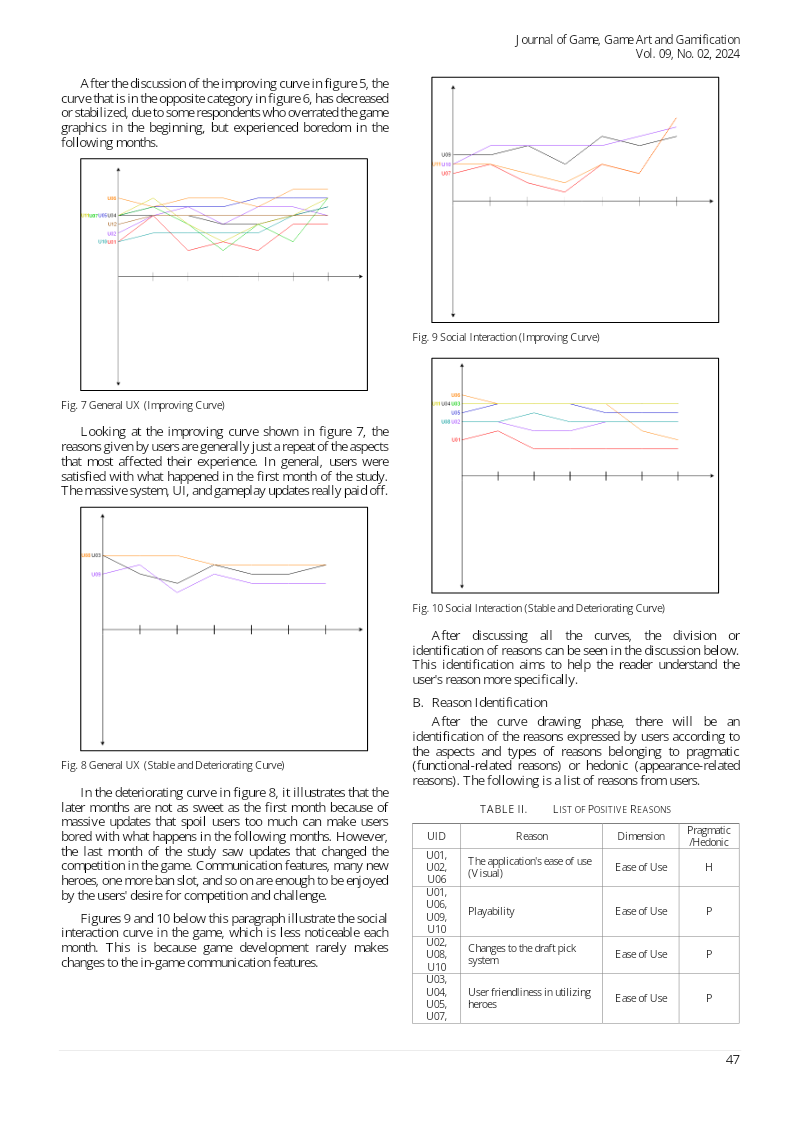
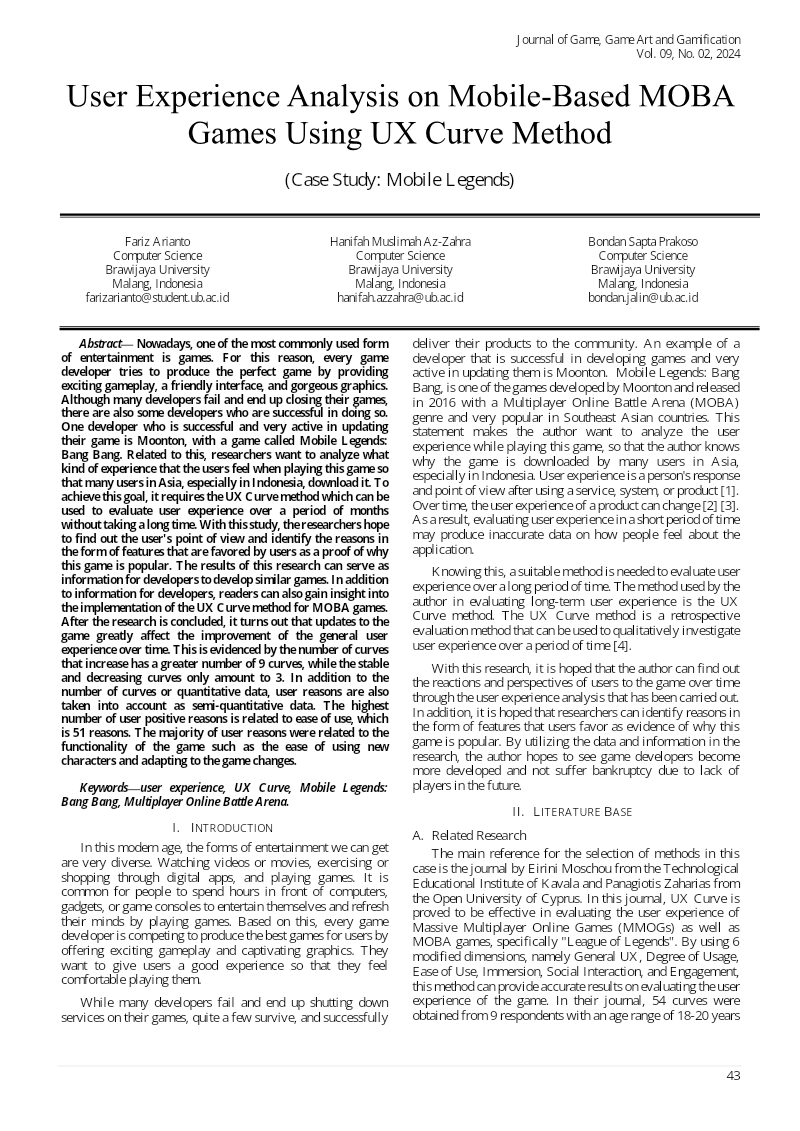
Journal of Games, Game Art, and Gamification · 2024
DiGRA · 2026