Games and companies in this document

Connections
Each row is a game or company this document names, each column a document, oldest first. A mark means that document names it. Select a row to see those documents.
1 free read left. Create a free account for unlimited reading + AI research.
Create free accountWhitepaperConcordia University
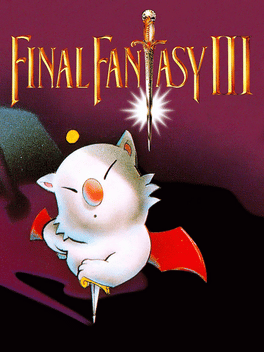
The paper examines fan-made ROM hacks of Final Fantasy III, released in North America as Final Fantasy VI in 1993 on the Super Nintendo.
This conference paper examines how fan-made ROM hacks of Final Fantasy III (released in North America as Final Fantasy VI, Square Soft, 1993 on the Super Nintendo) construct competing notions of authenticity. The author, drawing on ongoing doctoral research and digital ethnographic methods, focuses on three hacks, Final Fantasy VI: Ted Woolsey Uncensored Edition, FF6: Brave New World, and Final Fantasy VI: Retranslated, which each claim to present a more accurate or complete version of the game than the original North American localization. The study situates these projects within a hacking scene that has produced over 200 modifications of the title, one of the most heavily altered SNES/SFC games.
The central argument is that authenticity is a paradoxical construct: although it is imagined as pure and unmediated, its advocates actively plan and design it. The hacks are read as an idealized reconstruction of the game built from perceived narrative and ludic essentials, reflecting both a negotiation over textual authenticity and a nostalgic longing for a restored original. The paper argues that these fan activities reveal competing discourses and make a single definitive version of the game impossible to establish, as the title exists in multiple forms. Fan translations are described as producing hybrid games that blend Western and Eastern aesthetics.
The analysis covers several areas of contention. Censorship and the translation work of localizer Ted Woolsey are the main targets of restoration claims, with official re-releases on the PlayStation (1999) and Game Boy Advance (2006), along with community archives such as The Cutting Room Floor, serving as reference points. The paper also addresses the status of the game's notorious glitches, asking whether fans see them as integral to the experience or as development oversights to be corrected. The work connects to scholarship on emulation, modding, and intellectual property, framing ROM hacking as a challenge to the finality of published media.
Each row is a game or company this document names, each column a document, oldest first. A mark means that document names it. Select a row to see those documents.
University of Copenhagen · 2026